


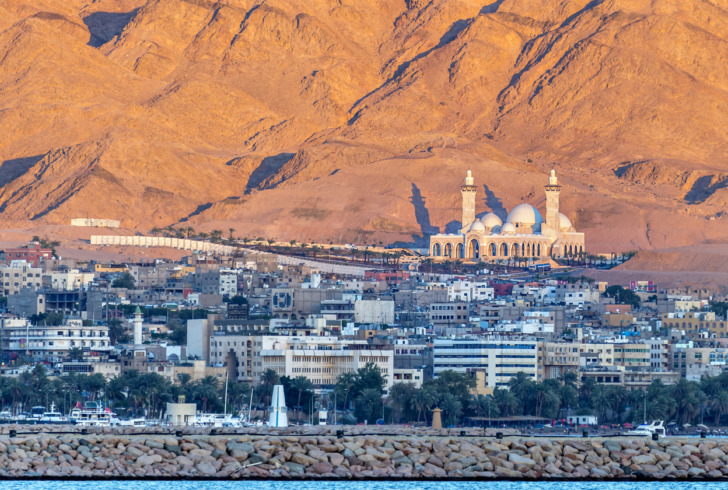
Aqaba is Jordan’s only coastal city, sitting at the northern tip of the Red Sea where Jordan, Israel, Egypt, and Saudi Arabia all come close together in one dramatic little corner of the map.
It is a sunny port city, beach destination, diving hub, and gateway to Wadi Rum and Petra, which makes it one of the most useful stops on a Jordan itinerary.
Aqaba feels more relaxed than Amman and more resort-like than much of the country, with coral reefs, seafood restaurants, warm winter weather, and desert mountains behind the city.
It is generally safe for tourists, but it is still a border-region destination in the Middle East, so travelers should think about regional tensions, road safety, sun exposure, water activities, scams, and cultural etiquette.
It is easy to enjoy, but best enjoyed with awareness.
Warnings & Dangers in Aqaba

OVERALL RISK: LOW
Aqaba is a low-risk destination for most tourists. Violent crime is uncommon, locals are generally welcoming, and tourist areas are well established. The main concerns are road safety, heat, petty theft, snorkeling or diving accidents, overcharging, and regional security developments. Most visitors have a smooth trip with normal precautions.

TRANSPORT & TAXIS RISK: MEDIUM
Transport is mostly safe, but taxis can be inconsistent with pricing, and driving styles may feel aggressive to some visitors. Agree on taxi fares before leaving or use a ride-hailing app when available. Roads to Wadi Rum, Petra, and the Dead Sea are manageable but require caution, especially at night or in desert weather.

PICKPOCKETS RISK: LOW
Pickpocketing is not a major problem in Aqaba, but it can happen in markets, busier beach areas, shopping streets, transport points, and around tourist sites. Keep bags zipped, avoid leaving phones on tables, and do not bring unnecessary valuables to the beach. The risk is low, but careless tourists are always easier targets.

NATURAL DISASTERS RISK: LOW
Aqaba has a low natural disaster risk, though the region can experience earthquakes, flash flooding in desert areas, strong sun, heatwaves, and rougher sea conditions. The biggest practical risks are heat and dehydration. If you are traveling into Wadi Rum or other desert areas, check weather and avoid wadis during heavy rain.

MUGGING RISK: LOW
Mugging is rare in Aqaba. Tourist areas, hotels, waterfront zones, and central streets are generally safe during the day and evening. Still, avoid isolated beaches or dark side streets late at night, especially if alone. Use trusted transport after dark if your accommodation is far from the center or resort areas.

TERRORISM RISK: MEDIUM
Aqaba is generally safe, but regional security should be taken seriously because Jordan borders areas with political and military tension. Tourists are not usually affected, and Jordan has strong security measures, but travelers should monitor the situation before and during a trip. Avoid border areas, protests, military zones, and large political gatherings.

SCAMS RISK: MEDIUM
Scams in Aqaba are usually mild, but overcharging can happen with taxis, tours, souvenirs, beach services, and boat trips. Confirm prices before agreeing to anything, especially for taxis, diving packages, snorkeling trips, and transport to Wadi Rum or Petra. Be polite but firm if someone is pushing a sale too aggressively.

WOMEN TRAVELERS RISK: MEDIUM
Many women visit Aqaba safely, including solo travelers, but cultural awareness matters. Aqaba is more relaxed than some inland areas, but modest dress away from resort beaches is still wise. Unwanted attention can happen. Use trusted transport at night, avoid isolated beaches alone, and choose well-reviewed accommodation in central or resort areas.

TAP WATER RISK: MEDIUM
Tap water in Aqaba is generally not recommended for tourists to drink. Bottled water is cheap and widely available, and hotels often provide it. Use bottled or filtered water for drinking, especially in the heat. Ice in reputable hotels and restaurants is usually fine, but be more cautious in small local places if you have a sensitive stomach.
Safest Places to Visit in Aqaba
Aqaba South Beach
South Beach is one of the best areas for snorkeling, diving, and Red Sea views.
It is generally safe during the day, especially around organized beach clubs, dive centers, and hotel-managed areas.
The main risks are sunburn, dehydration, coral cuts, sea urchins, and leaving valuables unattended while swimming.
Bring reef-safe behavior, water shoes if needed, and a dry bag for essentials.
Al-Hafayer Beach and the Corniche
The central waterfront and Corniche are easy, lively, and safe places for a casual walk, especially in the evening when families and locals come out.
It is a good area for sunset, people-watching, snacks, and sea views.
Dress respectfully, keep valuables close, and avoid wandering into quiet stretches late at night.
Aqaba Fort and the Great Arab Revolt Plaza
Aqaba Fort and the nearby plaza are safe daytime stops that add history to the beach-heavy itinerary.
The area is close to the waterfront and easy to visit without complicated planning.
It is not a dangerous area, but it can be hot and exposed, so bring water, a hat, and sunscreen.
Tala Bay
Tala Bay is a resort-style area south of central Aqaba, with hotels, marina views, restaurants, beach access, and a more controlled environment.
It is one of the easiest places to stay if you want comfort and convenience.
It is safe, polished, and good for families, couples, and travelers who prefer resort amenities.
Dive Centers and Snorkeling Sites
Aqaba is one of the safest places in the region for organized diving and snorkeling when you choose reputable operators.
The underwater military museum, coral gardens, and reef sites are major attractions.
Safety depends on equipment, guide quality, sea conditions, and your own limits.
Do not dive or snorkel with operators that seem careless or vague.
Places to Avoid in Aqaba
Isolated Beaches Late at Night
Aqaba’s beaches are enjoyable during the day, but empty stretches after dark are not ideal.
The risk is not extreme, but isolation, poor lighting, valuables, and lack of nearby help can create problems.
Stick to active beach areas, hotel zones, or well-lit waterfront paths in the evening.
Border and Military Areas
Aqaba sits near several international borders, so travelers should avoid wandering near restricted zones, military facilities, ports, or border areas without a clear reason.
Do not photograph security infrastructure, checkpoints, or military activity.
Jordan is generally welcoming, but border areas are not places for casual exploring.
Cheap or Vague Boat Trips
Boat trips can be fun, but choose carefully.
Avoid operators that do not clearly explain the route, safety equipment, price, return time, or weather conditions.
Make sure life jackets are available and that the boat does not look overcrowded.
If the sea is rough or the operator seems casual about safety, skip it.
Desert Roads at Night
If you are traveling from Aqaba to Wadi Rum, Petra, or Amman, avoid driving long distances at night if possible.
Desert roads can be dark, animals may wander onto the road, and tired driving is a real risk.
Daytime travel is easier, safer, and much better for enjoying the scenery.
Overly Pushy Market or Taxi Situations
Most interactions in Aqaba are friendly, but some tourists may feel pressured by vendors, taxi drivers, or tour sellers.
This is more annoying than dangerous.
If you do not want something, say no clearly and keep moving.
Do not get pulled into a service or shop before confirming the price.
Safety Tips for Traveling to Aqaba
- Protect yourself from the sun. Aqaba can be extremely sunny and hot, especially from late spring through early autumn. The dry heat can fool you because you may not sweat as much as expected. Wear sunscreen, sunglasses, a hat, and light breathable clothing. Drink water constantly, especially if you are walking the Corniche, visiting the fort, snorkeling, or heading into the desert. Heat exhaustion is one of the most realistic safety issues here.
- Use reputable diving and snorkeling operators. The Red Sea is one of Aqaba’s biggest reasons to visit, but water activities deserve respect. Choose dive centers with proper equipment, clear safety briefings, and qualified instructors. Do not dive if you are tired, sick, hungover, or unsure about the conditions. For snorkeling, avoid stepping on coral, watch for boats, and stay within your ability. The sea is beautiful, not a playground without rules.
- Agree on taxi fares before starting.Taxi pricing can be confusing if there is no meter or if the meter is not used. Before getting into a taxi, agree on the price or use a ride-hailing app where available. Ask your hotel what a reasonable fare should be for common routes. This prevents awkward arguments and keeps small transport issues from becoming trip annoyances.
- Dress modestly away from resort beaches. Aqaba is more relaxed than many parts of Jordan, especially in resort areas, but it is still culturally conservative compared with many beach destinations. Swimwear is fine at private beaches, hotel pools, and beach clubs. In town, markets, restaurants, and public streets, cover up more. Light, modest clothing also protects you from the sun, so it is a double win.
- Be careful with desert day trips. Aqaba is a popular gateway to Wadi Rum and Petra, but these trips need planning. Confirm pickup times, vehicle quality, guide details, return time, and what is included. Bring water, sun protection, layers for cooler desert evenings, and a charged phone. Desert scenery is unforgettable, but distances, heat, and limited services can surprise visitors.
- Do not drink tap water. Stick to bottled or properly filtered water. Aqaba’s heat makes hydration especially important, so carry water even for short walks. If you are eating at reputable hotels and restaurants, ice is usually less concerning, but cautious travelers with sensitive stomachs may prefer to avoid it in smaller local places. A mild stomach problem in desert heat feels extra miserable.
- Keep valuables off the beach. Do not bring your passport, lots of cash, expensive jewelry, or multiple cards to the beach. If you plan to swim or snorkel, use a waterproof pouch or leave valuables in your hotel safe. Beach theft is usually opportunistic. A bag left alone while you are in the water is an invitation you do not need to send.
- Monitor regional security before traveling. Jordan is one of the more stable countries in the region, but Aqaba’s location means regional developments can matter. Before your trip, check the general security situation and avoid border areas, protests, or large political gatherings. Once there, follow hotel advice and local instructions. This is not about panic. It is about being informed.
- Watch your footing around reefs and rocks. Some Red Sea beach and snorkeling areas have coral, rocks, sea urchins, and uneven seabeds. Water shoes can help in certain spots. Never stand on coral, both for your safety and to protect the reef. Move slowly when entering and exiting the water, and avoid swimming in areas with boat traffic unless they are clearly marked for swimmers.
- Plan airport and border transfers ahead. Aqaba is close to international borders and also has its own airport, so transport planning matters. If you are arriving late, crossing from nearby countries, or heading directly to Wadi Rum or Petra, arrange transport in advance. Clear plans reduce taxi stress, border confusion, and late-night uncertainty. In a place where distances look short on the map, logistics still matter.
So... How Safe Is Aqaba Really?
Aqaba is one of the safer and easier places to visit in Jordan.
It is tourist-friendly, relaxed by regional standards, and well suited for beach holidays, diving trips, desert excursions, and short breaks before or after Petra and Wadi Rum.
Violent crime is uncommon, and most travelers will feel comfortable in central areas, resort zones, the waterfront, and organized tour settings.
The most important safety concerns are not usually street crime.
They are heat, road travel, water activities, overcharging, cultural misunderstandings, and regional awareness.
Aqaba’s location near several borders gives it a slightly different safety profile from an ordinary beach town, but Jordan takes security seriously and tourist areas are generally well managed.
I would rate Aqaba as low risk overall, with medium risk for transport, water activities, and regional-security awareness.
The safest travelers are the ones who use reputable operators, plan desert trips carefully, avoid isolated beaches after dark, confirm taxi prices, drink bottled water, and stay aware without being anxious.
Do that, and Aqaba is a safe, sunny, and rewarding Red Sea stop.
How Does Aqaba Compare?
| City | Safety Index |
|---|---|
 Aqaba Aqaba |
72 |
| Amman |
60 |
| Petra |
68 |
 Mogilev Mogilev | 53 |
 Lawton Lawton | 58 |
| Tulsa | 77 |
 Mexico City Mexico City | 55 |
| North Conway | 76 |
| Germantown | 70 |
Useful Information

Visas
Many travelers need a visa to enter Jordan, though rules vary by nationality and arrival point. Jordan also offers tourism packages and pass options that may include visa benefits if you stay long enough and visit major sites. If entering through Aqaba or nearby borders, check the current entry rules before travel because conditions can vary.

Currency
Aqaba uses the Jordanian dinar. Cards are accepted in many hotels, dive centers, larger restaurants, and resorts, but cash is useful for taxis, markets, tips, beach services, and small shops. ATMs are available in the city. Carry smaller notes, because change can be difficult for small purchases.

Weather
Aqaba is hot and dry for much of the year, with very hot summers and mild winters. Winter is one of the most comfortable times to visit, while summer requires serious sun protection. Pack light clothing, swimwear, sunscreen, sunglasses, a hat, sandals, and modest cover-ups for town. Desert nights can feel cooler.

Airports
Aqaba is served by King Hussein International Airport, located close to the city. Many travelers also arrive through Amman and continue by road, or combine Aqaba with Wadi Rum and Petra. Taxis, hotel transfers, and private drivers are common. For late arrivals or desert transfers, pre-arranged transport is the easiest option.

Travel Insurance
Travel insurance is strongly recommended for Aqaba. It should cover medical care, lost luggage, cancellations, delays, theft, diving, snorkeling, boat trips, and desert excursions if those are part of your plans. If you plan to scuba dive, check that your policy specifically covers diving depth, equipment, and emergency treatment.
Aqaba Weather Averages (Temperatures)
Average High/Low Temperature
| Temperature / Month | Jan | Feb | Mar | Apr | May | Jun | Jul | Aug | Sep | Oct | Nov | Dec |
|---|---|---|---|---|---|---|---|---|---|---|---|---|
| High °C |
19 | 21 | 25 | 30 | 35 | 38 | 39 | 39 | 37 | 33 | 27 | 21 |
| Low °C |
9 | 10 | 13 | 17 | 20 | 23 | 25 | 25 | 23 | 19 | 14 | 10 |
| High °F |
66 | 70 | 77 | 86 | 95 | 100 | 102 | 102 | 99 | 91 | 81 | 70 |
| Low °F |
48 | 50 | 55 | 63 | 68 | 73 | 77 | 77 | 73 | 66 | 57 | 50 |
Jordan - Safety by City
| City | Safety Index |
|---|---|
| Amman | 60 |
| Aqaba | 72 |
| Petra | 68 |















Did you find any spots by the coral reefs where the water felt extra calm for snorkeling?
I remember snorkeling near those coral reefs and being totally blown away by how colorful and alive everything was, even though the sun had me peeling the next day.
The coral reefs there were way better than I expected, made snorkeling really cool.