


 Andorra : Safety by City
- Andorra la Vella
- Arinsal
- Canillo
- Encamp
- Escaldes-Engordany
- La Massana
- Ordino
- Pas de la Casa
- Sant Julia de Loria
- Soldeu
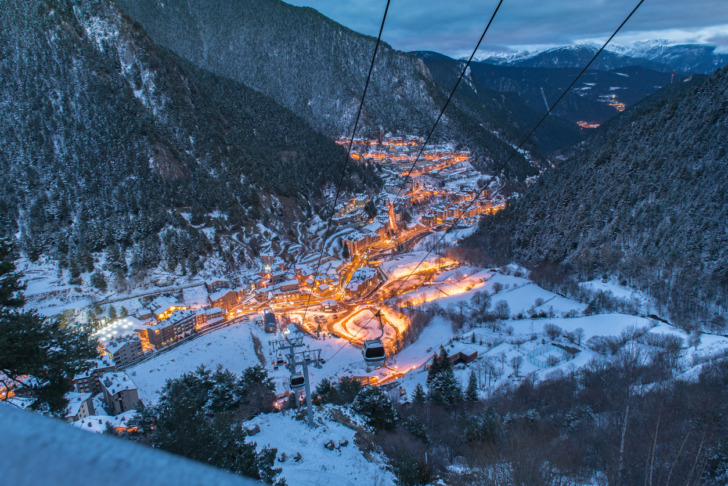
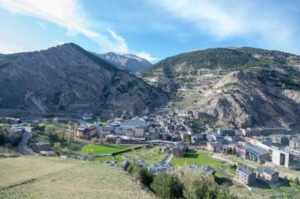
Arinsal is a small mountain village in the parish of La Massana, tucked into the western side of Andorra near the border with Spain.
It is best known as one of the country’s classic ski bases, with direct access to the Pal Arinsal ski area and a friendly resort atmosphere that works especially well for beginners, families, and groups.
In winter, the village becomes a base for skiing, snowboarding, après-ski, and mountain views.
In summer, it shifts into hiking, biking, fresh air, and Pyrenean quiet.
Arinsal is not a dangerous destination in the normal crime sense.
It is calm, compact, and tourist-friendly.
The real safety issues are mountain weather, winter roads, ski injuries, icy pavements, late-night drinking, and the temptation to treat the mountains as softer than they are.
Warnings & Dangers in Arinsal

OVERALL RISK: LOW
Arinsal is a low-risk destination for most travelers. Violent crime is rare, the village is small, and tourists are a normal part of local life. The biggest risks are winter weather, ski and snowboard injuries, icy streets, road conditions, and minor theft around busy ski facilities or nightlife spots.

TRANSPORT & TAXIS RISK: MEDIUM
Transport risk is medium because Arinsal is a mountain village. Roads can be steep, narrow, icy, snowy, or foggy in winter. Buses, taxis, and transfers are generally safe, but delays can happen during storms or peak ski weekends. If driving, use proper winter equipment and avoid rushing mountain bends.

PICKPOCKETS RISK: LOW
Pickpocketing is not a major issue in Arinsal, but petty theft can happen when ski areas, rental shops, bars, and buses are busy. Keep phones, wallets, ski passes, and bags secure. Do not leave valuables in open lockers, rental areas, restaurants, or visible inside cars.

NATURAL DISASTERS RISK: MEDIUM
Natural risk is medium because Arinsal is a mountain destination. Heavy snow, ice, high winds, fog, avalanches in uncontrolled terrain, landslides, and sudden weather changes can affect travel. These risks are manageable if you check conditions, follow resort warnings, stay on marked slopes, and avoid closed trails.

MUGGING RISK: LOW
Mugging is very unlikely in Arinsal. The village is quiet, tourist-oriented, and far removed from the street-crime profile of large cities. Still, use basic caution after dark, especially after drinking. Stay on lit routes, travel with friends when possible, and avoid walking alone on icy or isolated roads late at night.

TERRORISM RISK: LOW
Terrorism risk in Arinsal is low. Andorra is a small, peaceful country, and Arinsal is not a high-profile target. Travelers should always keep basic awareness in crowded public places, but terrorism should not influence your normal itinerary here. Mountain safety matters much more.

SCAMS RISK: LOW
Scams are uncommon in Arinsal. The more realistic issues are unclear ski rental terms, confusing pass options, last-minute accommodation prices, parking fines, or small misunderstandings with transfers. Book through reputable providers, read cancellation rules, and confirm what is included before paying.

WOMEN TRAVELERS RISK: LOW
Arinsal is generally safe for women travelers, including solo travelers. The village is compact, social, and easy to navigate. The main precautions are practical: avoid isolated walks after après-ski, use trusted transport late at night, and be careful on icy streets or quiet mountain roads after dark.

TAP WATER RISK: LOW
Tap water in Arinsal is safe to drink. Bring a refillable bottle, especially if skiing or hiking. Hydration is easy to forget in cold weather, but altitude, dry air, exercise, and alcohol can dehydrate you faster than expected. The water is not the problem. Remembering to drink enough is.
Safest Places to Visit in Arinsal
Arinsal Village Center
The village center is one of the safest and most convenient places to spend time.
It has hotels, restaurants, bars, rental shops, small stores, and access to transport.
During ski season, it feels lively but manageable.
It is a good base for first-time visitors because you can walk to many services without needing a car.
The only real caution is winter footing.
Pavements and side streets can become slippery, especially in the morning or after dark.
Pal Arinsal Ski Area
The ski area is safe when you stay on marked pistes, follow resort rules, and ski within your ability.
It is popular with families, beginners, and intermediate skiers, which gives it a more approachable feel than some harder alpine resorts.
Take lessons if needed, check slope status each morning, and do not ignore closed runs or weather warnings.
La Massana
La Massana is close to Arinsal and offers more shops, restaurants, services, and transport options.
It is generally very safe and useful if you want a break from the smaller village setting.
It also connects to the Pal sector by cable car, making it practical for skiing and summer mountain activities.
Comapedrosa Valley Area
Arinsal is a gateway to the Comapedrosa area, home to Andorra’s highest mountain.
This is a beautiful and rewarding area for experienced hikers in good weather.
It is safest in summer and early autumn, with proper shoes, layers, water, and a realistic route plan.
In winter or bad weather, it should be treated as serious mountain terrain.
Family-Friendly Restaurants and Hotel Areas
Arinsal’s main accommodation and dining zones are safe and easy to navigate.
Many visitors are families, ski groups, and couples, so the atmosphere is usually relaxed.
Choose well-reviewed hotels close to the center or lift access if you want the least complicated stay.
Places to Avoid in Arinsal
Off-Piste Terrain Without Training
The most dangerous areas near Arinsal are not neighborhoods.
They are uncontrolled mountain zones.
Avoid off-piste skiing or snowboarding unless you have avalanche training, proper safety gear, local knowledge, and suitable conditions.
Closed or unmarked areas are not made safe just because they are near a resort.
Icy Roads and Dark Side Streets
Arinsal’s roads and paths can become icy, especially in winter evenings and early mornings.
Avoid steep side streets if they look frozen, and do not walk along dark roads without reflective clothing or a light.
A slip-and-fall injury is much more likely than a street-crime incident here.
Mountain Trails Late in the Day
In summer, avoid starting hikes too late, especially routes toward Comapedrosa or higher terrain.
Weather can change quickly, daylight can fade behind the mountains, and tired hikers make poor decisions.
Start early, bring layers, and turn back if conditions shift.
Crowded Après-Ski Bars When the Vibe Turns Messy
Arinsal has a social après-ski scene, and most of it is fun and harmless.
But alcohol, tired legs, and crowded bars can create minor trouble.
If a place feels too rowdy, leave.
Keep your drink with you, watch your phone, and avoid arguments with drunk strangers.
Mountain Roads During Heavy Snow
Do not drive in or out of Arinsal during heavy snow unless you are properly equipped and comfortable with winter mountain driving.
Roads can become slow, slippery, or congested.
If the weather is poor, use transfers, buses, or delay the trip rather than forcing it.
Safety Tips for Traveling to Arinsal
- Check the slope and lift status every morning. Conditions in the village can differ from those higher up. Wind, snow, ice, visibility, and lift closures can change your ski day quickly. Before heading out, check which slopes and lifts are open, what the weather is doing, and whether any warnings are in place.
- Stay on marked pistes unless you know exactly what you are doing. This is the big one. Off-piste terrain can look tempting, especially after fresh snow, but it brings avalanche risk, hidden rocks, tree wells, cliffs, and no regular patrol coverage. If you are not trained and equipped for backcountry terrain, stay on the marked runs.
- Take lessons if you are a beginner. Arinsal is popular with beginners, which is great, but beginner-friendly does not mean injury-proof. A few lessons can save you from bad habits, collisions, and panic on slopes that suddenly feel steeper than they looked from the chairlift. Ski school is not embarrassing. Cartwheeling into a fence is.
- Wear proper footwear around the village. Ski boots are awkward, pavements get icy, and village streets can be steep. Bring shoes with real grip for walking around after skiing. This is one of the simplest ways to avoid a ruined trip. Many mountain injuries happen off the slopes, not on them.
- Use safe transport after drinking. Arinsal’s nightlife is friendly, but après-ski drinks hit harder after a day on the mountain. If your hotel is uphill, outside the center, or reached by a dark road, use a taxi or walk with others. Do not mix alcohol with icy roads and heroic confidence.
- Protect your ski pass and gear. A lost ski pass, missing gloves, or swapped rental skis can turn a good day into a boring administrative quest. Keep your pass zipped away, label rental gear if possible, and avoid leaving skis or snowboards unattended outside busy restaurants for long periods.
- Drive only if you are ready for winter conditions. If you rent a car, make sure it is properly equipped for mountain travel. Understand snow-chain rules, winter tires, parking restrictions, and local weather forecasts. Drive slowly, brake gently, and give buses and snow-clearing vehicles plenty of room.
- Hydrate even when it is cold. Cold air hides dehydration. Skiing, altitude, dry indoor heating, coffee, and alcohol all drain you. Carry water or stop regularly for drinks. A headache at altitude is not always some mysterious mountain curse. Sometimes you just forgot to drink water for six hours.
- Plan summer hikes properly. Arinsal is beautiful outside ski season, but hiking still requires planning. Bring layers, water, snacks, a charged phone, and a route you actually understand. Mountain weather can move fast. If clouds build or the trail feels beyond your ability, turn around early.
- Book early in peak ski season. Arinsal is popular, especially during school holidays and good snow periods. Booking late can mean worse locations, higher prices, or rushed gear rental decisions. Reserve accommodation, transfers, lessons, and equipment ahead of time if you want a smoother, safer trip.
So... How Safe Is Arinsal Really?
Arinsal is very safe if you judge it by crime.
Violent incidents are rare, the village is calm, and most travelers feel comfortable walking around, eating out, skiing, and using local transport.
It is a low-risk place for ordinary tourists, families, couples, and solo travelers who use basic common sense.
The reason Arinsal deserves a more thoughtful safety guide is the mountain environment.
The risks here are physical and seasonal.
In winter, the main concerns are icy streets, snowy roads, poor visibility, ski accidents, lift closures, and avalanche danger in off-piste terrain.
In summer, the risks shift toward hiking mistakes, mountain weather, dehydration, bike injuries, and remote trails.
Petty theft exists but is not a major defining problem.
You should still protect phones, wallets, ski passes, and gear in busy areas, especially during peak season.
Nightlife is friendly, but alcohol can make people careless, and icy roads do not care how fun your evening was.
My honest take: Arinsal is one of the safer ski villages in the Pyrenees, but only if you respect the mountain setting.
Stay on marked slopes, check conditions, avoid risky late-night walks, and plan transport properly.
Do that, and Arinsal is safe, scenic, and easy to enjoy.
How Does Arinsal Compare?
| City | Safety Index |
|---|---|
| Arinsal |
92 |
| Andorra la Vella |
89 |
| La Massana |
93 |
| Encamp |
91 |
| Pas de la Casa |
90 |
| Canillo |
94 |
| Sant Julia de Loria |
92 |
 Nuremberg Nuremberg | 87 |
 Cabarete Cabarete | 53 |
| Santo Domingo | 50 |
 Matamoros Matamoros | 35 |
 Lombok Lombok | 74 |
 Nicosia Nicosia | 71 |
Useful Information

Visas
Andorra has no airport and is reached through Spain or France, so travelers must meet the Schengen entry rules for the country they pass through. Many visitors can stay in Andorra for up to 90 days without a visa, depending on nationality. Longer stays require checking Andorran rules.

Currency
Arinsal uses the euro. Cards are widely accepted in hotels, restaurants, rental shops, and ski facilities, but some cash is useful for buses, small cafes, tips, lockers, or minor purchases. ATMs are available in Andorra, though fees depend on your bank and card.

Weather
Arinsal has a mountain climate. Winters are cold and snowy, while summers are mild and good for hiking and biking. Pack warm layers, gloves, waterproof clothing, sunglasses, sunscreen, and shoes with grip in winter. In summer, bring hiking shoes, light layers, sun protection, and a jacket for cool evenings.

Airports
Andorra does not have a major commercial airport. Most visitors fly into Barcelona or Toulouse, then continue by bus, shuttle, rental car, or private transfer. The journey usually takes around three hours or more, depending on traffic and weather. In winter, allow extra time for snow or road delays.

Travel Insurance
Travel insurance is strongly recommended for Arinsal, especially if you plan to ski, snowboard, hike, mountain bike, or drive. Make sure your policy covers winter sports, medical treatment, mountain rescue, lost luggage, cancellations, rental equipment, and piste closures. Off-piste activity may require special coverage.
Arinsal Weather Averages (Temperatures)
Average High/Low Temperature
| Temperature / Month | Jan | Feb | Mar | Apr | May | Jun | Jul | Aug | Sep | Oct | Nov | Dec |
|---|---|---|---|---|---|---|---|---|---|---|---|---|
| High °C |
3 | 4 | 7 | 11 | 14 | 19 | 22 | 21 | 18 | 13 | 7 | 5 |
| Low °C |
-5 | -6 | -3 | 0 | 3 | 6 | 9 | 10 | 7 | 3 | -1 | -3 |
| High °F |
37 | 39 | 45 | 52 | 57 | 66 | 72 | 70 | 64 | 55 | 45 | 41 |
| Low °F |
23 | 21 | 27 | 32 | 37 | 43 | 48 | 50 | 45 | 37 | 30 | 27 |
Andorra - Safety by City
| City | Safety Index |
|---|---|
| Andorra la Vella | 89 |
| Arinsal | 92 |
| Canillo | 94 |
| Encamp | 91 |
| Escaldes-Engordany | 93 |
| La Massana | 93 |
| Ordino | 94 |
| Pas de la Casa | 90 |
| Sant Julia de Loria | 92 |
| Soldeu | 92 |











I slipped on the icy pavement once and it really reminded me how easy it is to underestimate those winter conditions up in Arinsal.