 Índia : Segurança por Cidade
- Agra
- Ahmedabad
- Bangalore
- Calcutá
- Calcutá
- Chandigarh
- Chennai
- Deli
- Goa
- Gurgaon
- Hyderabad
- Jaipur
- Kerala
- Kochi
- Mangalore
- Mumbai
- Navi Mumbai
- Noida
- Pune
- Surat
- Thiruvananthapuram
- Udaipur
- Vadodara
- Varanasi
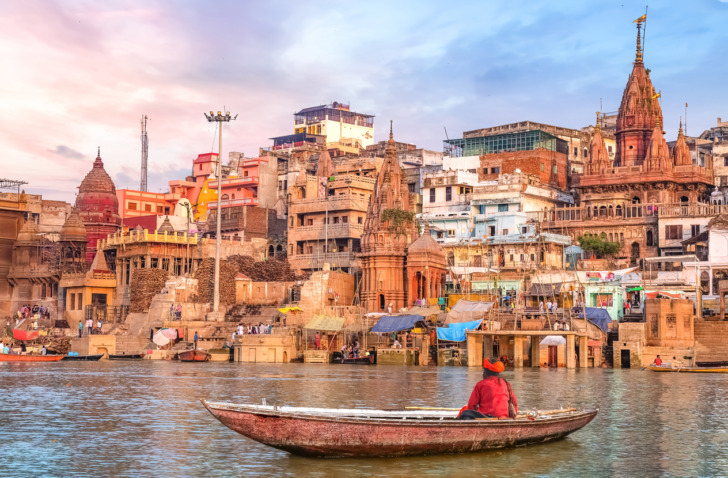
Varanasi é uma das cidades mais antigas e sagradas da Índia, situada às margens do rio Ganges no estado norte de Uttar Pradesh.
É um lugar de templos, ghats, rituais de cremação, ruas estreitas, passeios de barco ao nascer do sol, cantos, lojas de seda, vacas no trânsito, incenso, caos, devoção e uma sobrecarga sensorial em todas as direções.
Para muitos viajantes, Varanasi é uma das paradas mais poderosas na Índia.
Também pode ser um dos lugares mais desafiadores. A segurança aqui está menos relacionada a crimes violentos e mais a multidões, golpes, saneamento, trânsito, vendedores agressivos, segurança no rio, doenças por comida e água, calor e intensidade emocional em torno dos rituais religiosos.
Varanasi vale absolutamente a pena visitar, mas não é um destino casual de “aparecer e descobrir”.
É mais seguro com paciência, modéstia e um bom plano.
Avisos e Perigos: Varanasi

RISCO GERAL: MÉDIO
Varanasi é um destino de risco médio para viajantes. A maioria dos visitantes não está exposta a crimes graves, mas a cidade pode ser avassaladora e fisicamente exigente. As principais preocupações são golpes, batedores de carteira, trânsito, segurança alimentar e da água, ghats lotados, cambistas agressivos, calor e saneamento precário em algumas áreas.

RISCOS EM TRANSPORTES E TAXIS: MÉDIO
O transporte em Varanasi pode ser caótico. Auto-rickshaws, riquixás de bicicleta, táxis, e-riquixás, barcos e motoristas particulares são comuns, mas o tráfego é intenso, e os preços devem ser combinados com antecedência. As ruas próximas à cidade antiga podem ser estreitas demais para carros. Use transporte confiável, confirme as tarifas e evite correr no trânsito.

RISCOS DE ABATIMENTO DE CARTEIRA: MÉDIO
O furto pode acontecer em ghats lotados, mercados, áreas de templos, estações de trem, pontos de ônibus e ruas estreitas. O risco aumenta durante festivais, aarti noturna e horários movimentados à beira do rio. Mantenha telefones, carteiras e bolsas seguros. Evite carregar passaportes, grandes quantias em dinheiro ou objetos de valor chamativos enquanto explora a cidade antiga.

RISCOS DE DESASTRES NATURAIS: MÉDIO
Varanasi tem um risco natural médio devido ao calor extremo, chuvas de monção, inundações, poluição do ar, baixa visibilidade e condições do rio. O Ganges pode subir durante a temporada de monções, afetando os ghats e os passeios de barco. A exaustão pelo calor é uma preocupação séria nos meses quentes, especialmente ao caminhar por ruas lotadas ou esperar fora dos templos.

RISCO DE ASSALTO: BAIXO
O assalto não é o risco mais comum em Varanasi, especialmente nas principais áreas turísticas e de peregrinação durante o dia. Ainda assim, evite becos isolados, áreas escuras à beira do rio, ruas tranquilas e arredores da estação de trem tarde da noite. Pequenos furtos e golpes são mais prováveis do que roubos violentos.

RISCO DE TERRORISMO: MÉDIO
Varanasi tem importância religiosa e simbólica, portanto o risco de terrorismo não é zero. Dito isso, os viajantes do dia a dia têm muito mais probabilidade de lidar com multidões, trânsito, golpes ou problemas de saúde. Use atenção normal em torno de templos, festivais, estações de trem, encontros religiosos e locais públicos lotados.

RISCO DE GOLPES: ALTO
Golpes são um dos maiores riscos de viagem em Varanasi. Problemas comuns incluem guias falsos, passeios de barco com preços abusivos, pressão para doações, comissões em lojas de seda, doações falsas de madeira para funerais, tarifas inflacionadas de riquixás e ofertas de "cerimônias especiais". Confirme os preços antecipadamente, use guias confiáveis e tenha cautela com qualquer pessoa que se aproxime com entusiasmo excessivo.

RISCOS PARA VIAJANTES MULHERES: MÉDIO
As mulheres podem viajar com segurança em Varanasi, incluindo viajantes solo, mas é importante ter cautela extra. Vista-se modestamente, evite andar sozinha tarde da noite, use transporte confiável e fique em acomodações bem avaliadas próximas a áreas turísticas mais seguras. Olhares fixos, atenção indesejada e abordagens insistentes podem acontecer, especialmente em locais lotados ou dominados por homens.

RISCO REFERENTE À ÁGUA DA TORNEIRA: ALTO
Não beba água da torneira em Varanasi. Use água engarrafada selada ou água devidamente filtrada para beber e escovar os dentes. Evite gelo a menos que confie na fonte. Tenha cuidado com alimentos crus, frutas cortadas, bebidas de rua e alimentos de lugares com higiene precária. Doenças estomacais são um dos problemas mais comuns entre os viajantes aqui.
Lugares mais Seguros para Visitar: Varanasi
Dashashwamedh Ghat
Dashashwamedh Ghat é um dos ghats mais movimentados e importantes em Varanasi, especialmente durante a Ganga Aarti à noite.
Geralmente é seguro porque é lotado e muito visitado, mas essa aglomeração também cria riscos.
Cuide de seus pertences, evite aceitar serviços de guia não solicitados e chegue cedo se for assistir à cerimônia.
Este é um dos melhores lugares para vivenciar Varanasi, mas requer paciência e atenção.
Assi Ghat
Assi Ghat é um dos ghats mais calmos e amigáveis para os viajantes.
Possui cafés, pousadas, centros de yoga, opções de barcos e uma atmosfera mais relaxada do que os ghats centrais mais lotados.
É uma boa base para muitos visitantes, especialmente aqueles que querem acesso ao rio sem ficar na parte mais intensa da cidade antiga.
É mais seguro durante o dia e início da noite.
Sarnath
Sarnath, localizado fora do centro de Varanasi, é um dos lugares mais seguros e tranquilos para visitar na região.
É onde se diz que o Buda fez seu primeiro sermão, e possui ruínas arqueológicas, mosteiros, jardins e museus.
A área é mais calma do que a cidade antiga e mais fácil de explorar com um motorista ou tour organizado.
Área da Universidade Hindu de Banaras
A área da Universidade Hindu de Banaras é mais ampla, verde e menos apertada do que a cidade antiga.
Geralmente é segura durante o dia e pode ser um bom lugar para visitantes que querem uma pausa das vielas e ghats densos.
A área do campus e as atrações próximas são mais fáceis de navegar, embora ainda seja necessário transporte.
Forte Ramnagar
O Forte Ramnagar fica do outro lado do rio em relação à cidade principal e é uma visita segura durante o dia quando se chega com transporte confiável.
Oferece vistas, história e uma perspectiva diferente de Varanasi.
A área é mais tranquila do que os ghats principais.
Vá durante o dia, confirme seu transporte de volta e evite andar por áreas desconhecidas após escurecer.
Lugares a Evitar: Varanasi
Becos Escuros Tarde da Noite
A cidade antiga de Varanasi está cheia de vielas estreitas que podem parecer mágicas durante o dia, mas confusas e desconfortáveis tarde da noite.
Evite andar sozinho por becos escuros depois que restaurantes e lojas fecharem.
As ruas podem estar mal iluminadas, cheias de animais, com o chão irregular e difíceis de navegar.
Áreas à Beira do Rio Após a Meia-Noite
Os ghats são fascinantes, mas trechos vazios tarde da noite não são ideais para turistas.
Os riscos incluem roubo, assédio, iluminação precária, cães vadios, degraus irregulares e o próprio rio.
Se quiser experimentar os ghats à noite, fique perto de áreas ativas e retorne à sua acomodação com transporte confiável ou por uma rota conhecida.
Operadores de Barcos Não Oficiais
Passeios de barco no Ganges são uma experiência importante em Varanasi, mas evite operadores de barco vagos ou insistentes.
Alguns podem cobrar demais, encurtar o passeio, mudar a rota ou pressionar por dinheiro extra.
Reserve através do seu hotel, um operador confiável, ou combine claramente o preço, duração, rota e número de passageiros antes de embarcar.
Áreas de Festivais Lotadas Sem Planejamento
Festivais em Varanasi podem ser inesquecíveis, mas as multidões podem se tornar intensas.
Grandes encontros religiosos, procissões e cerimônias importantes podem criar riscos de batedores de carteira, separação de acompanhantes, exaustão pelo calor e esmagamento pela multidão.
Se for participar de um evento importante, vá com um guia local ou planeje sua rota de saída.
Arredores da Estação de Trem Tarde da Noite
As áreas da estação de trem de Varanasi podem ser movimentadas, confusas e cheias de cambistas, motoristas e pessoas oferecendo ajuda.
Elas não são automaticamente perigosas, mas chegadas tarde da noite podem ser estressantes.
Combine o transporte com antecedência se chegar após o anoitecer e evite aceitar ofertas de transporte aleatórias sem confirmar a tarifa.
Dicas de Segurança para Viajar para: Varanasi
- Fique em uma área bem avaliada. A localização da sua acomodação é muito importante em Varanasi. Visitantes de primeira viagem geralmente se dão bem perto do Assi Ghat, em partes mais seguras da orla do rio, ou em hotéis renomados com fácil acesso ao transporte. Ficar no interior da cidade antiga pode ser atmosférico, mas difícil com bagagem, confuso à noite e barulhento. Verifique cuidadosamente as avaliações recentes antes de reservar.
- Use guias confiáveis. Varanasi é muito mais fácil com um bom guia, especialmente se você quiser entender rituais, templos, ghats de cremação, história e etiqueta local. Use guias organizados por hotéis renomados, empresas de turismo estabelecidas ou recomendações fortes. Evite pessoas aleatórias que se aproximam de você perto dos ghats e afirmam ser guias oficiais.
- Tenha cuidado com a etiqueta nos ghats de cremação. Manikarnika Ghat e Harishchandra Ghat são locais ativos de cremação, não apresentações turísticas. Fotografar é inadequado e pode causar conflito. Seja respeitoso, mantenha distância, evite olhar fixamente e não aceite pressão emocional para doações de estranhos. Se for visitar, vá com um guia responsável que entenda os costumes e limites.
- Confirme todo preço antes de concordar. Isso se aplica a riquixás, barcos, guias, lojas de seda, cerimônias, serviços de rua e passeios. Varanasi tem muitas pessoas honestas, mas preços vagos frequentemente levam a discussões ou custos inflacionados. Confirme o valor, a moeda, a duração e o que está incluído. Se alguém evitar dar um preço claro, afaste-se.
- Evite beber água da torneira. A segurança da água é um grande problema em Varanasi. Beba apenas água engarrafada lacrada ou água devidamente filtrada. Verifique se os lacres das garrafas estão intactos. Use água engarrafada para escovar os dentes se você tiver estômago sensível. Evite gelo, frutas cortadas sem casca e bebidas de rua, a menos que tenha confiança na higiene.
- Cuide das suas escolhas alimentares. Varanasi tem comida excelente, mas escolha com cuidado. Coma em lugares movimentados com alta rotatividade, evite alimentos que ficaram expostos por muito tempo e seja cauteloso com saladas cruas ou chutneys se a higiene parecer duvidosa. Comida de rua pode ser ótima, mas comece devagar. Seu estômago pode não compartilhar seu espírito aventureiro.
- Vista-se modestamente. Varanasi é uma cidade profundamente religiosa. Roupas modestas ajudam a mostrar respeito e reduzem atenções indesejadas. Cubra ombros e joelhos, especialmente perto de templos, ghats e bairros locais. Roupas leves e soltas são melhores porque o clima pode ser quente e úmido. Tire os sapatos onde for exigido e siga as regras dos templos.
- Proteja seu telefone e carteira em multidões. Os ghats, mercados, templos e a aarti noturna podem estar muito cheios. Mantenha bolsas fechadas e próximas ao corpo. Não guarde sua carteira no bolso de trás nem balance seu telefone descuidadamente. Se estiver tirando fotos, pare em um local seguro em vez de andar distraído.
- Não nade no Ganges. Embora o Ganges seja sagrado, não é um rio seguro para a maioria dos viajantes nadar. A qualidade da água, correntes, tráfego de barcos, degraus submersos e detritos podem criar riscos de saúde ou segurança. Participe respeitosamente dos ghats ou por meio de um passeio de barco, mas evite entrar na água.
- Dê a si mesmo espaço emocional. Varanasi pode ser intenso. As multidões, pobreza, rituais, ghats de cremação, barulho, cheiros, animais e atmosfera espiritual podem sobrecarregar até viajantes experientes. Não sobrecarregue sua agenda. Faça pausas em cafés, no seu hotel, em ghats mais tranquilos ou em Sarnath. Mover-se devagar não é apenas mais agradável aqui. É mais seguro.
Então ... Varanasi é realmente segura?
Varanasi é segura o suficiente para viajantes preparados, mas não é uma das cidades mais fáceis da Índia.
É lotada, antiga, espiritual, caótica e emocionalmente pesada.
A maioria dos visitantes não está em alto risco de crimes violentos, mas está em risco real de golpes, doenças estomacais, estresse no transporte, furtos, exaustão pelo calor e sensação de sobrecarga.
Os visitantes mais seguros tratam Varanasi com respeito.
Isso significa usar guias confiáveis, evitar água da torneira, vestir-se modestamente, proteger objetos de valor, confirmar preços e entender que os espaços religiosos são partes ativas da vida local.
A cidade pode ser profundamente comovente, mas não é um museu polido.
Ela é viva, bagunçada, sagrada e intensa.
Eu classificaria Varanasi como de risco médio no geral.
Não é um destino a ser evitado, mas é um destino a ser abordado com cuidado.
Fique em uma boa área, mantenha seus planos simples, evite andar tarde da noite, use transporte confiável e seja cauteloso com golpes na orla do rio.
Faça isso, e Varanasi pode ser uma das experiências de viagem mais inesquecíveis na Índia.
Varanasi em Comparação a:
| Cidade | Índice de Segurança |
|---|---|
| Varanasi |
58 |
| Jaipur |
53 |
| Kerala |
74 |
| Calcutá |
48 |
| Calcutá |
49 |
| Ahmedabad |
67 |
| Pune |
74 |
 Bettendorf Bettendorf | 87 |
| Springhill | 80 |
 Graz Graz | 89 |
 Punta Arenas Punta Arenas | 77 |
 Island Harbour Island Harbour | 86 |
 Gyumri Gyumri | 87 |
Informação Útil

Vistos
Varanasi fica na Índia. Muitos viajantes precisam de um eVisa ou visto regular antes da chegada, dependendo da nacionalidade e do propósito da viagem. As regras de visto podem variar, então verifique os requisitos antes de reservar. Certifique-se de que seu passaporte está válido e mantenha os detalhes da acomodação, informações da viagem de retorno e cópias de documentos importantes disponíveis.

Moeda
Varanasi usa a rúpia indiana. Dinheiro em espécie é importante para riquixás, pequenas lojas, comida local, gorjetas, barcos, mercados e compras na área dos templos. Cartões são aceitos em hotéis maiores e alguns restaurantes, mas não em todos os lugares. Carregue notas menores e evite mostrar grandes quantias de dinheiro em público.

Clima
Varanasi tem verões muito quentes, uma estação de monções e meses de inverno mais frescos. A melhor época para muitos visitantes é do final do outono até o início da primavera, quando as temperaturas são mais amenas. O verão pode ser brutalmente quente, e as chuvas da monção podem afetar os níveis dos rios e as condições das ruas. Leve roupas leves e modestas, protetor solar e sapatos confortáveis.

Aeroportos
Varanasi é atendida pelo Aeroporto Internacional Lal Bahadur Shastri, localizado fora do centro da cidade. Táxis, transfers privados e pickups de hotéis são formas comuns de chegar à cidade. Organize o transporte com antecedência se chegar tarde. Varanasi também é um importante destino ferroviário, mas as estações de trem podem ser lotadas e confusas.

Seguro de Viagens
O seguro de viagem é fortemente recomendado para Varanasi. Uma boa cobertura deve incluir cuidados médicos, cancelamentos, roubo, bagagem perdida, atrasos, doenças causadas por alimentos ou água, acidentes rodoviários e assistência de emergência. Se sua viagem à Índia incluir várias cidades, viagens de trem ou longas jornadas rodoviárias, uma cobertura abrangente é especialmente útil.
Varanasi Média Climática (Temperatura)
Temperatura Média Alta/Baixa
| Temperatura / Mês | Jan | Fev | Mar | Abr | Maio | Jun | Jul | Ago | Set | Out | Nov | Dez |
|---|---|---|---|---|---|---|---|---|---|---|---|---|
| Alta °C |
23 | 30 | 36 | 39 | 41 | 42 | 36 | 35 | 34 | 34 | 31 | 24 |
| Baixa °C |
7 | 12 | 17 | 22 | 24 | 27 | 25 | 25 | 25 | 18 | 13 | 6 |
| Alta °F |
73 | 86 | 97 | 102 | 106 | 108 | 97 | 95 | 93 | 93 | 88 | 75 |
| Baixa °F |
45 | 54 | 63 | 72 | 75 | 81 | 77 | 77 | 77 | 64 | 55 | 43 |
Índia - Segurança por Cidade
| Cidade | Índice de Segurança |
|---|---|
| Agra | 50 |
| Ahmedabad | 67 |
| Bangalore | 60 |
| Calcutá | 48 |
| Calcutá | 49 |
| Chandigarh | 77 |
| Chennai | 50 |
| Deli | 50 |
| Goa | 66 |
| Gurgaon | 71 |
| Hyderabad | 60 |
| Jaipur | 53 |
| Kerala | 74 |
| Kochi | 70 |
| Mangalore | 75 |
| Mumbai | 55 |
| Navi Mumbai | 80 |
| Noida | 71 |
| Pune | 74 |
| Surat | 80 |
| Thiruvananthapuram | 71 |
| Udaipur | 72 |
| Vadodara | 71 |
| Varanasi | 58 |