


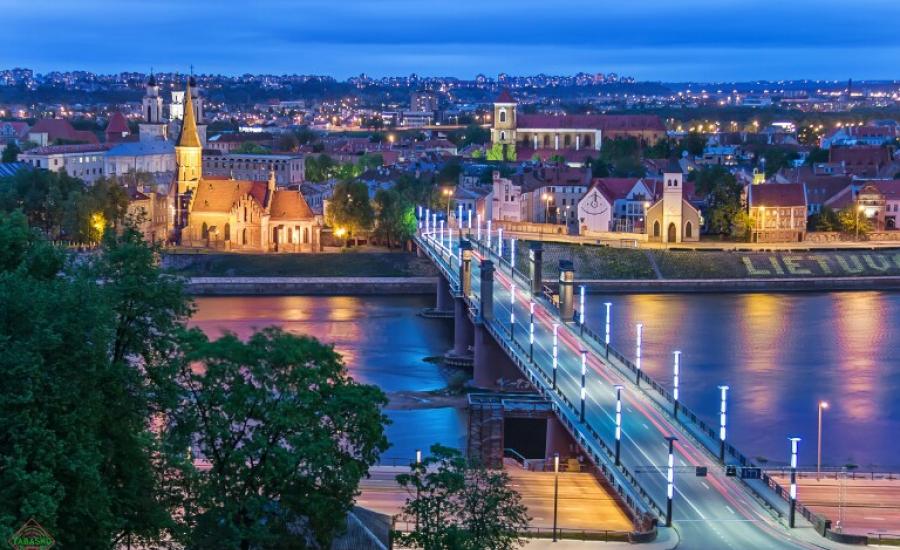
Kaunas sits in central Lithuania at the meeting point of the Nemunas and Neris rivers, and that geography gives the city a dramatic, layered look that feels different from many other Baltic destinations.
It is Lithuania’s second largest city, but it often feels calmer and more manageable than a capital, which is part of its charm.
You get grand interwar architecture, a handsome Old Town, leafy avenues, university energy, and a strong local identity without the nonstop rush of a major metropolis.
I find Kaunas appealing because it balances beauty and practicality.
It is large enough to keep you interested for several days, yet compact enough that you rarely feel overwhelmed.
For travelers who like walkable cities, café culture, museums, and a destination that still feels a little less overrun than Europe’s biggest stars, Kaunas is an easy place to enjoy.
Warnings & Dangers in Kaunas

OVERALL RISK: LOW
Kaunas is generally a low risk destination for tourists. Most visits are trouble free, and the city feels orderly, walkable, and relatively relaxed. The biggest issues are usually petty theft, late night drunken behavior, and the occasional scam rather than serious violent crime aimed at visitors.

TRANSPORT & TAXIS RISK: LOW
Public transport in Kaunas is affordable and straightforward, and most travelers get around without problems. The main risks are the usual urban ones: keeping an eye on your bag on buses, using only clearly marked taxis or ride apps, and staying alert around stations late at night when crowds thin out.

PICKPOCKETS RISK: MEDIUM
Pickpocketing is not the defining feature of Kaunas, but it is the most realistic crime a tourist might encounter. Crowded buses, the station area, busy shopping streets, markets, festivals, and café terraces are the places where distracted visitors are easiest targets. Basic awareness lowers the risk dramatically.

NATURAL DISASTERS RISK: LOW
Kaunas has a low natural disaster risk compared with many global destinations. You are not dealing with earthquakes, major hurricanes, or volcanic activity. The more practical weather related concerns are winter ice, slippery sidewalks, occasional heavy snow, and summer thunderstorms that can briefly disrupt outdoor sightseeing.

MUGGING RISK: LOW
Mugging risk in Kaunas is relatively low, especially in central areas during normal daytime and evening hours. That said, isolated underpasses, poorly lit side streets, and rougher pockets near transport hubs can feel less comfortable late at night. Solo travelers should use common sense after dark and avoid wandering while intoxicated.

TERRORISM RISK: LOW
Kaunas has a low terrorism risk in everyday travel terms. Lithuania, like other European countries, cannot entirely rule out broader regional threats, but Kaunas is not generally considered a city where tourists face a high day to day terrorism concern. Usual awareness in crowded public spaces is enough.

SCAMS RISK: LOW
Scams do happen, but Kaunas is not especially notorious for them. Tourists are more likely to face mild overcharging, fake friendliness around nightlife, or a bad taxi choice than elaborate street fraud. Most scams target distracted or intoxicated visitors, especially those who let their guard down late at night.

WOMEN TRAVELERS RISK: LOW
Kaunas is usually comfortable for women travelers, including solo visitors. Central areas, restaurants, and attractions tend to feel safe and normal rather than intimidating. The same advice applies as in any city: avoid deserted areas late at night, watch drinks in bars, and use trusted transport when returning to your hotel.

TAP WATER RISK: LOW
Tap water in Kaunas is generally safe to drink. Lithuania is known for good quality groundwater, and travelers do not usually need to rely on bottled water for safety reasons. Unless a property specifically advises otherwise, filling a reusable bottle from the tap is normally perfectly fine.
Safest Places to Visit in Kaunas
Old Town
Kaunas Old Town is one of the safest and easiest places for visitors to spend time.
The area around Town Hall Square, Vilniaus Street, and the historic churches is pedestrian friendly, lively without feeling chaotic, and usually full of other people.
That combination matters because places with steady foot traffic tend to feel more comfortable, especially for first time visitors.
Laisvės Alėja and New Town
Laisvės Alėja, the city’s famous pedestrian boulevard, is another excellent base.
It has shops, cafés, hotels, and a steady rhythm of local life that makes it feel approachable.
The surrounding New Town area is also a good place to stay if you want convenience and broad, well used streets.
I like this part of Kaunas for travelers who want to explore on foot without overthinking every route.
Žaliakalnis
Žaliakalnis is worth mentioning because it combines sightseeing value with a quieter residential atmosphere.
The funicular, hillside views, and interwar architecture make it interesting, while the neighborhood itself feels more local and relaxed than tourist heavy.
It is a good choice for daytime walks when you want a break from the busier central core.
Santaka Park and Castle Area
The parkland near the confluence of the rivers and the Kaunas Castle area is especially pleasant in daylight and early evening.
Families, walkers, and cyclists help keep the area feeling active.
It is scenic rather than edgy, which is exactly what most travelers want from an urban green space.
Places to Avoid in Kaunas
Central Station Area Late at Night
The area around the bus and railway stations deserves extra caution after dark.
During the day it is mostly functional and unremarkable, but late at night transport zones everywhere tend to attract loitering, intoxicated people, and opportunistic theft.
It is not a no go zone, but it is not the place to wander aimlessly with luggage or a phone in your hand.
Poorly Lit Underpasses and Empty Side Streets
Kaunas has parts that feel polished and postcard ready, but it also has the occasional underpass, back street, or empty corridor that feels stark once foot traffic disappears.
These are the kinds of places I would avoid simply because they are unnecessary.
Travelers usually get into trouble not by entering a famously dangerous district, but by taking a shortcut through a place with no one around.
Outer Residential or Industrial Edges at Night
Some outer sections of districts such as Vilijampolė or Šančiai can feel less comfortable late at night, especially if you do not know the city well.
That does not mean the whole districts are unsafe, because people live normal lives there every day.
It means tourists have little reason to drift into quieter industrial fringes or poorly lit residential stretches after midnight.
Bar Hopping Without a Plan
This is less about one neighborhood and more about behavior.
The risk in Kaunas rises when travelers drink heavily, lose track of where they are, or accept invitations from strangers too quickly.
If a street or venue feels off, trust that instinct and move on.
Safety Tips for Traveling to Kaunas
- Stay alert around stations and on public transport. Kaunas public transport is useful and usually safe, but buses and station areas are where distracted travelers are easiest targets. Keep your bag zipped, wear it in front of you in crowded spaces, and avoid putting your phone or wallet in an open coat pocket.
- Use ride apps or official taxis at night. Most transport problems are easy to avoid if you choose reputable options. If you are tired, carrying luggage, or going back late, book through a known app or ask your hotel to call a taxi rather than hopping into the first car that stops.
- Do not flash valuables in busy places. Expensive cameras, cash, jewelry, and phones left on café tables can turn a low risk city into a more tempting one for opportunists. Kaunas is not a place where you need to be paranoid, but it rewards travelers who look organized rather than careless.
- Be extra careful if you are out drinking. Nightlife lowers judgment fast. Watch your drink, do not leave with strangers too quickly, and know how you are getting home before the evening gets messy. Many urban travel problems start not with the city itself, but with travelers losing their routine and awareness.
- Dress for the season, especially in winter. One overlooked safety issue in Kaunas is weather. In winter, ice and snow can make sidewalks slippery, and cold air becomes a real concern if you are underdressed. Good boots, layers, and a proper coat matter more here than many visitors expect.
- Keep to well used central areas after dark. Old Town, New Town, and the main central streets are the easiest places to navigate confidently in the evening. If Google Maps offers a dark shortcut through empty side streets, skip it. Saving five minutes is rarely worth the uncertainty.
- Carry a backup payment method. Card payments are common, but a backup bank card or a small amount of cash is smart in case of technical issues. The best travel habit is not carrying huge amounts of cash, but also not relying on one single way to pay.
- Book accommodation in a central, reviewed area. A well located hotel or apartment improves both safety and convenience. You will spend less time navigating unfamiliar outskirts, and it becomes much easier to return on foot or by short taxi ride after dinner or evening sightseeing.
- Watch for minor scams, not dramatic crime. In Kaunas, you are much more likely to deal with a small overcharge or a shady nightlife moment than something cinematic. Read prices before ordering, confirm transport, and be skeptical of overly friendly strangers with a sudden invitation.
- Trust your instincts and simplify. If a place, person, or situation feels wrong, you do not need hard evidence to leave. The safest travelers are often the least stubborn ones. Move to a brighter street, choose a different venue, or call transport and reset the situation.
So... How Safe Is Kaunas Really?
Kaunas is one of those cities where the overall safety picture is better than many first time visitors expect.
Lithuania is generally considered a country where travelers can move around with normal precautions rather than heavy anxiety, and Kaunas fits that pattern.
In practical terms, the city’s safety profile is shaped much more by petty theft and occasional nighttime nuisances than by serious threats to tourists.
That is important because it helps set the right mindset.
You do not need to approach Kaunas as a place full of danger, but you also should not treat it as a city where nothing can go wrong.
The sweet spot is ordinary urban caution.
Stay aware in crowds, be selective with nightlife, do not wander into empty areas after midnight, and keep your valuables under control.
What I like about Kaunas from a traveler’s point of view is that it feels manageable.
The central sightseeing zones are pleasant, the city is not overwhelming in scale, and many of the most interesting places are in areas where you can walk comfortably during the day.
For most tourists, Kaunas lands firmly in the low risk category.
If you travel the way you would in any sensible European city, chances are very good that your trip will be smooth, enjoyable, and uneventful in the best possible way.
How Does Kaunas Compare?
| City | Safety Index |
|---|---|
 Kaunas Kaunas |
82 |
| Vilnius |
70 |
 Glen Arbor Glen Arbor | 76 |
 Thessaloniki Thessaloniki | 63 |
| Clemson | 76 |
| Lorain | 67 |
| Flagstaff | 92 |
| Texas | 65 |
Useful Information

Visas
Lithuania is part of the Schengen Area. Many travelers, including U.S. visitors, can enter visa free for up to 90 days within a 180 day period for tourism. Travelers from countries that require a Schengen visa should apply before arrival and check passport validity rules well in advance.

Currency
Kaunas uses the euro. Cards are widely accepted in hotels, restaurants, and shops, so you usually do not need much cash. For the best exchange value, withdraw from a bank ATM or use a reputable exchange office rather than changing money in airports or tourist convenience spots.

Weather
Kaunas has four distinct seasons. Summers are generally mild to warm, while winters can be cold, icy, and snowy. Spring and autumn can be rainy and changeable. Pack layers year round, and in winter bring a serious coat, gloves, and shoes with good grip for slippery streets.

Airports
The main gateway is Kaunas Airport, located outside the city in Karmėlava. It is connected to the center by public bus, taxi, and ride services. Some travelers also arrive through Vilnius and continue onward by road or rail, especially if combining multiple Lithuanian stops in one trip.

Travel Insurance
Travel insurance is a smart idea for Kaunas, even though the city is relatively safe. Good coverage can help with medical issues, lost luggage, delays, theft, and trip interruptions. A low risk destination can still produce expensive travel problems, and insurance is the easiest way to soften that blow.
Kaunas Weather Averages (Temperatures)
Average High/Low Temperature
| Temperature / Month | Jan | Feb | Mar | Apr | May | Jun | Jul | Aug | Sep | Oct | Nov | Dec |
|---|---|---|---|---|---|---|---|---|---|---|---|---|
| High °C |
-1 | 0 | 5 | 12 | 18 | 22 | 23 | 22 | 17 | 10 | 4 | -1 |
| Low °C |
-5 | -6 | -2 | 2 | 7 | 11 | 13 | 12 | 8 | 3 | 0 | -5 |
| High °F |
30 | 32 | 41 | 54 | 64 | 72 | 73 | 72 | 63 | 50 | 39 | 30 |
| Low °F |
23 | 21 | 28 | 36 | 45 | 52 | 55 | 54 | 46 | 37 | 32 | 23 |
Lithuania - Safety by City
| City | Safety Index |
|---|---|
| Kaunas | 82 |
| Vilnius | 70 |
















Rarely seen review subject
Thanks for the thorough review of Kaunas when it comes to safety tips. I read a good amount of travel blogs but it’s rare to see someone discuss one of the most important aspects of travel-your personal safety! When you mention travel insurance, are you referring to medical insurance that covers any doctor or hospital visits should you get ill?
Kaunas looks beautiful. Lithuania is another Baltic beauty I’d love to visit if I had the time. It looks safe too based on your review. Thanks for adding an extra feature to the many travel blogs that are out there i.e. safety.
I can’t believe how many cool things are packed into Kaunas, especially that quirky pharmacy museum with all those old skulls!
What was your favorite part of exploring the Old Town? It’s so full of character, especially with all the history around every corner.
So the Jazz festival is the big draw, but after standing in the rain on Laisvės alėja for an hour I mostly remember cold socks and a tiny accordion that refused to stop playing.
Walking the riverfront at sunset with a cheap coffee in hand made the city feel cozy and somehow bigger than it looks on a map.
Spent a sunny afternoon here and loved how chill it felt wandering those leafy streets without the usual city rush.
Have you found any favorite spots along the rivers where the view really captures that calm vibe without feeling like you’re stuck in a busy city?
Did you find any particular café around the river where you could just sit and watch the city go by without feeling rushed?