


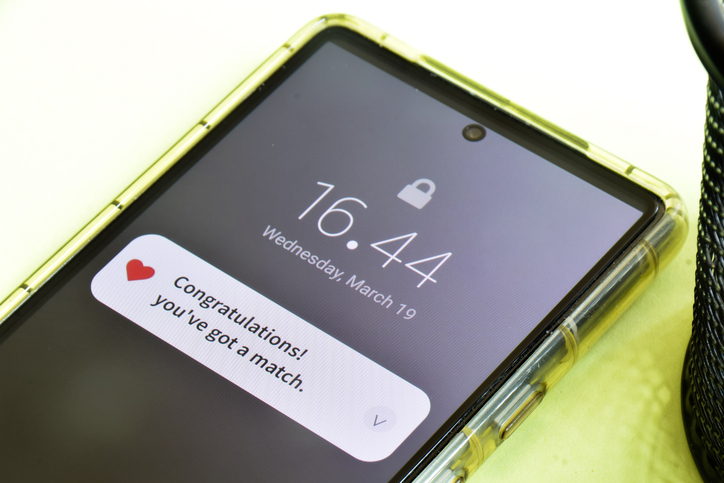
You land in Lisbon at 9 PM, drop your bags at the hostel, and wonder what to do with the evening.
The local bars are unfamiliar, you know nobody, and your Portuguese extends to ordering coffee.
This is where your phone becomes useful in ways beyond maps and translation.
Dating apps let you connect with locals and fellow travelers before you even clear customs, turning a solo trip into something with more possibilities.
Over 350 million people use dating apps worldwide, according to Business of Apps.
Many of them are doing exactly what you might do: swiping through profiles in foreign cities, looking for company over dinner or someone to show them around.
The apps have caught on to this behavior and built features specifically for travelers, making it easier to plan connections ahead of your arrival.
How Location Features Work
Tinder and Bumble both offer ways to change your location before you travel.
On Tinder, this feature is called Passport.
You access it through your settings by tapping your profile icon, opening the Settings tab, and scrolling to the location.
From there, you add a new city.
According to Tinder’s press room, you can only appear in one city at a time, but you can switch locations as often as you want.
Bumble calls its version Travel Mode.
Premium and Premium+ members can turn it on through the Settings cog in the top right of their profile.
The feature stays active for seven days, though you can extend it longer.
This lets you start conversations with people in Tokyo while still sitting in Toronto, so you have plans waiting when you arrive.
These features sit behind paywalls.
Tinder’s Passport requires a subscription tier of Plus, Gold, or Platinum.
Android Authority reports Tinder Plus costs $24.99 per month, Tinder Gold costs $39.99, and Platinum costs $49.99.
Bumble’s pricing varies, with traditional monthly subscriptions at $29.99 according to DatingApps.com.
The apps use dynamic pricing, so your cost may differ.
Different Relationship Goals on the Road
Travel opens doors to meeting people you would never encounter at home.
Some want casual dates, others hope for something longer, and some look to find a sugar daddy while on vacation.
Dating apps let you filter for what you want before you land, so you spend less time explaining your intentions and more time connecting with people who share them.
Being upfront about what you want matters more abroad because time is limited.
A week in Barcelona or two nights in Tokyo leaves little room for mismatched expectations.
Setting your preferences and reading bios carefully helps you find someone whose goals align with yours, saving both of you from awkward conversations later.
Verification and Knowing Who You’re Meeting
Meeting strangers in unfamiliar places carries risks.
Both major apps have added verification features to address this.
Tinder rolled out Face Check, which requires facial verification during sign-up for new users in seven countries and California.
According to Tinder, early results showed over a 60% decrease in exposure to potential bad actors.
Bumble now lets users submit a government-issued ID to verify their identity.
TechCrunch reports this feature is available in the U.S., U.K., Australia, Canada, France, India, Ireland, Spain, Germany, Mexico, and New Zealand.
You can filter matches to show only verified profiles and ask your matches to complete verification before meeting.
Look for verification badges when swiping. Rory Kozoll, SVP of Product Integrity at Tinder, noted that for members aged 18 to 25, being Photo Verified gives them a 10% higher chance to match.
Verification helps everyone, but it helps you most when you’re in an unfamiliar city with no local contacts.
Meeting Safely in a New Place
Bumble’s official travel guide recommends using Video Chat or Voice Call features before meeting in person.
This lets you confirm that the person matches their photos and helps identify anything lost in translation across languages and cultures.
About 40% of dating app users have tried video dates, according to industry research from 2024.
Both apps now include date-sharing features. Bumble’s Share Date lets you send the name of your match, the time, and the location to someone you trust.
Tinder launched a similar Share My Date feature in April 2024. Use these.
Tell a friend back home where you’re going, even if it feels unnecessary.
Meet in public for the first time.
This advice applies everywhere, but it matters more abroad, where you might not know which neighborhoods feel safe at night or how far your hotel is from the meeting spot.
Pick a busy café or restaurant.
Save the romantic walk along the river for a second meeting.
Dating Culture Changes by Country
Bumble’s official blog points out that dating norms look different depending on where you are.
In Serbia, splitting the check shows respect and equity, and not offering can seem rude.
What feels polite in Chicago might read as unusual in Copenhagen.
Doing a bit of research goes a long way.
Look up local customs around public affection, who pays for meals, and typical first-date activities.
In some places, dinner carries heavier implications.
In others, meeting for coffee is the standard low-commitment opener.
Matching local expectations shows respect and makes dates more comfortable.
Language barriers exist even when both people speak English.
Humor translates poorly, sarcasm can feel rude, and cultural references often fall flat.
Keep messages straightforward.
Ask questions rather than making assumptions about what your match means.
Safety for LGBTQ+ Travelers
This section matters.
The U.S. State Department notes that more than 60 countries consider consensual same-sex relations a crime.
In Iran, Saudi Arabia, and Yemen, same-sex acts can result in physical punishment, including death.
Recent changes have moved in both directions.
Thailand legalized same-sex marriage in January 2025, becoming the first Southeast Asian nation to do so, according to Riskline’s 2025 LGBTQ+ risk map.
The same report notes that Trinidad and Tobago re-criminalized consensual same-sex acts in March 2025, while Mali’s 2024 penal code allows prosecution of those considered pro-homosexual.
The Gay Travel Index 2024 from Statista ranks Malta, Spain, Canada, New Zealand, and Portugal among the safest places for LGBTQ+ travelers.
Spain and Canada also topped an ITB Berlin survey, where all respondents reported respectful treatment of queer visitors.
Grindr alerts users when they enter countries where being LGBTQ+ may pose a serious risk.
Context by TRF reports that LGBTQ+ users in countries such as Egypt and Nigeria face heightened risks of surveillance and entrapment through dating apps.
If you’re traveling to a destination with anti-LBGTQ+ laws, consider turning off location services entirely.
Your safety comes before any potential date.
Practical Setup Before You Leave
Update your bio to mention that you’re traveling.
Lines like “visiting for two weeks” or “here through the 15th” quickly set expectations.
Locals appreciate transparency, and other travelers may have timelines that align with yours.
Turn on your location feature two to three days before arrival.
This gives conversations time to develop naturally rather than rushing to make plans on the night you land, tired and disoriented.
Download dating apps before leaving home.
Some countries restrict access to certain platforms, and downloading while abroad can be difficult.
Check local restrictions in advance and consider a VPN if needed.
Your profile photos should clearly show your face.
Verification tools rely on matching real-world appearance, and people meeting strangers abroad want to recognize who they’re looking for.
Save artistic silhouette shots for social media.
Conclusion
Dating apps can be a helpful tool while traveling when used thoughtfully.
By setting clear expectations, understanding local culture, and prioritizing safety, meeting people abroad becomes more comfortable and rewarding.
A bit of preparation before you leave can turn unfamiliar places into settings where genuine connections feel possible.

















I wasn’t sure about using a dating app in Lisbon but setting my location a few days ahead actually made it way less awkward to meet up after I landed.
I tried setting my location to Lisbon a few days before I landed and ended up meeting someone who actually knew the coolest tiny cafés I never would’ve found on my own.