


 Indonesia : Safety by City
Indonesia - safety as a country
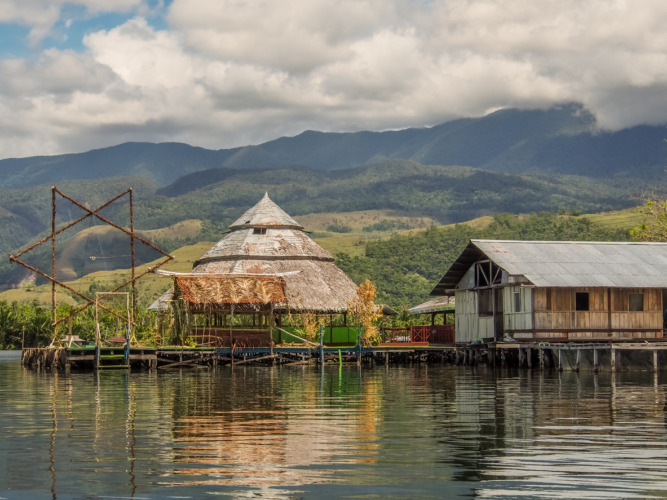
Jayapura sits on the far eastern edge of Indonesia, tucked between green mountains, coastal bays, Lake Sentani, and the border with Papua New Guinea.
It is the capital of Papua Province and one of the most important urban centers in Indonesian Papua, but it feels very different from Bali, Jakarta, or Yogyakarta.
This is a city of steep roads, tropical heat, dramatic sea views, Papuan culture, busy markets, and a noticeably more remote atmosphere.
For travelers who like places that feel far from the usual tourist trail, Jayapura is fascinating.
But it is also not a casual, carefree destination.
Security concerns in wider Papua, natural disaster risks, limited tourist infrastructure, and occasional unrest mean you need to plan carefully and move with more awareness than you would in Indonesia’s major resort areas.
Warnings & Dangers in Jayapura

OVERALL RISK: MEDIUM
Jayapura is safer than some remote conflict-affected parts of Papua, but it still requires caution. The main risks are not usually random tourist attacks, but regional unrest, demonstrations, unpredictable security conditions, road safety, limited medical support, and natural hazards. Independent travelers should research current conditions before arrival and avoid remote overland travel without trusted local guidance.

TRANSPORT & TAXIS RISK: MEDIUM
Transport in Jayapura can be confusing for first-time visitors. Official taxis, hotel-arranged drivers, ride-hailing, where available, and trusted private transfers are safer than informal roadside options. Roads can be steep, narrow, poorly lit, and affected by heavy rain. Motorbike use carries extra risk, especially if you are not used to local driving habits.

PICKPOCKETS RISK: LOW
Pickpocketing is not usually the biggest concern in Jayapura compared with busier tourist cities in Indonesia. Still, petty theft can happen in markets, busier streets, transport areas, and crowded public events. Keep phones and wallets secure, avoid flashing cash, and be extra careful in places where people gather closely.

NATURAL DISASTERS RISK: MEDIUM
Jayapura sits in a region exposed to earthquakes, heavy rain, flooding, landslides, and possible tsunami risk along the coast. The tropical climate can bring sudden downpours that affect roads and visibility. Travelers should know their hotel’s emergency procedures, avoid unstable slopes during heavy rain, and pay attention to local warnings.

MUGGING RISK: MEDIUM
Muggings are not something every visitor will encounter, but they are a realistic risk if you walk alone late at night, take isolated roads, or look visibly lost with valuables. Jayapura is best explored during daylight, with transport arranged through a hotel or trusted local contact. Avoid quiet streets and poorly lit waterfront areas after dark.

TERRORISM RISK: MEDIUM
The risk in Jayapura is more closely tied to regional separatist conflict and political violence than classic tourist-targeted terrorism. Most serious incidents occur outside the city or in other parts of Papua, but the wider security environment can change. Avoid protests, political gatherings, security installations, and travel to remote areas without current local advice.

SCAMS RISK: LOW
Jayapura is not known for the kind of tourist-scam machinery you might find in major resort destinations. That said, overcharging, vague taxi pricing, inflated tour costs, and confusion over permits or transport can happen. Agree on prices beforehand, use reputable guides, and be cautious if someone pushes a sudden “special” trip or unofficial service.

WOMEN TRAVELERS RISK: MEDIUM
Women can travel in Jayapura, but solo women should be more cautious than in heavily touristed Indonesian destinations. Dress modestly, avoid walking alone at night, use hotel-recommended transport, and stay in central, reputable accommodation. Unwanted attention is possible, and the limited tourist infrastructure means it is wise to keep plans simple and well organized.

TAP WATER RISK: HIGH
Do not drink tap water in Jayapura. Stick to sealed bottled water, boiled water, or properly filtered water from a trusted source. Use bottled water for brushing teeth if you have a sensitive stomach. Be cautious with ice from small vendors and raw foods washed in untreated water.
Safest Places to Visit in Jayapura
Lake Sentani
Lake Sentani is one of the best and most rewarding places near Jayapura for travelers who want beauty without diving straight into rough adventure travel.
The lake is surrounded by hills, villages, and small islands, giving it a calm, scenic feel.
It is also close to Sentani Airport, which makes it practical for visitors with limited time.
The safest way to visit is with a local driver or guide who knows the area, especially if you want to stop in villages, take a boat, or photograph people and homes respectfully.
Base-G Beach
Base-G Beach is one of Jayapura’s most famous coastal spots.
It has broad ocean views, sand, waves, and a relaxed local atmosphere.
It is best visited during the day, preferably with local transportation arranged in advance.
Like many beaches in less-developed tourist areas, it may not have the same lifeguard coverage, signage, or facilities you would expect in Bali, so swim cautiously and keep valuables watched.
Hamadi Beach and Nearby Coastal Areas
Hamadi Beach is another popular local spot and can be pleasant for a daytime visit, especially if you enjoy casual coastal scenery more than polished resort environments.
The area is generally better with a local companion or driver, since public transport and tourist services are limited.
Go in daylight, avoid leaving belongings unattended, and do not wander into isolated sections.
Jayapura City Center and Mall Areas
Central Jayapura, including commercial districts and mall areas, is usually one of the easier places for visitors to navigate.
These areas have more activity, easier transport access, shops, restaurants, ATMs, and hotels.
They are not “touristy” in the classic sense, but they are practical and generally safer for first-time visitors than the remote outskirts.
Places to Avoid in Jayapura
Demonstration Areas and Government Buildings
The most important safety rule in Jayapura is to avoid demonstrations, political gatherings, government buildings during tense periods, and security force activity.
Even peaceful gatherings can change quickly, and foreigners standing nearby may attract attention.
If you see a crowd forming, do not stop to watch or take photos.
Leave the area calmly and quickly.
Isolated Roads After Dark
Jayapura’s geography is dramatic, but that also means steep roads, dark stretches, limited sidewalks, and areas that can feel remote very quickly.
Avoid walking alone after dark, especially outside central commercial zones.
Use a trusted driver rather than trying to improvise late-night transport.
Remote Outskirts Without Local Guidance
Some areas outside the city can be beautiful, but are not suitable for casual independent exploring.
Road conditions, security checkpoints, language barriers, and local tensions can complicate travel.
Do not treat the outskirts like a self-guided day trip destination unless you have reliable local advice and a clear plan.
Border and Interior Routes
Travel toward the Papua New Guinea border or into the interior of Papua should be approached with serious caution.
These routes may involve security concerns, permits, difficult roads, and limited help if something goes wrong.
For most short-term visitors, Jayapura is best kept as a city, lake, and coast trip rather than a launching point for improvised inland travel.
Quiet Waterfront or Beach Areas at Night
Beaches and waterfronts that feel relaxed in the day can become less predictable after dark.
Poor lighting, fewer people, alcohol use, and limited transport options make them riskier.
Visit beaches in daylight, leave before it gets late, and keep nightlife plans simple.
Safety Tips for Traveling to Jayapura
- Check the security situation before you go. Jayapura is not a destination where you should rely only on old blog posts or a general Indonesia travel guide. Conditions in Papua can shift because of demonstrations, security operations, separatist conflict, or local incidents. Before booking and again before flying, check whether new warnings are affecting Papua or Jayapura specifically.
- Stay in a reputable, central hotel. Accommodation matters a lot here. Choose a hotel with good reviews, reliable staff, secure entry, and the ability to arrange transport. A helpful front desk can make a big difference when you need a trusted driver, local advice, or quick guidance on whether an area is safe that day.
- Use trusted transport instead of improvising. Jayapura is not the place to casually jump into the cheapest available vehicle without checking anything. Ask your hotel to arrange taxis or drivers, or use reputable transport options where available. Confirm the price before leaving, and avoid late-night rides with unknown drivers.
- Avoid protests, crowds, and political conversations in public. Papua’s political situation is sensitive. Do not photograph demonstrations, police, soldiers, checkpoints, government buildings, or politically charged scenes. Even if you are curious, this is one of those travel moments where curiosity can make life unnecessarily complicated.
- Keep your itinerary realistic. Jayapura looks small on a map, but traffic, roads, weather, and logistics can slow everything down. Do not pack your day with too many stops. A simple plan with Lake Sentani, a beach, and a central restaurant is far better than rushing into distant areas you do not understand.
- Travel during daylight whenever possible. Daytime travel is safer for road visibility, personal security, and general navigation. If you want dinner out, choose somewhere easy to reach and arrange your ride back before you go. Avoid wandering around looking for transport late at night.
- Be careful with water, ice, and food hygiene. Stick to bottled or boiled water and eat at busy places where food turnover is high. Street food can be tempting, and some of it is delicious, but choose vendors carefully. If you have a sensitive stomach, be conservative during your first few days.
- Dress and behave respectfully. Jayapura is not a beach-party destination. Dress modestly in town, ask before photographing people, and be especially respectful in villages near Lake Sentani or traditional areas. A polite, low-profile approach will make your trip smoother and safer.
- Prepare for limited medical infrastructure. Jayapura has medical facilities, but serious emergencies may require evacuation to a larger medical center elsewhere in Indonesia or abroad. Bring personal medication, basic first-aid items, mosquito repellent, sunscreen, and travel insurance that covers medical evacuation.
- Have backup plans for weather and flights. Heavy rain, storms, and operational issues can affect flights, roads, and day trips. Build flexibility into your schedule. If you have an international connection from Jakarta, Makassar, or Bali after visiting Jayapura, do not plan your return from Papua too tightly.
So... How Safe Is Jayapura Really?
Jayapura is a medium-risk destination, but that rating needs context.
It is not unsafe in the same way as a city with constant tourist crime, aggressive scams, or widespread street violence.
In fact, many visitors pass through Jayapura without serious problems, especially when they stay in the central area, use trusted drivers, and keep their plans simple.
The challenge is that Jayapura sits inside a wider region with a complicated security environment.
The main concern for travelers is the unpredictability of Papua’s political and security situation.
Serious violence is more commonly reported in remote interior areas, highland regions, or conflict-affected districts rather than in central Jayapura tourist zones.
Still, the city can be affected by demonstrations, heightened security, and regional tensions.
That means travelers need to be more alert than they would be in Bali or Lombok.
Natural hazards also matter.
Papua is earthquake-prone, the coast has tsunami considerations, and heavy rain can trigger flooding or landslides.
Add in limited tourism infrastructure, non-drinkable tap water, and challenging transport, and Jayapura becomes a destination for prepared travelers, not casual first-timers.
My honest take: Jayapura can be worth visiting if you are experienced, flexible, and genuinely interested in Papua.
But if you want easy beaches, nightlife, and stress-free logistics, Indonesia has simpler choices.
How Does Jayapura Compare?
| City | Safety Index |
|---|---|
| Jayapura |
46 |
| Kuta Beach |
70 |
| Lombok |
74 |
| Jakarta |
55 |
| Yogyakarta |
75 |
| Medan |
62 |
| Surabaya |
80 |
 Aberdeen Aberdeen | 63 |
 Sorrento Sorrento | 75 |
 Brampton Brampton | 82 |
 Kampot Kampot | 76 |
 Milpitas Milpitas | 91 |
| Edmonton | 86 |
Useful Information

Visas
Jayapura follows Indonesia’s visa rules. Many tourists can enter Indonesia with a visa on arrival or an electronic visa, usually valid for 30 days and often extendable once for another 30 days. Fees and eligibility can change, so check the latest requirements before flying, especially if entering through another Indonesian city first.

Currency
The currency is the Indonesian rupiah. Bring a debit or credit card, but do not rely on cards everywhere. ATMs are available in Jayapura and Sentani, though it is smart to carry some cash for taxis, small restaurants, markets, and local transport. Exchange money in larger Indonesian cities when possible for better convenience.

Weather
Jayapura is hot, humid, and tropical year-round. Expect warm temperatures, strong sun, and frequent rain, with wetter conditions possible at any time. Pack light breathable clothing, a rain jacket or compact umbrella, sandals or shoes with grip, sunscreen, and insect repellent. Quick-dry clothing is a very good idea here.

Airports
The main airport is Dortheys Hiyo Eluay International Airport, commonly still called Sentani Airport, located west of Jayapura near Lake Sentani. It connects Jayapura with cities such as Jakarta, Makassar, and other Indonesian destinations. The safest way into the city is by hotel transfer, trusted taxi, or pre-arranged driver.

Travel Insurance
Travel insurance is strongly recommended for Jayapura. Choose a policy that covers medical care, trip delays, lost luggage, emergency evacuation, and disruptions caused by natural disasters or civil unrest where eligible. Because Papua is remote and medical evacuation can be expensive, this is not a destination where I would travel uninsured.
Jayapura Weather Averages (Temperatures)
Average High/Low Temperature
| Temperature / Month | Jan | Feb | Mar | Apr | May | Jun | Jul | Aug | Sep | Oct | Nov | Dec |
|---|---|---|---|---|---|---|---|---|---|---|---|---|
| High °C |
31 | 31 | 30 | 30 | 30 | 30 | 30 | 30 | 30 | 31 | 31 | 31 |
| Low °C |
23 | 23 | 23 | 23 | 23 | 23 | 23 | 23 | 23 | 24 | 24 | 24 |
| High °F |
88 | 88 | 86 | 86 | 86 | 86 | 86 | 86 | 86 | 88 | 88 | 88 |
| Low °F |
73 | 73 | 73 | 73 | 73 | 73 | 73 | 73 | 73 | 75 | 75 | 75 |
Indonesia - Safety by City
| City | Safety Index |
|---|---|
| Bali | 70 |
| Bandung | 78 |
| Banjarmasin | 63 |
| Denpasar | 60 |
| Jakarta | 55 |
| Jayapura | 46 |
| Kuta Beach | 70 |
| Lombok | 74 |
| Medan | 62 |
| Surabaya | 80 |
| Ubud | 80 |
| Yogyakarta | 75 |









Did you find any spots around Lake Sentani that felt chill enough to escape the heat for a bit?