 Belgium : Safety by City
Belgium - safety as a country
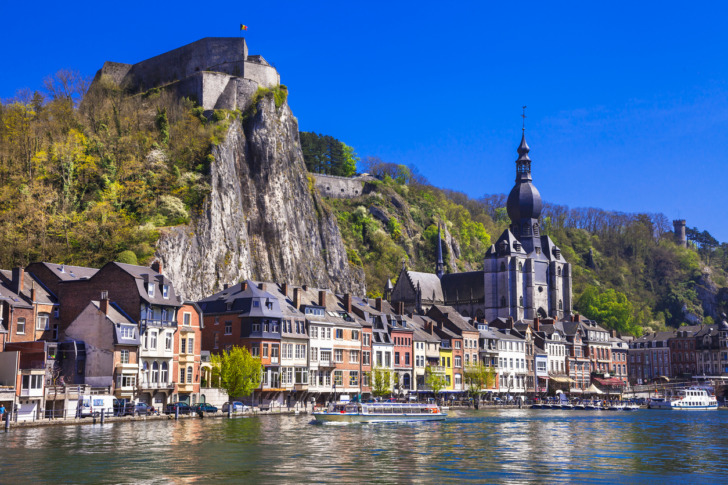
Dinant is one of Belgium’s most dramatic small cities, squeezed between steep limestone cliffs and the Meuse River in the French-speaking region of Wallonia.
The skyline is instantly recognizable: colorful riverside houses, the onion-domed Collegiate Church of Notre-Dame, and a massive hilltop citadel looming more than 100 meters above the town.
Dinant is also the birthplace of Adolphe Sax, inventor of the saxophone, a fact the city celebrates with colorful saxophone sculptures scattered around its streets.
Beyond the center, travelers can explore caves, castles, hiking routes, river cruises, and kayaking on the nearby Lesse River.
Dinant is generally very safe, even by Western European standards.
The biggest concerns are petty theft during busy periods, traffic, river activities, steep paths, and rapidly changing weather.
Warnings & Dangers in Dinant

OVERALL RISK: LOW
Dinant is a low-risk destination for most travelers. Violent crime is uncommon, the tourist center is compact, and visitors can generally walk around comfortably during the day and evening. The main concerns are petty theft, traffic, crowded summer weekends, alcohol-related behavior, and outdoor accidents involving the river, cliffs, caves, or hiking trails.

TRANSPORT & TAXIS RISK: LOW
Public transportation, trains, taxis, and local roads are generally safe. Dinant railway station sits conveniently across the river from the historic center. The greater risk comes from narrow roads, cyclists, motorcycles, and busy summer traffic. Pedestrians should use crossings carefully, while drivers should expect tight streets, limited parking, and winding roads outside town.

PICKPOCKETS RISK: LOW
Pickpocketing is uncommon in Dinant, although it can occur around the railway station, crowded attractions, river cruises, festivals, cafes, and busy summer weekends. Keep bags zipped and avoid leaving phones or wallets unattended on restaurant tables. The risk is considerably lower than in Brussels or major European tourist capitals.

NATURAL DISASTERS RISK: MEDIUM
Dinant’s location beside the Meuse and beneath cliffs creates a moderate natural risk. Heavy rainfall can cause flooding, while thunderstorms may affect river activities and hiking routes. Rockfall, slippery trails, winter ice, and strong currents are additional concerns. Check weather conditions before kayaking, hiking, boating, or exploring elevated viewpoints.

MUGGING RISK: LOW
Muggings and violent robberies are rare in Dinant. The central riverfront, restaurant streets, and main attractions generally remain comfortable after dark. Normal caution is still sensible around empty river paths, isolated parking areas, railway surroundings, and quiet streets late at night. Avoid displaying large amounts of cash or expensive electronics unnecessarily.

TERRORISM RISK: MEDIUM
Belgium maintains heightened awareness regarding terrorism, and attacks elsewhere in the country have occurred in the past. Dinant itself is not considered a particularly likely target, but crowded tourist sites, transportation hubs, festivals, and public events deserve normal vigilance. Follow police instructions and report abandoned bags or suspicious behavior.

SCAMS RISK: LOW
Tourist scams are uncommon in Dinant. The most likely problems involve unclear parking charges, overpriced unofficial services, questionable online accommodation listings, or unexpected activity fees. Confirm costs before booking boat trips, kayaking, parking, or accommodation. Serious organized tourist fraud is not a significant concern in the city.

WOMEN TRAVELERS RISK: LOW
Dinant is generally safe for women, including solo travelers. Central streets, restaurants, attractions, trains, and hotels are comfortable during normal hours. Standard precautions still apply after dark, particularly around bars, quiet river paths, and isolated hiking areas. Solo women should tell someone their route before undertaking longer countryside hikes.

TAP WATER RISK: LOW
Tap water in Dinant is safe to drink and meets Belgian drinking-water standards. Travelers can normally refill reusable bottles directly from taps in hotels and apartments. Bottled water is not necessary for health reasons, although some visitors may prefer it because of taste or mineral content.
Safest Places to Visit in Dinant
Dinant Citadel
The Citadel is one of the safest and most popular attractions in the city.
Visitors can reach it by cable car or climb more than 400 steps from the center.
The organized visitor route, museum areas, viewpoints, and facilities are well maintained.
Take extra care around stairs and exposed viewpoints during rain, snow, or freezing weather.
Charles de Gaulle Bridge and Riverfront
The bridge crossing the Meuse is one of Dinant’s most photographed locations, decorated with colorful saxophone sculptures.
The surrounding waterfront remains active with cafes, restaurants, boat operators, hotels, and pedestrians.
This is one of the easiest areas for solo visitors and families to explore, especially during daylight and early evening.
Collegiate Church of Notre-Dame
The striking riverside church beneath the Citadel is located at the heart of Dinant’s tourist district.
The surrounding streets remain busy with visitors and local businesses, making the area comfortable and easy to navigate.
Watch for traffic when crossing nearby roads, as space between the river, buildings, and cliffs can be narrow.
Maison de Monsieur Sax
The small attraction dedicated to Adolphe Sax sits on a central pedestrian-friendly street and is surrounded by restaurants, shops, and other sights.
The area is safe and convenient for visitors traveling alone.
Places to Avoid in Dinant
Riverbanks During Flooding
The Meuse is central to Dinant’s beauty, but low riverfront areas should be avoided during periods of heavy rain or flooding.
Water levels can rise, currents strengthen, and walking surfaces become slippery.
Never cross barriers or enter closed waterfront sections solely to photograph high water.
Follow local warnings and move to higher ground if authorities close riverside roads or paths.
Cliff Edges and Unmarked Trails
Dinant’s limestone cliffs offer excellent views but also pose rockfall and falling hazards.
Avoid climbing unofficial paths, walking beneath unstable rock faces, or approaching exposed edges without barriers.
Rain can make limestone and forest trails extremely slippery.
Stick to marked routes and wear proper footwear when exploring hills around the Meuse Valley.
Quiet River Paths Late at Night
Central Dinant is generally safe after dark, but longer riverside paths can become almost empty once restaurants close.
There is little reason for tourists to use isolated sections as late-night shortcuts.
The main risks are falls, poor lighting, cycling collisions, and limited assistance rather than serious crime.
Stay on illuminated central streets when returning to accommodation.
Railway and Parking Areas After Midnight
Dinant station and nearby parking areas are normally safe, but they become quiet after late trains.
Travelers arriving with luggage should avoid lingering unnecessarily.
If your accommodation is outside the central area, arrange a taxi or confirm transportation before arrival rather than beginning a long unfamiliar walk late at night.
Safety Tips for Traveling to Dinant
- Check the weather before kayaking or boating. The Meuse and nearby Lesse River are central to the Dinant experience, but water conditions can change after heavy rain or storms. Only use established operators and follow closures or warnings. Never attempt to kayak a flooded river simply because you already paid for the activity.
- Wear proper shoes for the Citadel and hills. Dinant contains steep stairs, cobblestones, hills, caves, and forest trails. Comfortable shoes with good grip will prevent far more problems than fashionable footwear. Rain can make stone surfaces slippery, while winter frost creates additional hazards on shaded steps and pathways.
- Watch for traffic in the narrow center. Dinant’s geography leaves limited space between cliffs and the river, which means roads, buildings, cyclists, and pedestrians often share tight areas. Use designated crossings and avoid stepping into the road while taking photographs. Drivers should also expect sudden pedestrian movement around major attractions.
- Protect your belongings during busy weekends. Summer weekends, festivals, and sunny holidays can bring large crowds into a relatively small city center. Keep bags zipped, secure phones, and avoid leaving valuables behind restaurant chairs. Pickpocketing is uncommon, but crowded conditions create opportunities that do not exist on quiet weekdays.
- Respect river currents. The Meuse may look calm from the promenade, but it is a large working river with boat traffic and potentially strong currents. Swim only in places specifically designated for bathing. Never jump from bridges, docks, or riverside structures, and keep children away from unprotected edges.
- Use marked hiking routes. The countryside surrounding Dinant offers excellent walking, but limestone cliffs, dense forests, and steep valleys make improvising routes risky. Download your route beforehand, carry water, and leave enough daylight for the return. Avoid unfamiliar trails during thunderstorms, heavy rain, snow, or fog.
- Take extra care when cycling. The Meuse Valley is popular with cyclists, and dedicated routes make exploring easy. Wear a helmet, follow signs, use lights after dusk, and slow down on crowded promenade sections. Country roads can be narrow and winding, so assume drivers may not see you immediately around bends.
- Plan festival visits in advance. Dinant can become surprisingly busy during festivals, concerts, school holidays, and summer weekends. Parking fills quickly, and trains may become crowded. Reserve accommodation early, use public transportation when possible, and choose meeting points if traveling with children or a group.
- Keep some layers with you. Weather in southern Belgium changes quickly. A warm sunny afternoon can turn into a cool, wet evening, particularly near the river. Carry a light waterproof jacket even when the forecast looks favorable. In winter, bring proper cold-weather clothing and shoes suitable for icy surfaces.
- Carry travel insurance for outdoor activities. Dinant is safe, but travelers often participate in activities that create more risk than sightseeing, including kayaking, climbing, hiking, cycling, and cave visits. Confirm that your policy covers the activities you plan to do, particularly if you are renting equipment or joining more adventurous excursions.
So... How Safe Is Dinant Really?
Dinant is a very safe destination for ordinary tourism.
It is small, well organized, accustomed to international visitors, and located in a country with dependable police, medical services, transportation, and emergency infrastructure.
Violent crime involving tourists is uncommon, and there are no established neighborhoods in central Dinant that visitors routinely need to avoid.
The city’s safety issues are more environmental than criminal.
Dinant occupies an unusually narrow location between the Meuse River and cliffs.
Flooding, slippery stone, rockfall, strong river currents, and hiking accidents deserve more attention than mugging or robbery.
Summer tourism changes the situation slightly.
Sunny weekends can fill the center with day-trippers, cyclists, motorcyclists, river-cruise passengers, and kayaking groups.
Crowds increase the chance of petty theft and traffic accidents, but the overall risk remains low.
Belgium’s broader terrorism threat means visitors should remain alert at transportation hubs, festivals, and major public gatherings, though Dinant itself is not generally viewed as a particularly high-risk location.
I assess that Dinant is suitable for families, solo travelers, women traveling alone, older visitors, and first-time European travelers.
Use normal precautions, respect river warnings, wear sensible shoes, and check conditions before outdoor activities.
For most travelers, Dinant is far more likely to deliver spectacular scenery than any serious safety problem.
How Does Dinant Compare?
| City | Safety Index |
|---|---|
| Dinant |
88 |
| Leuven |
87 |
| Antwerp |
65 |
| Waterloo |
85 |
| Brussels |
60 |
| Ghent |
70 |
| Namur |
85 |
 Wausau Wausau | 68 |
| Zanesville | 68 |
| Tucker | 74 |
 Murcia Murcia | 83 |
| New London | 76 |
| Blue Diamond | 76 |
Useful Information

Visas
Belgium is part of the Schengen Area. Many nationalities can visit visa-free for up to 90 days within any 180-day period. Travelers who require a Schengen visa generally pay €90 for adults and €45 for children aged 6 to 11. ETIAS has not yet launched as of August 2026 and is expected later in 2026.

Currency
Dinant uses the euro. Cards and contactless payments are accepted at most hotels, restaurants, attractions, supermarkets, and larger businesses. Carry some cash for small purchases, markets, parking machines, and occasional smaller establishments. ATMs are available in town, and travelers should avoid unnecessary currency conversion offered by card terminals.

Weather
Dinant has mild summers, cool winters, and rainfall throughout the year. Summer daytime temperatures frequently reach the low 20s Celsius, while winter can bring frost and occasional snow. Pack layers, comfortable walking shoes, and a waterproof jacket year-round. River valleys can feel colder and damper than nearby higher ground.

Airports
Brussels Airport is the main international gateway and is approximately 90 kilometers from Dinant. Brussels South Charleroi Airport is closer and is popular with budget airlines. Travelers can continue by rental car, train, or private transfer. Dinant railway station sits directly opposite the historic center across the Meuse.

Travel Insurance
Travel insurance is recommended for Dinant, especially if you plan to kayak, hike, cycle, climb, or participate in other outdoor activities. Choose coverage for medical treatment, cancellations, lost luggage, weather disruption, and sporting injuries. Confirm that adventure activities are included before booking rather than assuming standard coverage applies.
Dinant Weather Averages (Temperatures)
Average High/Low Temperature
| Temperature / Month | Jan | Feb | Mar | Apr | May | Jun | Jul | Aug | Sep | Oct | Nov | Dec |
|---|---|---|---|---|---|---|---|---|---|---|---|---|
| High °C |
4 | 6 | 9 | 13 | 18 | 20 | 22 | 22 | 18 | 13 | 8 | 5 |
| Low °C |
-2 | -2 | 0 | 4 | 8 | 11 | 13 | 13 | 10 | 7 | 2 | -1 |
| High °F |
39 | 43 | 48 | 55 | 64 | 68 | 72 | 72 | 64 | 55 | 46 | 41 |
| Low °F |
28 | 28 | 32 | 39 | 46 | 52 | 55 | 55 | 50 | 45 | 36 | 30 |
Belgium - Safety by City
| City | Safety Index |
|---|---|
| Antwerp | 65 |
| Bruges | 84 |
| Brussels | 60 |
| Dinant | 88 |
| Ghent | 70 |
| Leuven | 87 |
| Mechelen | 84 |
| Mons | 86 |
| Namur | 85 |
| Waterloo | 85 |