 Belgium : Safety by City
Belgium - safety as a country
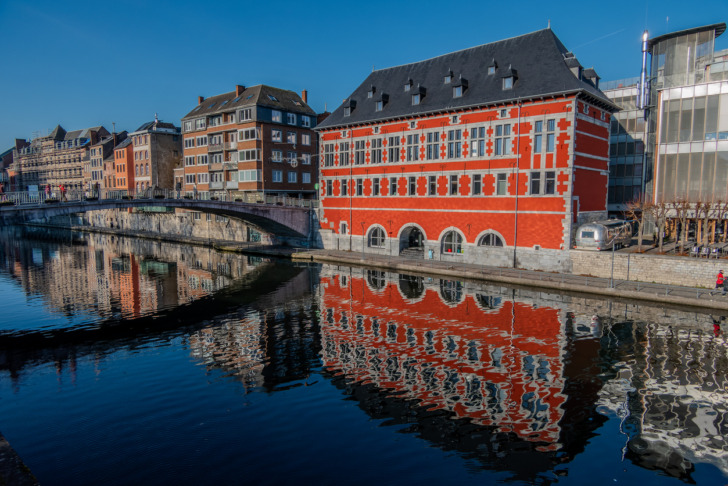
Namur is the compact and surprisingly charming capital of Wallonia, the French-speaking region of southern Belgium.
The city sits at the meeting point of the Sambre and Meuse rivers, about 60 kilometers southeast of Brussels, with its enormous hilltop citadel watching over the confluence.
Namur mixes medieval streets, elegant 18th-century architecture, lively cafés, university energy, river walks, and one of Europe’s most impressive historic fortifications.
It feels noticeably calmer than Brussels, Antwerp, or Liège and receives fewer international tourists, which helps keep the atmosphere relaxed.
For travelers, Namur is generally a safe destination.
The most realistic concerns are petty theft around transportation hubs, flooding along the rivers, cycling and traffic accidents, nightlife-related trouble, and Belgium’s broader terrorism and public-unrest risks.
Warnings & Dangers in Namur

OVERALL RISK: LOW
Namur is a low-risk destination for most tourists. Violent crime is uncommon, the historic center is compact, and visitors can usually walk around comfortably during the day and evening. Belgium currently advises increased awareness around crime, terrorism, and demonstrations nationally, but everyday travel in central Namur remains generally safe with normal precautions.

TRANSPORT & TAXIS RISK: LOW
Public transportation is safe and reliable, with trains and buses connecting Namur to Brussels, Dinant, Liège, Charleroi, and other Belgian cities. Taxis are generally dependable. The main risks involve busy roads, cyclists, confusing intersections, and distracted pedestrians. Keep valuables secure on trains and avoid leaving luggage unattended at the station.

PICKPOCKETS RISK: MEDIUM
Pickpocketing is less common in Namur than in Brussels, but it still occurs. The railway station, busy shopping streets, festivals, markets, trains, and crowded outdoor events deserve extra awareness. Keep phones and wallets in secure pockets, close backpacks properly, and never leave a handbag hanging unattended from the back of a café chair.

NATURAL DISASTERS RISK: MEDIUM
Flooding is Namur’s main natural hazard because the city lies directly beside the Meuse and Sambre rivers. Heavy rainfall can raise water levels and affect riverside paths, roads, and nearby communities. Severe storms, heatwaves, snow, and icy winter conditions also occur. Follow local closures and never enter flooded roads or underpasses.

MUGGING RISK: LOW
Mugging is uncommon in Namur, particularly in the historic center and around major attractions. Risk increases late at night around empty streets, the railway station, parks, and nightlife areas after crowds disperse. Avoid displaying expensive jewelry or large amounts of cash and choose well-lit routes when returning to your accommodation.

TERRORISM RISK: MEDIUM
Belgium maintains increased national awareness regarding terrorism, even though Namur itself is not considered a particularly prominent target. Transportation hubs, government buildings, major events, shopping areas, and crowded public spaces could theoretically be affected. Visitors should remain aware of their surroundings and follow instructions from police or security personnel during any alert.

SCAMS RISK: LOW
Tourist scams are uncommon in Namur. You are unlikely to encounter aggressive street schemes or organized tourist traps. Possible issues include fraudulent accommodation listings, unofficial ticket sellers, poor currency-conversion offers, or inflated taxi charges. Use established businesses, confirm prices beforehand, and purchase transportation tickets through official machines, counters, or apps.

WOMEN TRAVELERS RISK: LOW
Namur is generally safe for women traveling alone. The historic center, restaurants, museums, riverfront, and main commercial streets are comfortable during normal hours. Standard precautions still apply after dark: watch your drinks, avoid deserted parks and river paths, use trusted transportation when necessary, and stay aware around nightlife areas after bars close.

TAP WATER RISK: LOW
Tap water in Namur is safe to drink and subject to Belgium’s drinking-water standards. A reusable bottle is useful for sightseeing, especially during summer. Taste and mineral content may vary between buildings, but bottled water is usually unnecessary unless you prefer it or your accommodation issues a temporary water notice.
Safest Places to Visit in Namur
The Historic Center
Namur’s compact historic center is one of the safest and easiest areas to explore.
Pedestrian streets connect cafés, shops, churches, restaurants, and attractive squares, while regular local activity keeps the area lively without becoming overwhelming.
Place d’Armes and the surrounding streets are especially comfortable during the day and early evening.
Citadel of Namur
The Citadel is Namur’s signature attraction and sits on a rocky hill above the two rivers.
Its history stretches back roughly 2,000 years, while the modern visitor experience includes viewpoints, underground passages, walking routes, and organized tours.
The main safety concerns are steep paths, stairs, slippery surfaces, and isolated sections after dark rather than crime.
The Sambre and Meuse Riverfront
Namur’s river promenades are excellent for walking, cycling, photography, and watching boats.
During normal weather and daylight hours, they are peaceful and safe.
Pay attention to bicycles and avoid lower riverside paths when flooding warnings or barriers are in place.
Félicien Rops Museum Area
The streets surrounding the Félicien Rops Museum are central, walkable, and filled with historic architecture.
They are ideal for travelers who want museums, cafés, and sightseeing without traveling far from the busiest parts of town.
Parc Louise-Marie
Parc Louise-Marie provides a pleasant green break close to the center.
It is generally comfortable during daylight, especially when families and residents are around.
Like most urban parks, it is better avoided when nearly empty late at night.
Places to Avoid in Namur
There Are No Major Tourist No-Go Neighborhoods
Namur does not have a recognized district that ordinary tourists are routinely warned to avoid.
Most neighborhoods are residential and relatively calm.
Visitors should focus more on time of day, surroundings, and specific situations than on worrying about accidentally entering a dangerous part of the city.
Namur Railway Station Late at Night
Namur station is busy and useful throughout the day, but the immediate surroundings can feel less comfortable late at night.
Intoxicated people, loitering, and opportunistic theft are more likely around transportation hubs.
Keep luggage close and move directly toward your hotel or onward transportation rather than lingering outside unnecessarily.
Isolated Citadel Paths After Dark
The Citadel grounds are excellent during daylight, but wooded paths and quieter sections become isolated after sunset.
Uneven terrain and poor visibility also increase the chance of falls.
Stick to recognized, illuminated routes if you are still in the area after dark.
Riverbanks During Flooding
Never ignore barriers around the Meuse or Sambre during periods of heavy rain or high water.
Flooded paths may hide strong currents, damaged surfaces, debris, or submerged edges.
Photographing high water from a safe distance is one thing.
Walking into a closed river path for a better view is not worth it.
Demonstrations and Large Political Gatherings
Belgium regularly hosts demonstrations, and most remain peaceful.
Still, crowds can cause transportation disruption and occasional confrontations.
If a demonstration forms while you are sightseeing, take another route rather than walking through the middle of it.
Empty Industrial Areas
Industrial and commercial zones outside the center provide little reason for tourists to visit.
They are not necessarily dangerous, but they can have poor lighting, limited pedestrian infrastructure, and very little activity after business hours.
Safety Tips for Traveling to Namur
- Keep valuables secure around the railway station. Namur station is one of the places where travelers are most distracted. You may be checking departures, carrying luggage, buying tickets, and looking at your phone simultaneously. Keep wallets and passports in secure pockets, close backpack compartments, and never leave bags unattended on platforms or trains.
- Watch carefully for bicycles. Cycling is common in Belgium, and some paths are shared by pedestrians and bicycles. Look before crossing bike lanes and avoid stepping sideways while focused on your phone. On riverside routes, cyclists may approach quickly and quietly from behind.
- Take flood warnings seriously. The Meuse and Sambre are beautiful parts of Namur, but heavy rainfall can raise water levels. Follow barriers and closure signs, especially around low riverside paths and underpasses. Never walk or drive through floodwater simply because other people appear to be doing it.
- Wear good shoes at the Citadel. Exploring the Citadel involves slopes, stairs, stone surfaces, and underground sections. Comfortable shoes with grip make the experience significantly safer. After rain or during winter, some paths may become slippery. Take extra care near viewpoints and supervise young children around steep areas.
- Avoid carrying unnecessary cash. Cards and contactless payments are widely accepted throughout Namur. Carry a modest amount of euros for small cafés, markets, public toilets, or emergencies, but keep most of your money securely stored. Use ATMs attached to established banks rather than isolated machines late at night.
- Use well-lit routes after nightlife. Namur has bars, restaurants, university nightlife, and evening events, but the city becomes noticeably quieter after closing time. Stay on central streets, avoid shortcuts through empty parks, and use a taxi if your accommodation requires a long walk through unfamiliar areas.
- Monitor major demonstrations and strikes. Belgian demonstrations and labor actions can interrupt trains, buses, and city traffic. Check transportation conditions before important journeys, especially if you need to reach an airport. Give yourself extra time when major national strikes or protests are announced.
- Protect yourself from summer heat. Belgian weather has a reputation for clouds and rain, but summer heatwaves can push temperatures well above 30°C. Carry water, use sunscreen, and take breaks during long Citadel walks. Older travelers and young children should avoid strenuous sightseeing during the hottest afternoon hours.
- Be careful with train luggage. Belgium’s rail network makes Namur an excellent base for day trips, but bags left on overhead racks or near train doors can be stolen. Keep valuable electronics, passports, and money with you rather than inside luggage that you cannot easily watch.
- Know the European emergency number. The general emergency number in Belgium is 112. Save your accommodation details and insurance information offline as well. Having essential information available without internet access is useful if your phone loses service, runs out of power, or is lost during the trip.
So... How Safe Is Namur Really?
Namur is genuinely one of Belgium’s easier cities from a personal-safety perspective.
It is much smaller and less crowded than Brussels, Antwerp, or Liège, and it receives fewer international tourists.
That reduces many of the conditions that encourage large-scale pickpocketing, aggressive tourist scams, and nightlife problems.
The most likely crime issue is opportunistic theft.
Belgium experiences significant levels of purse snatching, phone theft, and pickpocketing in tourist areas and transportation hubs, but Namur’s risk is concentrated mainly around the station, busy events, shopping streets, and crowded trains.
Belgium currently carries an increased-caution travel advisory because of crime, terrorism, and unrest.
That broader national situation should not be ignored, although it does not mean central Namur is dangerous.
The city itself remains calm for ordinary visitors.
Flooding deserves more practical attention than many travelers give it.
Namur sits exactly where two major rivers meet, and severe rainfall can affect low-lying paths and transportation.
Winter ice and summer heatwaves create additional seasonal hazards.
Overall, I rate Namur as low risk.
Families, couples, solo travelers, older visitors, and women traveling alone should generally feel comfortable here.
Use normal city awareness, keep belongings secure around the station, respect river closures, and avoid unnecessary late-night wandering in isolated areas.
How Does Namur Compare?
| City | Safety Index |
|---|---|
| Namur |
85 |
| Dinant |
88 |
| Antwerp |
65 |
| Mons |
86 |
| Brussels |
60 |
| Waterloo |
85 |
| Bruges |
84 |
 San Francisco San Francisco | 61 |
 Lublin Lublin | 81 |
| Norman | 68 |
| San Bernardino | 63 |
| Mt. Laurel | 76 |
| Wyoming | 70 |
Useful Information

Visas
Belgium is part of the Schengen Area. Many visitors can stay visa-free for up to 90 days within any 180-day period. Travelers who require a short-stay Schengen visa generally pay €90 for adults and €45 for children aged 6 to 12. ETIAS is not yet operational as of August 2026, so visa-exempt travelers should not attempt to apply for it yet.

Currency
Namur uses the euro. Cards and contactless payments are widely accepted at hotels, restaurants, shops, museums, and supermarkets. Carry a small amount of cash for markets, small purchases, lockers, or public toilets. Bank-operated ATMs are the best option for withdrawals, and unnecessary dynamic currency conversion should be declined.

Weather
Namur has mild summers, cool winters, and rainfall throughout the year. Summer temperatures are usually comfortable but can become hot during heatwaves. Winter may bring frost, snow, and ice. Pack a light waterproof jacket year-round, comfortable walking shoes, layers in spring and autumn, and a warm coat in winter.

Airports
Brussels South Charleroi Airport is the closest major airport, roughly 35 kilometers from Namur. Brussels Airport is around 65 kilometers away and offers many more international connections. Trains, airport buses, rental cars, taxis, and private transfers provide onward transportation, with Brussels Airport particularly well connected to Belgium’s rail system.

Travel Insurance
Travel insurance is recommended even though Namur is low-risk. A suitable policy should cover medical treatment, trip cancellation, baggage theft, transportation delays, and rental-car problems. If you plan extensive cycling, hiking, boating, or other outdoor activities, verify that those activities are included in the policy.
Namur Weather Averages (Temperatures)
Average High/Low Temperature
| Temperature / Month | Jan | Feb | Mar | Apr | May | Jun | Jul | Aug | Sep | Oct | Nov | Dec |
|---|---|---|---|---|---|---|---|---|---|---|---|---|
| High °C |
5 | 7 | 11 | 14 | 17 | 21 | 23 | 23 | 20 | 15 | 10 | 6 |
| Low °C |
0 | 1 | 3 | 5 | 8 | 12 | 13 | 13 | 11 | 8 | 5 | 2 |
| High °F |
41 | 45 | 52 | 57 | 63 | 70 | 73 | 73 | 68 | 59 | 50 | 43 |
| Low °F |
32 | 34 | 37 | 41 | 46 | 54 | 55 | 55 | 52 | 46 | 41 | 36 |
Belgium - Safety by City
| City | Safety Index |
|---|---|
| Antwerp | 65 |
| Bruges | 84 |
| Brussels | 60 |
| Dinant | 88 |
| Ghent | 70 |
| Leuven | 87 |
| Mechelen | 84 |
| Mons | 86 |
| Namur | 85 |
| Waterloo | 85 |