 Bélgica : Segurança por Cidade
Bélgica - Revisão de Segurança
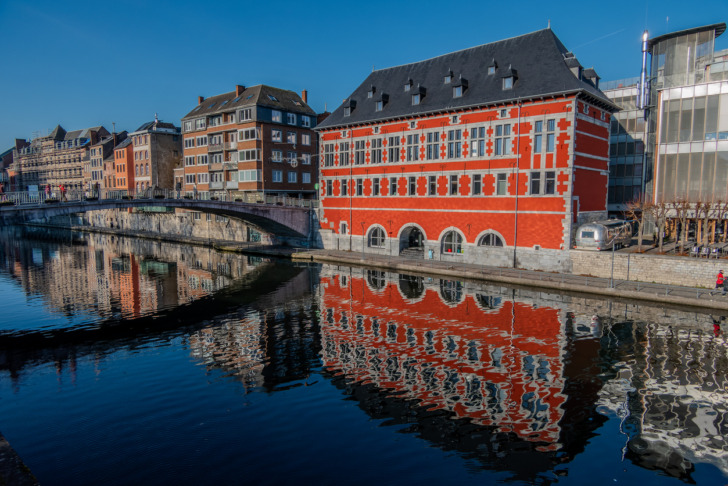
Namur é a compacta e surpreendentemente charmosa capital da Valônia, a região francófona do sul da Bélgica.
A cidade fica no ponto de encontro dos rios Sambre e Mosa, cerca de 60 quilômetros a sudeste de Bruxelas, com sua enorme cidadela no topo da colina vigiando a confluência.
Namur mistura ruas medievais, arquitetura elegante do século XVIII, cafés animados, energia universitária, passeios à beira do rio e uma das fortificações históricas mais impressionantes da Europa.
Sente-se notavelmente mais calma do que Bruxelas, Antuérpia ou Liège e recebe menos turistas internacionais, o que ajuda a manter a atmosfera relaxada.
Para os viajantes, Namur é geralmente um destino seguro.
As preocupações mais realistas são pequenos furtos em torno dos centros de transporte, inundações ao longo dos rios, acidentes de ciclismo e trânsito, problemas relacionados à vida noturna e os riscos mais amplos de terrorismo e agitação pública na Bélgica.
Avisos e Perigos: Namur

RISCO GERAL: BAIXO
Namur é um destino de baixo risco para a maioria dos turistas. Crimes violentos são incomuns, o centro histórico é compacto, e os visitantes geralmente podem caminhar confortavelmente durante o dia e à noite. A Bélgica atualmente recomenda maior atenção em relação a crimes, terrorismo e manifestações em nível nacional, mas o deslocamento diário no centro de Namur permanece geralmente seguro com precauções normais.

RISCOS EM TRANSPORTES E TAXIS: BAIXO
O transporte público é seguro e confiável, com trens e ônibus conectando Namur a Bruxelas, Dinant, Liège, Charleroi e outras cidades belgas. Os táxis são geralmente confiáveis. Os principais riscos envolvem estradas movimentadas, ciclistas, cruzamentos confusos e pedestres distraídos. Mantenha os objetos de valor seguros nos trens e evite deixar bagagens desacompanhadas na estação.

RISCOS DE ABATIMENTO DE CARTEIRA: MÉDIO
O furto de carteiras é menos comum em Namur do que em Bruxelas, mas ainda ocorre. A estação ferroviária, ruas comerciais movimentadas, festivais, mercados, trens e eventos ao ar livre lotados merecem atenção redobrada. Mantenha telefones e carteiras em bolsos seguros, feche as mochilas corretamente e nunca deixe uma bolsa pendurada sem vigilância na parte de trás de uma cadeira de café.

RISCOS DE DESASTRES NATURAIS: MÉDIO
Inundações são o principal risco natural de Namur porque a cidade fica diretamente ao lado dos rios Meuse e Sambre. Chuvas intensas podem elevar os níveis da água e afetar caminhos à beira do rio, estradas e comunidades próximas. Tempestades severas, ondas de calor, neve e condições de inverno com gelo também ocorrem. Siga os fechamentos locais e nunca entre em estradas ou passagens subterrâneas alagadas.

RISCO DE ASSALTO: BAIXO
Assaltos são incomuns em Namur, especialmente no centro histórico e ao redor das principais atrações. O risco aumenta tarde da noite em ruas vazias, na estação ferroviária, parques e áreas de vida noturna após a dispersão das multidões. Evite exibir joias caras ou grandes quantias em dinheiro e escolha rotas bem iluminadas ao retornar para sua acomodação.

RISCO DE TERRORISMO: MÉDIO
A Bélgica mantém uma conscientização nacional aumentada em relação ao terrorismo, embora Namur em si não seja considerada um alvo particularmente proeminente. Centros de transporte, edifícios governamentais, grandes eventos, áreas de compras e espaços públicos lotados poderiam teoricamente ser afetados. Os visitantes devem permanecer atentos ao seu redor e seguir as instruções da polícia ou do pessoal de segurança durante qualquer alerta.

RISCO DE GOLPES: BAIXO
Golpes para turistas são incomuns em Namur. É improvável que você encontre esquemas agressivos nas ruas ou armadilhas turísticas organizadas. Problemas possíveis incluem anúncios fraudulentos de acomodações, vendedores não oficiais de ingressos, ofertas ruins de conversão de moeda ou tarifas de táxi inflacionadas. Use empresas estabelecidas, confirme os preços antecipadamente e compre bilhetes de transporte por meio de máquinas oficiais, guichês ou aplicativos.

RISCOS PARA VIAJANTES MULHERES: BAIXO
Namur é geralmente segura para mulheres que viajam sozinhas. O centro histórico, restaurantes, museus, a orla do rio e as principais ruas comerciais são confortáveis durante o horário normal. Precauções padrão ainda se aplicam após o anoitecer: cuide das suas bebidas, evite parques e caminhos ao longo do rio desertos, use transporte confiável quando necessário e mantenha-se atenta nas áreas de vida noturna após o fechamento dos bares.

RISCO REFERENTE À ÁGUA DA TORNEIRA: BAIXO
A água da torneira em Namur é segura para beber e está sujeita aos padrões de água potável da Bélgica. Uma garrafa reutilizável é útil para passeios turísticos, especialmente durante o verão. O sabor e o teor mineral podem variar entre os edifícios, mas a água engarrafada geralmente não é necessária, a menos que você a prefira ou sua acomodação emita um aviso temporário sobre a água.
Lugares mais Seguros para Visitar: Namur
O Centro Histórico
O compacto centro histórico de Namur é uma das áreas mais seguras e fáceis de explorar.
Ruas para pedestres conectam cafés, lojas, igrejas, restaurantes e praças atraentes, enquanto a atividade local regular mantém a área animada sem se tornar excessiva.
A Place d’Armes e as ruas ao redor são especialmente confortáveis durante o dia e no início da noite.
Cidadela de Namur
A Cidadela é a atração emblemática de Namur e fica em uma colina rochosa acima dos dois rios.
Sua história remonta a cerca de 2.000 anos, enquanto a experiência moderna para visitantes inclui mirantes, passagens subterrâneas, rotas para caminhada e tours organizados.
As principais preocupações de segurança são caminhos íngremes, escadas, superfícies escorregadias e trechos isolados após o anoitecer, em vez de crimes.
O Calçadão dos Rios Sambre e Mosa
Os calçadões à beira-rio de Namur são excelentes para caminhar, andar de bicicleta, fotografar e observar barcos.
Durante o tempo normal e as horas de luz do dia, são tranquilos e seguros.
Preste atenção às bicicletas e evite os caminhos mais baixos à beira do rio quando houver avisos de enchente ou barreiras instaladas.
Área do Museu Félicien Rops
As ruas ao redor do Museu Félicien Rops são centrais, caminháveis e repletas de arquitetura histórica.
São ideais para viajantes que desejam museus, cafés e passeios turísticos sem se afastar muito das partes mais movimentadas da cidade.
Parque Louise-Marie
O Parque Louise-Marie oferece uma agradável pausa verde perto do centro.
Geralmente é confortável durante o dia, especialmente quando famílias e moradores estão por perto.
Como a maioria dos parques urbanos, é melhor evitá-lo quando estiver quase vazio tarde da noite.
Lugares a Evitar: Namur
Não Existem Bairros Proibidos para Turistas
Namur não possui um distrito reconhecido que turistas comuns sejam rotineiramente avisados para evitar.
A maioria dos bairros é residencial e relativamente calma.
Os visitantes devem focar mais no horário do dia, no ambiente e em situações específicas do que se preocupar em entrar acidentalmente em uma parte perigosa da cidade.
Estação Ferroviária de Namur Tarde da Noite
A estação de Namur é movimentada e útil durante todo o dia, mas os arredores imediatos podem parecer menos confortáveis tarde da noite.
Pessoas intoxicadas, pessoas perambulando e furtos oportunistas são mais prováveis ao redor dos centros de transporte.
Mantenha a bagagem próxima e dirija-se diretamente ao seu hotel ou transporte seguinte, em vez de ficar parado do lado de fora desnecessariamente.
Caminhos Isolados da Cidadela Após o Anoitecer
Os terrenos da Cidadela são excelentes durante o dia, mas os caminhos arborizados e seções mais silenciosas tornam-se isolados após o pôr do sol.
Terreno irregular e visibilidade ruim também aumentam a chance de quedas.
Mantenha-se em rotas reconhecidas e iluminadas se ainda estiver na área após o anoitecer.
Margens do Rio Durante Inundações
Nunca ignore barreiras ao redor do Meuse ou do Sambre durante períodos de chuva forte ou água alta.
Caminhos inundados podem esconder correntes fortes, superfícies danificadas, detritos ou bordas submersas.
Fotografar a água alta de uma distância segura é uma coisa.
Entrar em um caminho de rio fechado para uma melhor vista não vale a pena.
Manifestações e Grandes Reuniões Políticas
A Bélgica regularmente sedia manifestações, e a maioria permanece pacífica.
Ainda assim, multidões podem causar interrupções no transporte e confrontos ocasionais.
Se uma manifestação se formar enquanto você estiver passeando, escolha outra rota em vez de atravessá-la pelo meio.
Áreas Industriais Vazias
Zonas industriais e comerciais fora do centro oferecem pouca razão para turistas visitarem.
Elas não são necessariamente perigosas, mas podem ter pouca iluminação, infraestrutura limitada para pedestres e muito pouca atividade após o horário comercial.
Dicas de Segurança para Viajar para: Namur
- Mantenha objetos de valor seguros ao redor da estação ferroviária. A estação de Namur é um dos lugares onde os viajantes estão mais distraídos. Você pode estar verificando partidas, carregando bagagem, comprando bilhetes e olhando para o telefone ao mesmo tempo. Mantenha carteiras e passaportes em bolsos seguros, feche os compartimentos da mochila e nunca deixe bolsas desacompanhadas nas plataformas ou trens.
- Fique atento às bicicletas. Andar de bicicleta é comum na Bélgica, e alguns caminhos são compartilhados por pedestres e ciclistas. Olhe antes de atravessar ciclovias e evite andar de lado enquanto estiver concentrado no telefone. Em rotas à beira do rio, os ciclistas podem se aproximar rapidamente e silenciosamente por trás.
- Leve a sério os avisos de enchentes. O Meuse e o Sambre são partes bonitas de Namur, mas chuvas fortes podem elevar os níveis da água. Siga as barreiras e sinais de fechamento, especialmente em caminhos baixos à beira do rio e passagens subterrâneas. Nunca caminhe ou dirija por águas de enchente apenas porque outras pessoas parecem estar fazendo isso.
- Use sapatos adequados na Cidadela. Explorar a Cidadela envolve inclinações, escadas, superfícies de pedra e seções subterrâneas. Sapatos confortáveis com boa aderência tornam a experiência significativamente mais segura. Após a chuva ou durante o inverno, alguns caminhos podem ficar escorregadios. Tenha cuidado extra perto dos mirantes e supervisione crianças pequenas em áreas íngremes.
- Evite carregar dinheiro desnecessário. Cartões e pagamentos por aproximação são amplamente aceitos em toda Namur. Carregue uma quantia modesta de euros para pequenos cafés, mercados, banheiros públicos ou emergências, mas mantenha a maior parte do seu dinheiro guardada com segurança. Use caixas eletrônicos ligados a bancos estabelecidos em vez de máquinas isoladas tarde da noite.
- Use rotas bem iluminadas após a vida noturna. Namur tem bares, restaurantes, vida universitária e eventos noturnos, mas a cidade fica visivelmente mais tranquila após o horário de fechamento. Fique nas ruas centrais, evite atalhos por parques vazios e use um táxi se sua acomodação exigir uma longa caminhada por áreas desconhecidas.
- Monitore grandes manifestações e greves. Manifestações e ações trabalhistas na Bélgica podem interromper trens, ônibus e o trânsito da cidade. Verifique as condições de transporte antes de viagens importantes, especialmente se precisar chegar a um aeroporto. Dê a si mesmo tempo extra quando grandes greves ou protestos nacionais forem anunciados.
- Proteja-se do calor de verão. O clima belga tem fama de nuvens e chuva, mas ondas de calor no verão podem elevar as temperaturas bem acima de 30°C. Carregue água, use protetor solar e faça pausas durante longas caminhadas na Cidadela. Viajantes mais velhos e crianças pequenas devem evitar passeios extenuantes durante as horas mais quentes da tarde.
- Tenha cuidado com a bagagem no trem. A rede ferroviária da Bélgica faz de Namur uma excelente base para viagens de um dia, mas bolsas deixadas nos bagageiros superiores ou perto das portas do trem podem ser roubadas. Mantenha eletrônicos valiosos, passaportes e dinheiro com você em vez de dentro de bagagens que você não pode vigiar facilmente.
- Conheça o número europeu de emergência. O número geral de emergência na Bélgica é 112. Salve os detalhes da sua acomodação e informações do seguro também offline. Ter informações essenciais disponíveis sem acesso à internet é útil se seu telefone perder sinal, ficar sem bateria ou for perdido durante a viagem.
Então ... Namur é realmente segura?
Namur é genuinamente uma das cidades mais seguras da Bélgica do ponto de vista da segurança pessoal.
É muito menor e menos movimentada do que Bruxelas, Antuérpia ou Liège, e recebe menos turistas internacionais.
Isso reduz muitas das condições que incentivam furtos em grande escala, golpes agressivos contra turistas e problemas na vida noturna.
O problema criminal mais provável é o furto oportunista.
A Bélgica enfrenta níveis significativos de arrastões de bolsas, roubos de telefones e furtos em áreas turísticas e centros de transporte, mas o risco em Namur está concentrado principalmente ao redor da estação, eventos movimentados, ruas comerciais e trens lotados.
A Bélgica atualmente possui um aviso de viagem com cautela aumentada devido a crimes, terrorismo e agitação.
Essa situação nacional mais ampla não deve ser ignorada, embora não signifique que o centro de Namur seja perigoso.
A própria cidade permanece calma para visitantes comuns.
Inundações merecem mais atenção prática do que muitos viajantes dão.
Namur fica exatamente onde dois grandes rios se encontram, e chuvas intensas podem afetar caminhos baixos e o transporte.
Gelo no inverno e ondas de calor no verão criam perigos sazonais adicionais.
No geral, classifico Namur como de baixo risco.
Famílias, casais, viajantes solo, visitantes mais velhos e mulheres viajando sozinhas geralmente devem se sentir confortáveis aqui.
Use a consciência normal da cidade, mantenha os pertences seguros ao redor da estação, respeite os fechamentos dos rios e evite vagar desnecessariamente tarde da noite em áreas isoladas.
Namur em Comparação a:
| Cidade | Índice de Segurança |
|---|---|
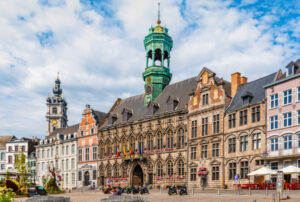
| Namur |
85 |
| Mons |
86 |
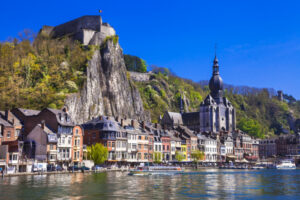
| Dinant |
88 |
| Bruxelas |
60 |
| Gante |
70 |
| Waterloo |
85 |
| Mechelen |
84 |
 Fresno Fresno | 38 |
| Winnemucca | 73 |
 Aveiro Aveiro | 85 |
| Galveston | 66 |
 Portmore Portmore | 67 |
| Hood River | 82 |
Informação Útil

Vistos
A Bélgica faz parte do Espaço Schengen. Muitos visitantes podem permanecer sem visto por até 90 dias dentro de qualquer período de 180 dias. Viajantes que necessitam de um visto Schengen de curta duração geralmente pagam €90 para adultos e €45 para crianças de 6 a 12 anos. O ETIAS ainda não está operacional em agosto de 2026, portanto, viajantes isentos de visto não devem tentar solicitá-lo ainda.

Moeda
Namur usa o euro. Cartões e pagamentos por aproximação são amplamente aceitos em hotéis, restaurantes, lojas, museus e supermercados. Leve uma pequena quantia em dinheiro para mercados, pequenas compras, armários ou banheiros públicos. Caixas eletrônicos operados por bancos são a melhor opção para saques, e a conversão dinâmica de moeda desnecessária deve ser recusada.

Clima
Namur tem verões amenos, invernos frescos e chuva ao longo do ano. As temperaturas no verão geralmente são confortáveis, mas podem ficar quentes durante ondas de calor. O inverno pode trazer geada, neve e gelo. Leve uma jaqueta impermeável leve durante todo o ano, sapatos confortáveis para caminhar, roupas em camadas na primavera e no outono, e um casaco quente no inverno.

Aeroportos
O Aeroporto de Bruxelas Sul Charleroi é o aeroporto principal mais próximo, localizado a cerca de 35 quilômetros de Namur. O Aeroporto de Bruxelas fica a aproximadamente 65 quilômetros e oferece muitas mais conexões internacionais. Trens, ônibus do aeroporto, carros de aluguel, táxis e transferências privadas fornecem transporte adicional, com o Aeroporto de Bruxelas particularmente bem conectado ao sistema ferroviário da Bélgica.

Seguro de Viagens
O seguro de viagem é recomendado, mesmo que Namur seja de baixo risco. Uma apólice adequada deve cobrir tratamento médico, cancelamento de viagem, roubo de bagagem, atrasos no transporte e problemas com aluguel de carro. Se você planeja fazer ciclismo, caminhadas, passeios de barco ou outras atividades ao ar livre extensas, verifique se essas atividades estão incluídas na apólice.
Namur Média Climática (Temperatura)
Temperatura Média Alta/Baixa
| Temperatura / Mês | Jan | Fev | Mar | Abr | Maio | Jun | Jul | Ago | Set | Out | Nov | Dez |
|---|---|---|---|---|---|---|---|---|---|---|---|---|
| Alta °C |
5 | 7 | 11 | 14 | 17 | 21 | 23 | 23 | 20 | 15 | 10 | 6 |
| Baixa °C |
0 | 1 | 3 | 5 | 8 | 12 | 13 | 13 | 11 | 8 | 5 | 2 |
| Alta °F |
41 | 45 | 52 | 57 | 63 | 70 | 73 | 73 | 68 | 59 | 50 | 43 |
| Baixa °F |
32 | 34 | 37 | 41 | 46 | 54 | 55 | 55 | 52 | 46 | 41 | 36 |
Bélgica - Segurança por Cidade
| Cidade | Índice de Segurança |
|---|---|
| Antuérpia | 65 |
| Bruges | 84 |
| Bruxelas | 60 |
| Dinant | 88 |
| Gante | 70 |
| Leuven | 87 |
| Mechelen | 84 |
| Mons | 86 |
| Namur | 85 |
| Waterloo | 85 |