


 Belgium : Safety by City
Belgium - safety as a country
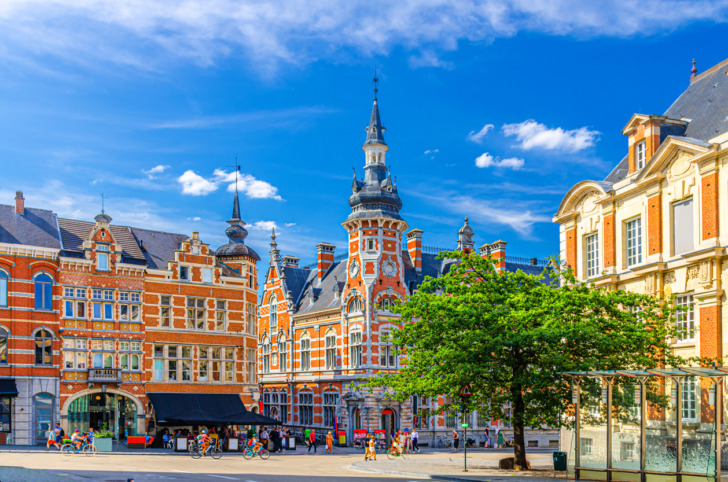
Leuven is one of Belgium’s most appealing small cities, sitting about 25 kilometers east of Brussels in the Flemish region of Flanders.
It is best known as the home of KU Leuven, one of Europe’s oldest universities, which gives the city a youthful energy far beyond what you might expect from its size.
Gothic architecture, cobbled streets, beer culture, bicycles, university colleges, and lively squares all fit into a remarkably compact center.
The spectacular Town Hall alone is worth stopping for, while the historic Great Beguinage offers a completely different, almost village-like atmosphere.
From a safety perspective, Leuven is an easy destination.
Serious crime against visitors is uncommon, public transportation is dependable, and most attractions are walkable.
The main issues are bicycle traffic, petty theft, late-night drunken behavior, and ordinary big-event precautions.
Warnings & Dangers in Leuven

OVERALL RISK: LOW
Leuven is generally very safe for visitors. Violent crime against tourists is uncommon, central streets are well used, and the university population keeps much of the city active throughout the day. Petty theft, bicycle accidents, and occasional alcohol-related disorder are more realistic concerns than serious personal danger.

TRANSPORT & TAXIS RISK: LOW
Public transportation, trains, taxis, and app-based rides are generally safe. Leuven is exceptionally bicycle-oriented, which creates the main transport hazard for visitors unfamiliar with bike lanes. Watch carefully before stepping into cycling paths and do not assume a quiet lane is a pedestrian sidewalk.

PICKPOCKETS RISK: LOW
Pickpocketing can occur around Leuven railway station, crowded festivals, shopping streets, nightlife areas, and busy public transportation, but it is not a major problem compared with larger European tourist cities. Keep phones and wallets secured in crowds and avoid leaving bags unattended at cafes or bars.

NATURAL DISASTERS RISK: LOW
Leuven has a low natural disaster risk. The most relevant hazards are heavy rain, localized flooding, thunderstorms, heatwaves, winter ice, and strong wind. Belgium’s weather can change quickly, so bring rain protection and take care on wet cobblestones and bicycle paths during poor weather.

MUGGING RISK: LOW
Muggings are uncommon, particularly around the historic center, university areas, and busy shopping streets. Risk increases slightly late at night on empty streets or around people who have been drinking heavily. Avoid confrontations, keep valuables discreet, and use a taxi if you feel uncomfortable walking back alone.

TERRORISM RISK: MEDIUM
Belgium has experienced terrorism incidents in the past, and national security authorities continue to treat terrorism as a potential concern. Leuven itself is not a major hotspot, but visitors should maintain normal awareness around railway stations, major events, universities, religious sites, and crowded public spaces.

SCAMS RISK: LOW
Tourist scams are uncommon in Leuven. Visitors are more likely to encounter questionable online accommodation listings, ticket resale scams, or occasional taxi overcharging than elaborate street fraud. Book lodging through established services, purchase transportation tickets through official channels, and check restaurant bills before paying.

WOMEN TRAVELERS RISK: LOW
Leuven is generally safe for women traveling alone. Central streets remain active well into the evening because of students, restaurants, bars, and university events. Women should still watch their drinks, avoid isolated areas after dark, and use trusted transportation if returning alone after a late night.

TAP WATER RISK: LOW
Tap water in Leuven is safe to drink and is routinely treated and monitored. Travelers can comfortably refill reusable bottles at their accommodation. Belgian tap water can have a different mineral taste depending on the supply area, but bottled water is usually unnecessary unless you simply prefer it.
Safest Places to Visit in Leuven
Grote Markt
Leuven’s Grote Markt is the heart of the historic center and one of the safest places to begin exploring.
The extraordinary Gothic Town Hall, Saint Peter’s Church, cafes, restaurants, and constant pedestrian activity make the square feel comfortable throughout most of the day and evening.
Great Beguinage
The Great Beguinage, or Groot Begijnhof, is one of Leuven’s most peaceful attractions.
Its brick houses, lanes, gardens, bridges, and courtyards form a beautifully preserved historic neighborhood now connected with the university.
It is quiet rather than crowded and generally very safe during daylight.
Ladeuzeplein and University Library
Ladeuzeplein is a broad public square dominated by Leuven’s University Library.
Students, cyclists, visitors, and cultural events keep the area active.
It is especially pleasant during the day and early evening.
Watch for bicycles when crossing surrounding streets.
Botanical Garden
Leuven’s botanical garden is a calm daytime destination west of the center.
It is well maintained and ideal for travelers who want a break from churches, bars, and busy squares.
Visit during regular opening hours rather than lingering around surrounding park areas late at night.
M-Museum and Central Shopping Streets
The streets around M Leuven, Bondgenotenlaan, Diestsestraat, and the historic center are among the easiest places for visitors to navigate.
Shops, cafes, hotels, cultural attractions, and regular foot traffic create a comfortable environment.
Normal precautions with bags and phones are sufficient.
Places to Avoid in Leuven
Leuven Station Area Late at Night
Leuven railway station and Martelarenplein are perfectly normal places during the day, with commuters, students, buses, shops, and restaurants constantly moving through the area.
Late at night, however, the atmosphere can become quieter and occasionally attract intoxicated people or minor antisocial behavior.
Travelers arriving with luggage should move toward their accommodation rather than lingering outside.
Oude Markt Around Closing Time
Oude Markt is one of Leuven’s most famous nightlife areas and certainly should not be avoided during a visit.
The square is packed with cafes and bars and is sometimes called one of Europe’s longest bars.
The time to use extra caution is very late at night, when heavy drinking can lead to arguments, broken glass, or reckless behavior.
Quiet Sections of Vaartkom After Dark
Vaartkom has undergone major redevelopment and now includes apartments, restaurants, offices, cultural spaces, and waterfront areas.
It is not a dangerous district.
However, quieter canalside paths and unfinished or less active sections can feel isolated after businesses close.
Stay around active venues at night.
Parks and Green Areas After Midnight
Leuven has numerous pleasant green spaces, but isolated parks provide little benefit to visitors late at night.
Poor lighting, limited foot traffic, and occasional intoxicated groups can make them less comfortable than central streets.
Bicycle Routes If You Are Not Paying Attention
This sounds unusual, but Leuven’s bike lanes may be the place visitors are most likely to get into trouble.
Never stand in a marked cycling lane while checking your phone or waiting to cross.
Local cyclists move quickly and expect pedestrians to stay out of their path.
Safety Tips for Traveling to Leuven
- Learn what a Belgian bike lane looks like. Leuven is packed with bicycles, and local cyclists often move quickly. Bike lanes may run beside sidewalks or cross pedestrian routes. Look in both directions before stepping into one and never stand in a cycling lane while taking photographs. A collision with a cyclist is a more realistic visitor problem here than violent crime.
- Secure valuables around the station. Leuven railway station becomes especially busy during commuting hours, university travel periods, and major events. Keep your phone, wallet, passport, and luggage close. Do not place a bag beside you and become distracted by ticket machines or navigation.
- Use extra caution during student nightlife. Leuven has an enormous student population relative to its size. Oude Markt and surrounding streets can become very lively, particularly on Thursday nights and during university events. Watch your drink, stay with friends, avoid arguments, and step away from visibly drunk groups.
- Do not leave valuables on cafe tables. Outdoor cafe culture is a major part of Leuven. Phones and wallets sitting near the edge of a table are unnecessarily easy to grab or forget. Keep valuables in a secured bag or pocket when eating or drinking outdoors.
- Watch for trams, buses, bicycles, and cars when crossing. Leuven is pedestrian-friendly, but that does not mean traffic disappears. Pay attention around bus lanes, cycle paths, intersections, and roads near the railway station. Visitors from countries with different traffic patterns should take an extra second before crossing.
- Prepare for rain. Belgian weather can switch from pleasant sunshine to rain surprisingly quickly. Carry a small umbrella or waterproof jacket and wear shoes suitable for wet cobblestones. Historic streets and stone squares can become slippery, especially in autumn and winter.
- Keep bicycle rentals properly locked. If you rent a bicycle, use the lock supplied and secure it correctly every time you stop. Bicycle theft is much more common than tourist robbery in university cities. Ask the rental company how they expect the bike to be locked and what happens if it is stolen.
- Use official transportation after a late night. Leuven is compact enough to walk almost everywhere, but there is no prize for walking across town alone at 3 a.m. after several Belgian beers. Use a licensed taxi or trusted ride service if you feel uncomfortable, tired, or intoxicated.
- Avoid demonstrations and tense gatherings. Belgium has an active protest culture, and demonstrations can occasionally affect transport or public spaces. Most remain peaceful, but visitors gain nothing by entering a tense crowd. Follow police instructions and choose another route if streets are blocked.
- Keep emergency information available. Belgium uses 112 for urgent medical, fire, or police emergencies. Keep your phone charged and save your accommodation address before going out. If you lose property or need non-emergency assistance, hotel staff, railway employees, university security personnel, and local police are generally approachable.
So... How Safe Is Leuven Really?
Leuven is genuinely safe by European urban travel standards.
Its compact historic center, enormous university presence, busy public squares, dependable public transportation, and high level of pedestrian activity create an environment where visitors can explore comfortably throughout most of the day and evening.
Crime certainly exists.
Theft, bicycle theft, burglary, assault, vandalism, and alcohol-related incidents occur just as they do elsewhere in Belgium.
However, tourists are not routinely targeted for violent crime, and Leuven does not have clearly defined neighborhoods that ordinary visitors need to treat as no-go areas.
The railway station deserves normal big-city awareness because thousands of people pass through it, while Oude Markt becomes rowdier late at night.
Neither area should be avoided during normal hours.
For many travelers, bicycles are a more immediate safety challenge.
Leuven’s cycling infrastructure is extensive, and visitors sometimes walk into bike lanes without realizing it.
Road awareness matters even when exploring the pedestrian-friendly center.
Belgium’s terrorism history also means security authorities take potential threats seriously.
Large public events and transport facilities can receive additional security measures, but this should not discourage ordinary tourism.
My assessment is that Leuven has a low overall risk.
It is suitable for families, couples, solo travelers, women traveling alone, students, and older visitors.
Watch the bicycles, secure your belongings in crowds, use common sense around nightlife, and Leuven is an easy city to enjoy.
How Does Leuven Compare?
| City | Safety Index |
|---|---|
| Leuven |
87 |
| Ghent |
70 |
| Mons |
86 |
| Mechelen |
84 |
| Antwerp |
65 |
| Dinant |
88 |
| Namur |
85 |
 Brooklyn Brooklyn | 74 |
 Kyoto Kyoto | 83 |
| Reading | 58 |
| LaPlace | 75 |
| Metairie | 61 |
| Pittsfield | 75 |
Useful Information

Visas
Belgium is part of the Schengen Area. Citizens of the United States, Canada, the United Kingdom, Australia, and many other countries can generally visit for up to 90 days within any 180-day period without a short-stay visa. Travelers who require a Schengen visa generally pay a standard adult application fee of €90.

Currency
Leuven uses the euro. Debit cards, credit cards, and contactless payments are widely accepted in hotels, supermarkets, restaurants, museums, and shops. Some smaller businesses may prefer Belgian debit systems or cash, so carrying €20 to €50 is useful. Bank ATMs generally provide better exchange options than tourist currency counters.

Weather
Leuven has mild summers, cool winters, and rainfall throughout the year. Summer temperatures commonly reach the low to mid-20s Celsius, while winter days can hover only a few degrees above freezing. Pack layers, comfortable walking shoes, and a rain jacket regardless of season. Winter visitors should prepare for occasional frost or snow.

Airports
Brussels Airport is the most convenient airport for Leuven and is only about 25 kilometers away. Direct trains can reach Leuven in roughly 15 minutes, making airport access unusually easy. Brussels South Charleroi Airport is much farther away and generally requires a bus, train connection, rental car, or private transfer.

Travel Insurance
Travel insurance is recommended even for a relatively safe destination like Leuven. Choose coverage for medical treatment, trip cancellation, theft, lost luggage, and transportation disruption. European travelers should carry any health coverage documentation available to them, while visitors from outside Europe should make sure emergency medical treatment is fully covered.
Leuven Weather Averages (Temperatures)
Average High/Low Temperature
| Temperature / Month | Jan | Feb | Mar | Apr | May | Jun | Jul | Aug | Sep | Oct | Nov | Dec |
|---|---|---|---|---|---|---|---|---|---|---|---|---|
| High °C |
5 | 7 | 11 | 15 | 18 | 22 | 24 | 24 | 20 | 15 | 10 | 7 |
| Low °C |
1 | 2 | 3 | 6 | 9 | 12 | 14 | 14 | 12 | 9 | 5 | 3 |
| High °F |
41 | 45 | 52 | 59 | 64 | 72 | 75 | 75 | 68 | 59 | 50 | 45 |
| Low °F |
34 | 36 | 37 | 43 | 48 | 54 | 57 | 57 | 54 | 48 | 41 | 37 |
Belgium - Safety by City
| City | Safety Index |
|---|---|
| Antwerp | 65 |
| Bruges | 84 |
| Brussels | 60 |
| Dinant | 88 |
| Ghent | 70 |
| Leuven | 87 |
| Mechelen | 84 |
| Mons | 86 |
| Namur | 85 |
| Waterloo | 85 |
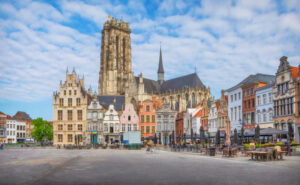
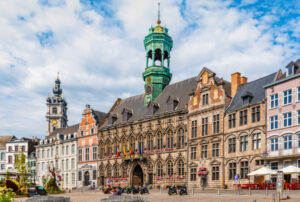
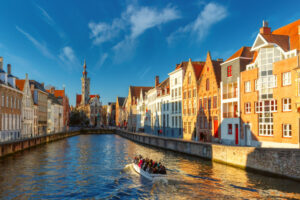












Walking around Leuven, I remember feeling this weird mix of calm and energy at the same time, especially near those lively squares where the buzz of students blends with old buildings; it’s the kind of place where you could easily spend an afternoon just wandering and soaking it all up without a worry.
Oh sure, nothing says charming small city like nearly getting flattened by a bike swarm while dodging spilled beer and tipsy students at midnight.