


 Belgium : Safety by City
Belgium - safety as a country
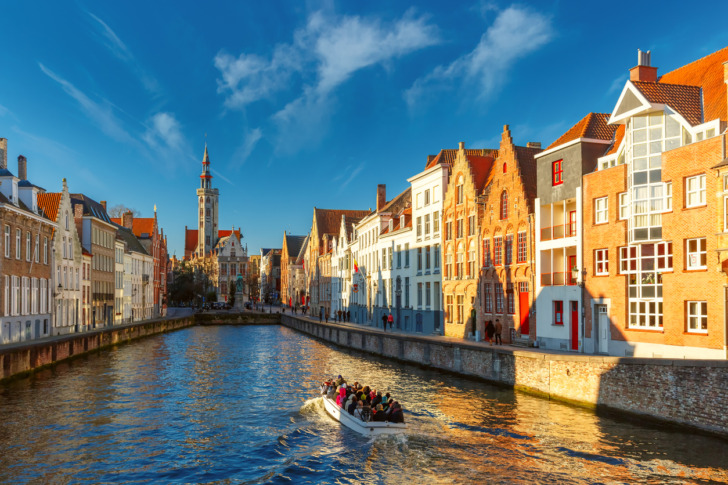
Bruges is the kind of city that makes you feel like you accidentally walked into a medieval painting, then found out the painting has chocolate shops, canals, waffles, beer halls, and very tidy cobblestone streets.
Located in northwest Belgium, in the Flemish region, Bruges is close to the North Sea and only a short train ride from Brussels, Ghent, and Antwerp.
Its historic center is a UNESCO World Heritage Site, famous for stepped-gable houses, canal bridges, horse-drawn carriages, the Markt square, and the Belfry that towers over the city.
Bruges is also one of the safest and easiest cities in Europe for tourists.
That said, it is still a busy visitor destination, so the real risks are pickpockets, bike traffic, slippery cobblestones, overpriced tourist zones, and getting slightly hypnotized by chocolate displays.
Warnings & Dangers in Bruges

OVERALL RISK: LOW
Bruges is a low-risk destination for travelers. Violent crime is rare, the historic center is well maintained, and tourist areas are generally safe during the day and evening. The biggest concerns are petty theft in crowded spots, bicycle traffic, slippery streets in the rain, and the high cost of eating or drinking in the most touristy areas.

TRANSPORT & TAXIS RISK: LOW
Transport in Bruges is safe and easy. The city is walkable, trains are reliable, buses are useful, and taxis are generally safe. The main issue is not crime, but convenience. Many old-town streets are narrow, cobbled, or pedestrianized, so walking is often better than driving. Watch for cyclists, especially near busy intersections and station routes.

PICKPOCKETS RISK: MEDIUM
Pickpocketing is not rampant, but Bruges attracts heavy tourist traffic, especially around the Markt, Burg Square, canal boat areas, train station, and chocolate-shopping streets. Crowds create opportunities. Keep bags zipped, avoid back-pocket wallets, and do not leave phones or purses on cafe tables, especially in outdoor seating areas.

NATURAL DISASTERS RISK: LOW
Bruges has a low natural disaster risk. The main weather issues are rain, wind, cold snaps, and occasional slippery streets. Because it is a canal city, heavy rain can be inconvenient, but major disasters are not a typical tourist concern. Bring practical shoes and a rain jacket, especially in the summer.

MUGGING RISK: LOW
Mugging is very uncommon in Bruges. Central areas are safe, well-visited, and comfortable for walking in the evening. Still, avoid very quiet streets late at night if you are alone or drunk, and use normal caution around the train station after dark. Serious street crime is not something most visitors need to worry about.

TERRORISM RISK: LOW
The terrorism risk in Bruges is low. Belgium has had security concerns in the past, but Bruges itself is not usually considered a high-risk target for ordinary travelers. As with any European city, stay aware in crowded squares, transport hubs, and large events. For a typical visit, this is not a major concern.

SCAMS RISK: LOW
Scams are not a major issue in Bruges, but tourists may run into overpriced menus, unclear service charges, souvenir markups, or low-value "special deals." The best defense is to check prices before sitting down, especially around the Markt. Bruges is more expensive than some visitors expect, but not especially scam-heavy.

WOMEN TRAVELERS RISK: LOW
Bruges is very safe for women travelers, including solo women. The historic center is walkable, public areas are busy, and harassment is not a major issue. Normal precautions still apply: avoid isolated streets late at night, use trusted transport if needed, watch drinks in bars, and stay aware around the station after dark.

TAP WATER RISK: LOW
Tap water in Bruges is safe to drink. Restaurants may offer bottled water by default, but there is no safety reason to avoid tap water. Bringing a reusable bottle is useful, especially if you plan to walk all day through the historic center, climb the Belfry, or take longer canal-side routes.
Safest Places to Visit in Bruges
The Markt
The Markt is the heart of Bruges and one of the safest, busiest, and most iconic places in the city.
It is surrounded by colorful historic buildings, restaurants, cafes, and the Belfry.
During the day and early evening, it is full of visitors, tour groups, and street activity.
The main risk here is not danger, but crowds and expensive tourist-facing restaurants.
Keep valuables secure and check menus before sitting down.
Burg Square
Burg Square is smaller and often feels a bit more elegant than the Markt.
It has beautiful architecture, important civic buildings, and easy access to nearby streets and canals.
It is very safe during normal visiting hours and a great spot for photography.
Because people often get distracted looking upward, it is still smart to keep bags closed and phones secure.
Canal Walks and Boat Areas
Bruges’ canals are one of the best parts of the city, and the central canal routes are generally very safe.
Boat tour areas can be busy, but they are well-used and tourist-friendly.
Be careful near canal edges, especially in rain, at night, or when taking photos.
The water is picturesque, but the stone edges and bridges can be slippery.
Minnewater and the Begijnhof
Minnewater, also called the Lake of Love, and the nearby Begijnhof area are peaceful, scenic, and safe for daytime exploring.
This is one of the best areas if you want a slower break from the busiest shopping streets.
It is lovely for couples, solo travelers, and photographers.
At night, the area can become quieter, so stick to main paths and well-lit routes.
Sint-Anna Quarter
The Sint-Anna Quarter is one of my favorite safer, calmer parts of Bruges.
It has windmills, quieter streets, churches, and a more local feel than the crowded center.
It is great during the day if you want to see Bruges beyond chocolate shops and canal selfies.
The area is safe, but less crowded, so use normal awareness if walking there after dark.
Places to Avoid in Bruges
Crowded Areas Around the Markt During Peak Hours
The Markt is not dangerous, but it can become extremely crowded, especially in summer, on weekends, during holidays, and around the Christmas market season.
Crowds attract pickpockets and make it easier to lose track of bags, phones, or children.
Visit early in the morning or late in the evening if you want a calmer experience.
The Train Station Area Late at Night
Bruges station is safe by normal standards, but like many European train stations, it is one of the places where travelers should be more aware.
Late at night, it can feel less charming than the old town.
Keep belongings close, avoid lingering unnecessarily, and use a taxi or bus if your hotel is far away.
Empty Canal Paths After Dark
Bruges is romantic at night, but some canal-side paths and quiet lanes can become isolated after the day-trippers leave.
This does not make them dangerous, but it does make them less ideal for solo late-night wandering.
Stick to well-lit streets, central squares, and busier routes back to your accommodation.
Tourist Restaurants With No Clear Prices
This is a financial safety warning more than a personal safety warning.
Bruges has many good places to eat, but some restaurants in prime tourist spots charge high prices for average food.
Check menus, drink prices, and service costs before sitting down.
A beautiful square view can come with a very enthusiastic bill.
Wet Cobblestone Streets
Bruges’ old streets are beautiful but not always forgiving.
Rain, winter frost, and uneven cobblestones can make walking tricky.
This is especially important for older travelers, families with strollers, and anyone wearing smooth-soled shoes.
The city is safe, but the pavement has medieval opinions about your ankles.
Safety Tips for Traveling to Bruges
- Keep your valuables secure in tourist crowds. Bruges is safe, but its popularity creates perfect conditions for petty theft. The Markt, Burg Square, canal boat areas, chocolate shops, and busy shopping lanes can get packed. Keep your bag zipped and close to your body. Avoid putting wallets in back pockets. Do not leave your phone on an outdoor cafe table while you admire the view.
- Wear proper shoes. This is one of the most important tips for Bruges. The city is made for walking, but cobblestones can be uneven, slippery, and tiring. Comfortable shoes with grip will make your trip much better. This matters even more if you are visiting in the rain, winter, or during long sightseeing days. Cute shoes are nice. Functional shoes are nicer by hour three.
- Watch for bicycles. Belgium is bike-friendly, and Bruges has plenty of cyclists. Tourists sometimes step into bike lanes without realizing it, especially when taking photos or following maps. Look both ways before crossing paths or streets, and do not walk in marked bike lanes. Cyclists are not usually aggressive, but they do move quickly and expect pedestrians to pay attention.
- Visit major sights early. Bruges gets a lot of day-trippers, especially from Brussels, Ghent, and cruise routes. If you want safer, calmer sightseeing, visit popular places early in the morning. The Markt, Belfry, canal viewpoints, and famous photo spots are much easier before the crowds arrive. Fewer crowds also means less pickpocket risk and better photos.
- Be careful near canals. The canals are beautiful, but they are still open water with stone edges, bridges, and steps. Do not lean too far over for photos, especially in wet weather. Keep children close to the canal edges. At night, avoid walking too close to the water if visibility is poor or you have been drinking. Bruges is charming, but gravity remains undefeated.
- Check restaurant prices before sitting down. Bruges can be expensive, especially around the most scenic squares. Always check the menu before choosing a restaurant, and look at drink prices too. Some places charge much more than visitors expect for basic meals or beer. This is not usually a scam, but it can feel like one if you sit down without checking.
- Use trains confidently, but stay alert. The train system makes Bruges easy to reach from Brussels, Ghent, Antwerp, and other Belgian cities. It is safe and practical, but keep an eye on your belongings at stations and on busy trains. Store luggage where you can see it when possible. Train travel is one of the best ways to visit Bruges, just not a reason to switch off completely.
- Plan for rain. Bruges is beautiful in the rain, but wet weather changes the experience. Cobblestones become slippery, canal paths get damp, and outdoor sightseeing can feel colder than expected. Bring a compact umbrella or rain jacket, especially in the summer. A backup indoor plan, such as museums, churches, chocolate shops, or beer tastings, can save the day.
- Avoid wandering too far alone after drinking. Bruges has a calm nightlife scene, with beer bars, cozy pubs, and restaurants rather than wild club streets. Still, alcohol plus unfamiliar cobblestone lanes is not a genius combination. If you are out late, stay on well-lit central routes or take a taxi. This is more about avoiding falls, getting lost, or making yourself an easy target than serious crime.
- Keep documents and cards separate. Do not carry every card, document, and piece of cash in one place. Leave your passport secured at your accommodation if you do not need it, and carry a copy instead. Keep one backup card separate from your wallet. Bruges is low-risk, but if you lose everything at once, your peaceful medieval weekend becomes an admin quest.
So... How Safe Is Bruges Really?
Bruges is very safe, especially by European tourist-city standards.
Violent crime is rare, central areas are well maintained, and the city is comfortable for families, couples, solo travelers, older visitors, and first-time travelers.
Most people will feel relaxed walking through the old town, along the canals, and between restaurants, museums, shops, and hotels.
The main safety issue is that Bruges feels so calm that travelers can become careless.
Pickpockets do not need a dangerous city to operate.
They need crowded places and distracted tourists.
The Markt, canal boat areas, shopping streets, and train station are the places where you should pay more attention.
Beyond that, the biggest practical risks are slippery cobblestones, bike traffic, high prices, and weather.
I would rate Bruges as low risk overall.
It is one of those destinations where basic precautions go a long way.
Keep your valuables secure, wear proper shoes, check prices before sitting down, and plan around crowds if visiting in peak season.
Do that, and Bruges is not just safe.
It is one of Europe’s easiest cities to fall for.
How Does Bruges Compare?
| City | Safety Index |
|---|---|
| Bruges |
84 |
| Dinant |
88 |
| Brussels |
60 |
| Namur |
85 |
| Ghent |
70 |
| Mechelen |
84 |
| Mons |
86 |
 Gabala Gabala | 87 |
 Tomah Tomah | 83 |
| Glen Arbor | 76 |
| Oklahoma | 65 |
| Seekonk | 87 |
 Gdansk Gdansk | 68 |
Useful Information

Visas
Belgium is part of the Schengen Area. Many travelers, including visitors from the United States, Canada, the United Kingdom, Australia, and many other countries, can enter visa-free for up to 90 days in a 180-day period. Travelers from countries that require a Schengen visa should apply before arrival.

Currency
Bruges uses the euro. Credit and debit cards are widely accepted in hotels, restaurants, shops, and attractions, but carrying some cash is still useful for small purchases, markets, public toilets, and tips. ATMs are easy to find. Avoid poor exchange rates at tourist exchange counters when possible.

Weather
Bruges has mild but often damp weather. Summers are pleasant, spring and autumn can be cool and rainy, and winters are chilly with short daylight hours. Pack layers, comfortable walking shoes, and rain protection. Even if the forecast looks friendly, Bruges has a way of reminding visitors that canal cities enjoy moisture.

Airports
Bruges does not have a major international airport. Most travelers arrive through Brussels Airport, then take the train to Bruges. Brussels South Charleroi Airport is another option for some budget airlines, though it is less convenient. Trains from Brussels are usually the easiest and most practical way to reach the city.

Travel Insurance
Travel insurance is recommended for Bruges, especially if your trip includes multiple European cities, prepaid hotels, train connections, or expensive tours. A good policy can cover medical care, cancellations, lost luggage, theft, and travel delays. Bruges is safe, but missed connections and lost belongings still happen.
Bruges Weather Averages (Temperatures)
Average High/Low Temperature
| Temperature / Month | Jan | Feb | Mar | Apr | May | Jun | Jul | Aug | Sep | Oct | Nov | Dec |
|---|---|---|---|---|---|---|---|---|---|---|---|---|
| High °C |
7 | 8 | 11 | 14 | 18 | 20 | 22 | 22 | 19 | 15 | 11 | 8 |
| Low °C |
3 | 3 | 4 | 6 | 9 | 12 | 14 | 14 | 12 | 9 | 6 | 4 |
| High °F |
45 | 46 | 52 | 57 | 64 | 68 | 72 | 72 | 66 | 59 | 52 | 46 |
| Low °F |
37 | 37 | 39 | 43 | 48 | 54 | 57 | 57 | 54 | 48 | 43 | 39 |
Belgium - Safety by City
| City | Safety Index |
|---|---|
| Antwerp | 65 |
| Bruges | 84 |
| Brussels | 60 |
| Dinant | 88 |
| Ghent | 70 |
| Leuven | 87 |
| Mechelen | 84 |
| Mons | 86 |
| Namur | 85 |
| Waterloo | 85 |
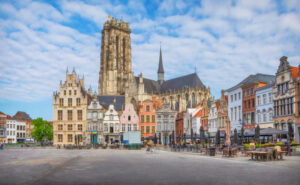
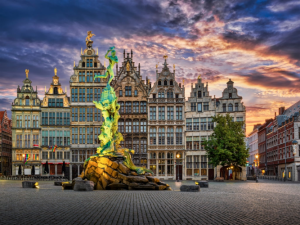












Finaly another Belgian city here
Bruges is probably one of the safest cities in Belgium, feels cozy and warm it will be like you travel back in time to the middle ages, i tough the score could be even higher but this one it’s also fine.