 Costa Rica : Safety by City
- Cartago
- Drake Bay
- La Fortuna
- Manuel Antonio
- Monteverde
- Nosara
- Playa Flamingo
- Puerto Viejo
- Quepos
- San Jose
- Santa Teresa
- Tamarindo
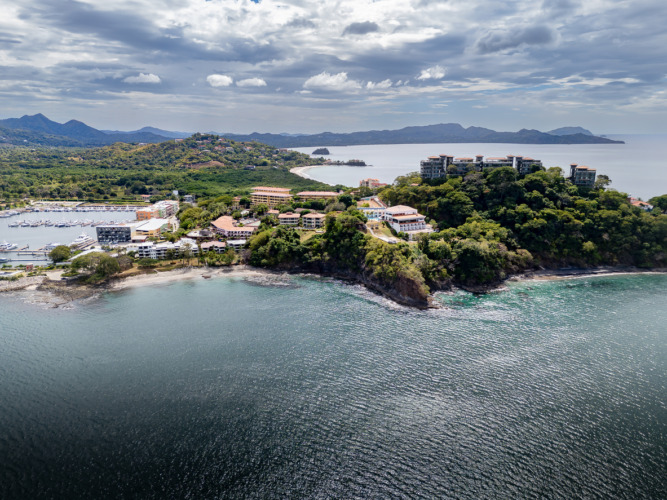
Playa Flamingo is one of the most attractive beach communities on Costa Rica’s northern Pacific coast.
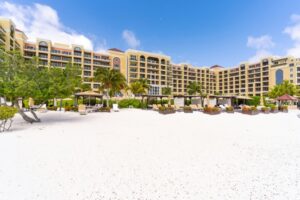
Located in Guanacaste, the area is known for its pale sand, warm water, luxury villas, resorts, sport fishing, sailing, diving, spectacular sunsets, and the modern Marina Flamingo.
From a safety perspective, Playa Flamingo is generally a low-risk destination for travelers.
It is quieter and more upscale than several of Costa Rica’s larger beach towns, and serious crime involving tourists is uncommon.
However, petty theft, vehicle break-ins, unattended belongings on the beach, dangerous ocean conditions, road accidents, and heavy seasonal rainfall remain realistic concerns.
Costa Rican beaches can experience strong currents even when the water initially appears calm, and lifeguard coverage should never be assumed.
Travelers should also avoid leaving anything valuable inside rental vehicles, including at beaches and scenic stops.
With ordinary precautions, Playa Flamingo is a comfortable destination for families, couples, solo travelers, and visitors looking for a relaxed base on the Guanacaste coast.
Warnings & Dangers in Playa Flamingo

OVERALL RISK: LOW
Playa Flamingo is generally a low-risk destination. The community is heavily oriented toward tourism, with resorts, vacation rentals, restaurants, tour companies, and the marina providing well-developed visitor infrastructure. Petty theft and property crime are more realistic concerns than violent crime. Keep valuables secure, avoid isolated areas late at night, and take ocean safety seriously.

TRANSPORT & TAXIS RISK: LOW
Taxis, rental cars, private transfers, and organized transportation are commonly used around Playa Flamingo. The biggest transportation concern is road safety rather than crime. Roads outside the main tourist areas can be narrow, poorly illuminated, or damaged during heavy rain. Motorcycles, pedestrians, animals, and potholes can be difficult to see at night. Use established taxis or transportation arranged through your hotel or rental property and avoid unnecessary nighttime driving on unfamiliar rural roads.

PICKPOCKETS RISK: LOW
Pickpocketing is not a major problem in Playa Flamingo, but opportunistic theft does occur in Costa Rica's tourist areas. The greater concern is leaving a phone, wallet, camera, passport, or bag unattended while swimming. Bring as little as possible to the beach and never assume belongings are safe simply because the area feels quiet.

NATURAL DISASTERS RISK: MEDIUM
Heavy tropical rainfall, flooding, landslides, thunderstorms, strong winds, and rough ocean conditions are the main natural hazards affecting Playa Flamingo. Guanacaste has a pronounced rainy season, and intense storms can temporarily flood roads or make rural routes difficult to use. Tropical systems passing through or near Central America can also generate significant rainfall and dangerous seas even when Costa Rica does not receive a direct hurricane strike.

MUGGING RISK: LOW
Muggings are not common around Playa Flamingo, but violent crime does occur in Costa Rica. The risk increases in isolated locations, deserted beaches, and poorly illuminated roads late at night. Avoid carrying large amounts of cash or displaying expensive jewelry and electronics unnecessarily. If confronted by an armed robber, do not physically resist.

TERRORISM RISK: LOW
Playa Flamingo has a low terrorism risk. There is no significant pattern of terrorist activity targeting visitors in Guanacaste, and terrorism should not be a major concern for ordinary travelers. Normal awareness at airports, festivals, and crowded public locations is sufficient.

SCAMS RISK: LOW
Tourist scams are possible, although they are not one of Playa Flamingo's biggest safety problems. Confirm prices before booking fishing trips, boat tours, taxis, private transportation, diving excursions, or other activities. Use established operators and be cautious about vacation rentals, tours, or transportation services that require unusual payment methods or seem dramatically cheaper than comparable options.

WOMEN TRAVELERS RISK: LOW
Playa Flamingo is generally comfortable for women traveling alone. Solo female travelers should still use normal precautions, particularly after dark. Avoid isolated beaches late at night, keep control of drinks in bars and restaurants, and use reliable transportation instead of walking long distances along quiet roads. Daytime beach activities and established excursions generally present few additional concerns.

TAP WATER RISK: LOW
Tap water in established areas of Playa Flamingo is generally considered safe to drink. However, water quality can vary between properties, particularly those using private systems, tanks, or wells. Travelers with sensitive stomachs may prefer filtered or bottled water if they are uncertain about their accommodation's supply. Temporary interruptions can also occur during infrastructure problems or severe weather.
Safest Places to Visit in Playa Flamingo
Playa Flamingo Beach
Playa Flamingo itself is the area’s main attraction and is generally comfortable for visitors during daylight hours.
The beach is known for relatively gentle swimming conditions compared with some more exposed Costa Rican beaches, but conditions can change.
Never assume a lifeguard will be present, keep children closely supervised, and secure belongings before entering the water.
Marina Flamingo
Marina Flamingo is one of the most developed areas of the community and serves as the departure point for fishing, sailing, diving, and boating excursions.
Restaurants and tourism businesses make the marina active throughout much of the day.
Use established operators and make sure appropriate life jackets and safety equipment are provided for marine excursions.
Playa Potrero
Nearby Playa Potrero offers a quieter coastal atmosphere and numerous restaurants, accommodations, and boating activities.
Daytime visits are generally straightforward.
As with Playa Flamingo, avoid leaving valuables unattended on the sand or visible inside a parked vehicle.
Playa Conchal
Playa Conchal is one of Guanacaste’s most famous beaches and is a popular excursion from Playa Flamingo.
Its distinctive shell-covered shoreline and clear water attract large numbers of visitors.
The biggest concerns are protecting unattended belongings, strong sunshine, and changing ocean conditions rather than serious crime.
Las Catalinas
Las Catalinas is a planned coastal community north of Playa Flamingo with restaurants, beaches, pedestrian areas, mountain biking, and hiking trails.
It is generally comfortable for visitors and provides organized tourism infrastructure.
Outdoor activities can become physically demanding in Guanacaste’s heat, so carry water and avoid overexertion during the hottest hours.
Places to Avoid in Playa Flamingo
Isolated Beaches After Dark
Quiet beaches around Guanacaste can become extremely isolated once the sun goes down.
Even beaches that feel completely safe during daylight are poor places to leave belongings or walk alone late at night.
Return to populated restaurants, resorts, or accommodation after sunset.
Parked Cars With Valuables Inside
Rental vehicles are frequent targets for opportunistic theft in Costa Rica.
Do not leave luggage, backpacks, electronics, passports, shopping bags, or even seemingly unimportant belongings visible inside a parked car.
Take valuables with you whenever possible, even during short stops.
The Ocean During Rough Conditions
Playa Flamingo often has relatively calm water, but Pacific conditions can change.
Strong currents and larger waves can develop during storms or periods of increased swell.
Do not swim alone, at night, while intoxicated, or when local conditions appear unsafe.
Flooded Rural Roads
Heavy rainy-season storms can flood low-lying roads and crossings around Guanacaste.
Never drive through water when you cannot determine its depth or condition underneath.
Flooding can hide damaged roads, potholes, or stronger currents than expected.
Unfamiliar Rural Roads at Night
Driving through rural Guanacaste after dark can be challenging because of limited lighting, potholes, animals, pedestrians, motorcycles, and unexpected road conditions.
Use main roads whenever possible and arrange transportation if you plan to drink or are unfamiliar with the area.
Safety Tips for Traveling to Playa Flamingo
- Never Leave Valuables Unattended on the Beach. Phones, wallets, cameras, passports, and bags can disappear quickly while you are swimming. Bring only what you need and use a secure hotel or accommodation safe for important documents.
- Do Not Leave Anything Visible in Your Rental Car. Vehicle break-ins are one of the more realistic crime concerns for tourists in Costa Rica. Empty the passenger compartment and physically check that the doors are locked before walking away.
- Ask About Ocean Conditions Before Swimming. Playa Flamingo is often relatively calm, but conditions change. Ask your hotel, tour operator, or local residents about currents and surf before entering the water, particularly with children.
- Do Not Assume There Is a Lifeguard. Many Costa Rican beaches have limited or no regular lifeguard coverage. Children should remain closely supervised, and weaker swimmers should stay close to shore.
- Protect Yourself From the Sun. Guanacaste can become extremely hot and sunny, particularly during the dry season. Use sunscreen, wear a hat when appropriate, drink plenty of water, and take breaks in the shade.
- Use Established Tour Operators. Fishing, diving, sailing, jet skiing, snorkeling, and other marine activities should be booked through reputable businesses with appropriate equipment and experienced staff.
- Avoid Long Walks on Quiet Roads After Dark. Playa Flamingo is spread out, and some roads become very quiet at night. A taxi or pre-arranged driver is preferable when your accommodation is not within an active central area.
- Prepare for the Rainy Season. Heavy rain can produce flooding, thunderstorms, muddy roads, and transportation delays. Check weather conditions before long drives or marine excursions during the wetter months.
- Keep Wildlife at a Distance. Monkeys, coatis, iguanas, snakes, and other wildlife may be encountered around Guanacaste. Do not feed or attempt to handle wild animals, even when they appear accustomed to people.
- Call 911 in an Emergency. Costa Rica uses 911 for police, medical, and other emergencies. Save the number before your trip so you can access it quickly if something goes wrong.
So... How Safe Is Playa Flamingo Really?
Playa Flamingo is generally one of the more comfortable beach destinations for visitors exploring Costa Rica’s Pacific coast.
The area is relatively quiet, tourism infrastructure is well developed, and serious violent crime involving tourists is uncommon.
Resorts, vacation homes, restaurants, tour businesses, and Marina Flamingo attract a steady flow of international visitors.
That does not mean travelers should become careless.
Petty theft and vehicle break-ins are among the most realistic crime concerns.
Leaving a backpack inside a rental car or a smartphone unattended on the beach creates unnecessary opportunities for theft.
Ocean safety is equally important.
Playa Flamingo normally has more manageable swimming conditions than some of Costa Rica’s rougher surf beaches, but currents and waves can change.
Visitors should never assume that calm-looking water is automatically safe.
Road travel creates another practical risk.
Rural Guanacaste roads can be dark and unpredictable, particularly during the rainy season.
Potholes, flooding, motorcycles, pedestrians, and animals make nighttime driving more difficult.
Weather also deserves attention.
Heavy tropical rainfall can cause flooding and road problems, while strong storms offshore may produce dangerous maritime conditions.
For most visitors, these concerns are easy to manage.
Playa Flamingo is a low-risk destination when travelers secure their belongings, avoid leaving valuables inside vehicles, use reputable tour companies, drive cautiously, and respect the Pacific Ocean.
How Does Playa Flamingo Compare?
| City | Safety Index |
|---|---|
| Playa Flamingo |
78 |
| San Jose |
59 |
| Manuel Antonio |
58 |
| Cartago |
74 |
| Nosara |
79 |
| La Fortuna |
80 |
| Drake Bay |
76 |
 Tsaghkadzor | 89 |
 Muharraq | 76 |
 Blue Springs | 82 |
| Oceanside | 85 |
 Halifax | 79 |
| Pittsburg | 70 |
Useful Information

Visas
Costa Rica's entry requirements depend on nationality. Travelers from many countries, including the United States and Canada, can visit for tourism without obtaining a traditional visa in advance for permitted short stays. Visitors should have a valid passport and may be asked to demonstrate onward or return travel.

Currency
Costa Rica uses the Costa Rican colón, abbreviated CRC. U.S. dollars are also widely accepted in tourist areas such as Playa Flamingo, although change may be provided in colones. Credit and debit cards are accepted by most hotels, restaurants, supermarkets, and established tourism companies. Carrying some local cash remains useful for small purchases and tips.

Weather
Playa Flamingo has a tropical climate with a pronounced dry and rainy season. The driest and sunniest conditions generally occur from approximately December through April. The rainy season usually runs from May through November, with September and October among the wetter months. Rain often arrives in heavier afternoon or evening bursts.

Airports
Daniel Oduber Quirós International Airport near Liberia is the main airport for Playa Flamingo and the northern Guanacaste coast. The drive to Playa Flamingo generally takes around one hour to one hour and fifteen minutes, depending on traffic and road conditions. Private transfers, taxis, shuttles, and rental cars are available.

Travel Insurance
Travel insurance is worth considering for Playa Flamingo, particularly for visitors planning diving, boating, fishing, surfing, ATV tours, or other adventure activities. Coverage for emergency medical treatment, evacuation, trip cancellations, weather disruptions, rental vehicle problems, and lost belongings can be useful. Make sure any higher-risk activities you plan to participate in are specifically covered by your policy.
Playa Flamingo Weather Averages (Temperatures)
Average High/Low Temperature
| Temperature / Month | Jan | Feb | Mar | Apr | May | Jun | Jul | Aug | Sep | Oct | Nov | Dec |
|---|---|---|---|---|---|---|---|---|---|---|---|---|
| High °C |
33 | 34 | 35 | 36 | 33 | 32 | 32 | 32 | 32 | 31 | 32 | 32 |
| Low °C |
22 | 22 | 22 | 23 | 23 | 23 | 23 | 23 | 23 | 23 | 22 | 21 |
| High °F |
91 | 93 | 95 | 97 | 91 | 90 | 90 | 90 | 90 | 88 | 90 | 90 |
| Low °F |
72 | 72 | 72 | 73 | 73 | 73 | 73 | 73 | 73 | 73 | 72 | 70 |
Costa Rica - Safety by City
| City | Safety Index |
|---|---|
| Cartago | 74 |
| Drake Bay | 76 |
| La Fortuna | 80 |
| Manuel Antonio | 58 |
| Monteverde | 74 |
| Nosara | 79 |
| Playa Flamingo | 78 |
| Puerto Viejo | 52 |
| Quepos | 55 |
| San Jose | 59 |
| Santa Teresa | 72 |
| Tamarindo | 57 |