 Costa Rica : Safety by City
- Cartago
- Drake Bay
- La Fortuna
- Manuel Antonio
- Monteverde
- Nosara
- Playa Flamingo
- Puerto Viejo
- Quepos
- San Jose
- Santa Teresa
- Tamarindo
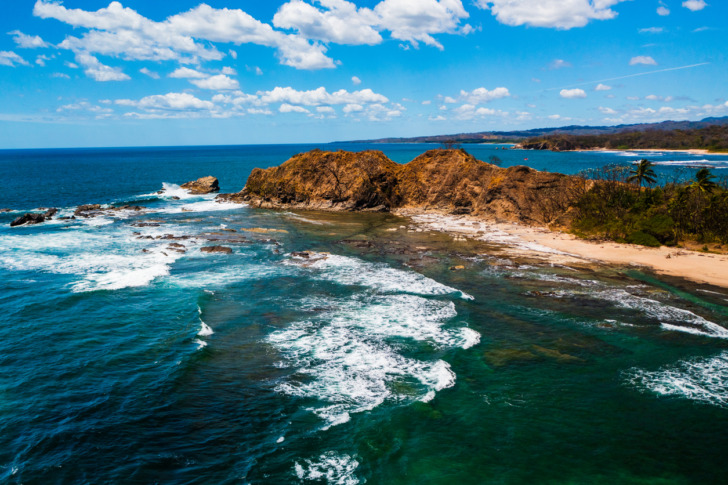
Nosara is a laid-back beach community on Costa Rica’s Nicoya Peninsula, known for surfing, yoga retreats, wildlife, tropical forests, and long stretches of Pacific coastline.
Playa Guiones, Playa Pelada, and the surrounding neighborhoods attract surfers, families, wellness travelers, and digital nomads from around the world.
Nosara is generally a safe destination, particularly in the main tourist areas, but visitors should still take precautions.
Petty theft, vehicle break-ins, poor road conditions, strong ocean currents, wildlife, and seasonal flooding are more realistic concerns than serious violent crime.
Travelers who secure their belongings and respect the ocean and local conditions should generally have a safe visit.
Warnings & Dangers in Nosara

OVERALL RISK: LOW
Nosara is generally a safe destination for travelers. The main tourist areas around Playa Guiones and Playa Pelada are accustomed to international visitors, and serious violent crime involving tourists is uncommon. Petty theft, beach safety, road conditions, and isolated areas after dark deserve more attention.

TRANSPORT & TAXIS RISK: MEDIUM
Transportation around Nosara can be more challenging than visitors expect. Roads may be unpaved, dusty, muddy, potholed, or poorly illuminated depending on the location and season. Driving at night requires extra caution because pedestrians, motorcycles, animals, and road damage can be difficult to see.

PICKPOCKETS RISK: MEDIUM
Traditional pickpocketing is not a major problem, but opportunistic theft does occur. Phones, wallets, bags, and other belongings left unattended on beaches are particularly vulnerable. Never leave valuables visible inside a parked vehicle, even when stopping for only a short period.

NATURAL DISASTERS RISK: MEDIUM
Nosara is exposed to tropical storms, heavy seasonal rainfall, flooding, earthquakes, and rough ocean conditions. Roads can become difficult to use during prolonged rain, particularly in more rural areas. The Pacific Ocean also presents a significant hazard because strong waves and rip currents can develop along local beaches.

MUGGING RISK: LOW
Muggings are less common than petty theft but can occur. Avoid isolated beaches, quiet roads, and poorly lit areas late at night. Carry only the cash you expect to need and avoid displaying expensive jewelry or electronics.

TERRORISM RISK: LOW
Nosara does not face a significant, specific terrorism threat. It is a small, tourism-oriented community far removed from the country's major political and administrative centers. Normal awareness at public gatherings is sufficient.

SCAMS RISK: LOW
Tourist scams are not a major problem in Nosara. Travelers may occasionally encounter inflated transportation prices, unclear rental charges, or excursions that do not fully match their description. Confirm prices before accepting services and use established businesses whenever possible.

WOMEN TRAVELERS RISK: LOW
Nosara is generally comfortable for women traveling alone. Solo female travelers are common in the area's surf, yoga, and wellness community. Standard precautions should still be taken around nightlife, drinks, transportation, isolated beaches, and walking alone late at night.

TAP WATER RISK: LOW
Tap water in established accommodations is generally considered usable, although conditions can vary between properties and surrounding rural areas. Travelers with sensitive stomachs may prefer filtered or bottled water. Always ask your accommodation if you are uncertain about its water source.
Safest Places to Visit in Nosara
Playa Guiones
Playa Guiones is Nosara’s main surf beach and one of the busiest areas for visitors.
Surf schools, hotels, restaurants, cafes, and yoga centers are concentrated nearby.
The area is generally safe, but beachgoers should take ocean conditions seriously and never leave valuables unattended.
Playa Pelada
Playa Pelada is a smaller beach north of Guiones with restaurants and scenic coastal areas.
It is generally peaceful during the day and popular for sunset visits.
Visitors should still watch for strong currents and avoid leaving belongings unattended while swimming.
Guiones Village
The streets behind Playa Guiones contain many of Nosara’s most popular restaurants, accommodations, surf shops, wellness studios, and cafes.
This is one of the easiest areas for visitors to navigate.
Walking is common during the day, although roads can become very dark after sunset.
Nosara Wildlife Areas
The forests and protected natural areas around Nosara offer opportunities to see monkeys, birds, reptiles, and other wildlife.
Guided visits are generally safe and can provide a better understanding of local animals and ecosystems.
Avoid touching or feeding wild animals.
Places to Avoid in Nosara
Isolated Beaches After Dark
Nosara’s beaches can become extremely quiet after sunset.
Avoid walking long distances along deserted stretches of coastline alone at night.
Poor lighting and limited access to immediate assistance make these areas less advisable after dark.
Remote Roads at Night
Many roads around Nosara have limited or no street lighting.
After sunset, potholes, animals, pedestrians, bicycles, motorcycles, and uneven surfaces become much harder to see.
Drive slowly and avoid unnecessary nighttime trips.
Flooded Roads During Rainy Season
Heavy rainfall can cause roads and river crossings to become difficult or unsafe.
Never attempt to drive through deep or fast-moving floodwater.
Ask locally about road conditions before heading into rural areas after major storms.
Empty Beaches With No Lifeguard Presence
A quiet beach may look inviting, but the ocean can be dangerous even when the water appears calm.
Strong rip currents and changing surf conditions can affect the Nosara coastline.
Choose populated areas and pay attention to warning flags whenever available.
Vehicles With Valuables Inside
Rental vehicles can attract thieves when bags, electronics, passports, or other items are visible.
Do not use your parked vehicle as storage while visiting beaches or hiking areas.
Take important belongings with you or leave them securely at your accommodation.
Safety Tips for Traveling to Nosara
- Take Rip Currents Seriously. Strong currents are one of the most important hazards on Nosara’s beaches. Pay attention to warning flags and local advice, and avoid swimming farther out than your ability allows.
- Never Leave Valuables on the Beach. Phones, wallets, cameras, and car keys should not be left unattended while you swim or surf. Bring as little as possible to the beach.
- Do Not Leave Bags Inside Your Car. Even a locked rental vehicle is not a secure place for valuables. Take passports, electronics, cash, and luggage with you or leave them at your accommodation.
- Drive Slowly. Road conditions can change quickly between paved, gravel, muddy, and badly potholed surfaces. Reduce your speed, particularly after rain or after dark.
- Use Insect Repellent. Mosquitoes are common, particularly during the rainy season and around vegetation. Use repellent and wear suitable clothing during periods of heavy mosquito activity.
- Watch Wildlife From a Distance. Monkeys, snakes, insects, and other animals are part of Nosara’s natural environment. Do not feed or attempt to handle wildlife.
- Carry a Flashlight at Night. Some roads and paths have very limited lighting. A phone flashlight or small dedicated light can make walking considerably safer after sunset.
- Check Ocean Conditions Before Swimming. Surf conditions can change dramatically from one day to another. Ask lifeguards, surf instructors, or experienced locals about current conditions before entering unfamiliar water.
- Secure Your Accommodation. Lock doors and windows whenever you leave. Use a safe when one is available for passports, cash, and expensive electronics.
- Prepare for Rainy-Season Travel. Heavy rain can affect roads, river crossings, and transportation schedules. Allow extra travel time and ask your accommodation about current road conditions before longer journeys.
So... How Safe Is Nosara Really?
Nosara is generally a safe, relaxed destination, especially for travelers staying around Playa Guiones, Playa Pelada, and the main tourist areas.
Serious violent crime is not the main concern for most visitors.
Petty theft is considerably more relevant, especially when travelers leave phones, bags, or wallets unattended on beaches or visible inside rental vehicles.
The ocean presents one of the biggest genuine hazards.
Nosara is famous for surfing because of its consistent Pacific waves, but those same conditions can create strong currents.
Visitors who are not experienced ocean swimmers should be conservative about how far they enter the water and pay attention to warning flags and local advice.
Road conditions are another important issue.
Nosara has developed rapidly, but many surrounding roads remain rough, uneven, or poorly illuminated.
During the rainy season, heavy rainfall can create mud, flooding, potholes, and difficult river crossings.
Nighttime travel requires extra care.
Some streets around otherwise busy tourism areas become extremely dark once you move away from restaurants and businesses.
Wildlife is part of Nosara’s appeal, but visitors should remember that monkeys, snakes, insects, and other animals are wild.
Keeping a respectful distance protects both travelers and the animals.
The tropical climate also means mosquito protection, hydration, sunscreen, and preparation for sudden heavy rain are important.
For travelers who secure their valuables, avoid isolated areas after dark, drive carefully, and treat the Pacific Ocean with respect, Nosara is generally a low-risk and enjoyable destination.
How Does Nosara Compare?
| City | Safety Index |
|---|---|
| Nosara |
79 |
| Tamarindo |
57 |
| Drake Bay |
76 |
| Monteverde |
74 |
| Quepos |
55 |
| Playa Flamingo |
78 |
| Puerto Viejo |
52 |
 Ogden | 72 |
| Mackinac Island | 83 |
| Honolulu | 65 |
 Naples | 62 |
| Amalfi | 82 |
| Winona | 86 |
Useful Information

Visas
Costa Rica's entry requirements depend on nationality and length of stay. Many visitors can enter for tourism without obtaining a traditional visa beforehand, while others require one. Travelers should confirm the requirements applicable to their passport before departure and make sure they have appropriate onward or return travel arrangements when required.

Currency
Costa Rica uses the Costa Rican colón. U.S. dollars are also accepted by many tourism businesses, particularly hotels, restaurants, and tour companies. Credit cards are widely accepted in Nosara, but carrying some local currency is useful for smaller businesses, tips, and transportation.

Weather
Nosara has a tropical climate with distinct dry and rainy seasons. The driest period generally runs from approximately December through April. The wetter months bring heavier rainfall, greener landscapes, higher humidity, and a greater possibility of flooding or difficult road conditions. Temperatures remain warm throughout most of the year.

Airports
Nosara Airport provides domestic connections and is located close to the community. Many international travelers also arrive through Daniel Oduber Quirós International Airport near Liberia and continue to Nosara by road or domestic flight. Road journey times can vary significantly depending on traffic, weather, and road conditions.

Travel Insurance
Travel insurance is recommended, particularly for travelers planning to surf, ride ATVs, rent motorcycles, hike, or participate in other outdoor activities. Make sure your policy covers the activities you intend to do. Medical facilities in Nosara can handle many routine problems, but serious injuries or illnesses may require transportation to a larger medical center.
Nosara Weather Averages (Temperatures)
Average High/Low Temperature
| Temperature / Month | Jan | Feb | Mar | Apr | May | Jun | Jul | Aug | Sep | Oct | Nov | Dec |
|---|---|---|---|---|---|---|---|---|---|---|---|---|
| High °C |
31 | 32 | 32 | 32 | 29 | 28 | 28 | 28 | 28 | 27 | 28 | 29 |
| Low °C |
23 | 23 | 24 | 24 | 24 | 24 | 24 | 23 | 23 | 23 | 23 | 23 |
| High °F |
88 | 90 | 90 | 90 | 84 | 82 | 82 | 82 | 82 | 81 | 82 | 84 |
| Low °F |
73 | 73 | 75 | 75 | 75 | 75 | 75 | 73 | 73 | 73 | 73 | 73 |
Costa Rica - Safety by City
| City | Safety Index |
|---|---|
| Cartago | 74 |
| Drake Bay | 76 |
| La Fortuna | 80 |
| Manuel Antonio | 58 |
| Monteverde | 74 |
| Nosara | 79 |
| Playa Flamingo | 78 |
| Puerto Viejo | 52 |
| Quepos | 55 |
| San Jose | 59 |
| Santa Teresa | 72 |
| Tamarindo | 57 |