 Costa Rica : Safety by City
- Cartago
- Drake Bay
- La Fortuna
- Manuel Antonio
- Monteverde
- Nosara
- Playa Flamingo
- Puerto Viejo
- Quepos
- San Jose
- Santa Teresa
- Tamarindo
Cartago is one of Costa Rica’s oldest and most historically important cities, located southeast of San José in the country’s Central Valley.
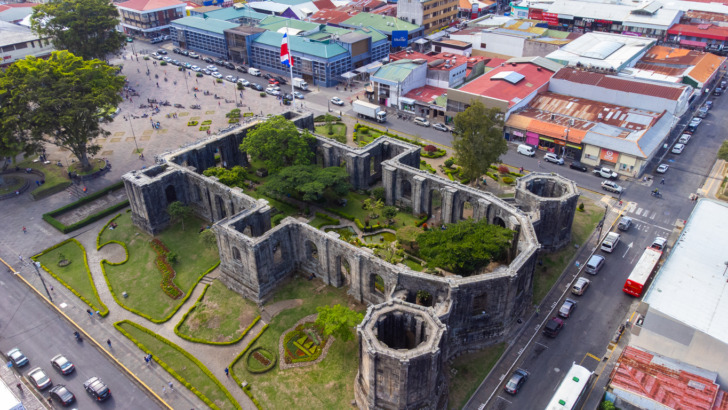
Once the national capital, it is known for the Basílica de Nuestra Señora de los Ángeles, the ruins of Santiago Apóstol, nearby coffee-growing communities, the Orosi Valley, and easy access to Irazú Volcano National Park.
For most travelers, Cartago is reasonably safe.
Serious violence involving tourists is uncommon in the main sightseeing areas, and the city receives a steady flow of domestic visitors and international travelers.
Petty theft, phone snatching, vehicle break-ins, traffic, and nighttime street crime are more realistic concerns.
Natural hazards also deserve attention because Cartago sits in an earthquake-prone, mountainous region with active volcanoes, heavy seasonal rainfall, landslides, and occasional flooding.
Visitors who protect valuables, use reliable transportation after dark, monitor weather conditions, and respect volcanic and park restrictions should be able to explore Cartago comfortably.
Warnings & Dangers in Cartago

OVERALL RISK: MEDIUM
Cartago is generally manageable for tourists, but normal urban precautions are important. Petty theft, vehicle break-ins, and occasional robberies occur, particularly in busy commercial areas or quieter streets after dark. The city is safer to explore during daylight, when shops, churches, markets, restaurants, and public transportation keep central areas active. Natural hazards such as earthquakes, volcanic activity, landslides, and heavy rain are also part of the regional risk profile.

TRANSPORT & TAXIS RISK: MEDIUM
Buses, official taxis, and app-based transportation are widely used. Driving can be more challenging than visitors expect because roads may be narrow, congested, poorly marked, or affected by fog and heavy rain. Mountain routes toward Irazú, Orosi, Tapantí, and surrounding communities contain sharp curves and steep sections. Avoid unfamiliar mountain roads after dark whenever possible. Use official or app-arranged taxis rather than accepting rides from unknown drivers.

PICKPOCKETS RISK: MEDIUM
Pickpocketing and opportunistic theft can occur around markets, bus terminals, downtown streets, religious gatherings, festivals, and other crowded areas. Phones are particularly attractive targets. Avoid standing near the roadside while openly using an expensive smartphone, and keep wallets in secure pockets. Vehicle break-ins are another concern, so never leave valuables visible inside a parked car.

NATURAL DISASTERS RISK: HIGH
Natural hazards are one of Cartago’s more important safety considerations. Costa Rica is earthquake-prone, and Cartago has experienced destructive earthquakes in the past. Irazú and Turrialba are both active volcanoes located within the wider region. Heavy tropical rain can also trigger landslides, flooding, falling rocks, and road closures in mountainous areas. Travelers should respect park closures and follow official warnings during periods of volcanic unrest or extreme weather.

MUGGING RISK: MEDIUM
Muggings and street robberies are possible, particularly after dark in quiet areas. Avoid walking alone through deserted streets, poorly illuminated neighborhoods, isolated parks, or transportation areas late at night. Carry only the cash you expect to use and keep expensive electronics discreet. If confronted by an armed robber, do not physically resist.

TERRORISM RISK: LOW
The terrorism risk in Cartago is very low. Costa Rica does not normally experience terrorist attacks directed at tourists. Ordinary awareness around large public events, transportation terminals, and religious gatherings is sufficient.

SCAMS RISK: LOW
Tourist scams are not a major problem in Cartago. Visitors may occasionally encounter inflated transportation prices, questionable tour offers, or rental-car disputes, but aggressive tourist scams are uncommon. Confirm prices in advance and book volcano excursions, transportation, and other activities through established businesses.

WOMEN TRAVELERS RISK: LOW
Cartago is generally comfortable for women traveling alone. Solo travelers regularly visit the Basilica, downtown attractions, volcanoes, and nearby towns without problems. Normal precautions remain important after dark. Avoid deserted streets, keep control of drinks, and use reliable transportation when returning to accommodation late at night.

TAP WATER RISK: LOW
Tap water in Cartago is generally safe to drink. Costa Rica has relatively good municipal drinking-water systems compared with much of Central America. Conditions may differ in remote rural accommodations or mountain areas, so ask about the water source when staying outside the city. Never drink untreated water directly from rivers or streams.
Safest Places to Visit in Cartago
Basílica de Nuestra Señora de los Ángeles
The Basilica is Cartago’s most famous landmark and one of Costa Rica’s most important religious sites.
The surrounding area receives large numbers of worshippers, families, and visitors throughout the day.
It is generally safe, although crowds during major religious events create greater opportunities for pickpocketing.
Keep valuables secure when the plaza is busy.
Central Cartago
The downtown area around the main plazas, churches, shops, restaurants, and historic sites is relatively easy to explore during daylight.
Pedestrian activity is high, and public transportation is readily available.
The atmosphere becomes quieter after businesses close, so nighttime visitors should avoid wandering through empty side streets.
Irazú Volcano National Park
Irazú Volcano is one of the region’s most popular attractions and offers dramatic views from more than 3,400 meters above sea level.
The official visitor areas and trails are generally safe when open.
Cold temperatures, strong winds, fog, altitude, and changing volcanic conditions are the primary concerns.
Never cross barriers or enter areas that park authorities have closed.
Orosi Valley
The Orosi Valley is one of the most scenic areas around Cartago, with mountains, coffee plantations, historic churches, hot springs, and the Reventazón River.
The main tourism areas are generally peaceful.
Mountain driving deserves attention, especially during heavy rain or after dark.
Tapantí National Park
Tapantí Macizo de la Muerte National Park contains dense cloud forest, rivers, hiking trails, waterfalls, and abundant wildlife.
Crime is not the primary concern here.
Heavy rainfall, slippery trails, swollen rivers, and rapidly changing weather create the greater risks.
Wear appropriate hiking shoes and follow park instructions.
Places to Avoid in Cartago
Quiet Downtown Streets Late at Night
Central Cartago is generally manageable during the day but can become much quieter after shops and offices close.
Avoid unnecessary nighttime walking through deserted streets or unfamiliar neighborhoods.
Use a taxi or ride service for longer journeys after dark.
Isolated Bus Stops at Night
Waiting alone at poorly illuminated bus stops late at night increases exposure to theft or robbery.
If traveling after dark, choose busy transportation points or arrange direct transportation whenever possible.
Mountain Roads During Heavy Rain
Rain can trigger landslides, falling rocks, flooding, and reduced visibility on roads surrounding Cartago.
Avoid driving through mountain areas during severe storms and never continue past official road closures.
Restricted Volcano Areas
Do not cross barriers, ignore evacuation zones, or enter closed trails around Irazú or Turrialba.
Volcanic conditions can change, and restricted areas may contain hazardous gases, unstable terrain, or other dangers not immediately visible.
Remote Trails Near Closing Time
Avoid beginning long hikes late in the afternoon.
Weather changes rapidly in Costa Rica’s mountains, and darkness can arrive while visitors are still far from trailheads.
Start outdoor activities early enough to finish during daylight.
Safety Tips for Traveling to Cartago
- Keep your phone discreet. Avoid openly using an expensive phone while standing beside busy roads or walking through crowded commercial areas.
- Do not leave valuables inside your car. Vehicle break-ins are one of the more preventable risks. Remove passports, cameras, electronics, backpacks, and luggage rather than leaving them visible.
- Check volcano conditions before visiting. Irazú and Turrialba are active volcanoes. Follow official closures and never enter restricted sections regardless of how calm conditions appear.
- Use reliable transportation at night. Central Cartago becomes quieter after businesses close. A taxi or app-based ride is preferable to walking long distances through unfamiliar streets.
- Prepare for cold weather at Irazú. Temperatures at the volcano can be dramatically colder than in downtown Cartago. Bring warm layers and rain protection even if conditions in the city are pleasant.
- Take heavy rain seriously. Mountain roads and hiking areas can become dangerous during strong storms. Landslides and flooding can develop quickly.
- Wear proper footwear for hiking. Trails in Tapantí and other natural areas can be muddy, uneven, and slippery. Shoes with good traction are considerably safer than sandals.
- Keep belongings secure during religious festivals. Large pilgrimages and celebrations around the Basilica can attract enormous crowds. Keep wallets, phones, and bags where you can see or feel them.
- Avoid unfamiliar mountain driving after dark. Fog, rain, sharp curves, pedestrians, motorcycles, and poor visibility make rural roads much harder to navigate at night.
- Know what to do during an earthquake. Costa Rica experiences frequent seismic activity. If strong shaking begins, protect yourself from falling objects and follow instructions from local authorities once the movement stops.
So... How Safe Is Cartago Really?
Cartago is generally a manageable destination for travelers who use ordinary urban precautions.
The city does not have the same level of tourism infrastructure as La Fortuna or some of Costa Rica’s major beach destinations, but visitors regularly explore its churches, ruins, markets, parks, volcanoes, and surrounding mountain communities without serious problems.
Crime deserves attention but should not dominate the trip.
Petty theft, phone snatching, and vehicle break-ins are more realistic concerns than violent attacks on tourists.
Keeping expensive belongings discreet and avoiding deserted streets after dark can reduce much of that risk.
The environment creates a more unusual set of hazards.
Cartago lies in one of Costa Rica’s most geologically active regions.
Earthquakes are part of life in the Central Valley, while Irazú and Turrialba remind visitors that the country remains volcanically active.
Volcano tourism itself is generally safe when visitors remain inside official areas.
Problems arise when people ignore barriers, approach restricted zones, or underestimate rapidly changing mountain weather.
Rainfall creates another concern.
The mountains surrounding Cartago receive substantial precipitation, and intense storms can trigger landslides, rockfalls, flooding, and dangerous road conditions.
Rural excursions should be reconsidered when severe weather is forecast.
Altitude also surprises some visitors at Irazú.
At more than 3,400 meters above sea level, temperatures can be cold, winds can be strong, and some people may experience headaches or shortness of breath.
Use reliable transportation at night, keep valuables out of parked cars, respect volcanic restrictions, and monitor mountain weather.
With those precautions, Cartago is a relatively safe and rewarding destination that offers a very different side of Costa Rica from its beaches and resort towns.
How Does Cartago Compare?
| City | Safety Index |
|---|---|
| Cartago |
74 |
| Drake Bay |
76 |
| Santa Teresa |
72 |
| Playa Flamingo |
78 |
| Manuel Antonio |
58 |
| Puerto Viejo |
52 |
| Nosara |
79 |
 Ocala | 88 |
| Germantown & Gaithersburg | 72 |
| Fairfield | 85 |
| Moses Lake | 46 |
| West Jordan | 94 |
 Arinsal | 92 |
Useful Information

Visas
Costa Rica’s entry requirements depend on nationality. Citizens of many countries can enter for short tourism stays without obtaining a traditional visa beforehand. Travelers should carry a valid passport and may be asked to show evidence of onward or return travel. The permitted length of stay is determined by immigration authorities.

Currency
Costa Rica uses the Costa Rican colón, abbreviated CRC. U.S. dollars may be accepted at some tourism-oriented businesses, although prices in Cartago are more commonly quoted in colones than in heavily visited resort areas. Credit and debit cards are widely accepted. ATMs are available throughout central Cartago. Carrying some local currency is useful for buses, markets, parking, small restaurants, and rural businesses.

Weather
Cartago has a mild highland climate because of its elevation. Days are generally comfortable, while evenings can become cool. The drier season normally runs from approximately December through April, while May through November brings more frequent rain. Mountain areas around Irazú and Tapantí can be substantially colder, wetter, and windier than central Cartago. Visitors should bring layers and rain protection when traveling to higher elevations.

Airports
Cartago does not have a major commercial airport. Juan Santamaría International Airport near San José and Alajuela is the primary international gateway for most visitors. Depending on traffic, travel between the airport and Cartago can take approximately one to two hours. Heavy traffic in the Greater San José area can significantly extend travel times.

Travel Insurance
Travel insurance is recommended for international visitors. Useful coverage includes medical treatment, hospitalization, theft, trip interruption, transportation delays, and emergency evacuation. Travelers planning hiking, volcano visits, cycling, horseback riding, or other outdoor activities should confirm that those activities are covered by their policy.
Cartago Weather Averages (Temperatures)
Average High/Low Temperature
| Temperature / Month | Jan | Feb | Mar | Apr | May | Jun | Jul | Aug | Sep | Oct | Nov | Dec |
|---|---|---|---|---|---|---|---|---|---|---|---|---|
| High °C |
23 | 24 | 25 | 25 | 23 | 22 | 22 | 23 | 23 | 22 | 22 | 22 |
| Low °C |
14 | 14 | 15 | 16 | 17 | 17 | 16 | 16 | 16 | 16 | 16 | 15 |
| High °F |
73 | 75 | 77 | 77 | 73 | 72 | 72 | 73 | 73 | 72 | 72 | 72 |
| Low °F |
57 | 57 | 59 | 61 | 63 | 63 | 61 | 61 | 61 | 61 | 61 | 59 |
Costa Rica - Safety by City
| City | Safety Index |
|---|---|
| Cartago | 74 |
| Drake Bay | 76 |
| La Fortuna | 80 |
| Manuel Antonio | 58 |
| Monteverde | 74 |
| Nosara | 79 |
| Playa Flamingo | 78 |
| Puerto Viejo | 52 |
| Quepos | 55 |
| San Jose | 59 |
| Santa Teresa | 72 |
| Tamarindo | 57 |