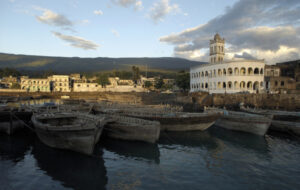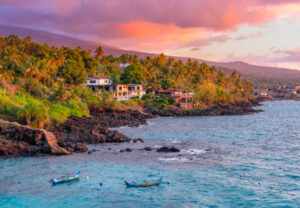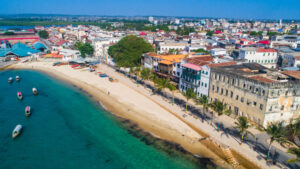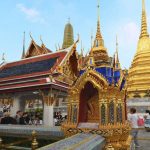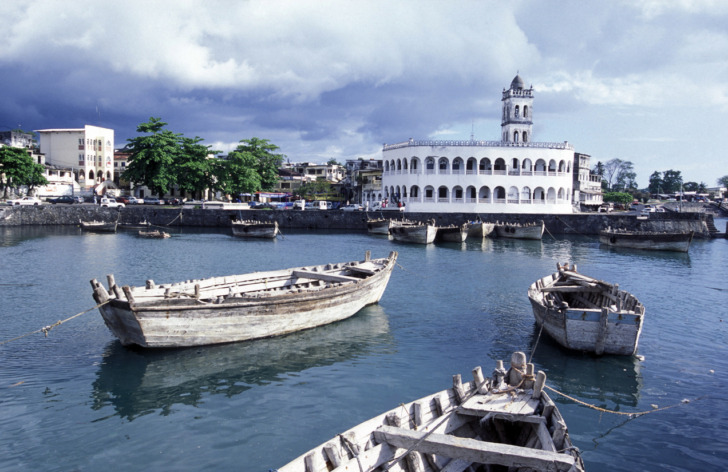
Domoni is one of the oldest and most historically important towns on Anjouan, one of the main islands of the Comoros.
Located on the island’s eastern coast, Domoni is known for its narrow historic streets, mosques, old stone buildings, traditional Swahili and Arab influences, surrounding tropical scenery, and views of the Indian Ocean.
From a safety perspective, Domoni is generally manageable for experienced travelers, but tourism infrastructure is limited.
Serious crime involving foreign visitors is not especially common, although petty theft, poor road conditions, limited medical care, unreliable transportation, and occasional political unrest are important concerns.
Natural hazards also deserve attention.
The Comoros can experience tropical cyclones, intense rainfall, flooding, landslides, and rough seas.
Visitors should also respect local Islamic customs, particularly regarding clothing, alcohol, and behavior in public.
With sensible precautions, Domoni can be visited safely, but travelers should expect fewer services and less emergency support than in more developed tourist destinations.
Warnings & Dangers in Domoni

OVERALL RISK: MEDIUM
Domoni has a moderate overall risk. Violent crime against tourists is not a major everyday problem, but petty theft, political instability, weak infrastructure, dangerous roads, and limited emergency services increase the consequences of something going wrong. Visitors should avoid unnecessary travel after dark and stay informed about local conditions.

TRANSPORT & TAXIS RISK: MEDIUM
Transportation is one of the main practical safety concerns in Domoni. Roads around Anjouan can be narrow, damaged, steep, and poorly illuminated. Vehicles may be old or poorly maintained, while pedestrians, motorcycles, and animals frequently share the road. Avoid unnecessary travel after dark and arrange transportation through your accommodation or a trusted local contact whenever possible.

PICKPOCKETS RISK: LOW
Pickpocketing and opportunistic theft can occur, particularly around markets, transportation areas, and busy public spaces. Foreign visitors may attract attention simply because tourism is relatively limited. Keep phones, wallets, cameras, and cash secure and avoid leaving bags unattended in public places.

NATURAL DISASTERS RISK: MEDIUM
Tropical cyclones, heavy rainfall, flooding, landslides, and rough seas are among the most important natural hazards affecting Anjouan. The cyclone season can bring severe weather and transportation disruptions, including cancelled flights and ferry services. Mountain roads may also become dangerous after prolonged rain. Avoid unnecessary journeys during severe weather and never attempt to cross flooded roads.

MUGGING RISK: LOW
Muggings are not especially common in Domoni, but robbery remains possible. Risk increases in isolated areas, poorly illuminated streets, and quiet roads after dark. Avoid displaying expensive jewelry, large amounts of cash, or high-end electronics unnecessarily, and do not walk alone through unfamiliar areas late at night.

TERRORISM RISK: LOW
Domoni has a relatively low terrorism risk for ordinary travelers. The Comoros has experienced political instability and occasional unrest, but international terrorism is not one of the main everyday concerns for visitors. Travelers should still avoid demonstrations, political gatherings, and security incidents if they occur.

SCAMS RISK: LOW
Traditional tourist scams are relatively uncommon because Domoni receives few international visitors. However, travelers may encounter inflated transportation prices, unclear tour costs, or unofficial requests for payment. Agree on fares and prices before accepting transportation or services, and use trusted local contacts when arranging excursions.

WOMEN TRAVELERS RISK: MEDIUM
Women can travel in Domoni, but solo female travelers should take additional precautions. The Comoros is a predominantly Muslim country with conservative social expectations. Modest clothing is advisable, particularly away from beaches and private accommodation. Avoid walking alone after dark, use trusted transportation, and be cautious about accepting rides from strangers.

TAP WATER RISK: HIGH
Travelers should not rely on untreated tap water for drinking in Domoni. Use sealed bottled water or properly filtered, boiled, or disinfected water. Food hygiene can also vary. Be cautious with food that has been sitting unrefrigerated for long periods, and wash or peel fruit before eating it.
Safest Places to Visit in Domoni
Central Domoni
Central Domoni is generally the most practical area for visitors because shops, markets, mosques, transportation, and other services are concentrated nearby.
Daytime exploration is preferable, particularly for travelers unfamiliar with the town.
Keep valuables discreet and avoid wandering through quiet streets late at night.
Historic Old Town
Domoni’s historic center contains traditional architecture, narrow lanes, old stone buildings, and visible influences from centuries of Indian Ocean trade.
The area is interesting to explore during daylight hours.
Dress respectfully, ask before photographing residents, and avoid entering private courtyards or religious spaces without permission.
Friday Mosque Area
Mosques are an important part of everyday life in Domoni and contribute significantly to the town’s historic character.
Visitors should behave respectfully around religious sites, particularly during prayer times.
Non-Muslim travelers should ask before entering mosques rather than assuming public access is permitted.
Domoni Waterfront
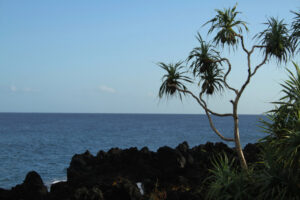
The coastline provides attractive views of the Indian Ocean and a glimpse of everyday fishing activity.
Daytime visits are generally comfortable, but swimming conditions should be evaluated carefully because currents and waves can become dangerous.
Avoid isolated sections of shoreline after dark.
Surrounding Villages and Countryside
The countryside around Domoni offers tropical vegetation, agricultural communities, mountain scenery, and views across eastern Anjouan.
Travel with a knowledgeable local driver or guide rather than exploring unfamiliar rural roads independently.
Weather and road conditions should be checked before longer journeys.
Places to Avoid in Domoni
Isolated Roads After Dark
Road travel around Anjouan becomes considerably more difficult after sunset.
Poor lighting, damaged surfaces, pedestrians, motorcycles, animals, and vehicle breakdowns create unnecessary risk.
Plan excursions so you return before dark whenever possible.
Political Demonstrations
Avoid demonstrations, political rallies, strikes, and confrontations involving security forces.
Political tensions can occasionally increase quickly in the Comoros.
If crowds begin gathering unexpectedly, leave the area instead of remaining to observe.
Remote Mountain Roads During Heavy Rain
Mountainous terrain makes Anjouan particularly vulnerable to landslides and road damage during periods of intense rainfall.
Do not attempt unnecessary journeys when heavy rain has affected roads.
Ask local drivers about conditions before leaving Domoni.
Isolated Beaches at Night
Quiet beaches may appear peaceful, but isolated coastal areas offer little security after dark.
Visit beaches during daylight and return to populated areas before nightfall.
Rough Coastal Waters
The Indian Ocean around Anjouan can develop strong currents and rough surf.
Avoid swimming in unfamiliar locations without local advice, particularly during storms or strong winds.
Do not assume that a quiet-looking beach is safe for swimming.
Safety Tips for Traveling to Domoni
- Avoid Nighttime Road Travel. Road conditions around Anjouan are challenging enough during daylight. Poor lighting and limited roadside assistance make driving after dark considerably riskier.
- Dress Respectfully. Domoni is socially conservative and predominantly Muslim. Modest clothing helps visitors respect local customs and avoid unnecessary attention.
- Drink Bottled or Treated Water. Safe drinking water cannot always be assumed. Carry sealed bottled water or use a reliable filtration or purification method.
- Carry Cash. Card acceptance and ATM availability are limited compared with major international destinations. Carry enough cash for everyday expenses while keeping larger amounts securely stored.
- Check Weather Before Traveling. Tropical storms and heavy rain can disrupt roads, ferries, and flights. Conditions can deteriorate quickly during cyclone season.
- Use Trusted Drivers. Arrange transportation through accommodation, established businesses, or reliable local contacts. Drivers familiar with Anjouan’s roads can significantly reduce transportation problems.
- Ask Before Taking Photos. Photography of people, religious sites, government buildings, ports, or security personnel may be sensitive. Asking permission avoids unnecessary misunderstandings.
- Protect Yourself From Mosquitoes. Mosquito-borne illnesses are a health concern in the Comoros. Use insect repellent, wear appropriate clothing, and sleep in accommodation with mosquito protection.
- Avoid Political Gatherings. Even peaceful demonstrations can become unpredictable. Leave immediately if political crowds, roadblocks, or confrontations begin forming nearby.
- Prepare for Limited Medical Care. Bring essential medications, basic medical supplies, and comprehensive travel insurance. Serious illnesses or injuries may require evacuation to another island or country.
So... How Safe Is Domoni Really?
Domoni is not usually dangerous in the way travelers might associate with high-crime destinations.
The town is relatively quiet, serious violence against tourists is uncommon, and most residents are simply going about everyday life.
The greater challenge is the limited infrastructure surrounding visitors.
Road conditions can be poor, medical facilities are basic, transportation can be unreliable, and communication or electricity interruptions are possible.
These issues make relatively minor problems more difficult to resolve than they would be in a major tourist destination.
Weather is another important consideration.
Anjouan is mountainous and tropical, meaning intense rainfall can trigger flooding, landslides, and difficult road conditions.
Cyclones can also disrupt flights, ferries, and essential services.
Cultural awareness matters as well.
Domoni is predominantly Muslim and considerably more conservative than many beach destinations around the Indian Ocean.
Visitors should dress modestly and behave respectfully around religious sites and local communities.
Crime remains a concern, but petty theft and opportunistic robbery are more likely than serious violence.
Avoid isolated streets after dark and keep valuables discreet.
Overall, Domoni is a medium-risk destination.
Travelers comfortable with limited infrastructure and independent travel can visit safely with preparation, reliable transportation, cultural awareness, and careful attention to weather conditions.
How Does Domoni Compare?
| City | Safety Index |
|---|---|
 Domoni |
63 |
| Mitsamiouli |
68 |
| Fomboni |
66 |
| Mutsamudu |
64 |
| Moroni |
61 |
 Martha’s Vineyard | 88 |
 Brasov | 80 |
 Petaling Jaya | 76 |
| South Fulton | 48 |
| Carrabassett Valley | 92 |
 Madrid | 70 |
Useful Information

Visas
Entry requirements for the Comoros depend on nationality, although many international visitors can obtain entry permission or a visa upon arrival. Travelers should confirm the requirements applying to their passport before departure and ensure that their travel document remains valid for the required period.

Currency
The Comoros uses the Comorian franc, abbreviated KMF. Cash is extremely important, particularly outside Moroni and other larger population centers. Card acceptance is limited, and ATMs may be unreliable or unavailable in smaller towns. Carry sufficient cash for accommodation, transportation, food, and emergencies.

Weather
Domoni has a warm tropical climate throughout the year. The wetter and more humid period generally occurs from approximately November through April, when heavy rain and tropical cyclones are more likely. The drier period from roughly May through October usually provides more comfortable conditions for travel.

Airports
Domoni does not have the main commercial airport serving Anjouan. Most air travelers arrive through Ouani Airport near Mutsamudu and continue by road to Domoni. Transportation should ideally be arranged before arrival because road conditions and travel times can vary.

Travel Insurance
Comprehensive travel insurance is strongly recommended for Domoni because medical facilities on Anjouan are limited. Serious illness or injury may require evacuation to another island or another country. Coverage for medical evacuation, hospitalization, cancellations, weather disruptions, and lost belongings can be particularly valuable.
Domoni Weather Averages (Temperatures)
Average High/Low Temperature
| Temperature / Month | Jan | Feb | Mar | Apr | May | Jun | Jul | Aug | Sep | Oct | Nov | Dec |
|---|---|---|---|---|---|---|---|---|---|---|---|---|
| High °C |
29 | 29 | 29 | 32 | 31 | 29 | 29 | 29 | 31 | 31 | 31 | 31 |
| Low °C |
24 | 24 | 24 | 24 | 23 | 21 | 21 | 21 | 23 | 23 | 23 | 24 |
| High °F |
84 | 84 | 84 | 90 | 88 | 84 | 84 | 84 | 88 | 88 | 88 | 88 |
| Low °F |
75 | 75 | 75 | 75 | 73 | 70 | 70 | 70 | 73 | 73 | 73 | 75 |
Comoros - Safety by City
| City | Safety Index |
|---|---|
| Domoni | 63 |
| Fomboni | 66 |
| Mitsamiouli | 68 |
| Moroni | 61 |
| Mutsamudu | 64 |