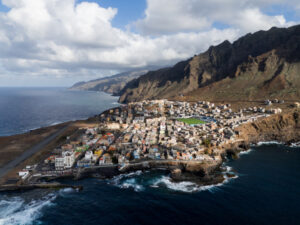
Fomboni is the capital and largest town on Mohéli, the smallest of the three main islands of Comoros.
Set along the island’s northern coast, it serves as Mohéli’s administrative and commercial center and is often used as a base for exploring beaches, fishing villages, marine reserves, and the island’s volcanic interior.
Fomboni is generally calm and sees relatively little serious crime, but travelers should not expect the infrastructure or emergency services found in major tourist destinations.
Petty theft, poor roads, limited medical care, unreliable electricity, rough sea conditions, tropical weather, and transportation difficulties are the main concerns.
Visitors who prepare carefully and respect local customs can generally explore Fomboni safely.
Warnings & Dangers in Fomboni

OVERALL RISK: MEDIUM
Fomboni is generally peaceful, and violent crime involving tourists is uncommon. However, limited infrastructure, weak emergency services, transportation problems, and the possibility of petty theft mean travelers should remain cautious. Avoid isolated areas after dark and keep important belongings secure.

TRANSPORT & TAXIS RISK: MEDIUM
Transportation is one of the more significant practical concerns in Fomboni. Roads can be narrow, uneven, poorly maintained, and inadequately lit. Vehicles may also be older than travelers are accustomed to. Arrange transportation through your accommodation or a trusted local contact when possible, especially for trips outside town.

PICKPOCKETS RISK: LOW
Pickpocketing is not a major problem in Fomboni because crowds are relatively limited. Opportunistic theft can still occur around markets, transportation points, and busy commercial areas. Keep phones, wallets, passports, and bags secure.

NATURAL DISASTERS RISK: HIGH
Mohéli is exposed to tropical storms, heavy rainfall, flooding, landslides, rough seas, and volcanic activity associated with the Comoros archipelago. Weather can quickly disrupt roads and boat travel. Travelers should take storm warnings and changing sea conditions seriously.

MUGGING RISK: LOW
Muggings and violent street robberies are relatively uncommon. Still, avoid walking alone through isolated neighborhoods, beaches, or countryside areas after dark. Do not carry large amounts of cash unnecessarily.

TERRORISM RISK: LOW
Fomboni is not considered a significant terrorism target. Visitors should maintain normal awareness around government buildings, major gatherings, and unusual security activity. Political developments elsewhere in Comoros can occasionally affect transportation or public services.

SCAMS RISK: LOW
Tourist scams are not a major problem because Mohéli receives relatively few international visitors. Travelers may occasionally encounter unclear taxi fares, tour prices, or requests for additional payment. Agree on prices before using transportation or hiring guides.

WOMEN TRAVELERS RISK: MEDIUM
Women can travel in Fomboni, but additional cultural and personal safety precautions are appropriate. Comoros is socially conservative, and modest clothing is recommended away from beaches. Solo female travelers should avoid isolated areas after dark and use reliable transportation at night.

TAP WATER RISK: HIGH
Visitors should avoid drinking untreated tap water. Use sealed bottled water or properly purified water for drinking. Be cautious with ice, uncooked foods, and food stored without adequate refrigeration, particularly if you have a sensitive stomach.
Safest Places to Visit in Fomboni
Central Fomboni
Central Fomboni contains most of the town’s shops, restaurants, administrative buildings, markets, and transportation services.
It is generally easy to explore during daylight.
Keep valuables secure in busy commercial areas and avoid unnecessary wandering late at night.
Fomboni Waterfront
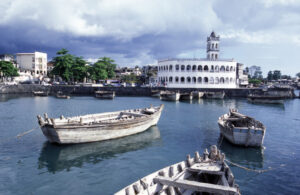
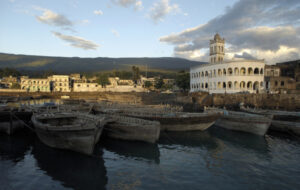
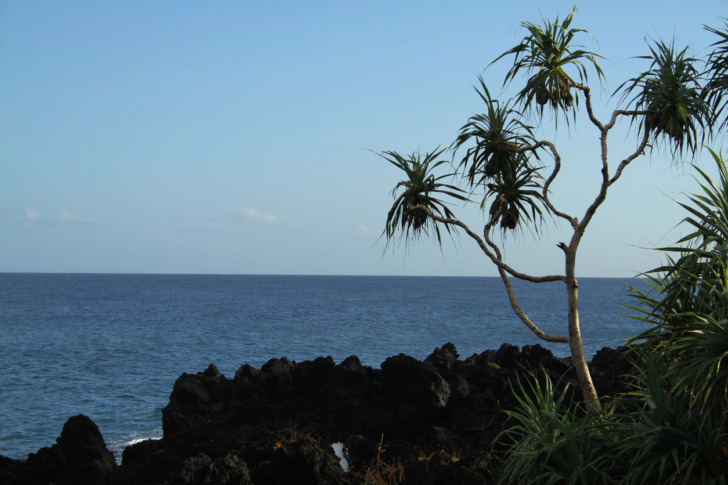
The waterfront offers views over the Indian Ocean and provides a look at everyday life on Mohéli.
Daytime visits are generally safe.
Be cautious around fishing boats, slippery surfaces, and rough water, particularly during poor weather.
Mohéli Marine Park Access Areas
Mohéli is famous for its marine environment, including coral reefs, sea turtles, dolphins, and seasonal whale activity.
Excursions are generally safe when organized through established local operators.
Always follow boat safety instructions and pay attention to sea conditions.
Nearby Villages During Daylight
Villages around Mohéli can be rewarding to visit for travelers interested in local culture and island life.
Daytime trips with reliable transportation are preferable.
Dress respectfully and ask permission before photographing people.
Places to Avoid in Fomboni
Isolated Beaches After Dark
Mohéli has beautiful beaches, but many become completely deserted after sunset.
Avoid walking alone along remote stretches of coastline at night.
Limited lighting and access to assistance make these areas unnecessarily risky.
Remote Roads at Night
Road travel becomes more difficult after dark.
Potholes, pedestrians, animals, motorcycles, and poor lighting can make driving hazardous.
Complete longer journeys during daylight whenever possible.
Rough Coastal Areas During Bad Weather
Strong waves and currents can make beaches and boat landings dangerous.
Avoid swimming or approaching rocky coastal areas during storms or when local boat operators advise against travel.
Mountain Trails Without Local Guidance
Mohéli’s interior is rugged and heavily vegetated.
Trails may be poorly marked, and weather can change quickly.
Use a local guide for unfamiliar hikes rather than exploring remote mountain areas alone.
Political Demonstrations
Avoid political gatherings, protests, and large demonstrations.
Even peaceful events can disrupt roads and public services or become confrontational without warning.
Safety Tips for Traveling to Fomboni
- Arrange Transportation in Advance. Transportation options on Mohéli are limited compared with larger destinations. Ask your accommodation to arrange trusted drivers for longer trips.
- Avoid Night Driving. Road lighting is poor outside central areas. Plan excursions so you return before dark whenever practical.
- Drink Bottled or Purified Water. Do not rely on untreated tap water. Carry enough drinking water when traveling outside Fomboni.
- Dress Respectfully. Comoros is a conservative Muslim-majority country. Modest clothing is appropriate in town, villages, markets, and religious areas.
- Carry Cash. Card acceptance and ATM availability can be limited. Keep enough cash for essential expenses, but divide it between secure locations rather than carrying everything together.
- Use Established Boat Operators. Boat travel is an important part of visiting Mohéli. Choose experienced operators and avoid departing when sea conditions are poor.
- Keep Essential Supplies With You. Electricity, fuel, internet service, and shops can occasionally be unreliable. Carry medication, water, a power bank, and basic necessities.
- Protect Yourself From Mosquitoes. Use insect repellent, wear suitable clothing in the evening, and consider mosquito nets where appropriate. Mosquito-borne illnesses are a concern in the region.
- Ask Before Hiking Remote Areas. Do not assume mountain or forest trails are clearly marked. A local guide can help with navigation, weather conditions, and access.
- Have Flexible Travel Plans. Flights and boats can be delayed or canceled because of weather or operational problems. Avoid scheduling extremely tight connections when traveling between islands.
So... How Safe Is Fomboni Really?
Fomboni is generally a quiet, relatively peaceful destination, especially compared with larger African cities.
Serious violent crime is not the main concern for most travelers.
Petty theft is possible, but visitors who keep valuables secure and avoid isolated areas after dark are unlikely to encounter major criminal problems.
The bigger challenges come from infrastructure and geography.
Mohéli is remote, transportation is limited, roads are basic, and medical services are far less developed than in major international destinations.
A minor accident or illness can therefore become more complicated than it would be elsewhere.
Sea travel is another important consideration.
Boats connect communities and islands, but weather conditions can change quickly.
Travelers should avoid pressuring operators to travel when the sea is rough.
Natural conditions are also important.
Tropical storms, heavy rain, flooding, and landslides can disrupt roads and transportation.
Hiking in the island’s interior requires preparation because trails may be poorly marked and communications can be unreliable.
Fomboni’s conservative culture should also be respected.
Modest clothing and considerate behavior are appropriate, particularly away from beaches and tourist facilities.
The town itself is small enough that visitors can quickly become familiar with the central area.
Local people are accustomed to a slower pace of life, and tourism remains relatively limited.
For travelers who plan for basic infrastructure, use reliable transportation, respect local customs, and stay flexible when weather affects travel, Fomboni can be a safe, rewarding base for exploring Mohéli.
How Does Fomboni Compare?
| City | Safety Index |
|---|---|
 Fomboni |
66 |
| Mutsamudu |
64 |
| Domoni |
63 |
| Moroni |
61 |
| Mitsamiouli |
68 |
 Gyumri | 87 |
 Boonville | 83 |
 Somerset Village | 88 |
| Alexandria | 47 |
| Thurmont | 83 |
 Ahmedabad | 67 |
Useful Information

Visas
Entry requirements for Comoros depend on nationality. Travelers should check the requirements applicable to their passport before departure and make sure they carry all required immigration and health documentation. Keep copies of important documents separate from the originals.

Currency
Comoros uses the Comorian franc. Cash is important in Fomboni because card acceptance can be very limited. ATMs may not always be reliable, so travelers should arrive with access to enough funds for accommodation, transportation, food, and excursions.

Weather
Fomboni has a warm tropical climate throughout the year. The wetter season brings heavier rainfall, higher humidity, and a greater chance of tropical storms. Sea conditions can become rough during bad weather, affecting boat transportation and marine activities.

Airports
Mohéli Bandar Es Eslam Airport serves the island and is located near Fomboni. Flights connect Mohéli with other islands in the Comoros, although schedules and reliability can vary. Travelers should leave flexibility in their itinerary in case flights are delayed or changed.

Travel Insurance
Comprehensive travel insurance is strongly recommended. Medical facilities on Mohéli are limited, and a serious illness or injury may require evacuation to Grande Comore or another country. Coverage should include emergency medical treatment, medical evacuation, flight disruptions, lost luggage, and delays affecting inter-island transportation.
Fomboni Weather Averages (Temperatures)
Average High/Low Temperature
| Temperature / Month | Jan | Feb | Mar | Apr | May | Jun | Jul | Aug | Sep | Oct | Nov | Dec |
|---|---|---|---|---|---|---|---|---|---|---|---|---|
| High °C |
32 | 32 | 32 | 32 | 32 | 31 | 30 | 29 | 30 | 31 | 32 | 32 |
| Low °C |
24 | 24 | 24 | 24 | 23 | 22 | 21 | 21 | 21 | 23 | 24 | 24 |
| High °F |
90 | 90 | 90 | 90 | 90 | 88 | 86 | 84 | 86 | 88 | 90 | 90 |
| Low °F |
75 | 75 | 75 | 75 | 73 | 72 | 70 | 70 | 70 | 73 | 75 | 75 |
Comoros - Safety by City
| City | Safety Index |
|---|---|
| Domoni | 63 |
| Fomboni | 66 |
| Mitsamiouli | 68 |
| Moroni | 61 |
| Mutsamudu | 64 |