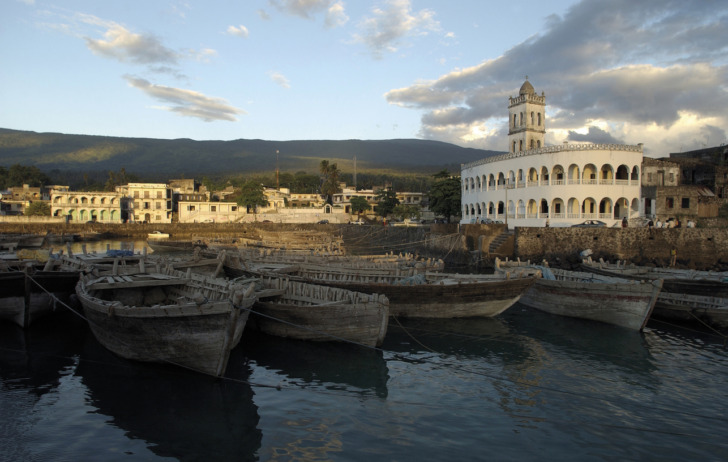
Mutsamudu is the capital of Anjouan, one of the three main islands of the Union of the Comoros.
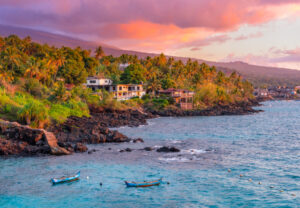
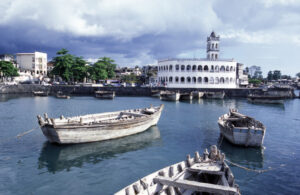
Located on the island’s northwestern coast, the city is known for its old medina, narrow streets, historic buildings, busy port, hillside neighborhoods, and dramatic mountain backdrop.
Compared with major African capitals, Mutsamudu is small and relatively low-key.
Tourism is limited, and most international visitors come for family connections, business, development work, or as part of a wider trip through the Comoros.
Mutsamudu is generally manageable for travelers who arrive prepared, but it is not as easy to navigate as a heavily developed tourist destination.
Petty theft, poor road conditions, unreliable infrastructure, unsafe tap water, tropical storms, limited healthcare, and occasional political tension are more realistic concerns than serious tourist-targeted violence.
Warnings & Dangers in Mutsamudu

OVERALL RISK: MEDIUM
Mutsamudu is generally not a high-crime city, but visitors should still exercise caution. Petty theft, opportunistic robbery, and occasional civil unrest can occur, particularly in crowded areas or during periods of political tension. The city's limited tourism infrastructure also means travelers should plan transportation, accommodation, and medical contingencies more carefully than they might in a major resort destination. Avoid displaying expensive electronics or jewelry and use reliable local contacts whenever possible.

TRANSPORT & TAXIS RISK: HIGH
Transportation is one of the main challenges in Mutsamudu. Roads can be narrow, steep, poorly maintained, and crowded with pedestrians, motorcycles, minibuses, and other vehicles. Driving standards may be unpredictable, and nighttime visibility can be poor. Use a trusted driver whenever possible, particularly for trips outside the city. Public minibuses are inexpensive but may be crowded and less comfortable for visitors carrying luggage. Avoid unnecessary road travel after dark.

PICKPOCKETS RISK: MEDIUM
Pickpocketing can occur around markets, the port, transportation areas, and crowded commercial streets. Keep phones, wallets, and passports secure and avoid carrying important belongings in open bags or easy-to-reach pockets. Foreign visitors may stand out more than they would in a major tourism destination. Do not leave valuables unattended in restaurants, vehicles, or public areas.

NATURAL DISASTERS RISK: MEDIUM
Cyclones, heavy rainfall, flooding, landslides, and rough seas are the main natural hazards. The Comoros lie in the southwestern Indian Ocean, where tropical cyclones can affect the islands during the warmer and wetter part of the year. Anjouan's steep mountainous terrain can make heavy rain particularly disruptive. Roads may become damaged or blocked, and ferry or air travel can be delayed. Travelers should monitor weather carefully during the rainy season.

MUGGING RISK: MEDIUM
Muggings are not among the most common problems for visitors, but robbery can occur, particularly after dark or in isolated areas. Avoid walking alone through poorly lit streets late at night. Do not display large amounts of cash or expensive belongings. If confronted by someone demanding property, prioritizing personal safety is more important than resisting.

TERRORISM RISK: LOW
The risk of terrorism affecting ordinary visitors in Mutsamudu is low. Travelers do not generally need to take special terrorism precautions beyond remaining aware around government facilities, transportation hubs, large gatherings, and public events. Avoid any unusual security activity or area where police or military personnel are responding to an incident.

SCAMS RISK: MEDIUM
Tourist scams are not highly organized in Mutsamudu because international tourism is limited. Visitors may still encounter inflated taxi fares, unofficial guides, unclear transportation pricing, or people offering services without clearly explaining the cost. Agree on prices before entering a taxi or accepting a service. Use accommodation staff or trusted local contacts to arrange longer trips whenever possible.

WOMEN TRAVELERS RISK: MEDIUM
Women can travel in Mutsamudu, but additional cultural and practical awareness is useful. Comorian society is predominantly Muslim and generally conservative. Modest clothing is appropriate, particularly away from beaches or tourist accommodation. Women traveling alone should avoid isolated areas after dark, arrange reliable transportation, and be cautious about accepting unsolicited invitations from strangers.

TAP WATER RISK: HIGH
Visitors should not rely on untreated tap water for drinking. Use sealed bottled water or water that has been properly boiled, filtered, or disinfected. Water supply can also be inconsistent. Be cautious with ice, raw foods, and meals that have been left unrefrigerated in warm conditions. Carry extra drinking water when traveling outside Mutsamudu because supplies may be more limited in rural areas.
Safest Places to Visit in Mutsamudu
Old Medina
Mutsamudu’s historic medina is one of the city’s most distinctive areas.
Narrow streets, old buildings, mosques, shops, and traditional architecture make it interesting to explore during daylight.
The area can be confusing for first-time visitors, so exploring with a local guide or knowledgeable resident can make the experience easier.
Keep valuables discreet and wear comfortable footwear.
Central Mutsamudu
The central commercial areas are generally busiest during daylight and provide access to shops, restaurants, transportation, banks, and services.
Activity and foot traffic usually make these areas more comfortable than isolated outskirts.
Normal precautions with phones, wallets, and bags are sufficient for most visitors during the day.
Port Area During Daylight
Mutsamudu’s port is an important transportation and commercial center for Anjouan.
Visitors may pass through the area when arranging ferry travel or observing local trade.
The area can become busy and chaotic, so keep luggage close and avoid carrying valuables openly.
Avoid lingering around the port late at night.
Established Hotels and Guesthouses
Reputable accommodation offers one of the easiest bases for visitors unfamiliar with Anjouan.
Hotel staff can usually help arrange drivers, transportation, guides, and practical assistance.
Choose accommodation with good security, reliable water, and backup electricity if possible.
Places to Avoid in Mutsamudu
Mutsamudu does not have well-defined tourist no-go zones.
Most higher-risk situations involve time of day, weather, transportation, or political events.
Isolated Streets After Dark
Some areas become extremely quiet once shops close.
Street lighting can be limited, and visitors unfamiliar with the city can easily lose their way.
Use a trusted driver rather than walking long distances at night.
Port and Market Areas Late at Night
Busy commercial areas can become less predictable after dark.
Petty crime and opportunistic theft are more likely when streets empty and transportation becomes limited.
Complete visits during daylight whenever possible.
Mountain Roads During Heavy Rain
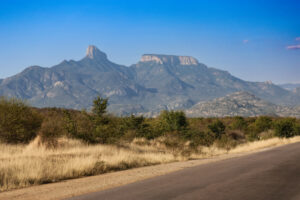
Anjouan is steep and mountainous.
Heavy rain can make roads slippery, create falling debris, and increase the risk of landslides.
Avoid unnecessary travel on remote roads during severe weather.
Demonstrations and Political Gatherings
The Comoros has experienced periods of political tension and demonstrations.
Avoid protests, rallies, and gatherings involving security forces.
Even peaceful demonstrations can become confrontational or disrupt transportation unexpectedly.
Safety Tips for Traveling to Mutsamudu
- Use a trusted driver. Road conditions and driving standards can be challenging. A reliable local driver is usually safer and more practical than renting a vehicle yourself.
- Avoid unnecessary travel after dark. Poor lighting, difficult roads, and limited transportation make nighttime travel more complicated.
- Drink bottled or properly treated water. Do not rely on untreated tap water. Carry extra water when traveling outside the city.
- Keep valuables discreet. Avoid displaying expensive phones, jewelry, cameras, or large amounts of cash in markets, transportation areas, or crowded streets.
- Dress respectfully. Anjouan is socially conservative. Modest clothing helps visitors avoid unwanted attention and shows respect for local customs.
- Carry enough cash. Card acceptance can be limited, and ATMs may not always be reliable. Carry enough for daily expenses while avoiding conspicuous amounts.
- Monitor cyclone and rain conditions. Heavy weather can disrupt ferries, flights, roads, and electricity. Give yourself flexibility when traveling during the rainy season.
- Be cautious around the sea. Strong currents, rough water, and changing weather can make swimming or boat travel dangerous. Use established operators when taking boat trips.
- Avoid demonstrations. If a political gathering or protest develops nearby, change your route and leave the area rather than stopping to watch.
- Plan for limited medical care. Bring necessary medications and basic medical supplies. Serious illness or injury may require evacuation to another island or country.
So... How Safe Is Mutsamudu Really?
Mutsamudu is not generally considered one of the most dangerous cities in the region, but it does require more preparation than a mainstream beach destination.
Crime is only part of the safety picture.
Petty theft and opportunistic robbery are possible, but most travelers are more likely to encounter problems involving transportation, water, weather, limited infrastructure, or medical care.
The city’s roads deserve particular attention.
Mutsamudu is built on steep terrain, and roads can be narrow, congested, damaged, or poorly lit.
Travel outside the city becomes even more complicated, especially during heavy rain.
For most visitors, hiring a trusted driver is easier than attempting to drive independently.
Health precautions are equally important.
Tap water should not be treated as reliably safe for visitors, and gastrointestinal illness can quickly disrupt a trip.
Malaria and other mosquito-borne illnesses can also be concerns in the Comoros, so travelers should use insect repellent and appropriate mosquito protection.
Cyclones and heavy rain are another seasonal issue.
The islands can experience intense tropical weather, with ferry cancellations, flight delays, flooding, landslides, and power outages all possible.
Visitors should build flexibility into travel plans during the wetter months.
Cultural awareness also matters.
Anjouan is predominantly Muslim and socially conservative.
Visitors should dress modestly away from beach areas and behave respectfully around mosques, religious events, and local communities.
Women traveling alone can visit Mutsamudu, but reliable transportation and conservative clothing make the experience easier.
Healthcare is probably the biggest weakness for travelers with serious medical concerns.
Local facilities can handle some routine problems, but complex emergencies may require evacuation.
Travel insurance with medical evacuation coverage is therefore particularly valuable.
Overall, Mutsamudu can be visited safely with careful planning.
Use trusted transportation, avoid isolated areas at night, drink safe water, respect local customs, monitor tropical weather, and do not expect the level of infrastructure found in more developed tourist destinations.
For travelers comfortable with destinations that require flexibility and patience, Mutsamudu offers a fascinating look at one of the Indian Ocean’s least-visited island cultures.
How Does Mutsamudu Compare?
| City | Safety Index |
|---|---|
 Mutsamudu Mutsamudu |
64 |
| Moroni |
61 |
 Gary Gary | 52 |
| Rosine | 90 |
| West Valley City | 65 |
| Luckenbach | 77 |
| Johnson City | 68 |
 Puerto Madryn Puerto Madryn | 70 |
Useful Information

Visas
Entry requirements for the Comoros depend on nationality. Many visitors can obtain entry permission or a visa on arrival, but rules can change. Travelers should confirm current requirements before departure and make sure their passports have sufficient validity. Proof of onward travel, accommodation, or sufficient funds may also be requested.

Currency
The Comoros uses the Comorian franc. Cash is important in Mutsamudu because international cards are not accepted everywhere. ATMs are limited compared with major international destinations and should not be your only source of money. Carry enough cash for normal expenses but divide it between secure locations rather than keeping everything in one wallet.

Weather
Mutsamudu has a hot tropical climate with high humidity throughout the year. The wetter and hotter period generally runs from roughly November through April, when heavy rain and tropical storms are more likely. The drier months from around May through October are usually more comfortable for travel. Temperatures remain warm throughout the year. Light clothing, rain protection, sunscreen, insect repellent, and plenty of safe drinking water are useful in every season.

Airports
Ouani Airport is the main airport serving Anjouan. It is located near Ouani, a short drive from Mutsamudu. Domestic and regional flight schedules can be limited and may change, so travelers should confirm connections carefully. Many international visitors reach the Comoros through Prince Said Ibrahim International Airport on Grande Comore and continue to Anjouan by domestic flight. Boat and ferry services also connect the islands, but weather can affect schedules and safety.

Travel Insurance
Travel insurance is strongly recommended for Mutsamudu. A useful policy should include emergency medical treatment, trip interruption, lost baggage, weather-related delays, and medical evacuation. Medical evacuation coverage is particularly important because advanced treatment is limited on Anjouan. Travelers planning diving, hiking, boating, or other outdoor activities should also confirm that those activities are covered.
Mutsamudu Weather Averages (Temperatures)
Average High/Low Temperature
| Temperature / Month | Jan | Feb | Mar | Apr | May | Jun | Jul | Aug | Sep | Oct | Nov | Dec |
|---|---|---|---|---|---|---|---|---|---|---|---|---|
| High °C |
31 | 31 | 31 | 31 | 30 | 29 | 28 | 28 | 28 | 29 | 30 | 31 |
| Low °C |
26 | 26 | 26 | 26 | 25 | 24 | 23 | 22 | 22 | 23 | 25 | 26 |
| High °F |
88 | 88 | 88 | 88 | 86 | 84 | 82 | 82 | 82 | 84 | 86 | 88 |
| Low °F |
79 | 79 | 79 | 79 | 77 | 75 | 73 | 72 | 72 | 73 | 77 | 79 |
Comoros - Safety by City
| City | Safety Index |
|---|---|
| Moroni | 61 |
| Mutsamudu | 64 |