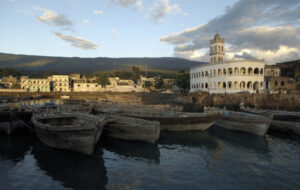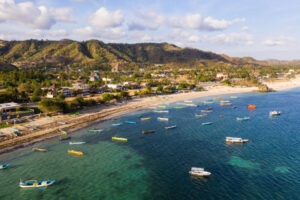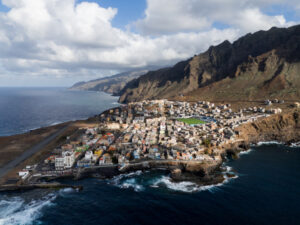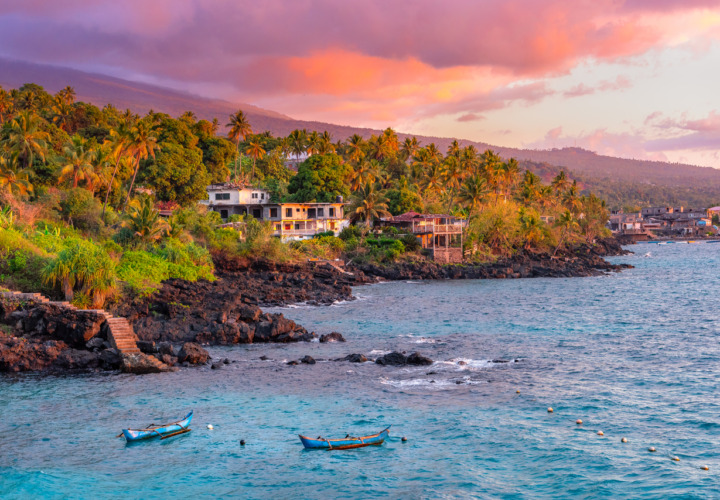
Moroni is the capital and largest city of Comoros, located on the western coast of Grande Comore island beneath the slopes of Mount Karthala.
The city is known for its historic medina, busy harbor, mosques, colorful markets, and dramatic volcanic landscape overlooking the Indian Ocean.
Moroni is generally manageable for travelers who use sensible precautions, but it is not as developed for tourism as many better-known island destinations.
Petty crime, poor road conditions, limited medical facilities, political demonstrations, unreliable infrastructure, and natural hazards such as volcanic activity and tropical storms are the main concerns.
Visitors who prepare carefully and avoid unnecessary risks can generally explore Moroni safely.
Warnings & Dangers in Moroni

OVERALL RISK: MEDIUM
Moroni presents a moderate level of risk for travelers. Serious crime against tourists is not an everyday occurrence, but petty theft, weak infrastructure, traffic hazards, demonstrations, and limited emergency services require additional caution. Visitors should avoid isolated areas after dark and keep valuables out of sight.

TRANSPORT & TAXIS RISK: MEDIUM
Road conditions around Moroni can be poor, with potholes, limited lighting, pedestrians, motorcycles, and vehicles sharing narrow streets. Public transportation can be crowded and basic. Visitors unfamiliar with the city may prefer taxis or transportation arranged through their accommodation, particularly after dark.

PICKPOCKETS RISK: MEDIUM
Pickpocketing and opportunistic theft can occur in crowded places. Markets, transportation areas, busy streets, and the harbor deserve additional attention. Keep phones, wallets, passports, and bags secure and avoid carrying unnecessary valuables.

NATURAL DISASTERS RISK: HIGH
Natural hazards are one of the most important safety concerns in Moroni. Mount Karthala is an active volcano located close to the city, and volcanic eruptions have occurred historically. Comoros can also experience tropical storms, heavy rainfall, flooding, landslides, and rough seas.

MUGGING RISK: MEDIUM
Violent robbery is less common than petty theft, but it can occur. Avoid poorly lit streets, isolated beaches, and unfamiliar neighborhoods after dark. Do not display expensive jewelry, cameras, or large amounts of cash.

TERRORISM RISK: LOW
Moroni is not generally considered a major terrorism target. Visitors should nevertheless remain aware of their surroundings around government buildings, religious gatherings, and major public events. Avoid unusual crowds or security incidents if they develop.

SCAMS RISK: MEDIUM
Tourists may encounter inflated transportation prices, unofficial guides, unclear tour charges, or requests for additional payment. Agree on taxi fares and excursion prices before departure. Using accommodation staff to arrange transportation or guides can reduce misunderstandings.

WOMEN TRAVELERS RISK: MEDIUM
Women can travel in Moroni, but conservative behavior and additional precautions are advisable. Comoros is socially conservative, and modest clothing is appropriate, particularly away from beaches and resorts. Solo female travelers should avoid isolated areas and walking alone late at night.

TAP WATER RISK: HIGH
Visitors should avoid drinking untreated tap water. Use sealed bottled water or properly purified water for drinking and brushing teeth if you have a sensitive stomach. Be cautious with ice, uncooked foods, and food that has been stored without adequate refrigeration.
Safest Places to Visit in Moroni
Central Moroni
Central Moroni contains many of the city’s hotels, restaurants, shops, banks, government buildings, and transportation services.
It is generally easier for visitors to navigate than peripheral neighborhoods.
Remain aware of belongings in busy commercial areas.
Moroni Medina
The old medina is one of the city’s most interesting areas, with narrow streets, traditional architecture, mosques, and markets.
Daytime exploration is generally straightforward.
The narrow streets can become confusing, so first-time visitors may find a local guide useful.
Volo Volo Market
Volo Volo Market offers a lively introduction to everyday life in Moroni.
It is busiest during the day and is generally safe to visit with normal precautions.
Keep bags closed and valuables secure because crowded market conditions can make opportunistic theft easier.
Coastal Areas During Daylight
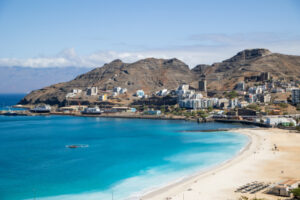
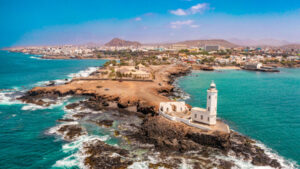
Moroni’s coastline offers attractive views of the Indian Ocean and volcanic landscape.
Daytime visits to populated coastal areas are generally manageable.
Avoid isolated stretches after dark and stay away from rough water during storms.
Places to Avoid in Moroni
Isolated Areas After Dark
Street lighting can be limited outside central areas.
Avoid walking alone through deserted streets, beaches, or unfamiliar neighborhoods after sunset.
Use a taxi or pre-arranged transportation instead.
Demonstrations and Political Gatherings
Political tensions and demonstrations occasionally occur in Comoros.
Avoid protests, rallies, and large political gatherings even if they initially appear peaceful.
Roadblocks and clashes can develop unexpectedly.
Remote Slopes of Mount Karthala Without a Guide
Mount Karthala is a major attraction, but hiking independently is not advisable.
Trails can be difficult to follow, weather changes quickly, and volcanic terrain can be hazardous.
Use an experienced guide for mountain excursions.
Rough Coastal Areas During Bad Weather
Strong waves and changing sea conditions can make exposed coastal areas dangerous.
Avoid swimming or approaching rocky shorelines during storms or when the sea is rough.
Poorly Lit Roads at Night
Night driving can be challenging because of potholes, pedestrians, animals, motorcycles, and limited street lighting.
Avoid unnecessary road travel after dark whenever possible.
Safety Tips for Traveling to Moroni
- Dress Respectfully. Comoros is a conservative Muslim-majority country. Visitors should wear modest clothing in public areas, especially when visiting neighborhoods, markets, and religious sites.
- Avoid Walking Alone Late at Night. Use transportation after dark rather than walking long distances through unfamiliar areas. This is particularly important outside the central city.
- Drink Bottled Water. Use sealed bottled or properly treated water. Hot and humid conditions make hydration important, but untreated water can cause gastrointestinal illness.
- Keep Valuables Out of Sight. Avoid displaying expensive jewelry, cameras, or large amounts of cash. Carry only what you need for the day.
- Arrange Mountain Trips With a Guide. Do not attempt Mount Karthala independently unless you have substantial local experience. Use an established guide who understands the route, weather, and volcanic conditions.
- Avoid Political Gatherings. Stay away from protests and demonstrations. Even small gatherings can lead to traffic disruption or confrontations with security forces.
- Agree on Taxi Fares First. Confirm the price before entering a taxi if a meter is not being used. Having smaller bills can make payment easier.
- Prepare for Power and Internet Interruptions. Electricity and communications can be less reliable than travelers may be accustomed to. Keep a charged power bank and offline copies of important travel information.
- Be Careful Around the Ocean. Do not assume an attractive beach is safe for swimming. Currents, waves, and the absence of lifeguards can make unfamiliar coastal areas dangerous.
- Carry Essential Medication. Medical facilities are limited. Bring enough prescription medication and basic supplies for your entire stay rather than assuming replacements will be easily available.
So... How Safe Is Moroni Really?
Moroni is not generally considered an extremely dangerous city, but it requires more preparation and awareness than a highly developed tourist destination.
The most common concerns for visitors are relatively practical.
Petty theft can occur in markets and crowded locations, road conditions are inconsistent, electricity and communications can be unreliable, and healthcare options are limited.
Violent crime against foreign visitors is not the defining safety concern, although travelers should still avoid isolated locations after dark and keep valuables discreet.
Natural hazards deserve particular attention.
Moroni sits close to Mount Karthala, one of the world’s large active volcanoes.
Travelers planning to hike the volcano should use an experienced guide and pay attention to local conditions.
Tropical weather can also affect travel.
Heavy rainfall may damage roads, trigger localized flooding, and create dangerous sea conditions.
Transportation between islands can become particularly uncomfortable or unsafe during poor weather.
Cultural awareness is also important.
Comoros is socially conservative, and modest clothing and respectful behavior are appropriate.
Visitors should be especially respectful around mosques and during religious observances.
Medical services are limited compared with those available in larger international destinations.
A serious illness or injury may require evacuation to another country with more advanced facilities.
For travelers who secure their belongings, use reliable transportation, respect local customs, avoid demonstrations, and prepare for the country’s limited infrastructure, Moroni can be explored safely and offers an unusual introduction to one of the Indian Ocean’s least-visited island nations.
How Does Moroni Compare?
| City | Safety Index |
|---|---|
 Moroni Moroni |
61 |
| Mutsamudu |
64 |
 Tibet Tibet | 87 |
 Vallejo Vallejo | 65 |
| Wilson | 93 |
 Kolkata Kolkata | 49 |
| Elko | 72 |
| Pawleys Island | 82 |
Useful Information

Visas
Entry requirements for Comoros depend on nationality. Travelers should verify the rules applicable to their passport before departure and make sure they meet any immigration and health documentation requirements. Keep copies of important travel documents separate from the originals.

Currency
Comoros uses the Comorian franc. Cash is important because card acceptance can be limited outside larger hotels and businesses. ATMs are available but should not be relied upon exclusively, so travelers should maintain an appropriate cash reserve.

Weather
Moroni has a hot tropical climate with high humidity. The wetter season generally brings heavier rainfall and a greater possibility of tropical storms and flooding. Temperatures remain warm throughout most of the year, although conditions are cooler at higher elevations around Mount Karthala.

Airports
Prince Said Ibrahim International Airport is the main international gateway to Grande Comore and is located north of Moroni. Visitors can continue into the capital by road. Arrange airport transportation in advance when possible, particularly for arrivals after dark.

Travel Insurance
Comprehensive travel insurance is strongly recommended. Medical facilities in Comoros are limited, and serious conditions may require evacuation abroad. A suitable policy should include emergency medical treatment, medical evacuation, cancellations, lost baggage, and disruptions caused by severe weather or transportation problems.
Moroni Weather Averages (Temperatures)
Average High/Low Temperature
| Temperature / Month | Jan | Feb | Mar | Apr | May | Jun | Jul | Aug | Sep | Oct | Nov | Dec |
|---|---|---|---|---|---|---|---|---|---|---|---|---|
| High °C |
30 | 30 | 31 | 30 | 29 | 27 | 26 | 26 | 28 | 29 | 30 | 30 |
| Low °C |
23 | 23 | 24 | 23 | 22 | 21 | 20 | 19 | 19 | 20 | 21 | 23 |
| High °F |
86 | 86 | 88 | 86 | 84 | 81 | 79 | 79 | 82 | 84 | 86 | 86 |
| Low °F |
73 | 73 | 75 | 73 | 72 | 70 | 68 | 66 | 66 | 68 | 70 | 73 |
Comoros - Safety by City
| City | Safety Index |
|---|---|
| Moroni | 61 |
| Mutsamudu | 64 |