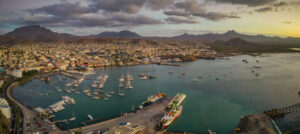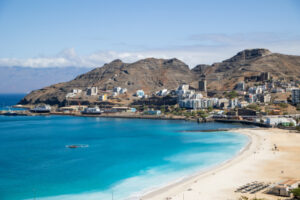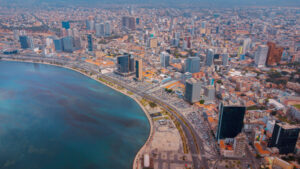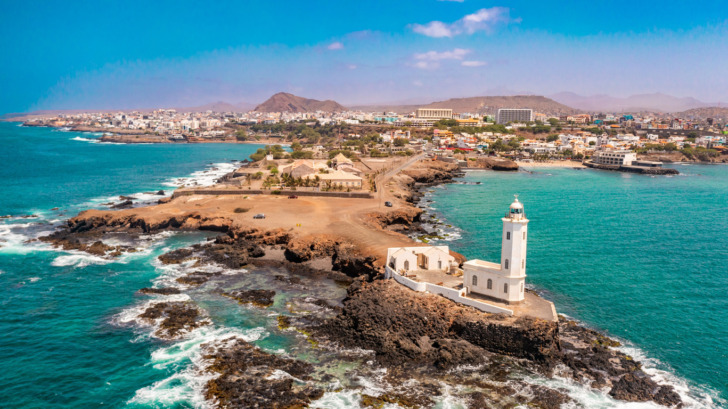
Praia is the capital of Cabo Verde and the largest city in the archipelago, sitting on the southern coast of Santiago Island overlooking the Atlantic Ocean.
It is the country’s political, economic, and cultural center, with government buildings, markets, beaches, restaurants, music venues, and a historic district known as the Plateau.
Praia feels much more urban and energetic than Cabo Verde’s resort islands, giving visitors a better look at everyday local life.
The city is generally welcoming, but it requires more caution than places such as Sal or Boa Vista.
Petty theft, phone snatching, robbery, poorly lit streets, traffic, and rough ocean conditions are the main concerns.
Most visitors have trouble-free stays when they remain aware of their surroundings, avoid isolated areas after dark, and use reliable transportation.
Warnings & Dangers in Praia

OVERALL RISK: MEDIUM
Praia is reasonably safe for tourists, but it deserves a medium risk rating because theft, robbery, assault, and street crime do occur. Most serious incidents can be avoided by staying in well-traveled areas, using taxis at night, keeping valuables discreet, and avoiding deserted streets or beaches after dark.

TRANSPORT & TAXIS RISK: MEDIUM
Taxis are widely available and generally safe when properly licensed. Shared minibuses are inexpensive but can be crowded and confusing for first-time visitors. Road conditions vary, driving can be aggressive, and pedestrians should watch carefully at crossings. Use a trusted taxi after dark rather than walking long distances.

PICKPOCKETS RISK: MEDIUM
Pickpocketing and phone theft can occur around markets, bus stops, crowded streets, festivals, and nightlife areas. Sucupira Market deserves normal extra caution because of crowds and close contact. Keep your phone in a secure pocket and avoid carrying wallets loosely in back pockets.

NATURAL DISASTERS RISK: MEDIUM
Praia faces drought, extreme heat, heavy rain, flash flooding, strong winds, and rough Atlantic seas. Tropical storms are less common than in the Caribbean, but severe weather can still affect the islands. Sudden downpours can overwhelm drainage systems and make roads difficult to use.

MUGGING RISK: MEDIUM
Muggings and armed robbery are possible, particularly after dark, in isolated streets, on quiet beaches, or around poorly lit areas. Avoid displaying expensive jewelry, cameras, or phones. If confronted by an armed robber, do not physically resist over property.

TERRORISM RISK: LOW
The terrorism risk in Praia is low. Cabo Verde is politically stable and is not considered a major international terrorism hotspot. Ordinary awareness around airports, government buildings, major public events, and transportation facilities is sufficient.

SCAMS RISK: LOW
Tourist scams are not a major problem, though visitors may encounter inflated taxi fares, unofficial guides, poor currency exchange offers, or questionable excursion sellers. Confirm prices before accepting services and use established operators for island tours and transfers.

WOMEN TRAVELERS RISK: MEDIUM
Women can travel safely in Praia, including independently, but extra nighttime caution is sensible. Street harassment can occur, and isolated areas should be avoided after dark. Use trusted taxis, watch drinks carefully, and choose accommodation in active, well-lit neighborhoods.

TAP WATER RISK: MEDIUM
Municipal water is treated, but supply systems, building storage tanks, and plumbing quality can vary. Many visitors prefer bottled or properly filtered water for drinking. Bottled water is widely available and is the safer choice for travelers with sensitive stomachs.
Safest Places to Visit in Praia
Plateau
The Plateau is Praia’s historic and administrative center and one of the easiest areas for visitors to explore.
Colonial-era buildings, government offices, shops, cafes, and public squares keep the area active throughout the day.
It is generally safe during daylight and early evening.
Keep valuables secure when crowds gather and use a taxi if returning late at night.
Prainha
Prainha is one of Praia’s more attractive coastal neighborhoods, with embassies, hotels, restaurants, and access to the sea.
It tends to feel calmer and more residential than the busiest central streets.
Normal precautions remain necessary, especially on quieter roads after dark.
Quebra Canela
Quebra Canela is popular with both locals and visitors for its beach, restaurants, and relaxed atmosphere.
The area is generally comfortable during daylight and early evening.
Keep belongings close while swimming and avoid leaving phones or wallets unattended on the sand.
Sucupira Market
Sucupira is one of Praia’s most interesting markets, selling clothing, food, household goods, souvenirs, and imported products.
Visit during busy daytime hours and carry only the cash you need.
It is not a dangerous place, but crowded markets naturally increase the chance of pickpocketing.
Cidade Velha as a Day Trip
Cidade Velha lies a short drive west of Praia and is one of Cabo Verde’s most important historic destinations.
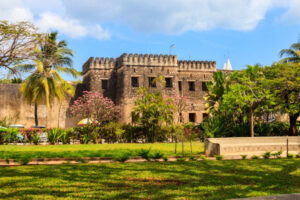
The old town includes colonial architecture, churches, a fortress, and reminders of the Atlantic slave trade.
Visit during daylight using reliable transportation and return before late evening.
Places to Avoid in Praia
Isolated Beaches After Dark
Praia’s beaches can become very quiet after sunset.
Poor lighting and limited pedestrian activity make isolated shoreline areas not worth lingering in late at night.
Enjoy sunset, then return to a restaurant, hotel, or busy central area.
Poorly Lit Residential Streets at Night
Praia doesn’t have one simple tourist no-go zone, but unfamiliar residential streets can feel uncomfortable after businesses close.
Use taxis after dark rather than walking long distances through quiet neighborhoods you do not know.
Empty Bus Stops Late at Night
Public transport is useful during the day, but waiting alone at quiet bus stops after dark can increase vulnerability to theft or robbery.
Use a taxi instead if service is infrequent or the area feels deserted.
Remote Outskirts
Visitors generally have little reason to explore peripheral industrial or undeveloped areas without a local guide or specific destination.
These places may lack lighting, reliable transportation, and easy access to assistance.
Exposed Rocky Shorelines During Rough Seas
The Atlantic around Santiago can be powerful.
Avoid standing close to breaking waves on exposed rocks, especially during high surf or strong wind.
Unexpected waves can sweep people into the sea even when the weather appears otherwise pleasant.
Safety Tips for Traveling to Praia
- Use taxis at night. Praia is much easier to navigate safely after dark by taxi. Ask your hotel or restaurant to call one if you are unfamiliar with local operators. Confirm the fare before departure when necessary and avoid walking long distances through quiet streets late at night.
- Keep your phone discreet. Phone snatching is one of the easiest crimes to prevent. Avoid walking along busy roads while holding an expensive smartphone openly. Check maps inside cafes, shops, or hotels rather than standing distracted on a street corner.
- Carry limited cash. Praia is increasingly card-friendly, but cash remains useful for taxis, markets, cafes, and small purchases. Carry only what you need for the day and keep emergency funds somewhere separate.
- Secure belongings at the beach. Do not leave phones, passports, wallets, or cameras unattended while swimming. Bring as little as possible to the beach and ask someone you trust to watch your belongings if you enter the water.
- Respect Atlantic conditions. Praia’s beaches are not always calm. Strong waves, currents, and sudden changes in sea conditions can make swimming dangerous. Ask locals or hotel staff about conditions and avoid entering the water alone when surf is rough.
- Take sun exposure seriously. Cabo Verde is sunny, dry, and windy, which can make heat feel less intense than it really is. Use sunscreen, drink plenty of water, wear a hat, and limit long walks during the hottest part of the day.
- Be cautious in crowded markets. Sucupira Market is fascinating but busy. Keep bags zipped, avoid displaying large amounts of cash, and keep phones in secure pockets. Crowds create opportunities for opportunistic theft even when the overall atmosphere is friendly.
- Avoid unnecessary confrontation. If someone is aggressive, intoxicated, or argumentative, walk away. Do not escalate disputes over taxi fares, nightlife misunderstandings, or street comments. Small arguments can become much more serious once alcohol is involved.
- Use reputable excursion companies. For island tours, hiking, transfers, or trips outside Praia, use established operators rather than random street offers. Confirm the itinerary, price, return time, and what is included before paying.
- Have travel insurance. Choose coverage for medical treatment, emergency evacuation, theft, cancellations, baggage, and missed flights. If your trip includes hiking, diving, boat excursions, or other adventure activities, confirm those are specifically included.
So... How Safe Is Praia Really?
Praia is neither exceptionally dangerous nor as carefree as Cabo Verde’s resort areas.
It is a real capital city with everyday urban problems, including theft, robbery, traffic, and pockets of poverty.
Most tourists who stay in the Plateau, Prainha, Quebra Canela, and other established visitor areas are unlikely to encounter serious trouble during normal daytime sightseeing.
Petty crime is the most realistic issue.
Phones, bags, and wallets can attract attention, especially in markets, crowded transport areas, or quiet streets where tourists stand out.
The risk changes after dark.
Walking alone through poorly lit streets or deserted beach areas is not a good idea, particularly for visitors unfamiliar with the city.
Taxis are inexpensive enough that there is little reason to take unnecessary chances.
Natural hazards are moderate.
The Atlantic can produce rough water, strong currents, and powerful waves, while summer heat and dehydration are frequent concerns.
Heavy rain can occasionally cause temporary flooding.
My assessment is that Praia deserves a medium overall risk rating.
Families, couples, solo travelers, and women traveling alone can visit successfully with ordinary urban precautions.
Use taxis after dark, keep valuables discreet, respect the ocean, and Praia becomes a much easier city to enjoy.
How Does Praia Compare?
| City | Safety Index |
|---|---|
 Praia Praia |
62 |
| Mindelo |
72 |
| Santa Maria |
78 |
 Guernsey Guernsey | 78 |
 Pamplona Pamplona | 81 |
| Port Clinton | 76 |
 Colombo Colombo | 70 |
 Bremen Bremen | 65 |
| Rosine | 90 |
Useful Information

Visas
Visa requirements depend on nationality. Citizens of many countries, including the United States and most European Union countries, can visit Cabo Verde for short tourist stays without obtaining a traditional visa in advance. Travelers generally need to complete pre-registration before arrival and may be required to pay an airport security fee.

Currency
Praia uses the Cabo Verdean escudo, abbreviated CVE. The currency is fixed to the euro at roughly 110.265 escudos to €1. Euros are sometimes accepted, but paying in local currency usually gives better value. Cards work at many hotels, restaurants, supermarkets, and larger businesses.

Weather
Praia has a warm, dry climate with relatively little rainfall. Temperatures generally remain comfortable throughout the year, while strong trade winds are common. The wetter period usually falls between August and October, although rainfall remains irregular. Pack lightweight clothing, sunscreen, a hat, and comfortable shoes.

Airports
Nelson Mandela International Airport is Praia’s main airport and lies only a short drive from the city center. Taxis and prearranged transfers are the easiest transportation options. Domestic flights connect Santiago with other Cabo Verde islands, although schedules can change due to weather or operational issues.

Travel Insurance
Travel insurance is strongly recommended. Choose coverage for medical treatment, evacuation, theft, cancellation, delayed flights, and lost luggage. Travelers planning hiking, diving, boat trips, or travel to more remote islands should confirm that those activities and inter-island disruptions are included.
Praia Weather Averages (Temperatures)
Average High/Low Temperature
| Temperature / Month | Jan | Feb | Mar | Apr | May | Jun | Jul | Aug | Sep | Oct | Nov | Dec |
|---|---|---|---|---|---|---|---|---|---|---|---|---|
| High °C |
26 | 26 | 27 | 28 | 28 | 29 | 29 | 30 | 30 | 31 | 29 | 27 |
| Low °C |
20 | 19 | 19 | 21 | 21 | 22 | 23 | 24 | 25 | 24 | 23 | 21 |
| High °F |
79 | 79 | 81 | 82 | 82 | 84 | 84 | 86 | 86 | 88 | 84 | 81 |
| Low °F |
68 | 66 | 66 | 70 | 70 | 72 | 73 | 75 | 77 | 75 | 73 | 70 |
Cabo Verde - Safety by City
| City | Safety Index |
|---|---|
| Mindelo | 72 |
| Praia | 62 |
| Santa Maria | 78 |