 Cabo Verde : Safety by City
Cabo Verde - safety as a country
Tarrafal is a relaxed coastal town on the northern tip of Santiago, the largest island in Cape Verde.
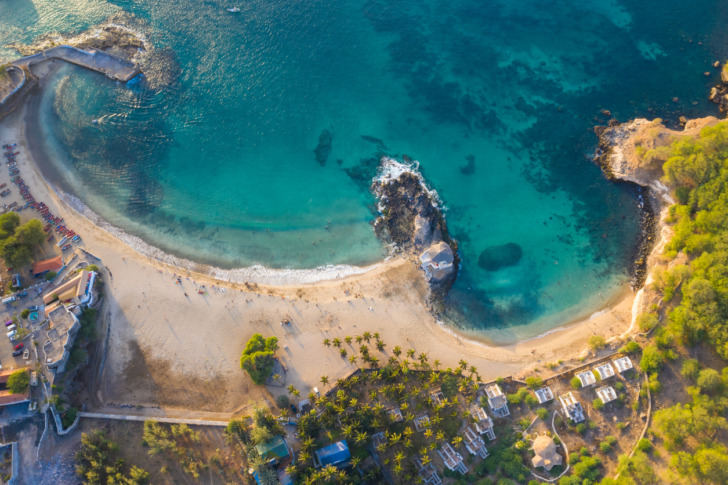
It is best known for its curved bay, pale sand, clear water, fishing boats, palm trees, and dramatic mountains rising behind the coast.
The town is much quieter than Praia and offers a more laid-back atmosphere, with small guesthouses, restaurants, local markets, and easy access to hiking in Serra da Malagueta.
Tarrafal also has a darker historical side through the former Portuguese concentration camp, now preserved as a museum dedicated to political prisoners and resistance.
Crime is generally low, and Cape Verde is considered a relatively safe destination.
The main concerns in Tarrafal are ocean currents, opportunistic theft, mountain-road driving, hiking accidents, tropical sun, and occasional heavy rainfall.
Warnings & Dangers in Tarrafal

OVERALL RISK: LOW
Tarrafal has a low overall travel risk. Serious violent crime involving tourists is uncommon, and the town is considerably calmer than Praia. Visitors should still take normal precautions with valuables, avoid isolated areas after dark, use reliable transportation, and respect changing ocean conditions. Outdoor activities create more practical risk than street crime.

TRANSPORT & TAXIS RISK: MEDIUM
Road travel deserves attention because reaching Tarrafal involves mountainous roads with steep sections and sharp bends. Shared aluguer minibuses are inexpensive, but driving standards vary. Use seatbelts whenever available and choose reputable taxis or drivers for longer trips. Avoid unnecessary mountain-road travel late at night or during heavy rain.

PICKPOCKETS RISK: LOW
Pickpocketing is uncommon in Tarrafal, particularly compared with larger cities. Opportunistic theft may still occur around markets, busy beaches, festivals, transport stops, and restaurants. Do not leave phones or wallets unattended while swimming, and keep accommodation doors locked when you leave.

NATURAL DISASTERS RISK: MEDIUM
Flash flooding, landslides, heavy rain, rough seas, drought, and strong winds create a medium environmental risk. Cape Verde's short rainy season generally falls between August and October. Intense downpours can quickly affect mountain roads and normally dry riverbeds. Dusty Harmattan conditions can also affect visibility during winter.

MUGGING RISK: LOW
Muggings are uncommon in central Tarrafal. The town generally feels comfortable during daylight and early evening. Risk increases slightly on empty beaches, dark residential roads, and isolated coastal paths late at night. Carry limited cash and avoid displaying expensive jewelry, cameras, or large amounts of money unnecessarily.

TERRORISM RISK: LOW
The terrorism risk is low. Cape Verde does not have a recent pattern of terrorist attacks, and Tarrafal is a small coastal destination without major international targets. Normal awareness at airports, major events, government buildings, and crowded public areas should be sufficient.

SCAMS RISK: LOW
Tourist scams are relatively uncommon. Visitors may encounter inflated taxi quotes, informal tour offers, or unclear excursion prices. Confirm the total price before getting into a vehicle or booking a boat trip. Use established accommodation providers and reputable guides for excursions into the mountains.

WOMEN TRAVELERS RISK: LOW
Tarrafal is generally safe for women, including solo travelers. Street harassment can occur but is usually limited compared with many larger destinations. Solo women should avoid isolated beaches and poorly lit roads after dark, use trusted drivers for longer journeys, and apply normal precautions around bars and nightlife.

TAP WATER RISK: MEDIUM
Municipal water is treated, but many travelers prefer bottled or filtered water because local water supplies can vary and may involve desalinated or stored water. If you have a sensitive stomach, use sealed bottled water for drinking and ask your accommodation about its water supply before drinking directly from the tap.
Safest Places to Visit in Tarrafal
Tarrafal Beach
Tarrafal Beach is the town’s main attraction and one of Santiago’s most attractive swimming spots.
The sheltered bay often provides calmer conditions than Cape Verde’s more exposed Atlantic beaches.
During daylight, the beach is lively with families, fishermen, visitors, and local businesses.
Keep valuables within sight while swimming and pay attention to changing sea conditions.
Central Tarrafal
The compact town center contains restaurants, cafes, shops, accommodation, and local services.
It is easy to explore on foot during daylight and early evening.
Street crime is limited, but sidewalks can be uneven, and motorcycles share the roads with pedestrians.
Take extra care when crossing streets after dark.
Tarrafal Concentration Camp Museum
The former concentration camp south of town is one of Santiago’s most important historical sites.
It preserves the memory of political prisoners held during Portuguese colonial rule.
The site is organized for visitors and is generally safe during opening hours.
Bring water and sun protection because shade can be limited.
Serra da Malagueta Natural Park
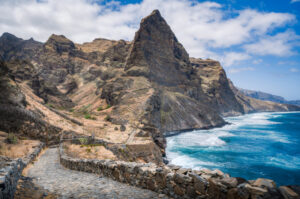
Serra da Malagueta offers some of Santiago’s best mountain scenery, hiking trails, agricultural valleys, and panoramic viewpoints.
Hiking is safest with a knowledgeable local guide, especially on longer routes.
Fog, heat, steep slopes, and confusing trail junctions can create difficulties even when the weather appears good in Tarrafal.
Ribeira Prata
The coastal communities around Ribeira Prata offer volcanic scenery, natural pools, beaches, and a quieter side of northern Santiago.
Visit during daylight and ask locally about ocean conditions before entering natural pools.
Waves can wash over exposed rocks even when the sea initially appears calm.
Places to Avoid in Tarrafal
Isolated Beaches After Dark
Tarrafal does not have established dangerous neighborhoods that tourists need to avoid entirely.
The more important concern is isolation.
Empty beaches and coastal paths become extremely quiet after dark, creating opportunities for theft and making it harder to get help if you are injured.
Return to populated areas after sunset.
Rocky Shorelines During Rough Seas
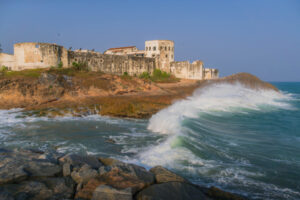
Cape Verde’s Atlantic coastline can produce powerful waves and strong undertow.
Avoid climbing onto exposed rocks during rough conditions.
Unexpected waves can knock people into the water, while volcanic rock becomes extremely slippery when wet.
Stay well back from the edge when surf is breaking heavily.
Mountain Roads During Heavy Rain
Roads crossing Santiago’s mountainous interior can become hazardous during intense rainfall.
Landslides, rockfall, standing water, and reduced visibility are possible.
Do not pressure a driver to continue if conditions deteriorate.
Delaying the journey is safer than attempting narrow mountain bends during a severe storm.
Unmarked Hiking Routes
Avoid wandering away from established trails in Serra da Malagueta or other mountainous areas.
Dry terrain can look open and easy to navigate, but steep ravines and confusing ridges make shortcuts risky.
Use marked routes and bring offline maps, water, and appropriate footwear.
Empty Transport Areas Late at Night
Bus and shared-minibus stops are generally safe during operating hours but become much quieter late at night.
Arrange your transportation beforehand if arriving late rather than standing alone with luggage and electronics while looking for a ride.
Safety Tips for Traveling to Tarrafal
- Respect the Atlantic Ocean. Tarrafal Bay can be relatively calm, but Cape Verde is surrounded by open Atlantic water. Currents, waves, and undertow can change quickly. Swim close to shore, follow local advice, and avoid entering the water when warning flags or rough conditions indicate danger.
- Do not leave valuables unattended on the beach. Tarrafal is safe enough that visitors sometimes become too relaxed. A phone, camera, wallet, or backpack sitting on an empty towel remains an easy target. Leave passports and extra money at your accommodation and take only what you need to the beach.
- Choose your driver carefully. The road between Praia and Tarrafal crosses mountainous terrain, and driving styles vary. Use a reputable taxi, organized transfer, or experienced local driver rather than choosing solely by price. Wear a seatbelt whenever one is available.
- Avoid mountain driving during heavy rain. Santiago’s rainy season is short but can be intense. Roads may flood, rocks can fall onto the roadway, and slopes may become unstable. If heavy rain starts during a mountain journey, slow down and follow the driver’s judgment about whether it is safe to continue.
- Carry plenty of water when hiking. Cape Verde’s dry climate and strong winds make dehydration easy to underestimate. Hiking in Serra da Malagueta can involve long exposed sections with limited places to refill water. Bring more drinking water than you expect to need, along with sunscreen and a hat.
- Use a guide for longer hikes. Some routes around northern Santiago pass through villages, valleys, ridges, and agricultural areas where signage may be limited. A local guide reduces the risk of becoming lost and adds cultural context that you would otherwise miss.
- Protect yourself from the sun. The tropical sun remains strong even when Atlantic winds make the temperature feel comfortable. Apply sunscreen regularly, wear sunglasses and a hat, and limit prolonged exposure during the middle of the day. Sunburn can happen quickly on beaches and mountain trails.
- Be more cautious when visiting Praia. If your Tarrafal trip includes time in Santiago’s capital, increase your crime precautions there. Praia experiences more pickpocketing, bag snatching, robbery, and street crime than Tarrafal. Avoid isolated neighborhoods after dark and use trusted transportation.
- Keep accommodation secured. Lock doors and windows whenever you leave your room, apartment, or guesthouse. Tarrafal’s relaxed atmosphere does not eliminate burglary risk. Use a safe when available for passports, backup cash, electronics, and travel documents.
- Complete Cape Verde’s entry registration before flying. Visa-exempt travelers generally need to complete the electronic traveler pre-registration before arriving and pay the airport security tax when applicable. As of 2026, travelers who arrive without completing the required pre-registration may face a higher payment at border control. Complete the process several days before departure.
So... How Safe Is Tarrafal Really?
Tarrafal is one of the safer and more relaxed destinations on Santiago Island.
Cape Verde as a whole currently sits at a low international travel-alert level, with ordinary precautions considered sufficient for most of the country.
Praia carries greater crime concerns, but Tarrafal does not share the capital’s level of street crime.
For most travelers, the biggest risks are environmental rather than criminal.
The Atlantic deserves particular respect.
Tarrafal Bay often looks gentle and inviting, but Cape Verde’s coast can produce strong currents and unpredictable waves.
The safest approach is to swim where local residents and other swimmers are present and avoid rough conditions.
Road travel is another important consideration.
The journey between Praia and Tarrafal crosses mountainous central Santiago.
The scenery is spectacular, but steep roads, local driving habits, fog, rain, and occasional rockfall make responsible driving essential.
Hiking presents similar issues.
Serra da Malagueta is one of Santiago’s highlights, but heat, dehydration, steep terrain, and poor navigation can create problems for unprepared visitors.
Crime exists, but common-sense precautions go a long way.
Keep valuables secured, avoid isolated areas after dark, and lock accommodation properly.
My assessment is that Tarrafal has a low overall travel risk and is suitable for families, couples, solo travelers, and independent visitors.
Respect the ocean, choose reliable transportation, prepare properly for hikes, and Tarrafal should be one of the easier places to enjoy on Santiago.
How Does Tarrafal Compare?
| City | Safety Index |
|---|---|
| Tarrafal |
75 |
| Praia |
62 |
| Mindelo |
72 |
| Porto Novo |
76 |
| Santa Maria |
78 |
| Cidade Velha |
74 |
| Sal Rei |
77 |
 Surabaya Surabaya | 80 |
 Mazatlan Mazatlan | 60 |
 Winnipeg Winnipeg | 78 |
 El Calafate El Calafate | 78 |
 Sucre Sucre | 74 |
 Hickory Hickory | 68 |
Useful Information

Visas
Citizens of many countries can visit Cape Verde for short tourist stays without obtaining a traditional visa, commonly for up to 30 days. Visa-exempt travelers generally need to complete the electronic traveler pre-registration at least five days before arrival and pay the applicable airport security tax. Passport validity requirements depend on nationality.

Currency
Tarrafal uses the Cape Verdean escudo, abbreviated CVE. The currency is fixed to the euro at approximately 110.265 escudos to €1. Euros may be accepted by some tourism businesses, but paying in escudos is usually easier. Carry cash because smaller restaurants, taxis, guesthouses, and local shops may not accept cards.

Weather
Tarrafal is warm and relatively dry throughout the year. Daytime temperatures generally remain in the mid to upper 20s Celsius, with warmer conditions in late summer and early autumn. The limited rainy season usually occurs from August through October. Winter can bring stronger winds and dry, dusty Harmattan conditions.

Airports
Nelson Mandela International Airport near Praia is the main airport serving Santiago Island. Tarrafal is roughly 65 to 75 kilometers away by road, but the mountainous route means the trip commonly takes around 90 minutes to two hours. Private transfers, taxis, rental cars, and shared aluguer minibuses connect the capital with northern Santiago.

Travel Insurance
Travel insurance is recommended for Tarrafal, particularly if your plans include hiking, swimming, snorkeling, diving, or driving around Santiago. Choose coverage for medical treatment, evacuation, lost belongings, road accidents, weather disruption, and outdoor activities. Medical facilities outside Praia are limited, so emergency transportation coverage is especially useful.
Tarrafal Weather Averages (Temperatures)
Average High/Low Temperature
| Temperature / Month | Jan | Feb | Mar | Apr | May | Jun | Jul | Aug | Sep | Oct | Nov | Dec |
|---|---|---|---|---|---|---|---|---|---|---|---|---|
| High °C |
25 | 24 | 25 | 25 | 26 | 27 | 27 | 28 | 29 | 29 | 28 | 26 |
| Low °C |
20 | 19 | 19 | 20 | 20 | 21 | 23 | 24 | 25 | 24 | 23 | 21 |
| High °F |
77 | 75 | 77 | 77 | 79 | 81 | 81 | 82 | 84 | 84 | 82 | 79 |
| Low °F |
68 | 66 | 66 | 68 | 68 | 70 | 73 | 75 | 77 | 75 | 73 | 70 |
Cabo Verde - Safety by City
| City | Safety Index |
|---|---|
| Cidade Velha | 74 |
| Mindelo | 72 |
| Porto Novo | 76 |
| Praia | 62 |
| Sal Rei | 77 |
| Santa Maria | 78 |
| Tarrafal | 75 |