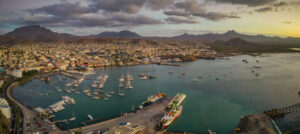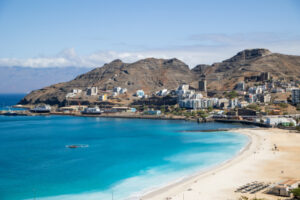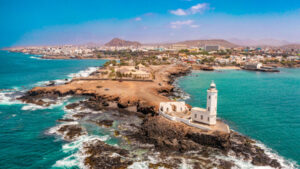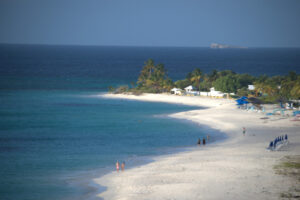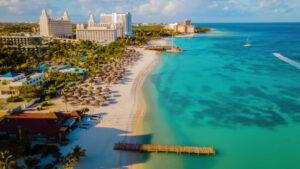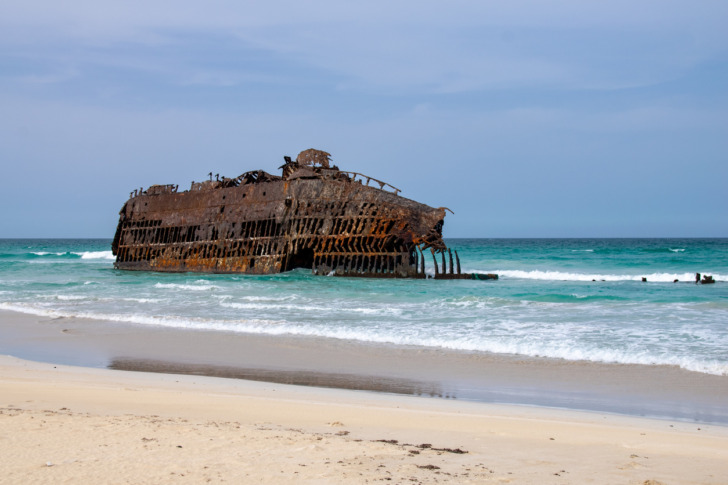
Santa Maria is the main resort town on Sal, one of Cabo Verde’s most popular islands.
Set along a broad stretch of pale sand and turquoise Atlantic water, it has developed from a small fishing settlement into a lively vacation center filled with hotels, restaurants, beach clubs, surf schools, excursion companies, and resorts.
The atmosphere is relaxed and heavily geared toward international visitors, particularly Europeans looking for winter sunshine.
Cabo Verde is generally considered a safe country, and Santa Maria is one of its easiest destinations for tourists.
However, Sal does experience pickpocketing, bag theft, occasional muggings, and burglaries.
Strong Atlantic currents, water-sports accidents, intense sun, and gastrointestinal illness are also important concerns.
Overall, Santa Maria is very visitable, but normal resort-town precautions are still necessary.
Warnings & Dangers in Santa Maria

OVERALL RISK: LOW
Santa Maria is generally safe, and Cabo Verde currently has the lowest standard travel-advisory level. Most visitors experience no serious crime. Sal does report theft and occasional robbery, however, particularly after dark. Avoid deserted areas at night, keep valuables secure, and do not assume that a resort environment means crime is impossible.

TRANSPORT & TAXIS RISK: LOW
Taxis are widely used and generally safe. Confirm the price before starting your journey, particularly for airport transfers or trips outside Santa Maria. Roads across Sal are mostly straightforward, but driving standards vary and some secondary roads are rough. Avoid excessive speed and wear a seat belt even on short island transfers.

PICKPOCKETS RISK: MEDIUM
Pickpocketing, bag-snatching, and opportunistic theft occur on Sal, especially where tourists concentrate. Busy streets, nightlife areas, beaches, festivals, and excursions deserve extra attention. Do not leave phones, bags, or wallets unattended while swimming, and avoid carrying passports or large amounts of cash when they are not necessary.

NATURAL DISASTERS RISK: MEDIUM
Sal has a dry climate and lies outside the areas most frequently struck by hurricanes, but tropical systems can still bring strong wind, heavy rain, rough seas, and transportation disruption. The Atlantic Ocean itself is a greater everyday danger. Strong currents and undertows occur around Cabo Verde and have caused drownings.

MUGGING RISK: MEDIUM
Muggings occur in Cabo Verde, including on Sal, although serious incidents remain uncommon compared with many destinations. Risk increases on poorly lit streets, remote beaches, and quiet roads after dark. Avoid walking alone late at night and do not resist an attacker who is armed or demanding valuables.

TERRORISM RISK: LOW
Cabo Verde has no recent history of terrorist attacks and Santa Maria is not considered a major terrorism hotspot. An incident can never be ruled out completely, but terrorism is not a major practical concern for most visitors. Petty crime, ocean safety, road travel, and health precautions deserve far more attention.

SCAMS RISK: MEDIUM
Visitors may encounter aggressive souvenir sellers, inflated taxi prices, unofficial excursion offers, questionable tour operators, or people requesting money after providing unsolicited assistance. Agree on prices before accepting anything and book expensive activities through established businesses. Be particularly cautious about excursions involving boats, quad bikes, or remote locations.

WOMEN TRAVELERS RISK: LOW
Santa Maria is generally comfortable for women traveling alone, especially around the central streets, resorts, restaurants, and busy beachfront. Sexual assaults are uncommon but have been reported in Cabo Verde. Solo women should avoid deserted beaches after dark, watch drinks, and take a taxi rather than making long nighttime walks alone.

TAP WATER RISK: MEDIUM
Travelers should be cautious with drinking water and food hygiene. Santa Maria has experienced repeated clusters of gastrointestinal illness among international visitors, including Shigella and Salmonella infections. Use bottled or properly treated drinking water if uncertain, wash hands frequently, and be selective about raw foods, salads, buffet items, and ice.
Safest Places to Visit in Santa Maria
Santa Maria Beach
The long beach directly in front of the town is the center of tourism on Sal.
Hotels, restaurants, water-sports businesses, lifeguards in some sections, and large numbers of visitors make it one of the easiest places to spend the day.
The main danger is the Atlantic rather than crime.
Follow warning flags and avoid swimming alone.
Santa Maria Pier
The wooden pier is one of the liveliest places in town, particularly when local fishermen return with their catch.
Fish are cleaned and sold directly around the pier, creating one of Santa Maria’s most interesting everyday scenes.
Keep phones and wallets secure when crowds gather and watch for slippery surfaces around fresh fish and seawater.
Central Santa Maria
The streets around the main restaurants, hotels, shops, and bars are generally comfortable during the day and early evening.
This is where most visitors spend their time.
Petty theft remains possible, but basic awareness is normally sufficient.
Ponta Preta
Ponta Preta is famous for its waves and is particularly popular with experienced surfers and windsurfers.
The scenery is beautiful, and organized excursions frequently stop nearby.
Swimming conditions can be much more challenging than they look, so inexperienced swimmers should stay close to shore or avoid entering rough water entirely.
Pedra de Lume
The old saltworks inside the crater of an extinct volcano are among Sal’s best-known attractions.
Visitors can float in highly saline water and explore the unusual landscape.
The site is generally safe during organized daytime visits.
Protect your skin and eyes from salty water and bring plenty of drinking water.
Places to Avoid in Santa Maria
There Are No Major Tourist No-Go Neighborhoods
Santa Maria does not have a clearly defined neighborhood that all travelers need to avoid.
Safety depends more on time of day and isolation.
Busy central streets can feel very safe while an empty stretch of beach only a short distance away may become much less comfortable after dark.
Deserted Beaches at Night
Do not make long solo walks along empty sections of coastline after sunset.
Beaches become significantly quieter once you move away from the resorts and restaurants.
The combination of poor lighting, occasional robbery, and ocean hazards makes these areas unnecessary nighttime risks.
Poorly Lit Outskirts
Some areas on the edge of Santa Maria have limited lighting and little pedestrian activity.
There is rarely a reason for tourists to explore residential outskirts late at night.
Use a taxi when returning to accommodation away from the central resort area.
Rough Ocean During Warning Conditions
Strong currents and undertows are one of the most serious dangers in Cabo Verde.
Several drownings have occurred around the islands.
Do not enter the water when warning flags or lifeguards indicate dangerous conditions, even if confident swimmers appear to be ignoring them.
Remote Island Tracks After Dark
Sal is easy to explore by vehicle, but remote dirt roads provide little assistance if something goes wrong.
Complete sightseeing trips such as Pedra de Lume, Buracona, or desert excursions during daylight and use established tour operators.
Unlicensed Excursion Operators
Avoid operators who cannot clearly explain insurance, safety equipment, pricing, or what is included.
This is particularly important for quad bikes, diving, fishing, boat trips, kiteboarding, and other activities where poor equipment or inexperienced staff could create serious risks.
Safety Tips for Traveling to Santa Maria
- Do not leave valuables unattended on the beach. Beach theft is one of the easiest crimes for travelers to prevent. Leave passports, expensive jewelry, and unnecessary electronics in a hotel safe. If everyone wants to swim, use waterproof storage for essential items rather than covering them with a towel and hoping nobody notices.
- Respect the Atlantic Ocean. Cabo Verde has powerful currents and undertows. Swim in established areas, pay attention to warning flags, and never assume that calm-looking water is harmless. Avoid swimming alone, particularly away from busy resort beaches.
- Be careful with food hygiene. Santa Maria has experienced repeated gastrointestinal illness among international visitors. Wash or sanitize your hands before eating, choose well-cooked food served hot, and be cautious with buffets that have been sitting out. Travelers with sensitive stomachs may prefer bottled water.
- Use taxis after dark. Central Santa Maria can remain lively into the evening, but streets become much quieter away from restaurants and resorts. If your hotel is outside the center, use a taxi rather than making a long walk through poorly illuminated areas.
- Protect yourself from the sun. Sal is dry, sunny, and windy. The constant breeze can hide how intensely the sun is affecting your skin. Apply sunscreen regularly, wear sunglasses and a hat, and carry water during excursions.
- Book water sports with reputable operators. Santa Maria is excellent for diving, surfing, kitesurfing, sailing, and fishing, but the Atlantic requires respect. Choose operators that provide appropriate safety equipment and clearly explain weather conditions, experience requirements, and emergency procedures.
- Keep cash and cards separated. The Cabo Verdean escudo is useful for everyday purchases, although euros are widely accepted in tourist areas. Carry only the money needed for the day and keep a backup card and emergency cash separately at your accommodation.
- Do not resist a robbery. Although Santa Maria is generally safe, violent muggings can occur. If someone threatens you with a weapon, hand over your belongings rather than fighting back. A phone or wallet is replaceable.
- Watch alcohol consumption around the water. Santa Maria has plenty of beachfront bars and nightlife. Alcohol and Atlantic swimming are a dangerous combination. If you have been drinking heavily, stay out of the ocean and use a taxi back to your accommodation.
- Arrange travel insurance with evacuation coverage. Medical care on Sal is limited compared with major European or North American cities. Serious injuries or illnesses may require transfer to another island or overseas. Coverage should include medical evacuation, water sports, theft, flight disruptions, and gastrointestinal illness.
So... How Safe Is Santa Maria Really?
Santa Maria is one of the more straightforward destinations in West Africa for international tourists.
Cabo Verde currently has a Level 1 travel rating, and the resort infrastructure on Sal is well developed.
The crime picture is generally favorable, but not perfect.
Petty theft, burglaries, bag-snatching, and occasional muggings occur on Sal.
Travelers become particularly vulnerable when they leave valuables unattended on beaches or walk through isolated areas late at night.
The ocean deserves just as much attention.
Cabo Verde’s beaches are beautiful, but strong currents and undertows have caused fatalities, including on Sal.
Visitors should take lifeguard warnings seriously and avoid swimming alone outside established areas.
Food and water hygiene also deserve extra attention.
Santa Maria has been linked with recurring gastrointestinal illnesses among travelers in recent years, including outbreaks involving Shigella and Salmonella.
Careful hand washing, safe drinking water, and sensible food choices are worthwhile precautions even at large resorts.
Overall, I rate Santa Maria as low risk, with several specific issues that can be reduced easily through preparation.
Families, couples, solo travelers, and women traveling alone should generally feel comfortable here.
Protect your belongings, respect the Atlantic, use taxis late at night, and pay extra attention to food hygiene.
How Does Santa Maria Compare?
| City | Safety Index |
|---|---|
 Santa Maria Santa Maria |
78 |
| Praia |
62 |
| Mindelo |
72 |
 Milwaukee Milwaukee | 34 |
 Cagliari Cagliari | 64 |
| Brandon | 64 |
| West Jordan | 94 |
| Arlington | 77 |
| Abilene | 67 |
Useful Information

Visas
Visitors from many countries, including the United States, United Kingdom, and much of Europe, can enter Cabo Verde for tourism for up to 30 days without a visa. Travelers must complete advance entry registration and pay the airport security fee. The international fee is 3,400 CVE, about €31. From July 1, 2026, travelers who fail to pre-register may be charged double at border control.

Currency
Santa Maria uses the Cabo Verdean escudo, which is fixed to the euro at roughly 110.27 CVE to €1. Euros are widely accepted in tourist businesses, although change may be returned in escudos. Cards work at many hotels and restaurants. Carry some local cash for taxis, smaller shops, tips, and beach businesses.

Weather
Santa Maria has a dry, sunny climate with warm temperatures throughout the year. Daytime temperatures generally range from the mid-20s to around 30°C. Rainfall is limited, with the greatest chance usually between August and October. Trade winds can be strong, especially during winter and spring, making Sal popular with windsurfers and kitesurfers.

Airports
Amílcar Cabral International Airport is Sal’s main airport and sits near Espargos, roughly 17 kilometers from Santa Maria. The journey normally takes around 20 minutes by taxi or transfer vehicle. Many package holidays include transportation, while taxis and prearranged private transfers are readily available.

Travel Insurance
Travel insurance is strongly recommended. Coverage should include emergency medical treatment, evacuation, lost baggage, theft, missed or canceled flights, and water activities. Travelers planning scuba diving should check coverage carefully because Cabo Verde does not have local hyperbaric decompression facilities, making emergency evacuation particularly important.
Santa Maria Weather Averages (Temperatures)
Average High/Low Temperature
| Temperature / Month | Jan | Feb | Mar | Apr | May | Jun | Jul | Aug | Sep | Oct | Nov | Dec |
|---|---|---|---|---|---|---|---|---|---|---|---|---|
| High °C |
24 | 23 | 25 | 25 | 26 | 27 | 27 | 29 | 30 | 29 | 28 | 25 |
| Low °C |
18 | 18 | 19 | 19 | 20 | 21 | 22 | 23 | 24 | 24 | 22 | 20 |
| High °F |
75 | 73 | 77 | 77 | 79 | 81 | 81 | 84 | 86 | 84 | 82 | 77 |
| Low °F |
64 | 64 | 66 | 66 | 68 | 70 | 72 | 73 | 75 | 75 | 72 | 68 |
Cabo Verde - Safety by City
| City | Safety Index |
|---|---|
| Mindelo | 72 |
| Praia | 62 |
| Santa Maria | 78 |