 Cabo Verde : Safety by City
Cabo Verde - safety as a country
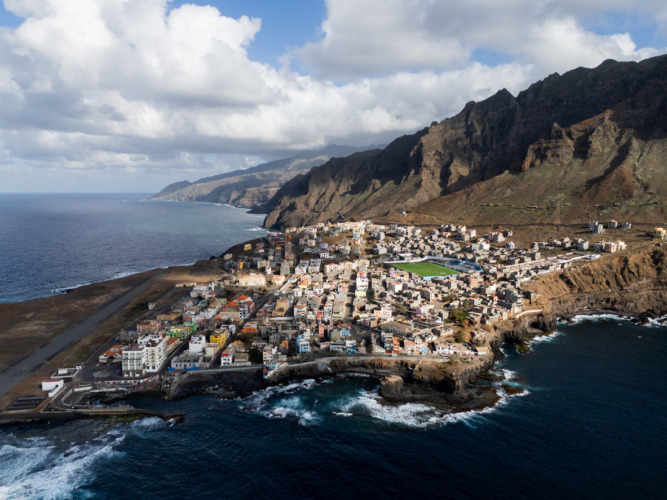
Porto Novo is the main gateway to Santo Antão, Cabo Verde’s spectacularly mountainous western island.
Sitting on the island’s dry southeastern coast, the town faces the São Vicente Channel and receives regular ferries from Mindelo.
Most travelers pass through on their way to Santo Antão’s green valleys, volcanic ridges, remote villages, and famous hiking trails, but Porto Novo itself is worth slowing down for.
It has a waterfront, markets, local restaurants, dramatic volcanic scenery, and a much quieter atmosphere than Praia or Mindelo.
Crime is low and serious violence involving visitors is uncommon.
The biggest safety concerns are mountain roads, hiking accidents, intense sun, dehydration, flash floods, falling rocks, rough seas, and occasionally unreliable transportation rather than street crime.
Warnings & Dangers in Porto Novo

OVERALL RISK: LOW
Porto Novo is generally a low-risk destination. Violent crime involving tourists is uncommon, the town is relaxed, and most visitors experience no serious problems. Petty theft can occur, but road travel, hiking, heat, and changing mountain weather are more important everyday concerns.

TRANSPORT & TAXIS RISK: MEDIUM
Transportation deserves extra attention because Santo Antão is extremely mountainous. Roads can be steep, narrow, winding, and bordered by dramatic drop-offs. Shared aluguer minibuses are widely used and generally safe, but driving styles may feel fast to visitors. Use experienced local drivers and avoid unnecessary mountain travel after dark.

PICKPOCKETS RISK: LOW
Pickpocketing is uncommon in Porto Novo. The ferry terminal, markets, festivals, and crowded transport areas are the most likely places for opportunistic theft. Keep your wallet and phone secured and avoid leaving luggage unattended while arranging transportation after arriving by ferry.

NATURAL DISASTERS RISK: MEDIUM
Flash floods, landslides, rockfall, drought, strong winds, and occasional severe rain are the main natural hazards. Santo Antão’s steep valleys can funnel water rapidly after heavy rainfall. Mountain roads and hiking trails may become dangerous or temporarily inaccessible during storms.

MUGGING RISK: LOW
Muggings are uncommon. Central Porto Novo is generally comfortable during daylight and early evening, and tourists are not routinely targeted for violent robbery. Avoid isolated roads, beaches, and poorly lit areas late at night, particularly when carrying cameras or expensive electronics.

TERRORISM RISK: LOW
The terrorism risk in Porto Novo is low. Cabo Verde is politically stable and is not considered a significant international terrorism hotspot. Ordinary awareness at ferry terminals, festivals, government buildings, and large public gatherings is sufficient.

SCAMS RISK: LOW
Tourist scams are not a major problem. Visitors may encounter unclear taxi or aluguer pricing, unofficial hiking guides, or excursion offers without clearly stated costs. Confirm prices before departure and use established accommodation providers or reputable local guides for longer mountain trips.

WOMEN TRAVELERS RISK: LOW
Porto Novo is generally safe for women traveling alone. Street harassment is not a major tourist issue and the town has a relaxed atmosphere. Women should still avoid isolated roads and beaches after dark, use reliable transportation at night, and take normal precautions with drinks and valuables.

TAP WATER RISK: MEDIUM
Municipal water is treated, but water supply and storage conditions can vary between buildings. Many short-term visitors prefer bottled or filtered water for drinking. This is especially sensible on hiking days, when stomach problems combined with dehydration would be particularly unpleasant.
Safest Places to Visit in Porto Novo
Porto Novo Waterfront
The waterfront is one of the easiest places to explore and gives visitors excellent views across the channel toward São Vicente.
Ferry traffic, local businesses, taxis, and pedestrians keep the area active during the day.
Keep luggage close when arriving or departing, but serious crime is uncommon.
Porto Novo Town Center
The central streets contain shops, cafes, restaurants, banks, small hotels, and everyday local businesses.
It is comfortable to explore during daylight and gives travelers a good introduction to life on Santo Antão before heading into the mountains.
Traffic and heat deserve more attention than crime.
Municipal Market
Porto Novo’s market is a useful place to buy fruit, vegetables, snacks, and supplies before exploring the island.
Visit during normal daytime hours, carry smaller amounts of cash, and secure your phone when crowds are present.
The atmosphere is generally friendly and local rather than heavily tourist-oriented.
Curraletes Beach Area
The coastline near Porto Novo offers open Atlantic views and quiet beaches, including areas around Curraletes.
Visit during daylight, avoid swimming alone, and ask locally about currents before entering the water.
The sea around Santo Antão can be considerably stronger than the calm appearance of some beaches suggests.
Organized Excursions Into Santo Antão
Porto Novo is the starting point for some of Cabo Verde’s most spectacular road journeys and hiking trips.
Travel with an experienced driver or guide when heading into unfamiliar valleys or mountain areas.
Established excursions provide a much safer introduction than improvising remote routes without local knowledge.
Places to Avoid in Porto Novo
Mountain Roads After Dark
Santo Antão’s roads are beautiful but demanding.
Sharp bends, steep slopes, limited lighting, livestock, pedestrians, and rockfall make nighttime driving unnecessary.
Plan excursions so you return before darkness whenever possible.
Dry Riverbeds During Heavy Rain
Wide dry channels may look harmless for most of the year, but they can become dangerous very quickly after intense rainfall in the mountains.
Never walk, park, or camp in a drainage channel when storms are developing upstream.
Unmarked Mountain Trails
Santo Antão is famous for hiking, but informal paths can become confusing or exposed.
Do not assume every visible trail is a safe shortcut.
Use established routes and hire a guide for remote, difficult, or poorly marked hikes.
Exposed Cliffs and Viewpoints in Strong Wind
Mountain passes and coastal viewpoints can experience powerful gusts.
Stay away from unprotected cliff edges, especially when taking photographs.
Strong wind can affect balance surprisingly quickly on narrow paths.
Isolated Coastal Areas After Dark
Quiet beaches and rocky coastal stretches become extremely deserted at night.
Crime is not the main concern here.
Poor lighting, difficult terrain, rough water, and limited transportation make nighttime visits unnecessary.
Safety Tips for Traveling to Porto Novo
- Use experienced drivers on mountain roads. Santo Antão’s roads are among the most scenic in Cabo Verde, but they can also be steep and intimidating. Local drivers know the bends, road surfaces, passing points, and areas prone to falling rocks. Avoid renting unfamiliar transportation simply to save money.
- Start hikes early. Morning hiking means cooler temperatures, stronger daylight, and more time to deal with unexpected delays. Santo Antão’s trails can involve large elevation changes, and distances often feel much longer than they appear on a map.
- Carry more water than you think you need. The Porto Novo side of Santo Antão is much drier than the island’s greener northern valleys. Strong sun and wind can dehydrate hikers quickly. Carry enough water for delays and do not assume every small village will have supplies available.
- Protect yourself from the sun. Use sunscreen, sunglasses, and a hat even when trade winds make the temperature feel comfortable. Long mountain walks offer limited shade in some areas, and ultraviolet exposure can be intense.
- Check ferry conditions before travel. The sea between Santo Antão and São Vicente can become rough, and schedules may be affected by weather or operational changes. Confirm your departure time before heading to the port, particularly if you have an onward flight from São Vicente.
- Do not schedule a tight flight connection. If you need to fly from São Vicente, avoid relying on the final possible ferry from Porto Novo. Wind, rough seas, mechanical issues, or schedule changes can disrupt crossings. Build a generous buffer into your itinerary.
- Take hiking footwear seriously. Cobbled paths, volcanic rock, loose gravel, steep descents, and wet stone can all appear on the same hike. Shoes with proper grip are far safer than casual sandals or smooth-soled sneakers.
- Keep valuables secured at the ferry terminal. Arrival periods can become busy as taxis, aluguer drivers, passengers, and luggage all converge. Keep passports, phones, wallets, and cameras with you rather than inside loosely accessible bags.
- Ask about trail conditions after rain. A route that was perfectly safe yesterday may be slippery, damaged, or blocked after heavy weather. Accommodation owners, guides, and drivers can often provide much better information than a map or an old online hiking description.
- Make sure insurance covers hiking. If trekking is a major reason for visiting Santo Antão, check that your policy covers hiking at the elevations and difficulty levels you plan to attempt. Medical evacuation from remote valleys can be complicated and expensive.
So... How Safe Is Porto Novo Really?
Porto Novo is a very safe destination by most international travel standards.
Serious crime against tourists is uncommon, the town is small, and daily life has a relaxed rhythm that feels very different from a large capital city.
Petty theft is possible, especially around transportation and crowded events, but it is unlikely to be the biggest concern during your stay.
Geography creates the real risks.
Santo Antão rises dramatically from the Atlantic, and getting around means navigating steep roads, deep valleys, mountain passes, and long hiking trails.
A road that looks short on a map can involve dozens of switchbacks and major elevation changes.
Weather can also change conditions quickly.
Heavy rain may trigger flash flooding, rockfall, or landslides, while dry months bring intense sun and dehydration risks.
Coastal waters can be rough even when conditions on land look perfect.
Ferry travel adds another consideration.
Most visitors reach Porto Novo from Mindelo on São Vicente, so rough seas or schedule disruptions can affect flights and onward plans.
My assessment is that Porto Novo deserves a low overall risk rating.
Solo travelers, women traveling alone, couples, families, and hikers can generally visit comfortably.
The key is to worry less about street crime and more about mountain roads, trail preparation, hydration, weather, and leaving enough time for ferry connections.
How Does Porto Novo Compare?
| City | Safety Index |
|---|---|
| Porto Novo |
76 |
| Sal Rei |
77 |
| Tarrafal |
75 |
| Cidade Velha |
74 |
| Praia |
62 |
| Santa Maria |
78 |
| Mindelo |
72 |
 West Wendover West Wendover | 72 |
| Hayward | 87 |
| Great Falls | 72 |
| Gulfport | 58 |
 Canterbury Canterbury | 79 |
 Shoal Bay Village Shoal Bay Village | 88 |
Useful Information

Visas
Cabo Verde’s entry requirements depend on nationality. Citizens of many countries can visit for short tourist stays without obtaining a traditional visa in advance, although pre-registration and an airport security fee may apply. Travelers arriving in Porto Novo by ferry will normally have completed immigration formalities when first entering Cabo Verde.

Currency
Porto Novo uses the Cabo Verdean escudo. The currency is fixed to the euro at approximately 110.265 escudos to €1. Cash is particularly useful on Santo Antão because smaller restaurants, aluguer drivers, guesthouses, and rural businesses may not accept cards.

Weather
Porto Novo is dry, sunny, and windy for much of the year. The wetter period is generally concentrated between August and October, although rainfall varies considerably. Higher parts of Santo Antão can be cooler and cloudier than the coast. Pack sunscreen, hiking layers, rain protection, and sturdy footwear.

Airports
Santo Antão currently has no commercial airport. Most travelers fly into Cesária Évora Airport on São Vicente, travel to Mindelo, and take a ferry across to Porto Novo. The sea crossing usually takes around an hour, although journey times vary by vessel and sea conditions.

Travel Insurance
Travel insurance is strongly recommended, especially for hikers. Choose coverage for medical treatment, emergency evacuation, ferry disruption, missed connections, theft, and cancellations. Confirm that mountain hiking, guided trekking, and any other planned outdoor activities are included.
Porto Novo Weather Averages (Temperatures)
Average High/Low Temperature
| Temperature / Month | Jan | Feb | Mar | Apr | May | Jun | Jul | Aug | Sep | Oct | Nov | Dec |
|---|---|---|---|---|---|---|---|---|---|---|---|---|
| High °C |
23 | 22 | 23 | 24 | 25 | 25 | 26 | 27 | 28 | 28 | 25 | 24 |
| Low °C |
20 | 19 | 19 | 20 | 21 | 22 | 23 | 24 | 25 | 23 | 19 | 20 |
| High °F |
73 | 72 | 73 | 75 | 77 | 77 | 79 | 81 | 82 | 82 | 77 | 75 |
| Low °F |
68 | 66 | 66 | 68 | 70 | 72 | 73 | 75 | 77 | 73 | 66 | 68 |
Cabo Verde - Safety by City
| City | Safety Index |
|---|---|
| Cidade Velha | 74 |
| Mindelo | 72 |
| Porto Novo | 76 |
| Praia | 62 |
| Sal Rei | 77 |
| Santa Maria | 78 |
| Tarrafal | 75 |