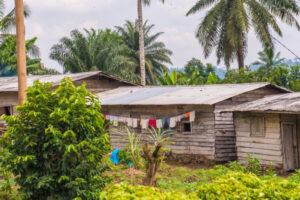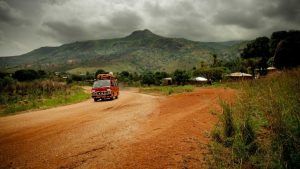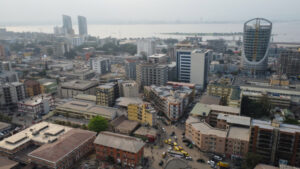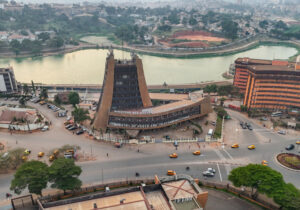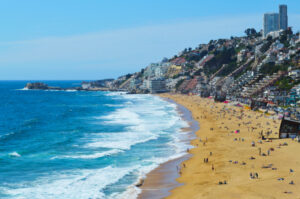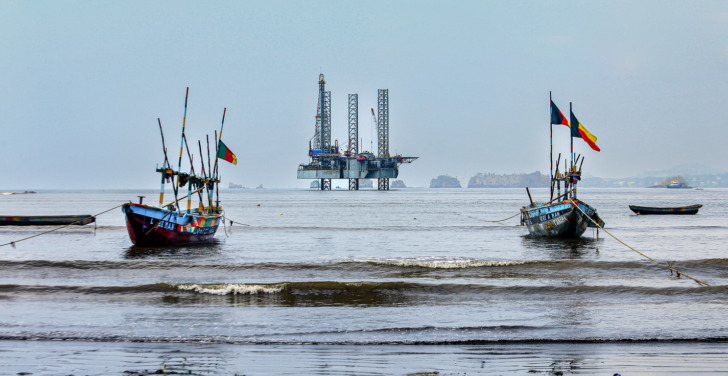
Limbe is one of Cameroon’s most attractive coastal cities, sitting along the Atlantic Ocean at the foot of Mount Cameroon.
The city is known for its volcanic black-sand beaches, tropical vegetation, fresh seafood, botanical garden, wildlife center, and dramatic mountain scenery.
Compared with the congestion of Douala, Limbe can feel greener, quieter, and more relaxed.
Safety, however, is more complicated than Limbe’s peaceful appearance suggests.
The city is located in Cameroon’s Southwest Region, where an ongoing armed conflict has created risks including kidnappings, shootings, roadblocks, explosive devices, and sudden travel disruptions.
Limbe itself has generally remained calmer than many surrounding parts of the region, but conditions can change quickly.
Crime is another concern.
Phone snatching, robbery, burglary, and opportunistic theft occur, particularly after dark.
Travelers should keep a low profile, minimize unnecessary movements, avoid nighttime road travel, and closely monitor conditions before visiting.
Warnings & Dangers in Limbe

OVERALL RISK: LOW
Limbe requires significantly more caution than a typical beach destination. Daytime visits to established attractions may feel completely normal, but the city sits within a region affected by armed conflict. Kidnapping, roadblocks, shootings, unrest, and sudden transportation disruptions remain possible. Petty and violent crime are additional concerns. Travelers considering Limbe should carefully evaluate current security conditions before making the trip.

TRANSPORT & TAXIS RISK: LOW
Road travel is one of the biggest concerns around Limbe. Shared taxis and motorcycle taxis are common, but vehicle standards and driving behavior vary considerably.Avoid unregistered vehicles and unnecessary travel after dark. Roads connecting Limbe with other parts of the Southwest Region can be affected by security incidents, roadblocks, demonstrations, or unexpected closures. Travel during daylight hours and use transportation arranged through a reputable hotel, company, or trusted local contact whenever possible.

PICKPOCKETS RISK: MEDIUM
Pickpocketing and phone theft are realistic concerns in Limbe. Busy markets, transportation areas, nightlife locations, and crowded streets provide opportunities for theft. Smartphones are particularly attractive targets, and travelers should avoid standing near roads while holding expensive phones visibly. Keep wallets in secure pockets, use bags that close completely, and avoid displaying unnecessary valuables.

NATURAL DISASTERS RISK: MEDIUM
Limbe receives extremely heavy rainfall, particularly during the wet season. Flooding, landslides, poor visibility, and deteriorating road conditions can occur after prolonged storms. The city also lies close to Mount Cameroon, an active volcano. Major volcanic events are rare, but the mountain’s volcanic activity is part of the region’s natural hazard profile. Heavy surf and strong currents can also make swimming dangerous along parts of the coast.

MUGGING RISK: MEDIUM
Armed robbery and mugging are concerns in Cameroon, and travelers should take them seriously in Limbe. The risk increases after dark, on deserted streets, near poorly illuminated beaches, and when traveling alone. Avoid displaying jewelry, expensive watches, cameras, or large amounts of cash. If confronted during a robbery, protecting yourself is more important than protecting your belongings.

TERRORISM RISK: MEDIUM
Limbe’s primary security concern comes from the armed conflict affecting Cameroon’s English-speaking Southwest and Northwest regions. Violence in the broader region has included shootings, kidnappings, attacks, roadblocks, and explosive devices. Limbe has generally experienced less violence than some surrounding communities, but its location means travelers cannot completely separate the city from the regional security situation. Avoid political gatherings, military installations, checkpoints unless necessary, and any location where tension appears to be developing.

SCAMS RISK: LOW
Tourist scams are not usually the biggest concern in Limbe, but overcharging and dishonest transportation arrangements can occur. Confirm taxi fares before departing, understand the total cost of tours or excursions beforehand, and be cautious when strangers offer unsolicited assistance. Use established hotels and recognized operators when arranging drivers or trips outside the city.

WOMEN TRAVELERS RISK: MEDIUM
Women can visit Limbe, but solo female travelers should take additional precautions. Avoid walking alone at night, deserted beaches, isolated roads, and accepting transportation from strangers. Harassment can occur, and the broader security environment makes traveling alone into unfamiliar areas particularly unwise. Reliable transportation and established accommodation become especially important for women traveling independently.

TAP WATER RISK: HIGH
Visitors should not rely on untreated tap water for drinking. Use sealed bottled water or properly filtered and treated water. Bottled water is widely available in hotels, restaurants, supermarkets, and smaller stores. Travelers with sensitive stomachs may also prefer bottled water for brushing their teeth. Drink plenty of water because Limbe’s hot and extremely humid climate can quickly cause dehydration.
Safest Places to Visit in Limbe
Limbe Wildlife Centre
The Limbe Wildlife Centre is one of the city’s best-established visitor attractions.
It rehabilitates rescued primates and other wildlife and is located within the urban area.
Visiting during normal daytime operating hours is preferable.
Arrange reliable transportation to and from the center and avoid remaining in unfamiliar areas after dark.
Limbe Botanic Garden
The Limbe Botanic Garden is another well-known attraction and offers a peaceful environment filled with tropical vegetation.
Daytime visits are generally the most comfortable option.
Keep normal control of valuables and arrange transportation if you are staying far from the garden.
Down Beach
Down Beach is known for fishing boats, seafood, ocean views, and its lively waterfront atmosphere.
The area can be enjoyable during daylight hours, particularly when restaurants and fishing activity keep the waterfront busy.
Avoid wandering along deserted sections of beach late at night.
Central Limbe
The busier parts of central Limbe generally feel more comfortable during daylight hours because shops, restaurants, hotels, banks, and other businesses keep people moving through the area.
Visitors should still avoid displaying valuables and should use transportation rather than walking long distances after dark.
Established Beach Hotels and Resorts
Hotels and beach properties with controlled entrances, security staff, private parking, and established transportation arrangements can provide a more predictable environment for visitors.
Travelers unfamiliar with Limbe may find staying at an established property preferable to accommodation in an isolated residential neighborhood.
Places to Avoid in Limbe
Remote Parts of the Southwest Region
Travel outside Limbe should not be approached like an ordinary sightseeing excursion.
The wider Southwest Region has experienced armed violence, kidnappings, roadblocks, and security operations.
Do not spontaneously drive into remote communities or rural areas without understanding current conditions.
Isolated Roads After Dark
Nighttime road travel substantially increases risk.
Poor lighting, criminal activity, unpredictable checkpoints, road hazards, and reduced availability of assistance can turn a relatively simple journey into a dangerous situation.
Complete longer trips during daylight whenever possible.
Political Gatherings and Demonstrations
Avoid protests, demonstrations, political gatherings, and confrontations between crowds and security forces.
Situations can change rapidly, and even a gathering that initially appears peaceful can become dangerous.
Leave immediately if crowds begin forming around a security incident.
Deserted Beaches at Night
Limbe’s coastline may look peaceful, but isolated beaches should not be treated as safe nighttime walking areas.
Limited lighting and fewer witnesses increase the risk of robbery.
Enjoy the coastline during the day and remain around established restaurants, hotels, or populated areas after sunset.
Unfamiliar Checkpoints and Roadblocks
Roadblocks can appear with little warning in the Southwest Region.
Do not attempt to force your way through a checkpoint or argue aggressively with armed personnel.
Follow local security advice, remain calm, and avoid photographing security forces, checkpoints, or military facilities.
Safety Tips for Traveling to Limbe
- Check the Security Situation Before Every Major Journey. Conditions in Cameroon’s Southwest Region can change quickly. A road that was usable yesterday may experience a security incident, closure, or roadblock today. Ask trusted local contacts or your accommodation about conditions before leaving Limbe.
- Avoid Traveling at Night. Nighttime travel increases exposure to crime, dangerous driving, roadblocks, and security incidents. Organize your schedule so longer road journeys are completed during daylight.
- Keep Your Phone Out of Sight Near Roads. Phone snatching is a realistic concern. Avoid walking near traffic while holding an expensive smartphone loosely in your hand, particularly in crowded commercial areas.
- Use Reliable Drivers. Arrange transportation through established hotels, reputable businesses, or trusted contacts. Avoid entering vehicles simply because someone approaches you offering a cheap ride.
- Stay Away From Political Activity. The conflict affecting the English-speaking regions of Cameroon is sensitive. Avoid demonstrations, political rallies, confrontations, and gatherings involving security forces.
- Keep a Low Profile. Expensive jewelry, large cameras, watches, and obvious displays of money can attract unwanted attention. Limbe is not a destination where travelers benefit from advertising wealth.
- Visit Beaches During the Day. Limbe’s black-sand beaches are one of the city’s biggest attractions, but isolated stretches become considerably less advisable after sunset. Stick to populated beach restaurants and established properties at night.
- Prepare for Heavy Rain. Limbe receives substantial rainfall. Carry rain protection, allow extra transportation time, and reconsider long journeys when severe storms affect road conditions.
- Use Mosquito Protection. Mosquito-borne diseases are an important health concern in Cameroon. Use effective insect repellent, sleep in properly protected accommodation, and wear clothing that provides additional coverage when mosquitoes are active.
- Have an Emergency Exit Plan. Know how you would leave Limbe if conditions deteriorated. Keep identification, money, medications, communication devices, and essential belongings accessible rather than scattered throughout your accommodation.
So... How Safe Is Limbe Really?
Limbe presents an unusual safety situation because the city itself can appear far calmer than its regional security environment would suggest.
A traveler walking through the botanical garden, eating grilled fish at Down Beach, or visiting the wildlife center may encounter nothing that feels particularly dangerous.
Everyday life continues throughout the city, and many residents go about their routines normally.
That does not eliminate the underlying risk.
Limbe is located in Cameroon’s Southwest Region, where armed conflict has produced kidnappings, shootings, roadblocks, explosive devices, security operations, and unpredictable travel disruptions.
Conditions can vary significantly from one location to another and can change quickly.
Travelers also need to consider ordinary urban crime.
Phone theft, robbery, burglary, and opportunistic theft mean valuables should remain discreet and nighttime walking should be limited.
Road travel deserves particular attention.
Trips that involve leaving Limbe and traveling deeper into the Southwest Region introduce substantially greater uncertainty than visiting established attractions within the city.
Weather creates another practical issue.
Limbe is exceptionally rainy, and intense storms can affect roads, visibility, beaches, and outdoor plans.
Limbe therefore cannot currently be treated as a conventional low-risk seaside destination.
Visitors who have an essential reason to travel should keep movements limited, use trusted transportation, avoid nighttime travel, remain informed about local conditions, and maintain a low profile.
For leisure travelers, the combination of regional conflict, kidnapping risk, crime, and unpredictable road conditions makes Limbe a high-risk destination despite its considerable natural beauty.
How Does Limbe Compare?
| City | Safety Index |
|---|---|
 Limbe Limbe |
24 |
| Yaounde |
44 |
| Kribi |
57 |
| Douala |
38 |
 Gloucester Gloucester | 78 |
 Nikko Nikko | 91 |
| Longview | 82 |
| Rockland | 82 |
| Amelia Island | 85 |
 Sousse Sousse | 48 |
Useful Information

Visas
Most foreign visitors need a visa before traveling to Cameroon. Requirements vary according to nationality, and travelers may need to complete an online application and provide supporting documentation before departure. Your passport should also have sufficient remaining validity and available pages for immigration formalities.

Currency
Cameroon uses the Central African CFA franc, abbreviated XAF. Cash remains important for taxis, markets, small restaurants, and local businesses. ATMs are available in larger urban areas, including Limbe, but travelers should not rely entirely on cards. Carry manageable amounts of cash rather than withdrawing or displaying large sums.

Weather
Limbe has a hot, humid tropical climate and receives exceptionally heavy rainfall. The wetter months can bring frequent downpours and difficult road conditions, while the drier period generally offers better conditions for beaches and outdoor activities. Even during relatively dry months, sudden rain is possible.

Airports
Limbe does not have a major commercial airport. Most international travelers arrive through Douala International Airport and continue by road toward Limbe. The road journey would normally be relatively straightforward geographically, but current security conditions should always be considered before arranging transportation.

Travel Insurance
Comprehensive travel insurance is especially important for Limbe because medical facilities are limited and serious illnesses or injuries may require treatment elsewhere or medical evacuation. Check the policy carefully because insurers may restrict or exclude coverage for destinations subject to elevated government travel warnings. Coverage for emergency evacuation, hospitalization, cancellations, theft, and unexpected security-related disruptions is particularly important.
Limbe Weather Averages (Temperatures)
Average High/Low Temperature
| Temperature / Month | Jan | Feb | Mar | Apr | May | Jun | Jul | Aug | Sep | Oct | Nov | Dec |
|---|---|---|---|---|---|---|---|---|---|---|---|---|
| High °C |
31 | 32 | 32 | 31 | 31 | 29 | 27 | 27 | 28 | 29 | 30 | 31 |
| Low °C |
23 | 23 | 23 | 23 | 23 | 22 | 22 | 22 | 22 | 22 | 23 | 23 |
| High °F |
88 | 90 | 90 | 88 | 88 | 84 | 81 | 81 | 82 | 84 | 86 | 88 |
| Low °F |
73 | 73 | 73 | 73 | 73 | 72 | 72 | 72 | 72 | 72 | 73 | 73 |
Cameroon - Safety by City
| City | Safety Index |
|---|---|
| Douala | 38 |
| Kribi | 57 |
| Limbe | 24 |
| Yaounde | 44 |