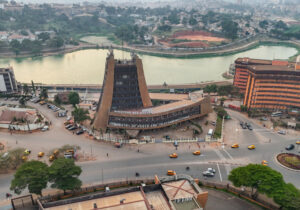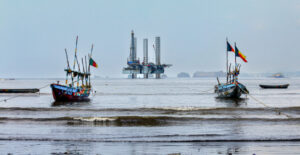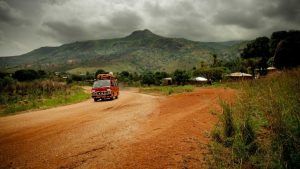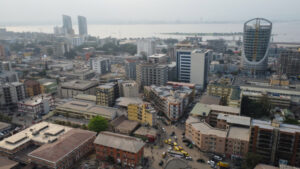
Kribi is one of Cameroon’s best-known coastal destinations, famous for long Atlantic beaches, fresh seafood, tropical scenery, and the spectacular Lobé Waterfalls.
Located in Cameroon’s South Region, the city has a more relaxed atmosphere than major urban centers such as Douala and Yaoundé and attracts both domestic vacationers and international visitors.
Kribi is generally considered one of the more manageable destinations in Cameroon for travelers, but visitors should not become complacent.
Petty crime, poor road safety, strong ocean currents, limited medical facilities, and the broader security situation in Cameroon all deserve attention.
Most tourists who use normal precautions can visit Kribi without serious problems.
Warnings & Dangers in Kribi

OVERALL RISK: MEDIUM
Kribi itself is relatively calm, especially around established hotels, restaurants, beaches, and tourist attractions. However, Cameroon has broader security and crime concerns that make additional caution sensible. Travelers should avoid isolated areas after dark, protect valuables, and stay informed about conditions elsewhere in the country if traveling beyond Kribi.

TRANSPORT & TAXIS RISK: MEDIUM
Road safety is one of the more significant risks for visitors. Motorcycles, cars, trucks, and pedestrians often share roads where driving standards can be unpredictable. Roads outside central Kribi may also be poorly lit or uneven. Use established taxi services when possible and avoid unnecessary road travel after dark.

PICKPOCKETS RISK: MEDIUM
Pickpocketing and opportunistic theft can occur, particularly around markets, transportation areas, crowded beaches, and busy public spaces. Do not leave phones, cameras, or bags unattended while swimming or eating at beachfront restaurants. Carry only the cash you expect to need.

NATURAL DISASTERS RISK: MEDIUM
Heavy tropical rainfall can cause localized flooding and difficult road conditions. The Atlantic Ocean presents another important natural hazard. Waves and currents can be stronger than they appear, and many beaches do not have lifeguards or clearly marked swimming zones. Exercise extra caution before entering unfamiliar water.

MUGGING RISK: MEDIUM
Robbery is possible, although tourists in central Kribi are not routinely targeted by violent criminals. Risk increases in deserted areas and after dark. Avoid walking alone on isolated beaches or poorly lit roads at night, and do not resist if confronted by an armed robber.

TERRORISM RISK: LOW
Kribi is far from the parts of Cameroon experiencing the highest terrorism and insurgency risks. The most serious security concerns are concentrated in areas such as the Far North and the Northwest and Southwest regions. Terrorist incidents in Kribi are uncommon, but travelers should remain aware of the broader security situation in Cameroon.

SCAMS RISK: MEDIUM
Visitors may encounter inflated taxi fares, unofficial guides, unclear tour prices, or vendors charging tourists more than local customers. Agree on prices before accepting transportation, boat rides, tours, or other services. At attractions such as Lobé Falls, clarify exactly what is included before paying.

WOMEN TRAVELERS RISK: MEDIUM
Women can travel in Kribi successfully, including independently, but additional precautions are appropriate. Avoid isolated beaches and streets after dark, arrange reliable transportation at night, watch drinks in bars and restaurants, and be cautious about accepting invitations from strangers.

TAP WATER RISK: HIGH
Visitors should not rely on tap water for drinking. Use sealed bottled water or properly filtered water and be cautious with ice when its source is uncertain. Food hygiene standards can vary, particularly at informal stalls, so choose busy establishments where food appears freshly prepared and properly cooked.
Safest Places to Visit in Kribi
Central Kribi
Central Kribi contains many of the city’s hotels, restaurants, shops, banks, and other services.
It is one of the easiest areas for visitors to navigate and generally has more activity than outlying neighborhoods.
Normal precautions against theft are still appropriate, especially around markets and crowded streets.
Lobé Waterfalls
The Lobé Waterfalls are Kribi’s signature attraction, located several kilometers south of the city.
The area is frequently visited by tourists and is generally safe during daylight hours.
Travelers should be cautious around slippery rocks, moving water, and boat trips close to the falls.
Grand Batanga
Grand Batanga is a quieter coastal area south of central Kribi known for its beaches and fishing communities.
It is a beautiful place to visit during the day, particularly with organized transportation.
Avoid becoming stranded after dark because transportation options and lighting can be limited.
Londji
Londji is a fishing village north of Kribi known for its beach, seafood, and coastal atmosphere.
Daytime visits are generally straightforward.
Travelers should keep valuables secure and arrange transportation back to Kribi before it becomes late.
Places to Avoid in Kribi
Isolated Beaches After Dark
Kribi’s coastline stretches far beyond the busiest tourist areas, and some beaches become almost completely deserted at night.
Avoid walking alone along remote stretches of coastline after sunset.
Poor lighting and limited access to assistance increase the risk if something goes wrong.
Poorly Lit Roads at Night
Road conditions become considerably more challenging after dark.
Pedestrians, motorcycles, animals, potholes, and vehicles without adequate lighting can be difficult to see.
Long-distance driving at night should be avoided whenever practical.
Unfamiliar Residential Areas Late at Night
There is usually little reason for tourists to wander through quiet residential neighborhoods after dark.
Stick to established hotel, restaurant, and tourist areas and use transportation rather than walking long distances at night.
Rough Ocean Areas
Not every attractive beach is suitable for swimming.
Strong waves, currents, sudden drop-offs, and the absence of lifeguards can make seemingly peaceful stretches of coastline dangerous.
Ask locally about conditions before entering the water.
Unofficial Tour and Boat Operators
Quality and safety standards can vary between guides and boat operators.
Choose established providers for boat trips, nature excursions, and longer journeys, and inspect basic safety equipment before departing.
Safety Tips for Traveling to Kribi
- Avoid Isolated Beaches at Night. Kribi’s beaches are one of its main attractions, but they become much less secure when deserted. Enjoy the coastline during daylight hours and remain near populated areas after sunset.
- Take Ocean Conditions Seriously. The Atlantic can have powerful waves and currents. Do not assume calm-looking water is safe, particularly on beaches without lifeguards or designated swimming areas.
- Protect Your Phone and Wallet. Keep valuables out of sight when walking through markets, transport areas, or crowded public spaces. Do not leave belongings unattended on the beach while swimming.
- Avoid Long Road Trips After Dark. Road accidents are a significant practical risk in Cameroon. Plan excursions so that you return to Kribi before nightfall whenever possible.
- Agree on Prices Beforehand. Confirm the full price before taking a taxi, motorcycle taxi, boat ride, guided tour, or other service. This prevents most disagreements over payment.
- Drink Bottled Water. Use sealed bottled or properly filtered water for drinking. Stay well hydrated because Kribi’s tropical heat and humidity can quickly contribute to dehydration.
- Carry Some Cash. Cash remains important in Kribi, particularly at smaller restaurants, markets, fishing villages, and attractions outside the city. Keep larger amounts divided between secure locations rather than carrying everything in one wallet.
- Use Established Accommodation. Choose reputable hotels or guesthouses with secure doors and reliable staff. Hotel employees can also help arrange trusted taxis, guides, and excursions.
- Stay Informed Before Traveling Elsewhere in Cameroon. Kribi is not located in Cameroon’s highest-risk regions, but security conditions vary considerably across the country. Research your route carefully before continuing to other regions.
- Have Adequate Travel Insurance. Medical facilities in Kribi are limited compared with major cities. Insurance that includes emergency treatment and medical evacuation can be particularly valuable if you suffer a serious accident or illness.
So... How Safe Is Kribi Really?
Kribi is generally one of the more comfortable destinations for tourists visiting Cameroon, particularly for travelers who remain around established hotels, beaches, restaurants, and attractions.
The city’s atmosphere is noticeably more relaxed than that of Cameroon’s largest urban areas.
Serious violence against tourists is not an everyday occurrence, and many visitors come primarily to enjoy the coastline, seafood, Lobé Waterfalls, and nearby villages.
That does not mean travelers should treat Kribi like a highly controlled resort destination.
Petty crime remains possible, and deserted beaches or poorly lit roads become less advisable after dark.
Road safety deserves particular attention.
Driving standards can be unpredictable, motorcycles are common, and nighttime visibility outside central areas may be poor.
Hiring an experienced driver can be preferable to driving unfamiliar roads yourself.
The ocean is another underestimated risk.
Kribi’s Atlantic beaches are beautiful, but lifeguards are uncommon and currents can be strong.
Travelers should ask local hotel staff about swimming conditions rather than automatically assuming every beach is safe.
Kribi is also located within a country where security conditions vary dramatically by region.
The South Region is considerably removed from the areas facing Cameroon’s most serious insurgency and terrorism problems, but travelers planning a wider trip should research each destination separately.
For visitors who protect their valuables, avoid isolated areas at night, take road and water safety seriously, and remain aware of the wider situation in Cameroon, Kribi can be an enjoyable and relatively straightforward coastal destination.
How Does Kribi Compare?
| City | Safety Index |
|---|---|
 Kribi Kribi |
57 |
| Yaounde |
44 |
| Limbe |
24 |
| Douala |
38 |
 Lanesboro Lanesboro | 82 |
| El Monte | 76 |
| Glen Arbor | 76 |
| Hawthorne | 62 |
| Rapid City | 57 |
| Lenexa | 81 |
Useful Information

Visas
Many foreign travelers require a visa before entering Cameroon. Requirements depend on nationality and can change, so travelers should verify the applicable entry rules before departure. Make sure your passport has sufficient remaining validity and any required supporting documents.

Currency
Cameroon uses the Central African CFA franc. Cash is important in Kribi, particularly outside larger hotels and established businesses. ATMs are available, but travelers should not assume that cards will be accepted everywhere. Carry smaller denominations for taxis, markets, restaurants, and local attractions.

Weather
Kribi has a hot, humid tropical climate throughout the year. Rain can be heavy, particularly during the wetter months, and prolonged downpours can affect roads and outdoor activities. The drier part of the year is generally more convenient for beach trips, although tropical rain is possible at almost any time.

Airports
Kribi does not have a major airport offering the range of commercial connections available in Cameroon’s larger cities. International travelers commonly arrive through Douala and continue to Kribi by road. Allow extra time for road travel because traffic and road conditions can make journey times unpredictable.

Travel Insurance
Comprehensive travel insurance is strongly recommended. Medical facilities in Kribi are limited, and complicated emergencies may require treatment in Douala or evacuation elsewhere. Look for coverage that includes hospitalization, emergency transportation, medical evacuation, and activities you plan to participate in while visiting the coast.
Kribi Weather Averages (Temperatures)
Average High/Low Temperature
| Temperature / Month | Jan | Feb | Mar | Apr | May | Jun | Jul | Aug | Sep | Oct | Nov | Dec |
|---|---|---|---|---|---|---|---|---|---|---|---|---|
| High °C |
32 | 32 | 31 | 29 | 29 | 27 | 27 | 26 | 27 | 27 | 28 | 29 |
| Low °C |
26 | 26 | 26 | 25 | 25 | 24 | 24 | 24 | 24 | 24 | 25 | 25 |
| High °F |
90 | 90 | 88 | 84 | 84 | 81 | 81 | 79 | 81 | 81 | 82 | 84 |
| Low °F |
79 | 79 | 79 | 77 | 77 | 75 | 75 | 75 | 75 | 75 | 77 | 77 |
Cameroon - Safety by City
| City | Safety Index |
|---|---|
| Douala | 38 |
| Kribi | 57 |
| Limbe | 24 |
| Yaounde | 44 |