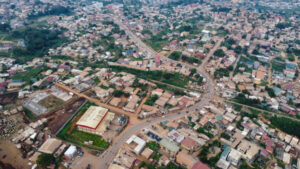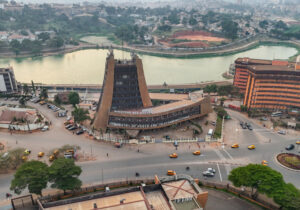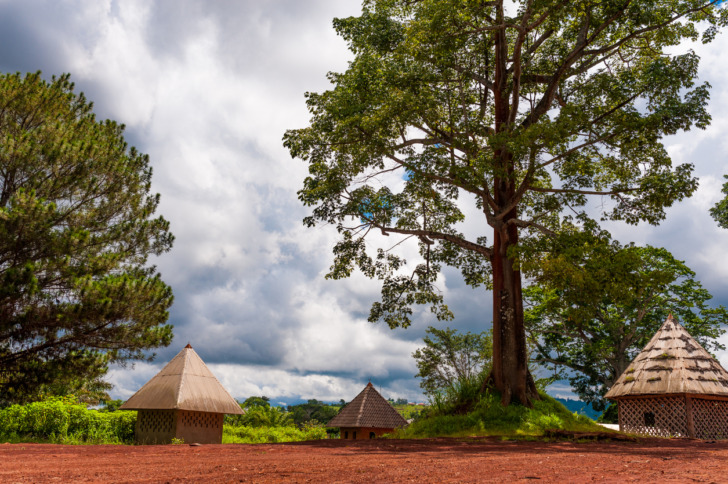
Bamenda is the largest city in Cameroon’s North-West Region, surrounded by green highlands and known historically for its cool climate, markets, traditional chiefdoms, mountain scenery, and role as a commercial center for western Cameroon.
Under current conditions, however, Bamenda is not a conventional tourist destination.
The North-West Region remains affected by armed conflict involving government security forces and separatist armed groups.
Kidnappings, shootings, roadblocks, improvised explosive devices, and sudden restrictions on movement are serious risks.
As of September 2026, multiple governments advise against all travel to Cameroon’s North-West Region.
The United States specifically lists the region as a “Do Not Travel” area because of terrorism, unrest, crime, kidnapping, and improvised explosive devices.
The United Kingdom and Canada also advise against all travel to the region.
Warnings & Dangers in Bamenda

OVERALL RISK: HIGH
Bamenda currently presents significant security risks. Armed clashes, kidnapping, violent crime, roadblocks, and explosive devices are possible, and the situation can change with little warning. Movement may also be affected by curfews, shutdowns, strikes, or security operations. Leisure travel to Bamenda should therefore be approached very differently from travel to cities such as Douala or Yaoundé.

TRANSPORT & TAXIS RISK: HIGH
Travel by road presents substantial risks. Checkpoints and roadblocks may be established by security forces or armed groups, while some roads have experienced shootings, kidnappings, and other violent incidents. Night driving should be avoided. Travelers with essential reasons to be in Bamenda should use transportation arranged by a trusted organization or established local contact rather than relying on unfamiliar taxis or motorcycle taxis. The Bamenda-Banyo road has also been identified as a route where armed robbery and other security incidents are a concern.

PICKPOCKETS RISK: MEDIUM
Petty theft is possible in markets, transportation areas, and other crowded parts of the city. Phones, wallets, bags, and other easily accessible valuables can attract attention. Although pickpocketing is a concern, it is not the most serious risk facing travelers in Bamenda. Armed violence and kidnapping deserve considerably greater attention. Keep valuables concealed and avoid carrying unnecessary cash or expensive jewelry.

NATURAL DISASTERS RISK: MEDIUM
Bamenda receives substantial rainfall, particularly during the wet season. Heavy rain can contribute to flooding, landslides, muddy roads, and transportation disruptions in mountainous areas surrounding the city. Poor road conditions may become considerably worse during periods of heavy rain.

MUGGING RISK: HIGH
Armed robbery and violent crime occur in Cameroon, and the North-West Region presents additional security problems related to the ongoing conflict. Travelers should avoid isolated streets, unnecessary nighttime movement, poorly illuminated areas, and displaying valuables. If confronted by armed criminals, do not physically resist.

TERRORISM RISK: HIGH
Security authorities consider the North-West Region a high-risk area because of armed violence and the use of improvised explosive devices. Explosive devices have been used in the North-West and South-West regions, including attacks affecting civilians and security forces. Roadblocks, government facilities, security positions, transportation routes, and crowded public locations can present additional risks.

SCAMS RISK: MEDIUM
Financial scams, advance-fee fraud, dishonest money exchanges, and other forms of fraud occur throughout Cameroon. Travelers should avoid informal financial arrangements, unsolicited assistance, and people requesting money for emergencies, permits, transportation, or official services without clear verification. Use established banks and trusted service providers whenever possible.

WOMEN TRAVELERS RISK: HIGH
Solo female travel in Bamenda currently involves substantially more risk than in a typical tourist destination. In addition to ordinary concerns such as harassment and sexual assault, travelers must account for kidnapping, armed violence, roadblocks, and limited freedom of movement. Women with an essential reason to travel to Bamenda should avoid independent nighttime travel and use secure transportation arranged through trusted local contacts or organizations.

TAP WATER RISK: HIGH
Visitors should not rely on untreated tap water for drinking. Use sealed bottled water or properly treated water. Travelers with sensitive stomachs may also prefer bottled water for brushing their teeth. Food hygiene can vary, so choose busy restaurants with good food turnover and be cautious with uncooked food, ice of uncertain origin, and food that has been stored without refrigeration.
Safest Places to Visit in Bamenda
Central Bamenda
There is currently no part of Bamenda that should be considered reliably safe for ordinary tourism.
Central areas may have more businesses, hotels, security personnel, and transportation options than remote neighborhoods, but violence and security incidents can occur with little warning.
Travelers who must be in Bamenda should keep movements limited and follow current local security advice.
Up Station
Up Station sits above central Bamenda and contains government facilities, residences, and important roads.
It was traditionally one of the better-known parts of the city for visitors because of its elevated location and views.
Current conditions mean that its location should not be interpreted as making it a secure tourist district.
Government and security-related locations can themselves become sensitive during periods of unrest.
Commercial Avenue
Commercial Avenue has traditionally been one of Bamenda’s busiest commercial areas, with shops, banks, businesses, and regular pedestrian activity.
Busy streets can reduce certain forms of opportunistic crime during normal conditions, but crowds, demonstrations, security operations, or unexpected violence can also create risks.
Visitors should not remain in the area if tension begins to develop.
Mankon
Mankon is culturally significant and associated with one of the region’s best-known traditional chiefdoms.
Under more stable circumstances, its cultural sites would be of interest to visitors.
Current security conditions in the wider Bamenda area mean cultural sightseeing should not be treated as routine tourism.
Bamenda Highlands
The highlands surrounding Bamenda are known for beautiful scenery, cooler temperatures, farmland, and mountain landscapes.
However, rural travel currently carries additional risks because roads can pass through isolated areas where security assistance is limited.
Independent sightseeing in remote countryside is not recommended under present conditions.
Places to Avoid in Bamenda
Remote Roads Outside the City
Travel on isolated roads creates greater exposure to kidnapping, armed robbery, unofficial roadblocks, and clashes.
Avoid unnecessary journeys into rural areas, particularly after dark.
Roadblocks and Checkpoints
Both official and unofficial checkpoints may be encountered.
Never attempt to force your way through a checkpoint or photograph security personnel, roadblocks, military facilities, or armed individuals.
Remain calm and follow instructions.
Demonstrations and Large Gatherings
Political demonstrations and other gatherings can become unpredictable.
Security forces may intervene, transportation can be disrupted, and violence may develop rapidly.
Leave the area immediately if crowds begin forming.
Government and Security Installations
Police stations, military facilities, government buildings, and other security-related locations may become sensitive during periods of unrest.
Avoid lingering around these locations or taking photographs nearby.
Rural North-West Region
Travelers should not assume that leaving Bamenda for smaller towns or countryside attractions reduces the risk.
The wider North-West Region remains subject to the same official warnings against travel, with kidnappings, armed clashes, and explosive devices among the reported dangers.
Safety Tips for Traveling to Bamenda
- Avoid nonessential travel. Current conditions in the North-West Region make ordinary leisure tourism unusually risky. Anyone considering travel should understand that multiple governments currently advise against all travel to the region.
- Do not travel at night. Nighttime movement increases exposure to armed robbery, roadblocks, poor road conditions, and security incidents. Complete essential journeys during daylight whenever possible.
- Use trusted transportation. Arrange vehicles through an employer, established organization, hotel, or trusted local contact. Avoid randomly hiring unknown motorcycle or taxi drivers.
- Never photograph checkpoints. Do not photograph military personnel, police, armed groups, government facilities, roadblocks, or security operations.
- Keep your movements discreet. Avoid displaying expensive phones, jewelry, cameras, or large amounts of cash. Maintaining a low profile reduces attention from both criminals and other potentially hostile actors.
- Avoid demonstrations. Never stop to observe or photograph protests, political gatherings, or confrontations. Conditions can deteriorate quickly.
- Expect sudden disruptions. Road closures, curfews, telecommunications interruptions, strikes, and shutdowns may occur unexpectedly. Always have an alternative plan for transportation and communication.
- Tell someone your movements. If travel is essential, make sure a trusted person knows your destination, route, driver, and expected arrival time.
- Carry emergency supplies. Keep drinking water, essential medications, identification, a charged phone, backup power, and enough money for unexpected transportation or accommodation changes.
- Do not resist armed attackers. If confronted during a robbery or kidnapping attempt where escape is not safely possible, avoid sudden movements or physical resistance that could escalate the situation.
So... How Safe Is Bamenda Really?
Bamenda is currently one of the more difficult cities in Cameroon to assess using ordinary tourist safety standards because the primary concern is not simply street crime.
The city lies at the center of a region affected by a prolonged armed conflict.
Clashes between government forces and separatist armed groups, kidnappings, improvised explosive devices, roadblocks, and periodic restrictions on movement have created an unpredictable security environment.
Official travel advisories in effect in September 2026 advise against all travel to the North-West Region.
Canada notes frequent clashes between security forces and armed separatist groups, as well as bomb attacks, kidnappings, banditry, and serious incidents at roadblocks.
This does not mean that violence occurs continuously throughout every neighborhood of Bamenda.
Residents continue to work, shop, attend school, and conduct their daily lives.
However, a visitor unfamiliar with the area has fewer ways to recognize changing security conditions and may be especially vulnerable when traveling between neighborhoods or outside the city.
Another complication is the practice of periodic “ghost town” shutdowns in the English-speaking regions, particularly on Mondays.
These can affect businesses, transportation, and normal movement, and periods surrounding important dates can bring additional disruption.
For travelers with family, business, humanitarian, or other essential reasons to be in Bamenda, careful local planning, secure transportation, limited movement, and reliable information from trusted contacts are extremely important.
For ordinary sightseeing, the current risks are substantially greater than those found in Cameroon’s primary tourism and business centers.
How Does Bamenda Compare?
| City | Safety Index |
|---|---|
 Bamenda Bamenda |
16 |
| Yaounde |
44 |
| Douala |
38 |
| Limbe |
24 |
| Buea |
22 |
| Kribi |
57 |
 Kharkiv Kharkiv | 55 |
 Nashua Nashua | 78 |
| Perryville | 88 |
| Rapid City | 57 |
 Playa Rincon Playa Rincon | 64 |
 Amalfi Amalfi | 82 |
Useful Information

Visas
Many foreign visitors need a visa before entering Cameroon. Cameroon operates an electronic visa application system, and travelers who require a visa generally need to complete the process before arriving. Passport validity and documentation requirements vary by nationality. Proof of yellow fever vaccination may also be required.

Currency
Cameroon uses the Central African CFA franc, abbreviated XAF. Cash remains important for everyday transactions. ATMs and banks are available in Bamenda, but travelers should avoid withdrawing large amounts of money and should use secure banking locations during daylight hours.

Weather
Bamenda has a noticeably cooler climate than lowland cities such as Douala because of its elevation. The wet season generally lasts from roughly March or April through October, with particularly heavy rainfall during the middle of the year. The drier months are usually between November and February. Heavy rain can worsen road conditions and cause localized flooding or landslides.

Airports
Bamenda Airport has historically served the region, but flight availability can be limited and affected by operational and security conditions. Many travelers reach the area by road from other parts of Cameroon. Road travel itself requires careful security planning because conditions along routes can change unexpectedly.

Travel Insurance
Travel insurance requires particular attention when considering Bamenda. Standard policies may exclude travel to regions covered by official warnings against all travel. Anyone traveling for essential reasons should confirm in writing that medical treatment, emergency evacuation, conflict-related incidents, and their specific destination are covered before departure.
Bamenda Weather Averages (Temperatures)
Average High/Low Temperature
| Temperature / Month | Jan | Feb | Mar | Apr | May | Jun | Jul | Aug | Sep | Oct | Nov | Dec |
|---|---|---|---|---|---|---|---|---|---|---|---|---|
| High °C |
27 | 27 | 27 | 26 | 24 | 23 | 22 | 22 | 23 | 23 | 24 | 26 |
| Low °C |
15 | 16 | 18 | 18 | 18 | 17 | 17 | 16 | 17 | 17 | 16 | 15 |
| High °F |
81 | 81 | 81 | 79 | 75 | 73 | 72 | 72 | 73 | 73 | 75 | 79 |
| Low °F |
59 | 61 | 64 | 64 | 64 | 63 | 63 | 61 | 63 | 63 | 61 | 59 |
Cameroon - Safety by City
| City | Safety Index |
|---|---|
| Bamenda | 16 |
| Buea | 22 |
| Douala | 38 |
| Kribi | 57 |
| Limbe | 24 |
| Yaounde | 44 |