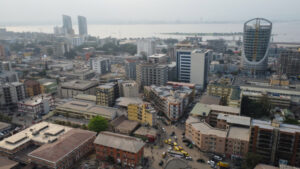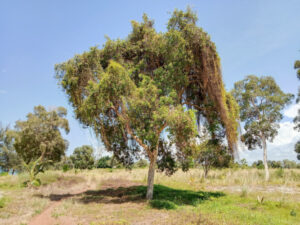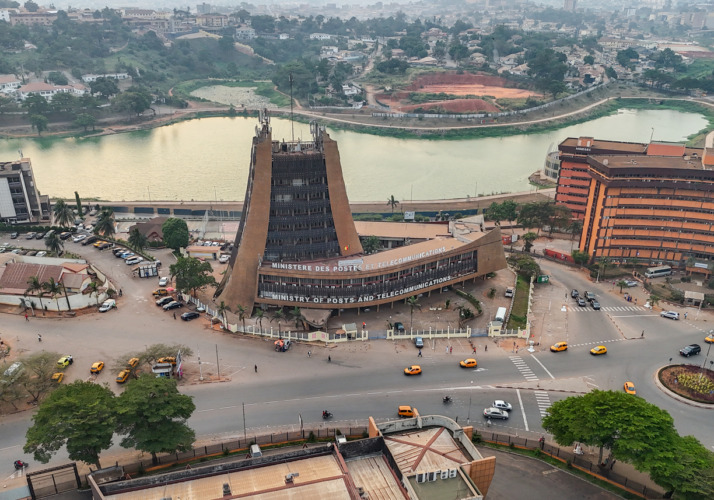
Yaoundé, the capital of Cameroon, is a sprawling city built across a series of green hills in the southern part of the country.
It is Cameroon’s political and administrative center, but it feels noticeably different from the larger commercial city of Douala.
Travelers come to Yaoundé for its museums, markets, restaurants, cultural sites, surrounding hills, and as a transportation hub for exploring other parts of Cameroon.
The city also has a sizable international community because of its embassies, government institutions, and international organizations.
Yaoundé requires considerably more street awareness than many smaller tourist destinations.
Petty theft, phone snatching, robbery, unsafe taxis, poor road conditions, and nighttime crime are realistic concerns.
Visitors who arrange reliable transportation, avoid walking alone after dark, and keep valuables discreet can reduce many of these risks.
Warnings & Dangers in Yaounde

OVERALL RISK: MEDIUM
Yaoundé can be visited safely with appropriate precautions, but travelers should not treat it as a low-risk city. Petty theft, robbery, traffic accidents, and opportunistic crime occur, particularly after dark and in crowded or less affluent areas. Avoid displaying valuables, use secure transportation, and choose accommodation in a reputable neighborhood.

TRANSPORT & TAXIS RISK: HIGH
Transportation is one of the biggest safety concerns in Yaoundé. Driving can be chaotic, roads may be poorly lit or damaged, and vehicles do not always meet the standards travelers may expect. Shared taxis can pick up multiple passengers, creating both personal security and theft concerns. Visitors are better off arranging private taxis through a hotel, reputable company, or trusted local contact. Avoid motorcycle taxis unless necessary, particularly at night.

PICKPOCKETS RISK: HIGH
Pickpocketing and phone theft are important concerns in Yaoundé, especially around markets, busy intersections, transportation stations, nightlife areas, and crowded streets. Keep phones out of sight when they are not being used. Do not walk around with a phone loosely held in your hand, particularly near traffic. Carry bags securely and avoid placing phones, wallets, or expensive cameras on restaurant tables close to the street.

NATURAL DISASTERS RISK: MEDIUM
Yaoundé has a tropical climate with significant rainfall. Heavy rain can cause localized flooding, slippery roads, traffic problems, and temporary transportation disruption. The city’s hilly terrain can make some roads particularly difficult during storms. Travelers visiting during the wetter periods should allow additional transportation time and avoid trying to cross heavily flooded roads.

MUGGING RISK: MEDIUM
Muggings and armed robberies are a more realistic concern in Yaoundé than in many smaller Cameroonian towns. The risk increases at night, in isolated streets, around poorly lit neighborhoods, and when travelers visibly carry expensive belongings. Avoid walking alone after dark and arrange door-to-door transportation instead. If confronted by an armed robber, protecting yourself is more important than protecting a phone, wallet, or bag.

TERRORISM RISK: MEDIUM
Most visits to central Yaoundé are not affected by terrorism, but Cameroon faces security threats in several parts of the country. Yaoundé is far from some of the regions experiencing the highest levels of militant activity, but travelers should still maintain awareness around major public places, official buildings, transportation facilities, and large gatherings. Security conditions elsewhere in Cameroon can also change quickly, so trips outside the capital require additional planning.

SCAMS RISK: MEDIUM
Visitors may encounter overcharging, unofficial transportation offers, financial scams, or individuals offering services that are not what they initially appear to be. Confirm prices before entering a taxi or accepting a service. Be particularly cautious with unsolicited business opportunities, money-transfer requests, and strangers who quickly begin asking for financial assistance. Using reputable hotels and established businesses reduces many of these problems.

WOMEN TRAVELERS RISK: MEDIUM
Women can travel in Yaoundé, including independently, but additional precautions are sensible. Avoid walking alone after dark, use trusted transportation, and be cautious when visiting bars or nightlife venues. Unwanted attention can occur, particularly when traveling alone. Accommodation with good security and reliable transportation arrangements can make a substantial difference for solo women travelers.

TAP WATER RISK: HIGH
Visitors should not rely on untreated tap water for drinking. Use sealed bottled water or properly filtered water and be cautious with ice when you are unsure about its source. Water interruptions can also occur, making it useful to keep bottled water available at your accommodation. Food hygiene varies considerably. Choose busy restaurants where food turnover is high and avoid meals that appear to have been sitting unrefrigerated for long periods.
Safest Places to Visit in Yaounde
Bastos
Bastos is one of Yaoundé’s better-known residential and diplomatic areas.
Numerous embassies, international organizations, restaurants, hotels, and upscale residences are located here.
Security tends to be more visible than in many other parts of the city, making it a popular area for international visitors.
That does not eliminate street crime, so normal precautions with phones, bags, and nighttime transportation are still necessary.
Mont Fébé
The Mont Fébé area is known for elevated views over Yaoundé and a quieter atmosphere than the crowded city center.
Visitors generally come here for scenery and nearby attractions rather than nightlife or shopping.
Transportation should be arranged in advance, particularly if staying until evening, because walking along unfamiliar roads after dark is not advisable.
National Museum Area
Cameroon’s National Museum is one of Yaoundé’s main cultural attractions and is located in a central part of the city.
Daytime visits are generally straightforward.
Use reliable transportation to and from the area, particularly if carrying cameras or other expensive equipment.
As elsewhere in central Yaoundé, keep your phone discreet when standing near roads or busy pedestrian areas.
Mvog-Betsi Zoo Area
The Mvog-Betsi Zoological Park is another well-known attraction for visitors interested in Cameroonian wildlife.
Travel during daylight and arrange transportation rather than attempting long walks through unfamiliar surrounding neighborhoods.
The attraction itself is generally a more controlled environment than the surrounding streets.
Places to Avoid in Yaounde
Yaoundé is a large city, and conditions can change significantly from one neighborhood to another.
Travelers do not necessarily need to completely avoid large sections of the capital, but some situations deserve much more caution.
Crowded Markets After Dark
Markets are interesting places to experience local life, but they also create excellent conditions for pickpocketing and opportunistic theft.
Visit busy markets during daylight, carry minimal valuables, and avoid remaining in unfamiliar market districts after businesses begin closing.
Poorly Lit Residential Areas
Many neighborhoods become extremely dark at night.
Visitors unfamiliar with the city can easily wander into isolated streets where transportation is limited and attracting unwanted attention becomes more likely.
Use door-to-door transportation after dark instead.
Bus Stations Late at Night
Transportation stations can be crowded and confusing, especially when buses are arriving or departing.
Watch luggage carefully and avoid displaying cash while purchasing tickets.
When possible, schedule long-distance travel during daylight rather than arriving at unfamiliar terminals late at night.
Isolated Streets and Walking Routes at Night
Even relatively central parts of Yaoundé can become quiet quickly once businesses close.
Walking back to a hotel at night because it appears to be only a short distance away is usually not worth the additional risk.
Arrange a reliable vehicle instead.
Safety Tips for Traveling to Yaounde
- Do not walk alone after dark. This is one of the most useful precautions visitors can take in Yaoundé. Even short nighttime journeys are better made using reliable transportation arranged through your hotel or another trusted source.
- Keep your phone out of sight. Smartphones are attractive targets for opportunistic thieves. Avoid casually holding your phone while standing near roads, intersections, markets, or crowded sidewalks.
- Avoid random shared taxis. Use a taxi arranged by your hotel, restaurant, business contact, or another trusted provider whenever possible. If using a private taxi, agree on the fare before beginning the trip.
- Keep vehicle doors locked. When traveling through the city, keep doors locked and windows mostly closed, particularly in slow traffic. Do not leave phones, bags, cameras, or other valuables visible inside a vehicle.
- Carry only the cash you need. Avoid walking around with your entire travel budget. Keep additional money and important documents secured at your accommodation when practical.
- Plan intercity travel for daylight hours. Road conditions become considerably more challenging at night because of limited lighting, pedestrians, animals, poorly maintained vehicles, and unpredictable driving behavior.
- Use bottled or properly filtered water. Drinking untreated tap water can lead to gastrointestinal illness. Keep bottled water available, especially because interruptions to local water supplies can occasionally occur.
- Be cautious at markets and transportation stations. Crowded locations are where pickpockets have the greatest opportunity. Keep bags closed, avoid back pockets for wallets, and pay attention when people crowd closely around you.
- Do not display expensive jewelry. Leave expensive watches, necklaces, and unnecessary electronics at your hotel. Looking less conspicuous is one of the simplest ways to reduce attention from opportunistic criminals.
- Ask your hotel about current local conditions. Safety can vary considerably between neighborhoods and from one period to another. Hotel staff and trusted local contacts can tell you whether a particular route or area should be avoided that day.
So... How Safe Is Yaounde Really?
Yaoundé is not a destination where visitors should wander around without thinking about personal security.
At the same time, it would be misleading to describe ordinary travel throughout the capital as constantly dangerous.
Many international residents, business travelers, aid workers, diplomats, and tourists move around Yaoundé every day without experiencing serious incidents.
The difference often comes down to behavior.
Walking around with an expensive phone visible, taking random shared taxis, exploring unfamiliar neighborhoods after dark, or carrying noticeable valuables creates unnecessary risk.
Using private transportation, choosing secure accommodation, and limiting nighttime walking makes the city considerably easier to navigate.
Petty crime deserves particular attention.
Phones, bags, wallets, and other easily resold belongings can attract thieves.
Visitors should stay more alert around markets, transportation hubs, intersections, and crowded streets.
Road safety may be just as important as crime.
Traffic can be unpredictable, some roads are poorly maintained, and nighttime visibility can be limited.
Travelers unfamiliar with local driving conditions will usually be better served by hiring a trusted driver rather than renting a vehicle themselves.
Security conditions elsewhere in Cameroon also matter when using Yaoundé as a base for a wider trip.
Some regions of the country face substantially greater risks than the capital, including armed conflict, kidnapping, and militant activity.
A journey that begins safely in Yaoundé can therefore become much more complicated depending on where you travel next.
For visitors remaining primarily in established areas of Yaoundé, the city is manageable with sensible precautions.
Use reliable transportation, avoid walking alone at night, keep expensive belongings discreet, and pay attention to where you are going.
Yaoundé rewards travelers who arrive prepared.
Its hillside setting, restaurants, cultural attractions, markets, and distinctly Cameroonian atmosphere provide an experience very different from Africa’s more heavily visited capitals, but this is a destination where good situational awareness should remain part of the trip.
How Does Yaounde Compare?
| City | Safety Index |
|---|---|
 Yaounde Yaounde |
44 |
| Limbe |
24 |
| Douala |
38 |
| Kribi |
57 |
 Ljubljana Ljubljana | 77 |
 Ponchatoula Ponchatoula | 61 |
| Lancaster | 64 |
| San Leandro | 78 |
 Madrid Madrid | 70 |
| Alaska | 65 |
Useful Information

Visas
Many international visitors need a visa before traveling to Cameroon. Entry requirements depend on nationality and can include passport validity rules, vaccination documentation, and other supporting documents. Travelers should complete entry arrangements before departure rather than assuming a visa can be obtained after arrival.

Currency
Cameroon uses the Central African CFA franc. Cash remains important for everyday purchases, taxis, markets, smaller restaurants, and local businesses. ATMs are available in Yaoundé, particularly around commercial districts and larger hotels. Use ATMs inside banks, hotels, or other secure locations whenever possible rather than withdrawing money from isolated machines late at night.

Weather
Yaoundé has a warm and humid tropical climate moderated somewhat by its elevation . Rain can be heavy, particularly during the wetter parts of the year, and storms may quickly affect traffic. Temperatures remain relatively warm throughout the year. Light clothing is useful, but travelers should also carry rain protection and mosquito repellent.

Airports
Yaoundé Nsimalen International Airport is the main airport serving the capital and is located outside the central city. Arrange airport transportation before arrival whenever possible. A hotel transfer or trusted private driver is preferable to negotiating with unknown drivers immediately after leaving the terminal. Allow plenty of time when returning to the airport because traffic conditions can vary considerably.

Travel Insurance
Comprehensive travel insurance is strongly recommended for Cameroon. Look for coverage that includes medical treatment, emergency evacuation, trip interruption, theft, and transportation emergencies. Medical facilities may not provide the same level of care travelers expect at home, and serious medical situations can require evacuation to another country. Anyone traveling beyond Yaoundé should also confirm that their policy covers the specific regions they intend to visit.
Yaounde Weather Averages (Temperatures)
Average High/Low Temperature
| Temperature / Month | Jan | Feb | Mar | Apr | May | Jun | Jul | Aug | Sep | Oct | Nov | Dec |
|---|---|---|---|---|---|---|---|---|---|---|---|---|
| High °C |
29 | 30 | 30 | 29 | 28 | 27 | 25 | 26 | 27 | 27 | 28 | 28 |
| Low °C |
19 | 21 | 21 | 21 | 20 | 20 | 19 | 19 | 19 | 19 | 20 | 19 |
| High °F |
84 | 86 | 86 | 84 | 82 | 81 | 77 | 79 | 81 | 81 | 82 | 82 |
| Low °F |
66 | 70 | 70 | 70 | 68 | 68 | 66 | 66 | 66 | 66 | 68 | 66 |
Cameroon - Safety by City
| City | Safety Index |
|---|---|
| Douala | 38 |
| Kribi | 57 |
| Limbe | 24 |
| Yaounde | 44 |