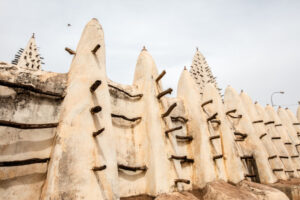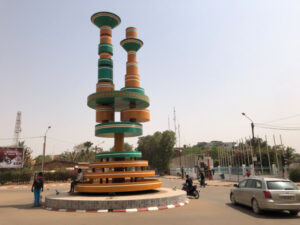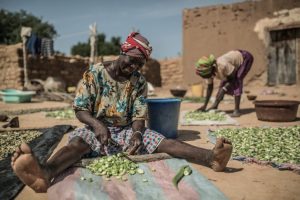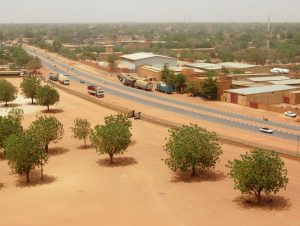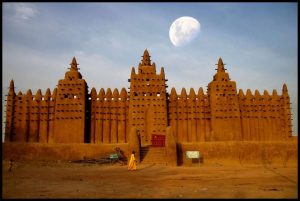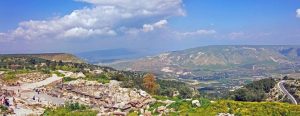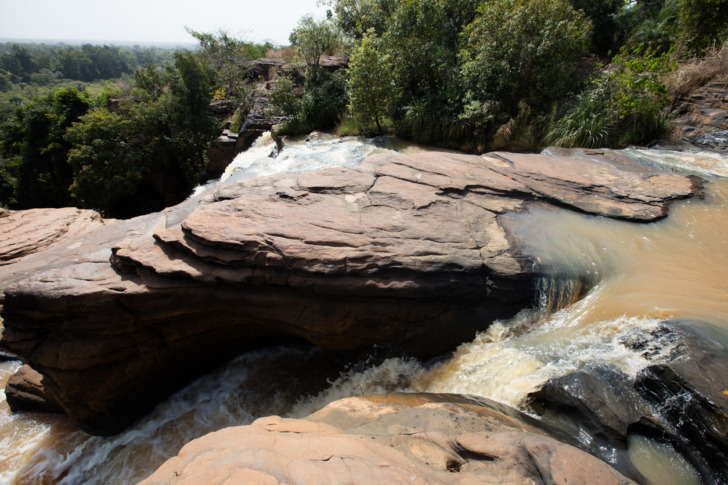
Banfora sits in southwestern Burkina Faso in one of the country’s most naturally attractive regions.
Surrounded by sugarcane fields, savanna, sandstone formations, waterfalls, lakes, and dramatic rock landscapes, the city has traditionally served as the gateway to places such as the Karfiguéla Waterfalls, Fabédougou Domes, and Lake Tengrela.
Under normal circumstances, Banfora would be one of Burkina Faso’s most interesting bases for outdoor travel.
Unfortunately, the current security situation changes the calculation significantly.
Burkina Faso faces a serious nationwide threat from terrorism, kidnapping, violent crime, and armed attacks on roads.
Foreign governments currently advise against all travel to the country, and U.S. government employees are prohibited from traveling outside Ouagadougou because of the security environment.
For that reason, Banfora should currently be treated as a high-risk destination rather than an ordinary West African tourism stop.
Warnings & Dangers in Banfora

OVERALL RISK: HIGH
Banfora deserves a high overall risk rating under current conditions. Burkina Faso faces terrorism, kidnapping, violent crime, armed roadblocks, and attacks on transportation routes. The U.S., UK, and Australian governments currently advise against all travel to Burkina Faso.

TRANSPORT & TAXIS RISK: HIGH
Road travel is a major concern. Armed groups have attacked vehicles, stopped buses, robbed passengers, and established roadblocks in Burkina Faso. Night travel is particularly dangerous. Visitors should not attempt independent overland sightseeing around Banfora based solely on the apparent condition of a road or its popularity with tourists.

PICKPOCKETS RISK: MEDIUM
Petty theft remains possible in markets, bus areas, crowded commercial streets, and public gatherings. Keep phones, wallets, passports, and cash secured. Pickpocketing is far less serious than Burkina Faso’s broader security problems, but travelers should still avoid displaying expensive electronics or carrying large quantities of cash.

NATURAL DISASTERS RISK: MEDIUM
Banfora experiences intense heat, seasonal thunderstorms, heavy rain, flooding, lightning, and occasional damaging winds. Roads can deteriorate significantly during the rainy season. Heat exhaustion and dehydration are serious concerns during excursions, particularly around waterfalls, rock formations, and exposed rural areas.

MUGGING RISK: HIGH
Violent robbery, carjacking, and assault occur in Burkina Faso. The risk is especially concerning when travelers are isolated, traveling by road, or moving after dark. Current official guidance describes violent crime as widespread and warns of armed robberies and vehicle hold-ups outside the capital.

TERRORISM RISK: HIGH
Terrorism is the biggest security concern. Armed extremist groups operate across Burkina Faso and may attack roads, government facilities, security forces, hotels, restaurants, religious sites, tourist destinations, and places frequented by foreigners. Kidnapping of foreign nationals is also a serious threat.

SCAMS RISK: MEDIUM
Conventional tourist scams are not the primary concern, but overcharging, unofficial guides, fraudulent transportation offers, fake assistance, and questionable money-changing arrangements can occur. Avoid strangers offering unexpected travel assistance and arrange drivers or services only through trusted organizations with current security knowledge.

WOMEN TRAVELERS RISK: HIGH
Women face the same terrorism, kidnapping, robbery, and transportation risks as other foreign visitors, making solo leisure travel particularly difficult to justify under current conditions. Women who are already in the region for essential reasons should use secure transportation, avoid nighttime movement, and follow the security arrangements of their employer or host.

TAP WATER RISK: HIGH
Visitors should not drink untreated tap water in Banfora. Use sealed bottled water or properly boiled and filtered water. Be cautious with ice, raw salads, street beverages, and already-cut fruit. Diarrheal illness can become considerably more serious when medical facilities and emergency transportation are limited.
Safest Places to Visit in Banfora
Central Banfora During Daylight
Under the current security situation, the safest relative option is staying inside populated central areas during daylight rather than traveling into remote countryside.
Established hotels, restaurants, shops, and busy commercial streets provide more activity and access to assistance.
Even central Banfora should not be interpreted as risk-free.
National terrorism and kidnapping threats apply throughout Burkina Faso.
Established Accommodation
A reputable hotel with controlled access, reliable communications, backup power, secure parking, and knowledgeable local staff provides a much safer base than isolated lodging.
Anyone in Banfora for essential work should ask accommodation staff about current security conditions before every road journey rather than relying on information from previous days.
Karfiguéla Waterfalls
The Karfiguéla Waterfalls have traditionally been one of Banfora’s biggest attractions, with natural pools and cascades surrounded by vegetation.
However, reaching rural tourist sites requires leaving the city and traveling through areas where security conditions can change.
Under current conditions, I would not classify this as a routine independent excursion.
Fabédougou Domes
The Fabédougou Domes are extraordinary sandstone formations shaped over millions of years and historically one of the region’s best outdoor attractions.
Their rural location is exactly what currently creates concern.
A beautiful landscape does not provide protection from armed groups, kidnapping, or unpredictable road conditions.
Lake Tengrela
Lake Tengrela has traditionally attracted visitors hoping to see hippos and enjoy a quieter side of southwestern Burkina Faso.
At present, remote nature excursions should only even be considered after a professional, same-day security assessment.
Government travel warnings against visiting Burkina Faso make ordinary sightseeing here difficult to recommend.
Places to Avoid in Banfora
Remote Tourist Attractions Without Current Security Clearance
Karfiguéla Waterfalls, Fabédougou, Lake Tengrela, and other rural attractions may appear close to Banfora on a map, but distance alone does not determine safety.
Avoid independent excursions when you do not have reliable, current information about the road and surrounding area.
Roads After Dark
Do not travel between Banfora, Bobo-Dioulasso, border areas, or rural communities at night.
Armed robbery, roadblocks, poor visibility, accidents, and limited emergency assistance create a dangerous combination.
Complete essential road travel during daylight whenever possible.
Border Regions
Southwestern Burkina Faso lies relatively close to Côte d’Ivoire and Mali.
Border regions across the wider Sahel face elevated terrorism and kidnapping risks.
Do not make casual border excursions or attempt remote crossings simply because they appear convenient on a map.
Military and Security Facilities
Avoid military bases, police stations, checkpoints, government security operations, and locations where soldiers are gathering.
These facilities can be sensitive locations and potential targets.
Never photograph military personnel, equipment, checkpoints, or government security installations.
Demonstrations and Large Political Gatherings
Political demonstrations can form quickly and may involve roadblocks, security forces, or violence.
If a crowd begins gathering, leave the area immediately.
Do not remain nearby to film or photograph what is happening.
Safety Tips for Traveling to Banfora
- Reconsider leisure travel entirely. The most important safety advice is also the simplest. Current official guidance from multiple governments is to avoid all travel to Burkina Faso. Banfora’s waterfalls and landscapes are impressive, but they do not justify ignoring a nationwide terrorism and kidnapping threat.
- Do not make independent rural excursions. Driving to a nearby waterfall or lake may sound harmless, but rural routes can become dangerous without warning. If you are in Banfora for essential reasons, move only after obtaining current security information from a trustworthy organization with personnel on the ground.
- Never travel by road at night. Night driving combines security risks with poor visibility, unpredictable road conditions, pedestrians, motorcycles, animals, and limited emergency response. Plan every journey so you arrive well before darkness.
- Avoid predictable travel routines. Anyone staying for work should avoid repeatedly traveling the same route at identical times. Terrorist and criminal kidnapping is a genuine concern. Follow your organization’s security procedures rather than developing casual daily routines around cafes, offices, and accommodation.
- Keep a low profile. Avoid expensive watches, jewelry, visible cameras, and unnecessary displays of wealth. Carry limited cash and keep passports and backup payment methods secured. Foreign visitors can stand out considerably in smaller cities.
- Prepare carefully for malaria. Malaria is a major health concern in Burkina Faso. Discuss preventive medication with a travel-health professional before departure, use insect repellent, sleep in screened or air-conditioned accommodation, and use mosquito nets where necessary. Fever during or after the trip requires urgent medical evaluation.
- Protect yourself from extreme heat. Banfora becomes extremely hot before and during parts of the rainy season. Carry substantial amounts of safe drinking water, wear lightweight clothing, use sunscreen, and avoid prolonged activity during the hottest hours.
- Do not photograph security activity. Never photograph military posts, checkpoints, government installations, security personnel, or police operations. Even innocent photography can create serious misunderstandings. Ask permission before photographing people or culturally sensitive locations.
- Have an independent emergency plan. Do not assume your embassy will be able to reach you quickly. Emergency services outside Ouagadougou can be very limited. Keep emergency cash, communication options, medication, identification, and a realistic evacuation plan readily available.
- Check insurance exclusions before traveling. Many travel insurance policies exclude destinations where governments advise against travel. Confirm coverage in writing before departure. A normal policy may become invalid in Burkina Faso, particularly for terrorism, kidnapping, evacuation, or travel against official advice.
So... How Safe Is Banfora Really?
Banfora presents a difficult contrast between what the destination offers and the security environment surrounding it.
Under more stable circumstances, the city would have tremendous tourism potential.
The Cascades region contains some of Burkina Faso’s most memorable landscapes, including waterfalls, unusual sandstone formations, lakes, sugarcane fields, and attractive rural scenery.
The problem is that ordinary crime statistics no longer tell the full story.
Burkina Faso currently faces a nationwide threat from armed extremist groups, kidnapping, violent attacks, and insecurity on highways.
Terrorist groups have targeted civilians, government forces, transportation routes, religious sites, and locations frequented by foreigners.
The kidnapping threat extends to foreign tourists as well as aid workers, journalists, and business travelers.
This makes excursions outside Banfora particularly problematic.
A waterfall only a short drive from town can still require travel on exposed rural roads.
Current restrictions are unusually severe.
U.S. government employees are prohibited from traveling outside Ouagadougou because of safety risks, while the UK advises against all travel anywhere in Burkina Faso.
My assessment is therefore high risk.
Banfora should not currently be treated as a conventional leisure destination.
Travelers already there for essential professional or humanitarian reasons should operate under professional security procedures, minimize road movements, avoid nighttime travel, and reassess conditions continuously.
How Does Banfora Compare?
| City | Safety Index |
|---|---|
 Banfora Banfora |
31 |
| Ouagadougou |
38 |
| Bobo-Dioulasso |
35 |
 Suwanee Suwanee | 86 |
| Newport | 80 |
| Valentine | 78 |
 Brest Brest | 48 |
| Lexington | 78 |
 Barcelona Barcelona | 65 |
Useful Information

Visas
Entry rules depend on nationality. British citizens currently require a visa, while Burkina Faso suspended visa issuance to U.S. citizens as of December 30, 2025. Travelers should verify their specific eligibility before making plans. A yellow fever vaccination certificate is also required for entry under current rules.

Currency
Banfora uses the West African CFA franc. Cash is considerably more useful than credit cards outside major hotels and businesses. Carry smaller denominations for transportation, food, and local purchases, but avoid carrying large sums. ATMs and card acceptance are more limited than travelers may expect from larger cities.

Weather
Banfora has a hot tropical savanna climate. The hottest months can produce temperatures approaching or exceeding 40°C, while the rainy season brings thunderstorms, humidity, flooding, and difficult road conditions. Lightweight clothing, sun protection, insect repellent, safe drinking water, and rain protection are essential.

Airports
Banfora has a small local airfield, but the nearest substantial airport is at Bobo-Dioulasso, roughly 75 to 90 kilometers away depending on the route and starting point. Road travel between cities currently carries significant security concerns, so airport proximity should not be confused with safe or reliable access.

Travel Insurance
Insurance requires particular attention because travel against official government advice can invalidate normal policies. Confirm terrorism, kidnapping, medical evacuation, and security evacuation coverage directly with the insurer before departure. Do not assume a standard worldwide policy automatically covers Burkina Faso under the present security conditions.
Banfora Weather Averages (Temperatures)
Average High/Low Temperature
| Temperature / Month | Jan | Feb | Mar | Apr | May | Jun | Jul | Aug | Sep | Oct | Nov | Dec |
|---|---|---|---|---|---|---|---|---|---|---|---|---|
| High °C |
34 | 36 | 37 | 37 | 35 | 33 | 31 | 30 | 31 | 33 | 35 | 34 |
| Low °C |
17 | 20 | 23 | 25 | 24 | 23 | 22 | 22 | 22 | 22 | 20 | 17 |
| High °F |
93 | 97 | 99 | 99 | 95 | 91 | 88 | 86 | 88 | 91 | 95 | 93 |
| Low °F |
63 | 68 | 73 | 77 | 75 | 73 | 72 | 72 | 72 | 72 | 68 | 63 |
Burkina Faso - Safety by City
| City | Safety Index |
|---|---|
| Banfora | 31 |
| Bobo-Dioulasso | 35 |
| Ouagadougou | 38 |