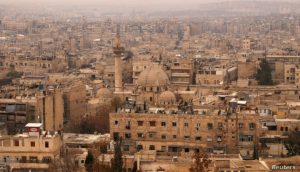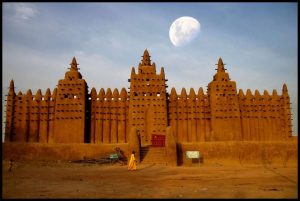
Bobo-Dioulasso is Burkina Faso’s second-largest city and one of the cultural centers of West Africa.
Located in the country’s southwest, it is known for the striking Grand Mosque, lively markets, traditional music, old neighborhoods such as Kibidwé, and a slower atmosphere than Ouagadougou.
The city has historically attracted travelers interested in architecture, culture, festivals, and the surrounding countryside.
Unfortunately, Burkina Faso’s national security situation has deteriorated severely in recent years.
Armed extremist groups operate across large parts of the country, kidnapping remains a serious threat, and attacks have occurred on major roads, including routes connected with Bobo-Dioulasso.
The city itself is considerably safer than many rural areas, but it can no longer be treated as an ordinary low-risk cultural destination.
As of September 2026, several governments advise against travel to Burkina Faso entirely or against nonessential travel to Bobo-Dioulasso.
Warnings & Dangers in Bobo-Dioulasso

OVERALL RISK: HIGH
Bobo-Dioulasso has a high overall travel risk because of Burkina Faso’s deteriorated security environment. Terrorism, kidnapping, armed robbery, road attacks, arbitrary detention, health risks, and political instability affect the country. Bobo itself is safer than many rural areas, but security can change quickly and overland travel outside the city is particularly concerning.

TRANSPORT & TAXIS RISK: HIGH
Transportation carries significant risk. Major roads can be poorly maintained, nighttime visibility is limited, and motorcycles, livestock, pedestrians, and unlit vehicles create accident hazards. More importantly, armed groups have attacked major highways in Burkina Faso. Avoid traveling outside Bobo-Dioulasso after dark and arrange transportation through trusted local contacts.

PICKPOCKETS RISK: MEDIUM
Pickpocketing and bag theft can occur around markets, bus stations, crowded streets, festivals, and commercial areas. Travelers carrying expensive phones or cameras are easy to identify. Keep wallets and phones secured, carry limited cash, and avoid openly displaying valuables. Opportunistic theft is much less serious than the country’s broader security threats but remains relevant.

NATURAL DISASTERS RISK: MEDIUM
Bobo-Dioulasso experiences extreme heat, thunderstorms, flash flooding, and heavy seasonal rainfall. The main rainy season generally runs from June through October. Roads can deteriorate quickly after heavy rain, while intense heat during the dry season creates dehydration and heat-exhaustion risks. Dust and poor air quality may also affect sensitive travelers.

MUGGING RISK: HIGH
Armed robbery is a serious concern in Burkina Faso, including urban areas. Travelers should avoid isolated streets, markets after closing, quiet roads, and nighttime walking. Carjacking and home invasion are also possible. If confronted by an armed robber, do not resist. Use trusted transportation and stay in accommodation with reliable security.

TERRORISM RISK: HIGH
The terrorism risk is high. Armed extremist organizations operate throughout Burkina Faso and have attacked civilians, security forces, villages, roads, places of worship, restaurants, hotels, and other locations. Foreigners may also be targeted for kidnapping. Bobo-Dioulasso is safer than many northern areas, but the threat cannot be considered geographically contained.

SCAMS RISK: MEDIUM
Ordinary tourist scams include taxi overcharging, unofficial guides, questionable currency exchange, and inflated market prices. More serious concerns involve individuals posing as officials or offering transportation through unsafe areas. Verify drivers, guides, and accommodation through trusted sources and avoid accepting spontaneous offers from strangers.

WOMEN TRAVELERS RISK: HIGH
Women can travel around central Bobo-Dioulasso during daylight, but the wider security environment raises the overall risk significantly. Solo travelers should avoid nighttime movement, isolated areas, and overland journeys without trusted support. Conservative clothing is appropriate, and transportation should be arranged through reliable hotels, organizations, or local contacts.

TAP WATER RISK: HIGH
Travelers should not drink untreated tap water in Bobo-Dioulasso. Use sealed bottled water, properly filtered water, or boiled water. Be cautious with ice, raw salads, unpeeled fruit, and drinks prepared with water of uncertain origin. Dehydration, diarrhea, and tropical illnesses can become serious quickly in the extreme heat.
Safest Places to Visit in Bobo-Dioulasso
Central Bobo-Dioulasso During Daylight
The busiest central parts of Bobo-Dioulasso are safer than peripheral and rural areas because there is more activity, more security presence, and better access to transportation.
Travelers who must visit the city should keep movements concentrated around established hotels, restaurants, commercial streets, and recognized cultural attractions rather than exploring unfamiliar districts alone.
Grand Mosque Area
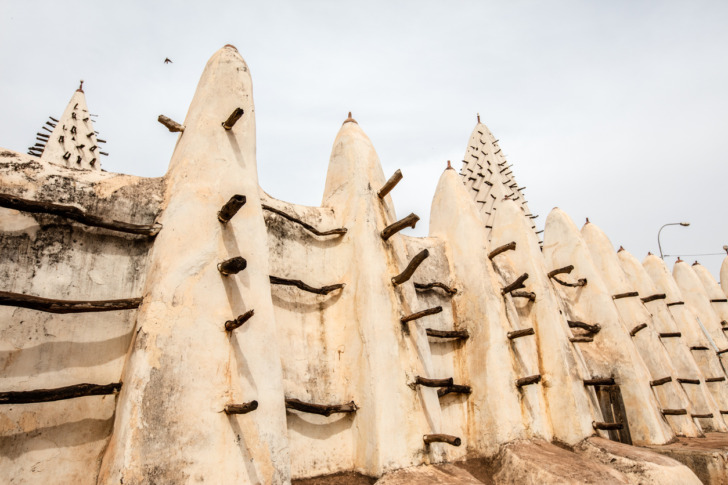
Bobo-Dioulasso’s Grand Mosque is the city’s best-known landmark, built in a distinctive Sudano-Sahelian architectural style with projecting wooden beams and earthen walls.
The surrounding old quarter is culturally fascinating, but visitors should use a legitimate local guide.
Ask before photographing people, religious activities, homes, or sensitive structures.
Kibidwé Old Quarter
Kibidwé is one of the historic neighborhoods that gives Bobo-Dioulasso its cultural identity.
Traditional compounds, narrow streets, workshops, and community life make it very different from the newer parts of the city.
This is not somewhere I would recommend wandering without local guidance.
Visit during daylight with someone who knows the area and respects community expectations.
Established Hotels and Restaurants
Well-known hotels and restaurants with security staff, controlled entrances, backup power, and established transportation arrangements are among the safer environments for foreign travelers.
Given the national kidnapping and terrorism threat, accommodation security deserves far more attention here than in an ordinary West African city break.
Places to Avoid in Bobo-Dioulasso
Roads Outside the City After Dark
Avoid overland travel outside Bobo-Dioulasso after sunset.
Burkina Faso’s highways face risks from armed robbery, terrorist attacks, checkpoints, poor road conditions, livestock, and vehicles without adequate lighting.
Even major roads should not be treated as secure simply because they connect large cities.
Road Toward Mali
Travel toward the Malian border carries particularly serious security concerns.
Armed extremist groups operate in the broader region, and kidnapping risk is high.
Do not attempt independent tourism toward border areas, rural communities, or remote nature attractions northwest of Bobo-Dioulasso.
Kénédougou Province
Kénédougou Province, within the wider Hauts-Bassins region, has been included in national emergency security measures.
It lies west of Bobo-Dioulasso toward the Mali border.
Travel there should be avoided unless absolutely essential and supported by professional security planning.
Demonstrations and Political Gatherings
Burkina Faso has experienced coups, political tension, demonstrations, military rule, and changing security measures.
Do not attend demonstrations, rallies, military celebrations, or spontaneous gatherings.
Even peaceful crowds can change quickly, and foreigners may attract attention from security personnel.
Military and Security Installations
Avoid military bases, checkpoints, police facilities, government security sites, and areas where operations are underway.
Do not photograph soldiers, checkpoints, military vehicles, or security activity.
Travelers may face questioning, searches, or detention if authorities suspect intelligence gathering.
Isolated Markets and Streets After Closing
Busy commercial streets are safer while shops and markets are active.
Once crowds disappear, some areas become poorly lit and much more vulnerable to robbery.
Arrange transportation before shops close rather than waiting outside with luggage, shopping bags, or visible electronics.
Safety Tips for Traveling to Bobo-Dioulasso
- Reconsider whether the trip is necessary. This is the most important advice for Bobo-Dioulasso in 2026. Burkina Faso faces a serious terrorism and kidnapping crisis, and multiple governments advise against travel to the country or discourage nonessential travel even to Bobo. If your trip is optional tourism, consider postponing it until the security environment improves.
- Avoid all nighttime road travel. Driving after dark combines several risks at once: terrorism, armed robbery, poor lighting, livestock, pedestrians, motorcycles, damaged roads, and vehicles without functioning lights. Plan every overland journey so that you arrive before sunset, and do not pressure drivers to continue after dark.
- Use trusted drivers rather than informal transportation. Arrange airport pickups, city transportation, and longer journeys through a reputable hotel, company, organization, or reliable local contact. Avoid accepting spontaneous rides or joining vehicles with strangers. Make sure someone knows your route and expected arrival time.
- Take kidnapping risk seriously. Foreigners can be attractive targets for ransom. Avoid predictable routines, isolated restaurants, remote hotels, rural roads, and unnecessary travel outside the city. Do not advertise your itinerary publicly, and be cautious about discussing your accommodation or future movements with strangers.
- Stay away from checkpoints unless required to pass through. Official checkpoints are common, but roadblocks may also be established by armed groups. Carry your passport and required documents, remain calm, and follow lawful instructions. Do not photograph security personnel or argue about delays. Avoid unfamiliar routes where checkpoint conditions are uncertain.
- Protect yourself from malaria and yellow fever. Malaria is a major health concern throughout Burkina Faso. Preventive medication is strongly worth discussing before travel, and mosquito repellent, long clothing, and screened rooms are important. Yellow fever vaccination is required for entry, and travelers should carry their official vaccination certificate.
- Carry emergency supplies in every vehicle. Outside Bobo-Dioulasso, roadside assistance may be extremely limited. Carry drinking water, food, a spare tire, basic tools, medication, a charged phone, backup power, and additional fuel where appropriate. Do not allow the fuel tank to become nearly empty before looking for a station.
- Avoid political conversations and photography of security activity. Burkina Faso’s political environment is sensitive. Foreign travelers may face questioning or suspicion, particularly around military activity. Avoid photographing soldiers, government security infrastructure, demonstrations, military convoys, or checkpoints. Keep political commentary private.
- Use secure accommodation. Choose a property with controlled access, reliable guards, secure parking, functioning communications, and staff capable of arranging trusted transportation. Ask about emergency procedures and whether the property has backup electricity and water. A cheap isolated guesthouse is not worth the additional exposure.
- Have an evacuation and communication plan. Travelers should know how they would leave Bobo-Dioulasso if roads became unsafe, flights were canceled, or unrest developed. Keep passports, cash, medication, chargers, vaccination documents, and essential supplies accessible. Share your itinerary with someone outside Burkina Faso and maintain regular contact.
So... How Safe Is Bobo-Dioulasso Really?
Bobo-Dioulasso presents one of the clearest examples of why a city cannot be judged only by what happens on its central streets.
Walking through central Bobo during a quiet afternoon may feel relatively normal.
Markets operate, restaurants are open, motorcycles fill the roads, and the city’s extraordinary architecture and cultural life remain very much alive.
Many residents go about their daily routines without experiencing direct violence.
But the national security environment surrounding the city is exceptionally serious.
Armed extremist organizations control or contest territory in parts of Burkina Faso and regularly attack civilians, military forces, communities, and transport routes.
Kidnapping is a major concern, particularly for Western foreigners.
The threat has spread well beyond the country’s far north.
Bobo-Dioulasso is considered safer than many rural areas, but that distinction is relative.
Current restrictions on foreign diplomatic personnel show how limited safe movement has become.
Some foreign governments advise against all travel to Burkina Faso, while others specifically advise against nonessential travel to Bobo-Dioulasso.
Road travel deserves special attention.
Even the major highway linking Ouagadougou and Bobo-Dioulasso cannot be treated as completely secure.
Routes south toward Côte d’Ivoire and west toward Mali also carry security concerns.
Health risks add another layer.
Malaria is widespread, yellow fever vaccination is required, and medical facilities are limited compared with major international destinations.
My assessment is that Bobo-Dioulasso has a high overall travel risk in 2026.
The city itself remains culturally important and fascinating, but ordinary leisure tourism is difficult to justify while terrorism, kidnapping, road attacks, and political uncertainty remain this serious.
How Does Bobo-Dioulasso Compare?
| City | Safety Index |
|---|---|
 Bobo-Dioulasso Bobo-Dioulasso |
35 |
| Banfora |
31 |
| Ouagadougou |
38 |
 New Brunswick New Brunswick | 64 |
 Bangkok Bangkok | 65 |
 Kasane Kasane | 84 |
| Great Falls | 72 |
| Rosine | 90 |
| Nashua | 78 |
Useful Information

Visas
Most foreign travelers need a visa before entering Burkina Faso. An electronic visa system is available for many nationalities, with short-stay visas generally issued for periods of up to 90 days. Requirements depend on citizenship. As of 2026, visa issuance to U.S. citizens remains suspended except in limited circumstances, so Americans should verify eligibility before planning travel.

Currency
Bobo-Dioulasso uses the West African CFA franc, abbreviated XOF. It is tied to the euro at a fixed exchange rate. Cash remains essential for markets, taxis, restaurants, and smaller businesses. Carry smaller denominations, use reputable banks or ATMs, and keep emergency cash in more than one secure location.

Weather
Bobo-Dioulasso has a hot tropical climate. The hottest period generally falls before the rainy season, when temperatures can approach or exceed 40°C. Rain is concentrated mainly between June and October. November through February is usually drier and more comfortable, although dusty Harmattan winds can reduce air quality and visibility.

Airports
Bobo-Dioulasso Airport sits only a few kilometers from the city center and can handle domestic and regional flights. Flight schedules are limited and can change, so travelers should confirm service immediately before departure. Ouagadougou remains Burkina Faso’s primary international aviation hub, but overland travel between the two cities currently requires serious security consideration.

Travel Insurance
Comprehensive travel insurance is essential, but coverage can be difficult because many governments currently advise against travel to Burkina Faso. Standard policies may exclude terrorism, kidnapping, civil unrest, military activity, or travel against official advice. Confirm in writing that Burkina Faso is covered and that the policy includes emergency evacuation, hospitalization, and security-related disruption.
Bobo-Dioulasso Weather Averages (Temperatures)
Average High/Low Temperature
| Temperature / Month | Jan | Feb | Mar | Apr | May | Jun | Jul | Aug | Sep | Oct | Nov | Dec |
|---|---|---|---|---|---|---|---|---|---|---|---|---|
| High °C |
33 | 36 | 38 | 38 | 36 | 33 | 31 | 30 | 31 | 33 | 35 | 33 |
| Low °C |
19 | 22 | 25 | 26 | 24 | 23 | 22 | 22 | 22 | 23 | 22 | 19 |
| High °F |
91 | 97 | 100 | 100 | 97 | 91 | 88 | 86 | 88 | 91 | 95 | 91 |
| Low °F |
66 | 72 | 77 | 79 | 75 | 73 | 72 | 72 | 72 | 73 | 72 | 66 |
Burkina Faso - Safety by City
| City | Safety Index |
|---|---|
| Banfora | 31 |
| Bobo-Dioulasso | 35 |
| Ouagadougou | 38 |