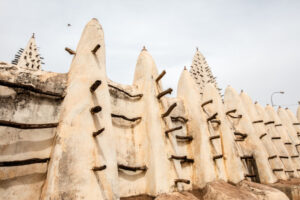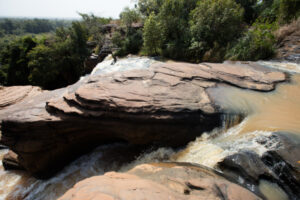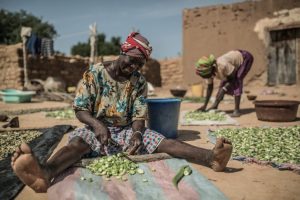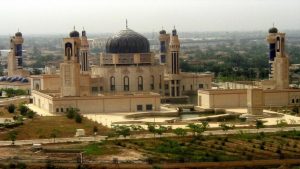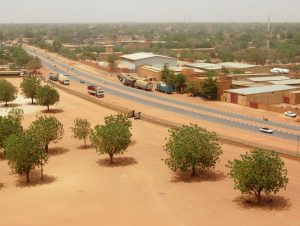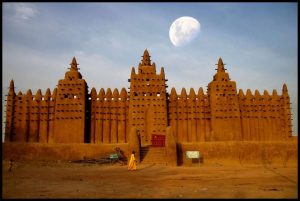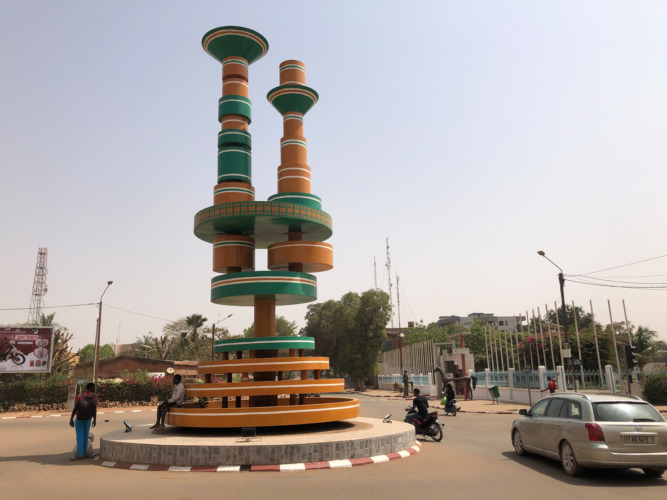
Ouagadougou, usually shortened to Ouaga, is Burkina Faso’s capital and largest city, a sprawling Sahelian metropolis of markets, government buildings, restaurants, cultural institutions, dusty avenues, and neighborhoods extending far beyond the traditional center.
The city is famous for FESPACO, one of Africa’s most important film festivals, as well as its arts, music, crafts, and energetic street life.
Unfortunately, the current security situation changes the travel equation completely.
Burkina Faso is experiencing a severe insurgency involving jihadist groups, widespread kidnapping risk, violent crime, military operations, and political instability.
Major governments currently advise against all travel to the country, including Ouagadougou.
The capital is safer than much of rural Burkina Faso, but terrorist attacks and kidnappings can still occur there.
This is currently a high-risk destination rather than a conventional city break.
Warnings & Dangers in Ouagadougou

OVERALL RISK: HIGH
Ouagadougou is currently a high-risk destination. Burkina Faso faces terrorism, kidnapping, violent crime, military operations, and political instability. Foreign governments advise against all travel. The capital retains functioning hotels, restaurants, hospitals, and transportation, but travelers should not interpret normal daily life as evidence that the underlying security threat has disappeared.

TRANSPORT & TAXIS RISK: HIGH
Traffic accidents, robberies, checkpoints, poor nighttime visibility, motorcycles, and unpredictable road conditions make transportation risky. Travel outside Ouagadougou is particularly dangerous because highways have been attacked by armed groups. Avoid nighttime driving entirely and use professional transportation arranged by a trusted employer, hotel, embassy, or security organization.

PICKPOCKETS RISK: HIGH
Street theft is a significant concern, particularly around markets, transportation areas, crowded streets, and commercial districts. Thieves may be armed, making what begins as property crime potentially much more serious. Carry minimal valuables, keep phones out of sight, avoid expensive jewelry, and never resist someone threatening you with a weapon.

NATURAL DISASTERS RISK: MEDIUM
Extreme heat, drought, dust storms, severe thunderstorms, and seasonal flooding are the main environmental hazards. Temperatures can exceed 40°C before the rainy season. Heavy downpours between roughly June and September may flood streets quickly. Heat exhaustion and dehydration are serious concerns, particularly when combined with unreliable infrastructure or long road journeys.

MUGGING RISK: HIGH
Armed robbery, assault, home invasion, carjacking, and street robbery occur in Ouagadougou. Foreign visitors may be viewed as particularly valuable targets. Avoid walking alone after dark, keep vehicle doors locked, vary predictable travel routines, and choose accommodation with professional security rather than simply selecting the cheapest available hotel.

TERRORISM RISK: HIGH
Terrorism is one of the most serious dangers in Burkina Faso. Armed Islamist groups remain active throughout the country, and attacks have previously occurred in Ouagadougou itself. Potential targets include hotels, restaurants, places of worship, government buildings, diplomatic facilities, markets, transport hubs, and other locations frequented by foreigners.

SCAMS RISK: MEDIUM
Financial scams, fraudulent services, unofficial guides, fake business opportunities, and requests for money can affect foreign visitors. The bigger concern is that interactions occurring in uncontrolled environments may expose travelers to robbery or kidnapping. Conduct financial transactions through established organizations and avoid informal arrangements with people you do not know.

WOMEN TRAVELERS RISK: HIGH
Women face the same terrorism, kidnapping, robbery, and security risks as other travelers, with additional concerns involving harassment and sexual violence. Solo travel is particularly difficult to recommend under current conditions. Women who must be in Ouagadougou should use secure accommodation, professional transportation, and trusted local contacts rather than moving independently after dark.

TAP WATER RISK: HIGH
Travelers should not rely on untreated tap water for drinking. Use sealed bottled, boiled, or properly filtered water and avoid ice when its source is uncertain. Foodborne illness can be particularly problematic because medical facilities are limited and the country already faces significant pressure on its healthcare system.
Safest Places to Visit in Ouagadougou
A Critical Point About “Safe” Areas
There is no part of Ouagadougou that should currently be considered completely safe for international tourists.
Terrorist attacks and kidnappings can occur even in areas used by foreigners.
The locations below are better described as relatively more controlled environments, particularly during daylight, rather than places where current security warnings can be ignored.
Secure International Hotels
Major hotels with controlled vehicle entrances, guards, perimeter security, and professional staff offer a safer environment than small unidentified guesthouses.
Even high-end hotels may be potential terrorist targets, however.
Security measures reduce some risks but cannot eliminate them.
Ouaga 2000
Ouaga 2000 contains government buildings, diplomatic properties, restaurants, offices, and upscale residential development.
It generally has more visible security than many parts of the capital.
Government and diplomatic locations can themselves be potential targets, so avoid lingering outside sensitive compounds or photographing security infrastructure.
Established Cultural Institutions
Recognized museums, galleries, cultural centers, and organized events may be safer to visit than informal attractions because access and security can be more controlled.
Any visit should still depend on current local security information.
Large events can become attractive targets and should not automatically be considered safe simply because they are officially organized.
Trusted Restaurants Near Secure Accommodation
If travel is essential, restaurants recommended by an embassy, employer, security provider, or established hotel are preferable to spontaneous exploration.
Keep visits relatively short, avoid establishing predictable routines, and use secure door-to-door transportation.
Controlled Private Compounds
For essential business, humanitarian, or diplomatic travel, controlled residential or work compounds with guards, access restrictions, communications, and contingency plans provide the most manageable environment.
This type of travel is very different from independent tourism.
Places to Avoid in Ouagadougou
Roads Outside the Capital
Travel outside Ouagadougou carries exceptionally serious risks.
Armed groups have attacked civilian, commercial, and government vehicles on highways.
Foreign government personnel face strict travel restrictions outside the capital.
Tourists should not assume that driving to another city during daylight makes these routes safe.
Balkiui and Rayongo After Dark
Nighttime travel in the Balkiui and Rayongo areas of Arrondissement 11 has specifically drawn additional security concern.
There is little reason for an international visitor to explore these neighborhoods after dark.
Essential movement should use secure vehicles and current local security guidance.
Large Markets and Crowded Commercial Areas
Busy markets create opportunities for pickpocketing, robbery, and potentially more serious incidents.
Areas around major commercial centers require particularly high awareness.
If a market visit is essential, go with a trusted local contact during daylight and carry minimal valuables.
Government and Military Facilities
Avoid photographing or lingering around military bases, government security facilities, checkpoints, police stations, and other sensitive infrastructure.
These sites can be terrorism targets, and security forces may react strongly to unexplained photography or suspicious behavior.
Demonstrations
Political gatherings can develop unexpectedly and become violent.
Military and police responses may be rapid and forceful.
Leave immediately if crowds begin forming.
Do not photograph demonstrations, security forces, or confrontations.
Places Popular With Foreigners
Hotels, restaurants, nightclubs, diplomatic facilities, international organizations, and other locations associated with foreigners have historically been potential terrorism targets.
This creates an uncomfortable reality: some places that feel safest from ordinary crime may simultaneously have greater terrorism exposure.
Safety Tips for Traveling to Ouagadougou
- Do not treat this as ordinary leisure travel. Multiple governments currently advise against all travel to Burkina Faso. Anyone considering a discretionary vacation should seriously reconsider. Essential travelers should have professional security arrangements, reliable local contacts, emergency communications, and a departure plan that does not depend entirely on government assistance.
- Do not travel outside Ouagadougou casually. The countryside and intercity road network carry substantially greater terrorism and kidnapping risks. Armed groups have attacked road traffic and established checkpoints. Trips that would normally be ordinary overland journeys elsewhere in West Africa can be dangerous here.
- Use secure transportation at all times. Do not wander around searching for taxis late at night. Arrange vehicles through an established hotel, employer, diplomatic mission, or trusted local organization. Keep doors locked and avoid predictable travel patterns whenever possible.
- Avoid places associated heavily with foreigners. Restaurants, hotels, nightclubs, embassies, and international facilities may be more secure against ordinary crime but can also attract terrorist attention. Limit unnecessary exposure, remain aware of exits, and follow current advice from organizations operating locally.
- Take kidnapping risk seriously. Foreign nationals remain potential targets for both terrorist and criminal kidnapping. Do not advertise travel plans publicly, avoid predictable routines, and never agree to spontaneous trips into rural areas with newly met acquaintances.
- Carry identification. Visitors should carry appropriate identification because security checkpoints occur throughout the city and country. Keep secure copies of your passport, visa, vaccination records, emergency contacts, and insurance documents separately in case originals are lost.
- Prepare carefully for malaria. Malaria transmission occurs throughout Burkina Faso. Preventive medication is recommended for travelers, along with mosquito repellent, long clothing around dusk, and screened or air-conditioned accommodation. A fever during or after travel requires prompt medical attention.
- Make sure your yellow fever vaccination is documented. Yellow fever vaccination is required for arriving travelers aged nine months and older. Carry the original international vaccination certificate. Other vaccinations, including hepatitis A, typhoid, polio, and meningococcal vaccination in appropriate circumstances, should also be discussed before travel.
- Have an independent emergency exit plan. Do not assume your embassy will be able to evacuate you during a rapidly deteriorating security situation. Know how you would reach the airport, maintain access to emergency cash, keep essential medication available, and follow flight availability closely.
- Check whether your insurance is actually valid. Many ordinary travel-insurance policies exclude destinations where governments advise against travel. Read the policy carefully before departure. Essential travelers should have specialized insurance covering Burkina Faso, emergency medical evacuation, terrorism-related incidents, kidnapping where legally available, and security evacuation.
So... How Safe Is Ouagadougou Really?
Ouagadougou is currently high risk, and that assessment should not be softened simply because the capital remains busy and millions of residents continue their everyday lives.
Burkina Faso is facing one of the most serious security crises in West Africa.
Armed groups linked to regional jihadist movements operate across large parts of the country, while terrorism, kidnapping, military operations, violent crime, and political instability remain ongoing concerns.
Ouagadougou is significantly more controlled than many rural provinces.
It contains the country’s main airport, diplomatic missions, large hospitals, government institutions, international organizations, and better security infrastructure.
But the capital is not insulated from the conflict.
Terrorist attacks have occurred in Ouagadougou, foreign nationals remain kidnapping targets, and current security warnings specifically state that attacks could occur in locations frequented by foreigners.
Armed robbery, carjacking, assault, and street crime add another layer of risk.
For that reason, I rate Ouagadougou as high risk and would not currently recommend it for ordinary tourism.
People who must travel for diplomatic, humanitarian, journalism, family, or essential business reasons should approach the trip very differently from a normal vacation.
Professional security planning, secure transportation, carefully selected accommodation, malaria prevention, emergency evacuation arrangements, and constant monitoring of local conditions are appropriate.
How Does Ouagadougou Compare?
| City | Safety Index |
|---|---|
 Ouagadougou Ouagadougou |
38 |
| Banfora |
31 |
| Bobo-Dioulasso |
35 |
 Evansville Evansville | 54 |
 Waterloo Waterloo | 85 |
| Wenatchee | 80 |
| Sherman | 73 |
| Nashville | 58 |
 Quebec City Quebec City | 88 |
Useful Information

Visas
Burkina Faso normally operates an electronic visa system for many foreign nationals, with short-stay visas generally covering visits of up to 90 days. A passport valid for more than six months beyond the planned stay and vaccination documentation are normally required. Importantly, Burkina Faso suspended the issuance of visas to U.S. citizens on December 30, 2025, so U.S. passport holders should not assume they can currently obtain an ordinary tourist visa.

Currency
Ouagadougou uses the West African CFA franc, which is shared by several West African countries and is fixed to the euro. Cash remains extremely important. Some larger hotels and restaurants accept cards, but electronic payment should never be your only option. Carry emergency cash securely and exchange money through established banks or authorized businesses.

Weather
Ouagadougou has an intensely hot Sahelian climate. The hottest period before the rains can produce temperatures above 40°C. The rainy season generally runs from roughly June through September, bringing thunderstorms and occasional urban flooding. The dry season is cooler but can bring dust and Harmattan conditions. Hydration and sun protection are essential.

Airports
Ouagadougou International Airport, also known as Thomas Sankara International Airport, is the principal international gateway to Burkina Faso. It is located within the urban area, making transfers relatively short. Anyone traveling under current conditions should arrange secure airport pickup in advance rather than attempting to organize transportation spontaneously after arrival.

Travel Insurance
Ordinary travel insurance may be invalid because major governments currently advise against all travel to Burkina Faso. Essential travelers need to confirm coverage explicitly before departure. Specialized policies should include emergency medical care, medical evacuation, security evacuation, flight disruption, terrorism-related incidents, and the specific activities involved in the trip.
Ouagadougou Weather Averages (Temperatures)
Average High/Low Temperature
| Temperature / Month | Jan | Feb | Mar | Apr | May | Jun | Jul | Aug | Sep | Oct | Nov | Dec |
|---|---|---|---|---|---|---|---|---|---|---|---|---|
| High °C |
33 | 36 | 38 | 40 | 39 | 35 | 32 | 32 | 33 | 36 | 36 | 33 |
| Low °C |
16 | 19 | 24 | 26 | 26 | 24 | 23 | 22 | 23 | 23 | 19 | 17 |
| High °F |
91 | 97 | 100 | 104 | 102 | 95 | 90 | 90 | 91 | 97 | 97 | 91 |
| Low °F |
61 | 66 | 75 | 79 | 79 | 75 | 73 | 72 | 73 | 73 | 66 | 63 |
Burkina Faso - Safety by City
| City | Safety Index |
|---|---|
| Banfora | 31 |
| Bobo-Dioulasso | 35 |
| Ouagadougou | 38 |