 Benin : Safety by City
Benin - safety as a country
Porto-Novo is the official capital of Benin, sitting in the country’s southeast near the Nigerian border and not far from the Atlantic coast.
It is much quieter than Cotonou, which functions as Benin’s economic center, and that slower pace is part of its appeal.
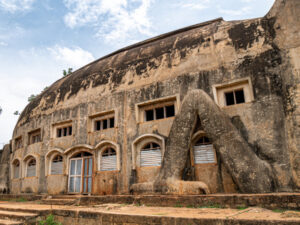
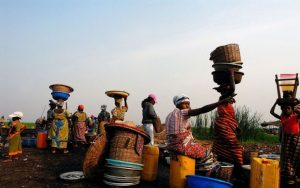
Porto-Novo is known for its Afro-Brazilian architecture, colorful markets, museums, royal history, mosques, churches, and deep connections to Yoruba and Gun culture.
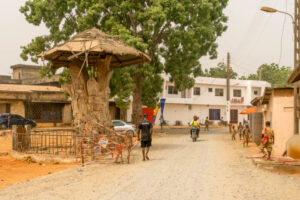
It feels more like a lived-in West African city than a polished tourist destination, which makes exploring it especially rewarding for travelers interested in history and culture.
Safety is mixed.
Street crime is manageable with normal precautions, but traffic, malaria, food and waterborne illness, political demonstrations, and the broader terrorism threat in northern Benin all need to be taken seriously.
Warnings & Dangers in Porto-Novo

OVERALL RISK: MEDIUM
Porto-Novo is generally manageable for experienced travelers, but it deserves a medium risk rating. Petty theft, robbery, road accidents, malaria, poor infrastructure, and limited emergency medical care are the main concerns. The city itself is far from Benin’s most dangerous northern regions, but travelers should still monitor national security conditions.

TRANSPORT & TAXIS RISK: MEDIUM
Traffic is one of Porto-Novo’s biggest day-to-day hazards. Motorcycles, cars, minibuses, pedestrians, and informal taxis often share crowded roads. Driving standards can be unpredictable and helmets or seat belts are not always used. Choose trusted drivers, avoid motorcycle taxis when possible, and limit road travel after dark.

PICKPOCKETS RISK: MEDIUM
Pickpocketing can occur in markets, bus stations, crowded streets, and busy public events. Mobile phones and wallets are the easiest targets. Keep valuables in zipped or front-facing bags, carry limited cash, and avoid using an expensive phone openly in crowded areas or beside traffic.

NATURAL DISASTERS RISK: MEDIUM
Porto-Novo can experience heavy tropical rain, flooding, intense heat, thunderstorms, and lightning. Low-lying roads may become difficult to use during the rainy season. Avoid floodwater because it can hide open drains, damaged roads, contamination, and electrical hazards. Heat and dehydration are also significant concerns.

MUGGING RISK: MEDIUM
Robbery and mugging can occur, particularly at night or in isolated areas. Travelers displaying jewelry, expensive phones, cameras, or large amounts of cash may attract unwanted attention. Avoid walking alone after dark, use reliable transportation, and never physically resist an armed robber.

TERRORISM RISK: MEDIUM
Porto-Novo is not near the main terrorism hotspots in northern Benin, but the national threat cannot be ignored. Armed extremist activity has affected areas close to Burkina Faso, Niger, and northern Togo. Travelers should avoid northern border regions, military activity, and any area under official security restrictions.

SCAMS RISK: LOW
Travelers may encounter inflated taxi fares, unofficial guides, aggressive money changers, or people offering unnecessary assistance for a fee. Confirm transportation prices before leaving, use established guides, and avoid exchanging money with strangers on the street. Most scams are opportunistic rather than sophisticated.

WOMEN TRAVELERS RISK: MEDIUM
Women can visit Porto-Novo safely with preparation, but solo travelers should take extra precautions. Harassment and persistent attention can occur. Dress relatively conservatively, avoid walking alone after dark, use trusted transportation, and stay in established accommodation with staff who can help arrange drivers.

TAP WATER RISK: HIGH
Do not drink tap water in Porto-Novo. Use factory-sealed bottled water, boiled water, or properly filtered and disinfected water. Avoid ice unless you trust the establishment, and be careful with raw vegetables, street drinks, and fruit that has already been peeled.
Safest Places to Visit in Porto-Novo
Musée Honmè and the Royal Palace Area
The former royal palace is one of Porto-Novo’s most important cultural attractions and provides an introduction to the history of the Kingdom of Porto-Novo.
The surrounding area is generally comfortable during daylight, especially when visiting with a local guide.
Use trusted transportation to and from the site and keep valuables discreet.
Ethnographic Museum
The Ethnographic Museum is a good daytime stop for travelers interested in local traditions, masks, musical instruments, religious practices, and everyday culture.
Managed attractions like this are among the easiest places for first-time visitors to explore because staff are present and the environment is more controlled than busy markets.
The Great Mosque Area
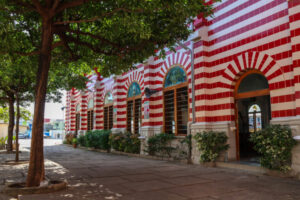
Porto-Novo’s Great Mosque is one of the city’s most striking buildings, with architecture influenced by Afro-Brazilian design.
The exterior is particularly photogenic.
Visit during daylight, dress respectfully, and ask before entering or photographing worshippers.
Avoid disrupting prayers or religious ceremonies.
Central Porto-Novo
The main central districts contain markets, administrative buildings, shops, restaurants, and historic architecture.
Daytime exploration with a guide or trusted driver is generally manageable.
Stay aware when using your phone and avoid carrying unnecessary valuables.
Adjarra as an Organized Excursion
Adjarra, east of Porto-Novo, is known for crafts, drums, markets, and local cultural traditions.
It can make an interesting half-day excursion.
Use a locally recommended guide or driver, travel during daylight, and return before roads become difficult to navigate after dark.
Places to Avoid in Porto-Novo
Isolated Streets After Dark
Porto-Novo becomes much quieter once businesses close.
Poor street lighting, limited pedestrian traffic, and higher robbery risk make nighttime walking unnecessary.
Use a taxi or trusted private driver, even when your destination seems close.
Busy Markets With Visible Valuables
Markets are fascinating but can be crowded and confusing.
They are also among the easiest places for opportunistic theft.
Carry only the money you expect to spend, keep your phone secure, and avoid wearing expensive jewelry or carrying a large camera openly.
Nigerian Border Areas Without a Clear Reason
Porto-Novo is relatively close to Nigeria, but border areas can involve heavy traffic, informal trade, checkpoints, smuggling activity, and changing entry procedures.
Travel only through official crossings and confirm documentation requirements before attempting an international journey.
Political Demonstrations
Avoid protests, rallies, political gatherings, and crowds forming around police or government buildings.
Even peaceful events can become confrontational or result in road closures.
Do not stop to photograph security activity.
Leave the area and take another route.
Northern Benin Security Zones
If Porto-Novo is only one stop on a larger Benin itinerary, avoid treating the entire country as equally safe.
Northern border regions near Burkina Faso, Niger, and parts of northern Togo face a much higher threat from extremist violence and kidnapping.
Do not enter restricted northern zones without current official guidance and a compelling reason.
Safety Tips for Traveling to Porto-Novo
- Use a trusted driver. Transportation is one of the easiest ways to improve your safety. Ask your hotel, host, or established tour company to arrange drivers. Avoid accepting rides from random people outside bus stations or markets. Confirm the price before leaving and keep the driver’s contact information for the return journey.
- Avoid walking alone at night. Porto-Novo is not a city where long nighttime walks are worth the risk. Lighting can be poor and streets may become empty quickly. Use a trusted car or taxi after dinner, especially if your accommodation is outside the center.
- Protect yourself against malaria. Malaria is a major health concern in Benin. Speak with a travel medicine professional before departure about preventive medication. Use insect repellent, sleep under mosquito nets or in screened accommodation, and wear long sleeves in the evening. Fever during or after travel requires prompt medical attention.
- Drink only safe water. Use sealed bottled water and check that the cap has not been tampered with. Avoid ice from unknown sources and be cautious with raw salads, roadside juices, and food that has been sitting in the heat. Choose freshly cooked meals served hot whenever possible.
- Keep your phone discreet. Smartphones can attract attention, particularly in markets, transport areas, and crowded streets. Step into a hotel, restaurant, or shop before checking maps or messages. Avoid standing beside traffic with your phone held openly, especially after dark.
- Carry limited cash. Benin is still heavily cash-based, so you will need CFA francs for many purchases. Divide your money between separate locations and carry only what you need for the day. Avoid counting large amounts of cash publicly and use secure ATMs whenever possible.
- Dress for both heat and local expectations. Lightweight clothing is essential, but relatively modest dress works best. Loose trousers, longer skirts, and shirts covering the shoulders are practical for both sun protection and cultural comfort. Carry a hat, sunscreen, and plenty of water during daytime sightseeing.
- Avoid motorcycle taxis if possible. Motorcycle taxis are common and cheap, but they expose travelers to a higher accident risk. Helmets may not always be available or properly fitted. For longer journeys, luggage, nighttime trips, or airport transfers, a car with a reliable driver is the safer choice.
- Do not photograph sensitive sites. Avoid photographing police, military personnel, checkpoints, government compounds, airports, border facilities, or security operations. Ask before photographing people, religious ceremonies, markets, or private homes. If someone objects, put the camera away immediately.
- Stay informed before traveling north. Porto-Novo itself is far south, but many travelers combine several parts of Benin in one trip. Security conditions become much more serious as you approach the northern border regions. Do not assume advice for Porto-Novo applies to Pendjari National Park, border districts, or remote northern routes.
So... How Safe Is Porto-Novo Really?
Porto-Novo is not among West Africa’s most dangerous cities, but it is not an effortless destination either.
The city has a calmer atmosphere than Cotonou, and ordinary visitors are unlikely to experience serious violence if they stay in central areas, use reliable transportation, and avoid nighttime wandering.
Crime is mostly opportunistic.
Pickpocketing, phone theft, burglary, and robbery are more realistic concerns than organized violence against tourists.
Visitors who display expensive electronics or carry large amounts of cash unnecessarily increase their risk.
Road safety and health may be even more important.
Traffic can be chaotic, pedestrian infrastructure is inconsistent, and motorcycles are everywhere.
Malaria remains a serious concern, while untreated water and poorly handled food can cause gastrointestinal illness.
The national security picture also matters.
Extremist groups operating across the Sahel have expanded activity into northern Benin.
Those incidents are geographically far from Porto-Novo, but anyone planning a wider trip must understand that safety conditions vary dramatically between southern cities and northern border regions.
My assessment is that Porto-Novo deserves a medium overall risk rating.
It is suitable for experienced travelers, cultural tourists, and visitors who are comfortable navigating developing-country infrastructure.
Stay in established accommodation, use a trusted driver, protect yourself from mosquitoes, avoid demonstrations, and leave northern security zones out of a casual itinerary.
How Does Porto-Novo Compare?
| City | Safety Index |
|---|---|
| Porto-Novo |
68 |
| Bohicon |
69 |
| Abomey |
71 |
| Ouidah |
72 |
| Grand-Popo |
74 |
| Cotonou |
65 |
 Fontana Fontana | 68 |
 Malanje Malanje | 47 |
| White Plains | 77 |
 Kota Kinabalu Kota Kinabalu | 81 |
 Chamonix Chamonix | 84 |
 Zakopane Zakopane | 82 |
Useful Information

Visas
Most foreign visitors need a visa to enter Benin. Electronic visas are commonly available for tourism, including short single-entry and longer multiple-entry options. Fees vary by visa length and nationality. Apply before departure, carry a printed confirmation, and make sure your passport has sufficient remaining validity.

Currency
Porto-Novo uses the West African CFA franc. Cash is important for taxis, markets, small restaurants, and local shops. Larger hotels and some businesses may accept cards, but visitors should not rely on them exclusively. Withdraw cash from secure bank ATMs and avoid street currency exchanges.

Weather
Porto-Novo has a hot, humid tropical climate. Temperatures remain warm throughout the year, with distinct rainy periods and heavy downpours. Pack lightweight breathable clothing, rain protection, sunscreen, a hat, insect repellent, and shoes that can handle wet streets and muddy conditions.

Airports
The main international gateway is Cotonou Cadjehoun Airport, roughly 30 to 40 kilometers from Porto-Novo depending on the route. Travel time can vary significantly with traffic. Arrange an airport pickup through your accommodation, tour company, or trusted driver rather than improvising transportation after arrival.

Travel Insurance
Travel insurance is strongly recommended for Porto-Novo. Choose coverage for medical treatment, emergency evacuation, malaria-related illness, theft, cancellations, and road accidents. Medical facilities may be limited for serious conditions, so make sure the policy can cover evacuation to a better-equipped hospital or another country if necessary.
Porto-Novo Weather Averages (Temperatures)
Average High/Low Temperature
| Temperature / Month | Jan | Feb | Mar | Apr | May | Jun | Jul | Aug | Sep | Oct | Nov | Dec |
|---|---|---|---|---|---|---|---|---|---|---|---|---|
| High °C |
31 | 32 | 32 | 31 | 31 | 29 | 28 | 28 | 29 | 30 | 31 | 31 |
| Low °C |
23 | 25 | 26 | 25 | 24 | 24 | 24 | 24 | 24 | 24 | 24 | 24 |
| High °F |
88 | 90 | 90 | 88 | 88 | 84 | 82 | 82 | 84 | 86 | 88 | 88 |
| Low °F |
73 | 77 | 79 | 77 | 75 | 75 | 75 | 75 | 75 | 75 | 75 | 75 |
Benin - Safety by City
| City | Safety Index |
|---|---|
| Abomey | 71 |
| Bohicon | 69 |
| Cotonou | 65 |
| Grand-Popo | 74 |
| Ouidah | 72 |
| Porto-Novo | 68 |