


 Benin : Safety by City
Benin - safety as a country
Ouidah is one of Benin’s most historically important cities, sitting near the Gulf of Guinea about 40 kilometers west of Cotonou.
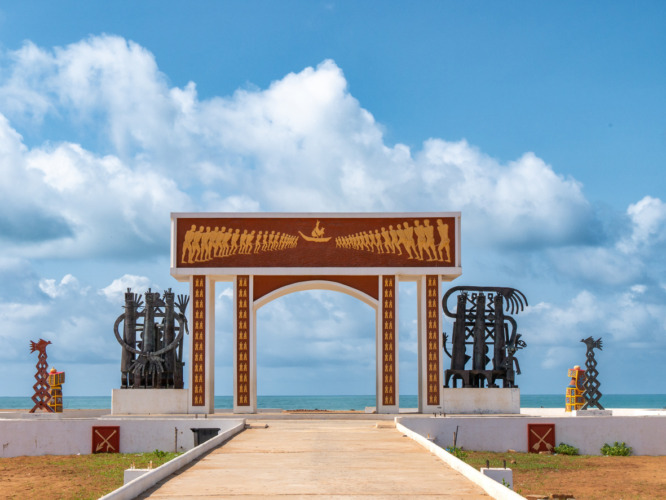
The city is best known for its role in the transatlantic slave trade, the Route des Esclaves, the Door of No Return memorial, and its powerful connection to Vodun culture.
Ouidah also has Portuguese colonial architecture, sacred forests, temples, beaches, and a slower atmosphere than nearby Cotonou.
It is one of southern Benin’s main tourism destinations and is generally much safer than the country’s northern border regions.
However, travelers should still take precautions around petty crime, road travel, malaria, heat, poor water quality, and isolated beaches.
The broader security situation in northern Benin also means regional travel should be planned carefully.
Warnings & Dangers in Ouidah

OVERALL RISK: MEDIUM
Ouidah is generally manageable for tourists and is considerably safer than northern Benin, where militant activity is a serious concern. The main risks in the city are petty theft, robbery, traffic accidents, malaria, poor sanitation, and limited emergency services. Travelers should use trusted transportation, avoid isolated areas after dark, and remain within established southern tourist routes.

TRANSPORT & TAXIS RISK: MEDIUM
Road safety is one of the biggest practical concerns. Motorbike taxis, locally known as zemidjans, are common but expose passengers to traffic accidents and may not provide helmets. Cars and minibuses vary greatly in condition. For longer trips, use a reputable driver, wear a seat belt, and avoid nighttime road travel.

PICKPOCKETS RISK: MEDIUM
Pickpocketing can occur in markets, bus areas, festivals, religious events, and crowded tourist sites. Foreign visitors carrying phones or cameras may attract attention. Keep bags closed and in front of you, avoid storing valuables in back pockets, and carry only the cash you need for the day.

NATURAL DISASTERS RISK: MEDIUM
Ouidah can experience heavy rain, flooding, thunderstorms, extreme heat, and coastal erosion. The rainy seasons can affect roads and create standing water. The coast can also have strong waves and currents. Travelers should avoid flooded roads, keep away from the shoreline during storms, and stay hydrated in hot weather.

MUGGING RISK: MEDIUM
Muggings and armed robberies are possible in Benin, particularly after dark or in isolated locations. Ouidah is calmer than Cotonou, but visitors should not walk alone on empty roads or deserted beaches at night. Avoid displaying jewelry, expensive watches, cameras, or large amounts of cash.

TERRORISM RISK: MEDIUM
The direct terrorism risk in Ouidah is lower than in northern Benin, where armed groups operating across the Sahel have carried out attacks. However, the national security environment means visitors should remain informed and avoid travel toward the Burkina Faso and Niger border regions. Ouidah itself is not considered a primary militant hotspot.

SCAMS RISK: MEDIUM
Travelers may encounter inflated taxi fares, unofficial guides, aggressive souvenir selling, or requests for money at tourist and religious sites. Some people may claim that a fee is required when it is not. Confirm prices before accepting services and use guides recommended by your accommodation or established tour operators.

WOMEN TRAVELERS RISK: MEDIUM
Women can visit Ouidah safely with preparation, but solo travelers may receive unwanted attention or harassment. Dress modestly away from beach areas, avoid walking alone after dark, use trusted transportation, and be cautious when accepting invitations from strangers. Remote beaches and roads should not be explored alone.

TAP WATER RISK: HIGH
Travelers should not drink untreated tap water in Ouidah. Use sealed bottled water or water that has been properly boiled or filtered. Avoid ice unless you know it was made with safe water, and be cautious with raw vegetables, salads, and fruit that cannot be peeled.
Safest Places to Visit in Ouidah
The Route des Esclaves
The Route des Esclaves is Ouidah’s most significant historical experience.
The route follows the path enslaved people were forced to take from the city toward the Atlantic coast.
It is generally safe to visit during daylight, especially with a local guide.
A guide also provides essential historical context that would be difficult to understand simply by walking the route independently.
Door of No Return
The Door of No Return stands near the beach at the end of the slave route and is one of Benin’s most recognizable monuments.
The surrounding area is normally peaceful during the day.
Stay aware of your belongings and avoid remaining on isolated sections of the coast after dark.
Swimming nearby requires caution because Atlantic currents can be strong.
Sacred Forest of Kpassè
The Sacred Forest is an important Vodun site filled with statues, old trees, shrines, and religious symbolism.
It is one of Ouidah’s most unusual attractions and is generally safe to visit during normal opening hours.
Respect religious practices and never touch sacred objects unless invited to do so.
Python Temple
The Temple of Pythons is one of Ouidah’s best-known religious attractions.
Pythons are sacred within local Vodun traditions, and visitors can learn about their cultural significance.
Visit through the recognized entrance, follow instructions from caretakers, and ask before photographing ceremonies or worshippers.
Ouidah Museum of History
The museum occupies the former Portuguese Fort and provides valuable context about Ouidah’s colonial history and the slave trade.
Museums and established heritage sites are among the safest places for visitors because staff, guides, and other tourists are regularly present.
Places to Avoid in Ouidah
Deserted Beaches After Dark
Ouidah’s beaches can feel peaceful during the day but become extremely isolated after sunset.
Avoid long nighttime walks along the coast, especially alone.
Poor lighting, strong surf, limited police presence, and the possibility of robbery make remote beaches unnecessary risks after dark.
Isolated Residential Streets at Night
Ouidah does not have a famous tourist no-go neighborhood, but quiet streets away from the central attractions should be avoided after dark.
Road lighting may be limited, and taxis become harder to find.
Arrange your return transportation before going out for dinner or evening events.
Northern Benin Border Regions
Travelers based in Ouidah should not casually extend their trip toward Benin’s northern borders with Burkina Faso or Niger.
Armed militant groups have carried out attacks in northern national parks, border districts, and rural areas.
Stick to established southern routes unless you have current professional security information.
Empty Roadside Areas
Do not stop unnecessarily on isolated roads between Ouidah, Cotonou, Grand-Popo, or other nearby destinations, particularly after dark.
Vehicle breakdowns, robbery, and poor lighting make remote stops more risky.
Use a reliable vehicle and plan fuel stops before leaving populated areas.
The Ocean During Rough Conditions
The Gulf of Guinea can produce strong surf and dangerous currents.
Avoid swimming when waves are large or when residents advise against entering.
Many beaches do not have lifeguards, so travelers should never assume that a beautiful beach is automatically a safe swimming beach.
Safety Tips for Traveling to Ouidah
- Use a trusted driver for longer trips. Transportation standards can vary widely in Benin. Ask your hotel or tour operator to arrange a reliable driver for journeys between Ouidah, Cotonou, Grand-Popo, and other destinations. Avoid nighttime driving whenever possible because roads may be poorly lit and obstacles are difficult to see.
- Take malaria prevention seriously. Malaria is a major health risk in Benin. Speak with a travel-health professional before departure about preventive medication. Use insect repellent, sleep under mosquito nets or in screened accommodation, and wear long sleeves and trousers during evening hours.
- Drink only safe water. Use sealed bottled, boiled, or properly filtered water for drinking and brushing your teeth. Check the bottle seal before opening it. Avoid ice, raw salads, and food that may have been washed with untreated water.
- Avoid isolated areas after dark. Ouidah becomes much quieter after sunset. Do not walk alone along beaches, empty roads, or unfamiliar residential streets late at night. Arrange a taxi or private driver before leaving your hotel for dinner or evening activities.
- Keep money and electronics discreet. Carry only the cash you need for the day and keep larger amounts securely stored. Avoid walking around with your phone permanently in your hand. Expensive cameras, watches, and jewelry can attract unnecessary attention.
- Choose guides carefully. A good guide adds enormous value at Ouidah’s historical and religious sites. Use guides recommended by established hotels, museums, or tour operators. Agree on the full price beforehand and clarify whether entrance fees are included.
- Respect Vodun traditions. Vodun is an active religion in Ouidah, not simply a tourist attraction. Ask before photographing ceremonies, priests, sacred objects, or worshippers. Do not touch shrines, statues, or offerings unless explicitly invited.
- Be cautious when using motorbike taxis. Zemidjans are convenient and inexpensive but carry a higher accident risk than cars. If you use one, request a helmet when possible and avoid riding at high speed or at night. For longer journeys, a car with an experienced driver is safer.
- Stay away from northern conflict areas. Ouidah is in southern Benin, far from the main militant threat, but travelers should not assume the entire country has the same risk level. Avoid border districts near Burkina Faso and Niger and do not enter northern parks or remote areas without reliable current security information.
- Carry comprehensive travel insurance. Medical facilities in Ouidah are limited, and serious illness or injury may require transfer to Cotonou or evacuation abroad. Choose insurance that covers emergency medical treatment, evacuation, malaria, road accidents, theft, and trip interruption.
So... How Safe Is Ouidah Really?
Ouidah is one of the more approachable destinations in Benin for international travelers.
It has established cultural attractions, regular visitors, hotels, guides, and easy road access from Cotonou.
During the day, the historic center and major tourist sites generally feel calm.
The biggest mistake would be judging Ouidah by the same standards as a European resort town.
Benin has higher levels of poverty, weaker emergency infrastructure, more chaotic roads, and greater health risks.
A minor road accident or infection can become more serious when advanced medical treatment is not immediately available.
Crime is another consideration.
Petty theft and robbery occur, although visitors who avoid displaying valuables and stay out of isolated areas after dark substantially reduce their exposure.
The national terrorism situation also matters, but geography is important.
The most serious militant activity is concentrated far north, particularly near the Burkina Faso and Niger borders.
Ouidah lies in the south and does not face the same level of direct threat.
For most travelers following established routes, I would rate Ouidah as medium risk.
It can be a fascinating and meaningful destination, especially for travelers interested in West African history and Vodun culture, but it rewards preparation rather than spontaneity.
How Does Ouidah Compare?
| City | Safety Index |
|---|---|
| Ouidah |
72 |
| Abomey |
71 |
| Grand-Popo |
74 |
| Bohicon |
69 |
| Cotonou |
65 |
| Porto-Novo |
68 |
 Ottawa Ottawa | 83 |
 Natchez Natchez | 68 |
 Ulaanbaatar Ulaanbaatar | 50 |
 Stavanger Stavanger | 80 |
 Chiang Mai Chiang Mai | 80 |
| Brainerd | 72 |
Useful Information

Visas
Most foreign travelers need a visa to enter Benin. Electronic visas are available for tourism and can generally be obtained before departure. Options commonly include 30-day single-entry and 30- or 90-day multiple-entry visas. Fees depend on the visa type and length of stay. Travelers should also carry proof of yellow fever vaccination.

Currency
Ouidah uses the West African CFA franc. Cash is important because smaller restaurants, taxis, markets, and guides may not accept cards. ATMs are easier to find in Cotonou than in smaller towns. Carry sufficient cash for day trips but divide it between secure locations rather than keeping everything in one wallet.

Weather
Ouidah has a hot, humid tropical climate. Temperatures typically stay around 25°C to 32°C throughout the year. The main rainy season generally runs from April through July, with another shorter wet period later in the year. Pack breathable clothing, sunscreen, insect repellent, a hat, and reliable rain protection.

Airports
Cotonou Cadjehoun Airport is the main international airport serving Ouidah and is roughly 40 kilometers away. Depending on traffic, the drive usually takes around one hour. Private transfers and taxis are the simplest options. Arrange airport pickup in advance, particularly for arrivals after dark.

Travel Insurance
Comprehensive travel insurance is strongly recommended. Coverage should include emergency medical treatment, evacuation, road accidents, theft, trip cancellation, and infectious diseases. Confirm that Benin is covered and that your policy remains valid for all parts of your planned itinerary, especially if you intend to travel beyond southern Benin.
Ouidah Weather Averages (Temperatures)
Average High/Low Temperature
| Temperature / Month | Jan | Feb | Mar | Apr | May | Jun | Jul | Aug | Sep | Oct | Nov | Dec |
|---|---|---|---|---|---|---|---|---|---|---|---|---|
| High °C |
32 | 32 | 32 | 32 | 31 | 30 | 29 | 28 | 29 | 30 | 31 | 32 |
| Low °C |
25 | 26 | 27 | 27 | 27 | 25 | 24 | 24 | 24 | 25 | 26 | 25 |
| High °F |
90 | 90 | 90 | 90 | 88 | 86 | 84 | 82 | 84 | 86 | 88 | 90 |
| Low °F |
77 | 79 | 81 | 81 | 81 | 77 | 75 | 75 | 75 | 77 | 79 | 77 |
Benin - Safety by City
| City | Safety Index |
|---|---|
| Abomey | 71 |
| Bohicon | 69 |
| Cotonou | 65 |
| Grand-Popo | 74 |
| Ouidah | 72 |
| Porto-Novo | 68 |
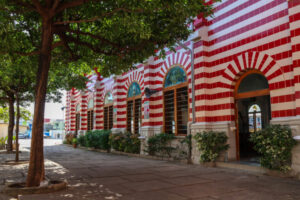
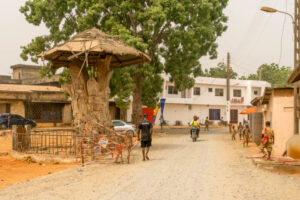
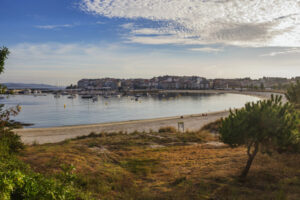
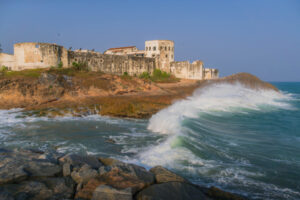












Walking through the quiet streets, the mix of history and those old Portuguese buildings really hits different, especially by the sea breeze.