


 Benin : Safety by City
Benin - safety as a country
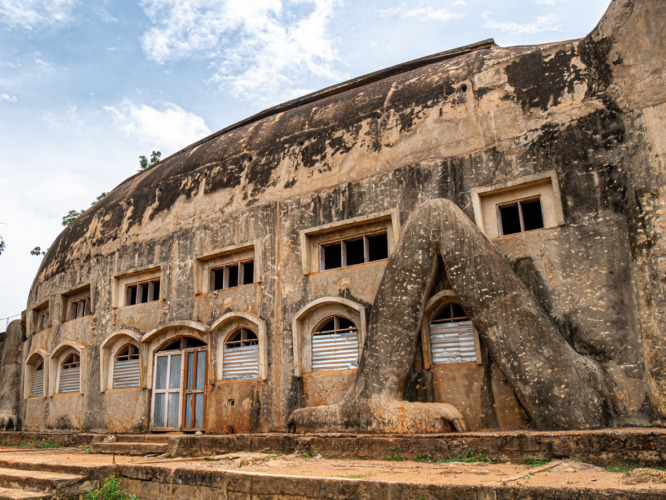
Abomey is one of West Africa’s most historically fascinating cities, sitting in southern Benin about 120 kilometers inland from Cotonou.
For roughly three centuries, it served as the capital of the powerful Kingdom of Dahomey, whose kings built an enormous palace complex filled with courtyards, temples, ceremonial spaces, bas-reliefs, and royal history.
Today, the Royal Palaces of Abomey are a UNESCO World Heritage Site and the main reason international travelers make the journey.
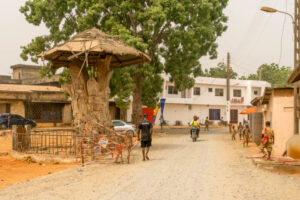
The city is quieter and less hectic than Cotonou, with dusty streets, markets, motorcycles, traditional compounds, and a strong connection to Vodun culture.
Abomey is not in Benin’s most dangerous northern security zone, but travelers still need to prepare for crime, road accidents, malaria, unsafe water, heat, demonstrations, and limited medical care.
Warnings & Dangers in Abomey

OVERALL RISK: MEDIUM
Abomey has a medium overall risk. It is considerably removed from the northern border areas where terrorism and kidnapping risks are highest, and most visits to the historic center pass without serious problems. However, crime, poor roads, malaria, limited healthcare, political unrest, and the national terrorism threat require greater caution than in a typical mainstream tourist destination.

TRANSPORT & TAXIS RISK: HIGH
Road travel is one of the biggest practical risks. Driving standards vary, motorcycles are everywhere, roads may be poorly lit, and vehicles can be badly maintained or overloaded. Avoid long-distance travel after dark. Arrange a reliable driver through your hotel or guide and avoid motorcycle taxis unless you have no safer alternative.

PICKPOCKETS RISK: MEDIUM
Pickpocketing and bag theft can occur in markets, transport areas, festivals, and crowded streets. Abomey is less hectic than Cotonou, but foreign visitors can still attract attention. Keep phones, cameras, wallets, and passports secure, avoid carrying large amounts of cash, and never leave valuables unattended in restaurants or vehicles.

NATURAL DISASTERS RISK: MEDIUM
Abomey can experience intense tropical rain, flooding, thunderstorms, lightning, extreme heat, and road disruption during the wet season. The biggest environmental danger for ordinary visitors is usually heat combined with dehydration. Rural roads can also become difficult after heavy rain, especially when traveling beyond the main paved routes.

MUGGING RISK: MEDIUM
Armed robbery and other violent crime occur occasionally in Benin, although tourists are not usually specifically targeted. Avoid walking alone after dark, carrying visible valuables, or using quiet roads late at night. If confronted by an armed robber, do not physically resist. Property can be replaced.

TERRORISM RISK: MEDIUM
Abomey is far south of Benin’s highest-risk terrorism zones, which are concentrated near the Sahel and northern borders. However, the country still faces an active terrorism threat, and attacks could potentially target public places. Avoid security facilities, large gatherings, and unusual military activity, and follow local warnings.

SCAMS RISK: MEDIUM
Travelers may encounter inflated taxi fares, unofficial guides, questionable currency exchanges, fake assistance, or exaggerated claims about access to ceremonies and cultural sites. Agree on prices before accepting services and use guides recommended by established hotels or tourism operators. Be particularly cautious about anyone demanding large advance payments.

WOMEN TRAVELERS RISK: MEDIUM
Women can visit Abomey safely with thoughtful preparation, but solo nighttime travel is not recommended. Conservative dress is useful, particularly around traditional communities and religious sites. Women should use reliable drivers, avoid isolated streets after dark, and be cautious about unwanted attention or invitations from unfamiliar people.

TAP WATER RISK: HIGH
Do not rely on untreated tap water for drinking. Use sealed bottled water or properly filtered and purified water. Avoid questionable ice and food washed with unsafe water. Stomach illness combined with Benin’s heat can cause dehydration quickly, so carrying oral rehydration salts is a smart precaution.
Safest Places to Visit in Abomey
Royal Palaces of Abomey
The Royal Palaces are the city’s most important attraction and the safest, most organized place for travelers to begin exploring.
The historic complex once served generations of Dahomey kings and contains preserved royal structures, ceremonial spaces, artifacts, and distinctive bas-reliefs.
Visit during official daytime hours and use an authorized guide if available.
Some objects, ceremonies, and culturally sensitive areas may have photography restrictions, so always ask before taking pictures.
Central Abomey
The streets around the main historic and commercial center are generally the easiest parts of the city for foreign visitors.
Restaurants, accommodation, small businesses, motorcycle traffic, markets, and regular pedestrian activity provide more security than quiet peripheral areas.
Explore during daylight and arrange transportation before evening rather than assuming you can easily find a safe ride late at night.
Place Goho
Place Goho is associated with an important moment in the history of the Kingdom of Dahomey and is recognizable for its large statue of King Behanzin.
It is a straightforward daytime sightseeing stop and provides an interesting introduction to Abomey’s royal history.
Stay aware of traffic and keep cameras discreet when not actively taking photographs.
Bohicon
Neighboring Bohicon is closely connected to Abomey and functions as an important commercial and transportation center.
Travelers may pass through it when arriving by road or arranging onward transport.
The busier central areas are generally manageable during daylight, but markets and transport hubs deserve extra attention because of traffic, crowds, and opportunistic theft.
Places to Avoid in Abomey
Abomey does not have clearly defined tourist no-go neighborhoods.
The places worth avoiding are primarily determined by darkness, isolation, political activity, and unnecessary travel into higher-risk parts of Benin.
Remote Roads After Dark
Avoid driving between Abomey and distant towns after nightfall whenever possible.
Poor lighting, pedestrians, motorcycles, broken-down vehicles, animals, potholes, and reckless driving all become much harder to manage in darkness.
Road travel outside cities at night is specifically discouraged.
Political Demonstrations
Do not attend protests, political rallies, election gatherings, or large demonstrations.
Political unrest can develop without much warning, and authorities may introduce security measures or restrictions quickly.
If you encounter a crowd forming, leave early.
Do not stay nearby to watch or photograph confrontations.
Isolated Market Areas After Closing
Markets are fascinating during active daytime hours, but the surrounding streets can become quiet once vendors leave.
Avoid wandering through empty market lanes after dark, particularly while carrying cameras, shopping bags, or visible cash.
Unplanned Northern Excursions
Do not use Abomey as a starting point for casual road trips toward northern national parks or border regions without checking current security conditions.
Parts of northern Benin face serious terrorism and kidnapping threats, with the strongest warnings covering areas near Burkina Faso, Niger, and sections of the Nigerian frontier.
Government and Security Facilities
Avoid photographing police stations, military installations, checkpoints, government security operations, or sensitive infrastructure.
Even when a building looks ordinary, asking before photographing it is much easier than explaining yourself afterward.
Safety Tips for Traveling to Abomey
- Arrange a reliable driver before traveling from Cotonou. The journey to Abomey is usually made by road, and transportation quality matters. Ask your hotel, guide, or established operator to arrange a vehicle with a trustworthy driver. Avoid starting the trip late in the afternoon because road travel becomes significantly less safe after dark.
- Take malaria prevention seriously. Malaria occurs throughout Benin, and preventive medication is recommended for travelers. Speak with a travel-health professional before departure about an appropriate medication. Use mosquito repellent, sleep in screened or air-conditioned accommodation, and wear long clothing when mosquitoes are active.
- Carry proof of yellow fever vaccination. Yellow fever vaccination is required for entry into Benin, together with the international vaccination certificate commonly called the Yellow Card. Arrange the vaccination before travel and keep the certificate with your passport rather than buried somewhere in checked luggage.
- Use bottled or purified water. Drink factory-sealed bottled water or water that has been reliably purified. Avoid questionable ice, raw produce washed in untreated water, and beverages from uncertain sources. Keep oral rehydration salts in your bag because diarrhea and heat can produce dehydration much faster than travelers expect.
- Respect Vodun traditions. Abomey is deeply connected to Vodun religion and traditional cultural practices. Ceremonies, shrines, sacred objects, and religious spaces are not automatically tourist attractions. Ask before entering, photographing, or touching anything. Respectful curiosity is welcome much more often than a camera appearing without permission.
- Avoid motorcycle taxis when safer transport is available. Motorcycles are an important part of everyday transportation, but accident risk is substantial. If you must use one, insist on a helmet and avoid high-speed roads. For longer trips, luggage, nighttime travel, or family travel, a private car with a reliable driver is a far safer choice.
- Keep cash hidden and divided. Benin remains a cash-oriented destination. Carry enough CFA francs for everyday expenses but divide your money between secure locations. Avoid displaying a thick wallet at markets or exchanging money with random individuals. Use banks or recognized exchange offices whenever possible.
- Do most sightseeing during daylight. There is little benefit to wandering Abomey late at night. Visit palaces, markets, monuments, and cultural sites during daylight, enjoy dinner, then return by arranged transportation. Streets become darker and quieter at night, while reliable assistance becomes harder to find.
- Avoid political gatherings completely. Benin can experience political demonstrations and unrest. If you see roadblocks, chanting crowds, police deployments, or people gathering for a political event, change your route. Do not stop to photograph what is happening or attempt to pass through because your destination appears close.
- Bring essential medication with you. Medical facilities in Benin may lack supplies and equipment that travelers expect, and some hospitals require payment before treatment. Bring enough prescription medication for your entire trip, plus basic first-aid supplies, stomach medication, mosquito repellent, sunscreen, and oral rehydration salts.
So... How Safe Is Abomey Really?
Abomey is safer than a quick look at Benin’s national security warnings might suggest, but it is not a carefree destination.
The important distinction is geography.
Benin’s most severe terrorism and kidnapping risks are concentrated in the north, particularly around the borders with Burkina Faso and Niger and parts of the national park region.
Abomey lies much farther south and is not included in those highest-risk zones.
For the average visitor, traffic, malaria, unsafe water, heat, theft, and medical limitations are more likely to cause trouble than terrorism.
Road safety deserves particular attention because poorly maintained vehicles, unpredictable driving, pedestrians, motorcycles, and inadequate nighttime lighting create a constant practical risk.
The cultural side of travel also matters.
Abomey is not a staged heritage park.
It remains connected to royal traditions, Vodun practices, families, shrines, and community life.
Visitors who ask permission, use knowledgeable guides, and behave respectfully usually have a much better experience.
I rate Abomey as medium risk.
It is a reasonable destination for experienced travelers who arrange safe transportation, prepare properly for malaria and yellow fever, drink safe water, and avoid nighttime wandering.
The historical payoff is enormous, but this is a destination where preparation genuinely matters.
How Does Abomey Compare?
| City | Safety Index |
|---|---|
| Abomey |
71 |
| Ouidah |
72 |
| Cotonou |
65 |
| Grand-Popo |
74 |
| Porto-Novo |
68 |
| Bohicon |
69 |
 Rincon Rincon | 74 |
 Duck Duck | 79 |
| Dearborn | 77 |
 Gweru Gweru | 59 |
 Naples Naples | 62 |
| Michigan City | 48 |
Useful Information

Visas
Most foreign tourists need an e-visa before entering Benin, and visas are not normally issued on arrival. Applications should be completed before travel. A 30-day single-entry e-visa costs approximately €50, while multiple-entry options cost more. Your passport should generally have at least six months of remaining validity.

Currency
Abomey uses the West African CFA franc, which is shared by several West African countries and has a fixed relationship with the euro. Cash is important for taxis, guides, markets, restaurants, and smaller hotels. Exchange euros, U.S. dollars, or other foreign currency through banks or recognized exchange offices.

Weather
Abomey has a hot tropical climate with high temperatures throughout the year and distinct wet and dry periods. Lightweight, breathable clothing is essential. Pack sunscreen, a hat, mosquito repellent, and a rain layer during wetter months. Loose long trousers and shirts are useful for both cultural respect and mosquito protection.

Airports
Cotonou Cadjehoun Airport is the main international gateway for Abomey. From Cotonou, travelers continue north by road, usually taking roughly two and a half to three hours depending on traffic and road conditions. A prearranged private driver is the easiest option for first-time visitors.

Travel Insurance
Comprehensive travel insurance is strongly recommended. The policy should include medical treatment, evacuation, road accidents, theft, trip disruption, and mosquito-borne illness. Medical facilities may be limited, and serious cases can require evacuation. Confirm that Benin is covered and check any exclusions involving regions under stronger security warnings.
Abomey Weather Averages (Temperatures)
Average High/Low Temperature
| Temperature / Month | Jan | Feb | Mar | Apr | May | Jun | Jul | Aug | Sep | Oct | Nov | Dec |
|---|---|---|---|---|---|---|---|---|---|---|---|---|
| High °C |
37 | 37 | 36 | 35 | 33 | 31 | 29 | 29 | 29 | 31 | 33 | 36 |
| Low °C |
23 | 25 | 25 | 25 | 24 | 23 | 22 | 22 | 22 | 23 | 24 | 23 |
| High °F |
99 | 99 | 97 | 95 | 91 | 88 | 84 | 84 | 84 | 88 | 91 | 97 |
| Low °F |
73 | 77 | 77 | 77 | 75 | 73 | 72 | 72 | 72 | 73 | 75 | 73 |
Benin - Safety by City
| City | Safety Index |
|---|---|
| Abomey | 71 |
| Bohicon | 69 |
| Cotonou | 65 |
| Grand-Popo | 74 |
| Ouidah | 72 |
| Porto-Novo | 68 |
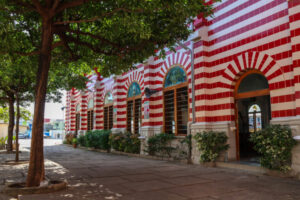












Had no idea the palace grounds were so huge and packed with history; wandering through those courtyards really gives you chills thinking about the kings who once ruled there. The quiet streets felt like stepping back in time, but that heat and dusty air definitely hit harder than I expected.