 Botswana : Safety by City
Botswana - safety as a country
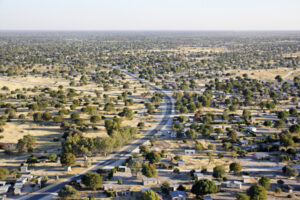
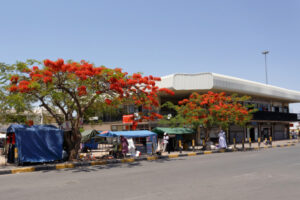
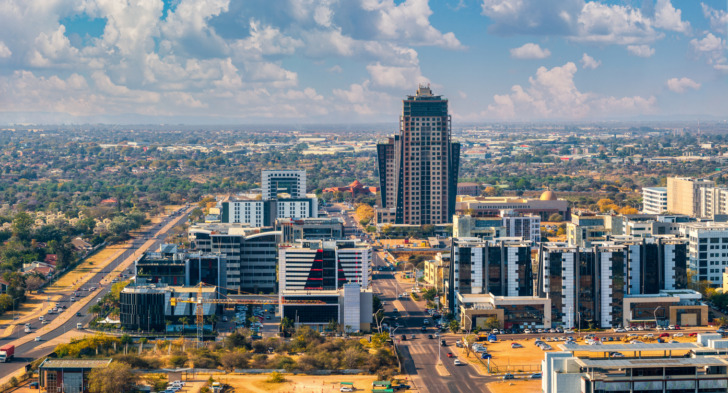
Gaborone is Botswana’s capital and largest city, sitting in the country’s southeast just a short drive from the border with South Africa.
It is a young capital by African standards, having expanded rapidly after Botswana gained independence in 1966, and today it mixes government buildings, malls, residential neighborhoods, restaurants, universities, and rocky hills with surprisingly easy access to nature.
Travelers often use Gaborone as a business stop or a gateway to the rest of Botswana, but the city itself has attractions such as the National Museum, Three Dikgosi Monument, Gaborone Game Reserve, and Kgale Hill.
Botswana is one of southern Africa’s more politically stable countries, but Gaborone is not crime-free.
Theft, robbery, car crime, dangerous driving, heat, and occasional wildlife encounters require more awareness than the city’s relaxed atmosphere initially suggests.
Warnings & Dangers in Gaborone

OVERALL RISK: MEDIUM
Gaborone is generally manageable for travelers, but it deserves a medium risk rating because theft, robbery, burglary, car crime, and occasional violent incidents occur. Most visits remain trouble-free when travelers use secure accommodation, avoid isolated areas after dark, keep valuables discreet, and use reliable transportation.

TRANSPORT & TAXIS RISK: MEDIUM
Traffic accidents are one of the more realistic dangers. Driving standards can be inconsistent, roads can be poorly lit outside central areas, and animals may wander onto roads. Use registered taxis or hotel-arranged drivers, wear seat belts, and avoid unnecessary long-distance driving after dark.

PICKPOCKETS RISK: MEDIUM
Pickpocketing and phone theft can occur around malls, bus stations, markets, nightlife areas, and crowded public events. Opportunistic theft is more common than sophisticated, organized pickpocketing. Keep phones and wallets secured and avoid placing valuables on restaurant tables or leaving bags unattended.

NATURAL DISASTERS RISK: LOW
Gaborone has a relatively low natural disaster risk. The more realistic problems are drought, extreme heat, thunderstorms, flash flooding, and occasional strong winds. Summer storms can produce heavy rain over short periods, while prolonged heat increases the risk of dehydration and heat exhaustion.

MUGGING RISK: MEDIUM
Muggings and armed robberies do occur, particularly after dark, around isolated parking areas, quiet streets, and poorly lit neighborhoods. Avoid walking alone late at night and do not display expensive jewelry, watches, phones, or cameras. If confronted by an armed robber, do not physically resist.

TERRORISM RISK: LOW
The terrorism risk in Gaborone is low. Botswana is politically stable and is not considered a major terrorism hotspot. Normal security awareness at government buildings, transport facilities, shopping centers, and large public events is enough. Crime and road accidents are considerably more relevant to ordinary travelers.

SCAMS RISK: MEDIUM
Scams are generally minor. Visitors may encounter inflated taxi fares, unofficial guides, fraudulent accommodation listings, fake tour offers, or people requesting money for unnecessary assistance. Confirm prices before accepting services, and book safari trips, transfers, and accommodation through established businesses.

WOMEN TRAVELERS RISK: MEDIUM
Women can travel safely in Gaborone, including solo travelers, but extra nighttime caution is sensible. Avoid walking alone on quiet streets, use trusted transport after dark, watch drinks carefully, and choose secure accommodation. Harassment can occur, although it is not an unavoidable part of visiting the city.

TAP WATER RISK: MEDIUM
Municipal tap water in Gaborone is treated, but water quality and taste can vary, especially during supply interruptions or drought conditions. Many visitors drink it without problems, but bottled or filtered water is a safer choice for travelers with sensitive stomachs. Ask your accommodation about current conditions.
Safest Places to Visit in Gaborone
Three Dikgosi Monument
The Three Dikgosi Monument is one of Gaborone’s most recognizable landmarks and a good place to begin understanding Botswana’s modern political history.
It honors three chiefs who played an important role before independence.
The surrounding central business district is generally comfortable during daylight, with offices, restaurants, hotels, and regular security presence nearby.
Gaborone Game Reserve
Gaborone Game Reserve provides an unusual opportunity to see wildlife without traveling far from the capital.
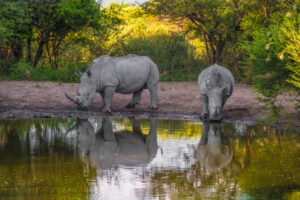
Depending on conditions, visitors may see impala, zebra, wildebeest, warthogs, monkeys, and numerous bird species.
Remain inside designated areas, follow reserve instructions, and never approach or feed wildlife.
National Museum and Main Mall Area
The National Museum and surrounding central streets provide an accessible introduction to Botswana’s history, art, archaeology, and culture.
Daylight visits are generally safe.
Keep valuables controlled in busier shopping areas and use a taxi if returning to accommodation after businesses begin closing.
Kgale Hill
Kgale Hill is one of Gaborone’s most popular outdoor destinations and offers broad views over the city.
The hike is manageable for many reasonably fit travelers, but heat, loose rock, baboons, and isolation require preparation.
Hike during daylight, preferably with other people, carry plenty of water, and avoid starting during the hottest afternoon hours.
Mokolodi Nature Reserve
Mokolodi Nature Reserve lies south of Gaborone and is one of the region’s best organized wildlife excursions.
Guided drives and other activities provide a safer way to experience Botswana’s wildlife than wandering through undeveloped areas independently.
Book official activities and follow guides closely around animals.
Places to Avoid in Gaborone
Isolated Streets After Dark
Gaborone’s crime risk rises after dark, especially away from malls, hotels, restaurants, and active commercial areas.
Avoid walking alone through quiet residential streets, vacant lots, or poorly lit roads.
Use a trusted taxi even for journeys that look short on a map.
Bus Rank Area Late at Night
The main bus and minibus areas can be extremely busy during the day and more uncomfortable after dark.
Crowds, luggage, money exchanges, and transportation confusion create opportunities for theft and overcharging.
Keep possessions close and arrange a pickup when arriving late.
Empty Parking Areas
Parking lots around malls, offices, hiking areas, and shopping centers become less secure once businesses close.
Do not sit in an isolated parked vehicle late at night and never leave bags, laptops, passports, or shopping visible inside a car.
Remote Kgale Hill Trails Near Sunset
Kgale Hill is popular during daylight, but isolated trails should be avoided as darkness approaches.
Getting lost, encountering baboons, slipping on rocky terrain, or being stranded without assistance becomes more problematic after sunset.
Start early enough to finish comfortably in daylight.
Unfamiliar Residential Outskirts
Gaborone does not have a simple set of tourist no-go neighborhoods, but visitors have little reason to wander through distant residential and industrial areas without local knowledge.
Stick to planned destinations and use reliable transportation rather than exploring peripheral streets randomly.
Safety Tips for Traveling to Gaborone
- Use trusted transportation after dark. Walking long distances at night is unnecessary in Gaborone. Arrange taxis through your hotel, restaurant, or established service. Confirm the vehicle before entering and avoid random drivers who approach aggressively near transport stations or nightlife areas.
- Keep valuables out of sight. Avoid displaying expensive watches, jewelry, cameras, or phones unnecessarily. Keep your smartphone away when standing beside roads or walking through crowded areas. Store passports, backup bank cards, and larger amounts of cash securely at your accommodation.
- Lock your vehicle properly. Vehicle break-ins and theft from cars are realistic concerns. Lock doors immediately after getting inside, keep windows closed in slow traffic when necessary, and never leave bags or electronics visible. Park in guarded or well-lit areas whenever possible.
- Avoid walking alone after dark. Central shopping and dining areas may feel comfortable in the evening, but surrounding streets can empty quickly. If restaurants, shops, and offices are closing, use a taxi rather than taking a long walk through unfamiliar neighborhoods.
- Prepare seriously for heat. Gaborone can become extremely hot, particularly from roughly October through March. Carry water, use sunscreen, wear a hat, and reduce strenuous outdoor activity during the hottest hours. Heat exhaustion can develop quickly when sightseeing or hiking Kgale Hill.
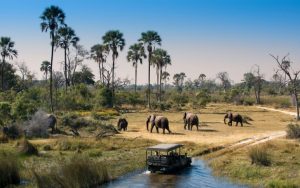
- Respect wildlife. Botswana’s wildlife does not stop at national park boundaries. Baboons, monkeys, snakes, and other animals may appear around hills, reserves, roads, and suburban edges. Never feed or approach wildlife. Keep food secured when hiking and give animals plenty of space.
- Drive carefully outside the city. Roads outside Gaborone may have livestock, wildlife, pedestrians, potholes, and vehicles without adequate lighting. Avoid long-distance driving at night whenever possible. Botswana’s distances are large, so plan fuel stops and do not underestimate fatigue.
- Carry some cash, but not too much. Cards are widely used at larger businesses, but cash remains useful for taxis, markets, tips, and smaller shops. Carry only what you need for the day and keep emergency funds separately. Use ATMs inside banks, malls, or other secure locations.
- Be cautious around demonstrations. Botswana is politically stable, but protests and labor actions can still occur. Avoid crowds forming around government buildings, roads, or police activity. Demonstrations may disrupt traffic even when they remain peaceful.
- Buy travel insurance that covers evacuation. Gaborone has better medical facilities than remote parts of Botswana, but serious injuries or illnesses may still require specialized treatment elsewhere. Choose insurance covering medical care, evacuation, road accidents, theft, cancellation, and any safari or outdoor activities included in your itinerary.
So... How Safe Is Gaborone Really?
Gaborone is relatively safe compared with many large regional capitals, but it is not a place where travelers should completely switch off their urban awareness.
Botswana’s political stability, functioning institutions, and established tourism industry make the country easier to navigate than many first-time visitors expect.
Crime is the main reason I would keep Gaborone at a medium overall risk rather than low.
Theft from vehicles, burglary, robbery, phone theft, and occasional violent crime occur.
Visitors are most vulnerable when walking alone after dark, using isolated parking areas, displaying expensive electronics, or carrying large amounts of cash.
Road safety deserves just as much attention.
Traffic accidents are a serious risk throughout Botswana.
Night driving outside Gaborone becomes particularly dangerous because of poor visibility and animals wandering onto roads.
The environmental side is usually manageable.
Gaborone is not prone to major earthquakes or tropical cyclones, but extreme heat, drought, thunderstorms, and occasional flooding can affect travelers.
Outdoor activities such as Kgale Hill should be scheduled around the temperature rather than around a packed sightseeing itinerary.
I assess that Gaborone is medium risk overall but perfectly manageable for prepared visitors.
Families, business travelers, couples, and experienced solo travelers can visit comfortably.
Stay in secure accommodation, use trusted taxis at night, keep valuables hidden, and take road safety seriously.
How Does Gaborone Compare?
| City | Safety Index |
|---|---|
| Gaborone |
74 |
| Francistown |
72 |
| Kasane |
84 |
| Jwaneng |
82 |
| Serowe |
79 |
| Maun |
82 |
| Palapye |
76 |
 Ottumwa Ottumwa | 51 |
| Framingham | 74 |
 Glasgow Glasgow | 60 |
| Irvine | 82 |
| Kalispell | 74 |
 Shoal Bay Village Shoal Bay Village | 88 |
Useful Information

Visas
Citizens of many countries, including the United States, the United Kingdom, European Union members, Canada, and Australia, can generally visit Botswana without a tourist visa for stays of up to 90 days. Travelers who require a visa should apply before departure. Passports should normally remain valid for at least six months beyond entry.

Currency
Gaborone uses the Botswana pula. Cards are accepted at hotels, shopping centers, supermarkets, restaurants, and larger businesses, but cash remains useful for markets, taxis, tips, and smaller purchases. ATMs are widely available. Use machines inside secure locations and avoid carrying large quantities of cash.

Weather
Gaborone has hot summers and dry, mild winters. October through March can be extremely hot, with summer thunderstorms and occasional heavy rain. May through August brings cooler, drier weather and chilly nights. Pack sunscreen, a hat, lightweight clothing, and a warm layer during winter.

Airports
Sir Seretse Khama International Airport is Gaborone’s main airport and lies roughly 15 kilometers north of the city center. Taxis, hotel transfers, rental cars, and private drivers are the easiest options. Arrange late-night airport transportation in advance rather than relying on finding a ride after arrival.

Travel Insurance
Travel insurance is strongly recommended for Gaborone and especially for travelers continuing on safari elsewhere in Botswana. Choose coverage for medical care, evacuation, road accidents, cancellation, theft, and lost luggage. Confirm that wildlife activities, safari drives, and any planned hiking are included in the policy.
Gaborone Weather Averages (Temperatures)
Average High/Low Temperature
| Temperature / Month | Jan | Feb | Mar | Apr | May | Jun | Jul | Aug | Sep | Oct | Nov | Dec |
|---|---|---|---|---|---|---|---|---|---|---|---|---|
| High °C |
32 | 32 | 31 | 28 | 26 | 23 | 23 | 27 | 31 | 32 | 33 | 32 |
| Low °C |
20 | 20 | 18 | 13 | 8 | 4 | 4 | 8 | 13 | 17 | 19 | 20 |
| High °F |
90 | 90 | 88 | 82 | 79 | 73 | 73 | 81 | 88 | 90 | 91 | 90 |
| Low °F |
68 | 68 | 64 | 55 | 46 | 39 | 39 | 46 | 55 | 63 | 66 | 68 |
Botswana - Safety by City
| City | Safety Index |
|---|---|
| Francistown | 72 |
| Gaborone | 74 |
| Jwaneng | 82 |
| Kasane | 84 |
| Maun | 82 |
| Palapye | 76 |
| Serowe | 79 |