 Botswana : Safety by City
Botswana - safety as a country
Kasane sits in the far northeast of Botswana where four southern African countries almost meet, making it one of the region’s most interesting travel hubs.
The town stretches along the Chobe River beside Chobe National Park, with Namibia across the water and Zambia and Zimbabwe only a short drive away.
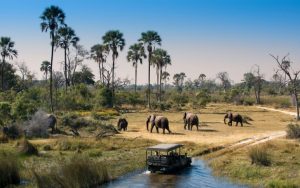
Elephants, warthogs, baboons, and other wildlife occasionally wander surprisingly close to hotels, roads, and residential areas, so Kasane feels more like the edge of a safari reserve than an ordinary town.
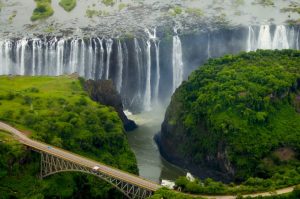
It is also a popular base for trips to Victoria Falls.
Kasane is generally safe for tourists, although Botswana currently requires increased caution because of crime.
Here, however, wildlife, malaria, road accidents, river activities, and opportunistic theft are often more practical concerns than serious street violence.
Warnings & Dangers in Kasane

OVERALL RISK: MEDIUM
Kasane is generally comfortable for tourists, particularly around established lodges, restaurants, shopping areas, and organized safari operations. Botswana nevertheless experiences theft, burglary, robbery, and vehicle-related crime. Avoid unnecessary nighttime walking, keep accommodation doors locked, protect valuables, and remember that wild animals regularly move around the town.

TRANSPORT & TAXIS RISK: MEDIUM
Taxis and hotel transfers are widely used, but road conditions and driving behavior require caution. Animals frequently cross roads around Kasane, especially after dark. Elephants can appear directly beside highways. Avoid nighttime driving when possible, wear seat belts, and use experienced drivers for longer journeys or international border transfers.

PICKPOCKETS RISK: MEDIUM
Petty theft and crimes of opportunity occur in Botswana. Kasane’s shops, transportation areas, border crossings, restaurants, and busy tourism facilities deserve ordinary awareness. Keep phones and wallets secure, avoid leaving bags unattended, and never leave passports, cameras, or luggage visible inside a parked vehicle.

NATURAL DISASTERS RISK: MEDIUM
Kasane can experience extreme heat, thunderstorms, seasonal flooding, drought, and occasional wildfire conditions. Water levels in the Chobe River fluctuate significantly with the seasons. Severe rain may affect unpaved roads and safari tracks. Heat and dehydration are particularly important concerns during outdoor activities in the hotter months.

MUGGING RISK: MEDIUM
Muggings are possible in Botswana, although established tourist areas of Kasane are generally calmer than larger urban centers. Avoid walking alone through quiet streets after dark and do not carry large amounts of cash or conspicuous jewelry. If confronted by an armed robber, surrender property rather than resisting.

TERRORISM RISK: LOW
Terrorism is not a significant everyday concern in Kasane. Botswana is politically stable and does not currently face a major terrorism threat affecting ordinary tourists. Travelers should maintain normal awareness around airports, border crossings, and crowded public spaces, but wildlife, crime, road safety, and health are much more relevant concerns.

SCAMS RISK: MEDIUM
Visitors may encounter inflated taxi prices, questionable safari offers, unofficial guides, or unclear border-transfer charges. Book game drives, boat cruises, and international excursions through established operators. Confirm what is included before paying, particularly park fees, transportation, meals, border assistance, and entrance costs for Victoria Falls excursions.

WOMEN TRAVELERS RISK: MEDIUM
Many women travel through Kasane safely, including solo safari travelers. However, sexual assault and harassment occur in Botswana, so standard precautions remain important. Avoid isolated nighttime walking, use trusted transportation, watch drinks, and choose established accommodation. Remote safari and river activities should be arranged through reputable operators.

TAP WATER RISK: MEDIUM
Tap water in larger Botswana towns is generally treated, but travelers may still experience stomach problems because of differences in water treatment, storage, or plumbing. Bottled or properly filtered water is the safer choice for sensitive visitors. Staying well hydrated is essential because Kasane can become extremely hot.
Safest Places to Visit in Kasane
Chobe National Park
Chobe National Park begins only about 10 kilometers from Kasane and is the area’s main attraction.
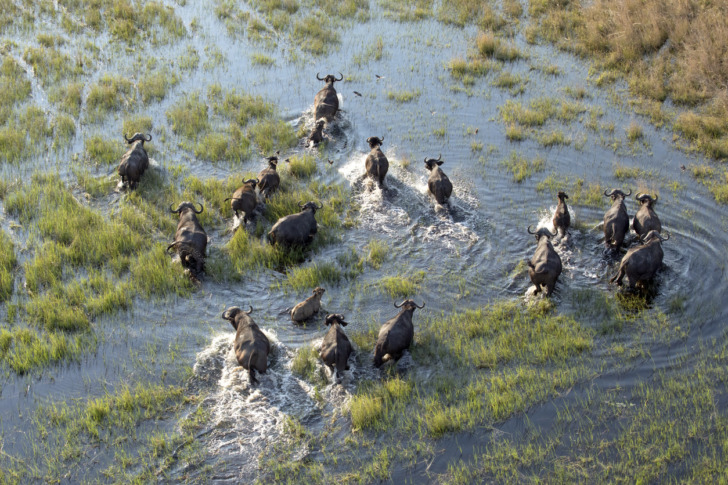
Covering roughly 11,700 square kilometers, the park is famous for enormous concentrations of elephants, buffalo, hippos, crocodiles, and other wildlife.
Organized game drives are generally very safe when visitors stay inside vehicles and follow their guide’s instructions.
Chobe Riverfront
The Chobe Riverfront is one of Africa’s great wildlife-viewing areas.
Boat cruises regularly encounter elephants, hippos, crocodiles, buffalo, and abundant birdlife.
Use established operators, remain seated when instructed, and never put hands or feet into the water.
Hippos and crocodiles make independent swimming completely inappropriate.
Central Kasane
The central commercial area contains supermarkets, restaurants, banks, hotels, pharmacies, and tourism businesses.
It is generally comfortable during daylight.
Keep ordinary control of valuables and use transportation after dark instead of walking long distances along poorly lit roads.
Established Safari Lodges
Kasane has numerous established lodges along the river and around town.
These properties are among the easiest places for first-time safari travelers because staff can arrange game drives, boat cruises, transfers, and border trips.
Follow lodge instructions concerning wildlife, particularly after dark.
Kazungula Area
Kazungula connects Botswana with Zambia across the Kazungula Bridge and is an important route for travelers heading toward Livingstone and Victoria Falls.
The official crossing is heavily used and generally straightforward.
Keep documents secure and use recognized transport services rather than accepting unsolicited offers.
Places to Avoid in Kasane
Bush Areas After Dark
Do not walk through undeveloped land after sunset.
This advice has as much to do with elephants, buffalo, and other animals as it does with crime.
Wildlife regularly moves outside Chobe National Park, and an elephant encountered unexpectedly on foot can be extremely dangerous.
Chobe Riverbanks Without a Guide
Do not approach isolated riverbanks casually.
Hippos, crocodiles, elephants, and buffalo may be present even when you cannot immediately see them.
Use established viewing areas, lodges, and organized boat excursions.
Quiet Streets Late at Night
Kasane does not have a famous tourist no-go neighborhood, but empty roads become less advisable after dark.
Poor lighting, occasional crime, wildlife, and limited pedestrian infrastructure make a taxi the better option for nighttime transportation.
Unofficial Border Routes
Botswana, Namibia, Zambia, and Zimbabwe come together within a remarkably small area, but travelers must still use official immigration points.
Never attempt to cross rivers, bush tracks, or unofficial routes simply because another country appears geographically close.
Animals Along the Roadside
An elephant beside the road is not an invitation to stop directly next to it for photographs.
Give wildlife considerable space, remain inside the vehicle, and allow animals to cross.
Never position your vehicle between an adult elephant and its calf.
Remote Safari Tracks Without Preparation
Self-driving can be rewarding, but entering remote sections of Chobe without appropriate equipment, fuel, water, navigation, and experience can become dangerous.
Deep sand and rough tracks may require four-wheel drive, particularly away from the main riverfront routes.
Safety Tips for Traveling to Kasane
- Never approach elephants on foot. Kasane is unusual because elephants can appear outside the national park, sometimes close to hotels and roads. Give them enormous space. If an elephant blocks your path, retreat rather than attempting to squeeze past it. Mothers with calves deserve particular caution.
- Do not walk around town casually after dark. Even if crime were not an issue, wildlife makes nighttime walking a poor idea. Elephants and other animals may move through undeveloped parts of Kasane after sunset. Use lodge transfers, recognized taxis, or your own vehicle instead.
- Take malaria prevention seriously. Kasane and the Chobe region lie in a malaria-risk area. Discuss preventive medication with a travel-health professional before departure. Use insect repellent, wear long sleeves and trousers around dusk, and sleep in screened or air-conditioned accommodation whenever possible.
- Never swim in the Chobe River. Hippos and crocodiles are common. Both can be extremely dangerous, and clear-looking water does not make swimming safe. Enjoy the river from a boat, lodge deck, or recognized viewing point rather than entering it.
- Keep valuables out of vehicles. Vehicle break-ins and opportunistic theft occur in Botswana. Do not leave cameras, phones, passports, backpacks, or shopping bags visible when parking. Keep car doors locked while driving in populated areas and use secure hotel storage for unnecessary valuables.
- Avoid nighttime driving. Animals, pedestrians, livestock, poorly illuminated vehicles, and limited lighting make nighttime roads substantially more hazardous. Plan trips to Zimbabwe, Zambia, Namibia, or other parts of Botswana so the majority of driving occurs during daylight.
- Use reputable safari operators. A safari guide is responsible not only for finding animals but also for understanding their behavior. Established operators maintain appropriate distances, communicate with other guides, carry emergency equipment, and know when an animal’s behavior means it is time to move away.
- Prepare carefully for border trips. Kasane makes trips to Victoria Falls remarkably easy, but crossing into Zimbabwe or Zambia means entering another country. Carry your passport, check visa requirements for every nationality in your group, and confirm whether your transportation and insurance remain valid across the border.
- Protect yourself from heat and sun. Temperatures can climb well above 30°C, and open safari vehicles provide significant sun exposure. Carry water, use sunscreen, wear a hat, and consider long lightweight clothing. Early morning and late afternoon game drives are generally more comfortable.
- Keep emergency medical coverage. Kasane has medical facilities, but serious illness or safari injuries may require evacuation to a larger regional center or another country. Insurance should cover emergency treatment, evacuation, safari activities, river excursions, road accidents, and cross-border travel.
So... How Safe Is Kasane Really?
Kasane is one of those places where understanding the type of danger matters more than simply looking at a national crime rating.
Botswana currently carries an increased-caution rating because petty crime, break-ins, muggings, home invasions, and vehicle theft occur nationally.
Visitors should not become careless simply because they are on safari.
However, Kasane is heavily oriented toward tourism and is generally comfortable for visitors using established hotels, lodges, safari companies, and transportation.
Wildlife changes the equation considerably.
Chobe National Park is famous for its elephants, and large numbers congregate along the Chobe River during the dry season.
Elephants also move through the wider Kasane area.
Hippos and crocodiles inhabit the river, while buffalo and other potentially dangerous animals occur nearby.
Malaria is another significant practical risk, especially during warmer and wetter periods.
The result is a destination where a traveler is more likely to need advice about elephants, mosquitoes, heat, boats, and nighttime driving than about avoiding specific criminal neighborhoods.
I rate Kasane as medium risk overall, but it remains an excellent and very manageable safari destination.
Use trusted operators, avoid walking after dark, respect wildlife completely, protect yourself from mosquitoes, and secure your valuables.
How Does Kasane Compare?
| City | Safety Index |
|---|---|
| Kasane |
84 |
| Maun |
82 |
| Palapye |
76 |
| Gaborone |
74 |
| Francistown |
72 |
| Serowe |
79 |
| Jwaneng |
82 |
 Elkins Elkins | 77 |
| Stateline | 76 |
| Wilson | 93 |
| Carlsbad | 74 |
| Frontenac | 72 |
 Makati Makati | 60 |
Useful Information

Visas
Botswana’s visa requirements depend on nationality. Citizens of many countries can enter for short tourism visits without obtaining a visa in advance, while visa-required travelers can apply electronically or through Botswana diplomatic missions. Visa applications generally require a passport with at least six months of validity, accommodation details, and an itinerary.

Currency
Kasane uses the Botswana pula. South African rand and major foreign currencies may sometimes be accepted by tourism businesses, but pula is preferable for everyday purchases. Cards are widely accepted at established lodges, supermarkets, restaurants, and safari companies. Carry some cash for smaller businesses, tips, and unexpected payment-system failures.

Weather
Kasane has hot summers and warm, dry winters. Roughly May through August brings cooler, dry conditions and excellent wildlife viewing, while the hottest months can exceed 35°C. The wetter season generally runs from November into March. Lightweight clothing, sunscreen, insect repellent, a hat, and a warm layer for winter morning safaris are useful.

Airports
Kasane International Airport sits only a few kilometers from the town and is one of Botswana’s most convenient safari gateways. Flights connect Kasane with regional hubs and other Botswana destinations. Many lodges provide airport transfers. Kasane is also well positioned for road transfers to Victoria Falls, Livingstone, and Namibia.

Travel Insurance
Comprehensive travel insurance is strongly recommended. Your policy should cover emergency medical treatment, medical evacuation, safari activities, boat excursions, road accidents, theft, trip cancellation, and cross-border travel. If your itinerary includes Zimbabwe, Zambia, or Namibia, confirm that every country is specifically covered.
Kasane Weather Averages (Temperatures)
Average High/Low Temperature
| Temperature / Month | Jan | Feb | Mar | Apr | May | Jun | Jul | Aug | Sep | Oct | Nov | Dec |
|---|---|---|---|---|---|---|---|---|---|---|---|---|
| High °C |
29 | 29 | 30 | 30 | 29 | 27 | 27 | 31 | 35 | 37 | 34 | 31 |
| Low °C |
19 | 18 | 18 | 17 | 14 | 12 | 11 | 14 | 18 | 21 | 21 | 20 |
| High °F |
84 | 84 | 86 | 86 | 84 | 81 | 81 | 88 | 95 | 99 | 93 | 88 |
| Low °F |
66 | 64 | 64 | 63 | 57 | 54 | 52 | 57 | 64 | 70 | 70 | 68 |
Botswana - Safety by City
| City | Safety Index |
|---|---|
| Francistown | 72 |
| Gaborone | 74 |
| Jwaneng | 82 |
| Kasane | 84 |
| Maun | 82 |
| Palapye | 76 |
| Serowe | 79 |