 Botswana : Safety by City
Botswana - safety as a country
Serowe is one of Botswana’s most historically important towns, sitting in the country’s Central District roughly 300 kilometers north of Gaborone.
It is best known as the traditional capital of the Bamangwato people and the birthplace of Sir Seretse Khama, Botswana’s first president.
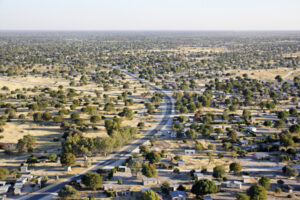
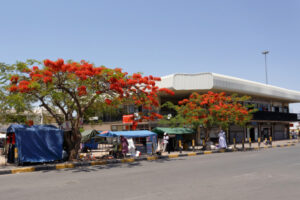
The town has a much quieter feel than Gaborone, with broad roads, low-rise buildings, residential neighborhoods, local markets, and easy access to rural landscapes.
Visitors usually come for the Khama III Memorial Museum, royal history, and nearby Khama Rhino Sanctuary, one of Botswana’s most rewarding wildlife stops outside the major safari regions.
Serowe is generally safe, especially during daylight, and serious crime against tourists is uncommon.
The bigger practical risks are road accidents, nighttime driving, heat, theft from vehicles, poor lighting, and wildlife encounters outside town.
Warnings & Dangers in Serowe

OVERALL RISK: LOW
Serowe is a low-risk destination for most travelers. It is quieter than Botswana’s capital and sees less tourist-targeted crime. Petty theft, burglary, and occasional robbery still occur, so valuables should remain discreet. Road safety, heat, and wildlife are more likely to cause problems than serious street crime.

TRANSPORT & TAXIS RISK: MEDIUM
Transportation is one of Serowe’s main safety concerns. Local taxis are generally usable, but long-distance road travel requires caution. Roads outside town may be poorly lit, livestock frequently wander onto them, and drivers can encounter potholes or animals unexpectedly. Avoid unnecessary driving after dark.

PICKPOCKETS RISK: LOW
Pickpocketing is uncommon in Serowe. Markets, bus areas, shops, and public gatherings are the most likely places for opportunistic theft. Keep wallets and phones secured, but visitors generally do not need the same level of anti-pickpocket vigilance required in major tourist cities.

NATURAL DISASTERS RISK: LOW
Serowe has a low natural disaster risk. Extreme heat, drought, thunderstorms, flash flooding, and strong winds are the main environmental concerns. Summer storms can arrive quickly, while high temperatures increase dehydration risk. Avoid flooded roads and carry more water than you think you will need.

MUGGING RISK: LOW
Muggings are relatively uncommon, particularly in central Serowe during daylight. Risk increases on isolated roads, around empty commercial areas, and after dark. Avoid walking alone late at night and keep expensive watches, jewelry, cameras, and phones out of sight when possible.

TERRORISM RISK: LOW
The terrorism risk in Serowe is low. Botswana remains politically stable and is not considered a major terrorism hotspot. Ordinary awareness around government buildings, major public events, transportation areas, and crowded gatherings is sufficient.

SCAMS RISK: LOW
Tourist scams are not a major problem in Serowe. The most likely issues involve inflated taxi fares, unofficial tour offers, or misunderstandings over prices. Confirm transportation costs before leaving and arrange wildlife activities through established lodges, reserves, or recognized tour operators.

WOMEN TRAVELERS RISK: LOW
Serowe is generally safe for women, including solo travelers. Harassment is not a major tourism problem, although normal precautions still apply. Avoid isolated streets after dark, use trusted transport for late journeys, and choose accommodation with good security and reliable staff.

TAP WATER RISK: MEDIUM
Municipal tap water is treated, but water quality and supply can vary during droughts or interruptions. Many visitors drink it without problems, but bottled or filtered water is a safer choice for those with sensitive stomachs. Ask your accommodation about current local conditions before drinking directly from the tap.
Safest Places to Visit in Serowe
Khama III Memorial Museum
The Khama III Memorial Museum is one of Serowe’s main attractions and provides an excellent introduction to the history of the Bamangwato people and Botswana’s political development.
The area is generally safe during daylight.
Keep valuables secured and use established transportation if your accommodation is located outside central Serowe.
Serowe Village Center
Central Serowe contains shops, restaurants, banks, local businesses, and public services.
It is generally comfortable during the day and gives visitors a good sense of everyday life in Botswana.
Traffic and heat deserve more attention here than crime.
Use pedestrian crossings where possible and carry water.
Royal Cemetery Area
Serowe has strong connections to Botswana’s royal and political history, and several important historical sites are located around the town.
Visit during daylight, behave respectfully, and follow any local rules regarding photography or access to culturally significant locations.
Khama Rhino Sanctuary
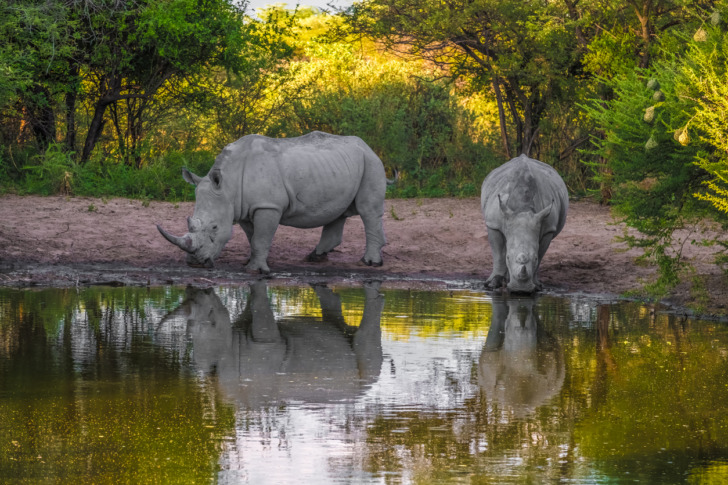
Khama Rhino Sanctuary lies roughly 25 kilometers north of Serowe and is one of the best wildlife attractions in central Botswana.
The reserve protects rhinos, zebras, giraffes, wildebeest, antelope, and numerous bird species.
Follow reserve rules, remain in designated areas, and never approach wildlife outside supervised activities.
Local Markets
Serowe’s markets are good places to experience daily life, buy food, and browse local goods.
Visit during busy daytime hours, carry smaller amounts of cash, and keep your phone secure in crowded sections.
Serious crime is unlikely, but ordinary market awareness is sensible.
Places to Avoid in Serowe
Isolated Roads After Dark
Serowe becomes much quieter at night, and street lighting can be limited away from central areas.
Avoid long nighttime walks along empty roads.
Use a taxi or private vehicle instead, particularly if you are unfamiliar with the town.
Rural Roads at Night
This is one of the most important precautions around Serowe.
Cattle, donkeys, goats, and wildlife may enter roads with little warning.
Visibility can be poor, and animals are difficult to see until they are directly in front of a vehicle.
Complete long drives before sunset whenever possible.
Empty Parking Areas
Isolated parking areas can create opportunities for theft from vehicles.
Do not leave luggage, phones, cameras, passports, or shopping visible inside a car.
At wildlife sites, take valuable items with you or store them securely before arriving.
Remote Bushland Without a Guide
The countryside around Serowe may look easy to explore, but rural areas can contain wildlife, rough terrain, heat exposure, and weak mobile reception.
Avoid wandering into unfamiliar bushland without local guidance, proper water supplies, and a clear route.
Flooded Roads
Heavy summer rain can cause water to cross low roads and drainage areas.
Never drive into floodwater simply because another vehicle has gone through.
Water depth can be deceptive, road surfaces may be damaged underneath, and vehicles can become stranded quickly.
Safety Tips for Traveling to Serowe
- Avoid driving long distances after dark. Night driving is one of the most preventable risks in Botswana. Livestock and wildlife may wander onto roads, visibility can be limited, and roadside assistance may take time. Plan your journeys so you reach Serowe, Gaborone, or your next destination before sunset.
- Carry plenty of drinking water. Serowe can become extremely hot, especially during the warmer months. Keep water in your vehicle and carry a bottle while sightseeing. Heat exhaustion can develop quickly when walking outdoors, particularly around midday.
- Do not leave valuables in your car. Vehicle theft and break-ins are more realistic than violent tourist crime. Keep the interior empty whenever possible. Do not leave cameras, laptops, bags, passports, or wallets visible, even when parking for a short time.
- Respect livestock on the roads. Cattle are part of everyday life in Botswana and frequently cross roads without warning. Reduce speed when driving outside town, especially around villages and grazing areas. Never assume an animal will move away from an approaching vehicle.
- Treat wildlife seriously. At Khama Rhino Sanctuary and other nature areas, stay inside your vehicle or designated zones unless a guide says otherwise. Rhinos, giraffes, antelope, snakes, and other animals are wild, not attractions designed for close selfies.
- Use trusted transport at night. If you are going to a restaurant, lodge, or social event after dark, arrange a taxi or driver rather than walking unfamiliar streets. Ask your accommodation to recommend someone reliable and confirm the fare before leaving.
- Carry some cash. Cards work at many supermarkets, fuel stations, hotels, and larger businesses, but cash remains useful for markets, taxis, tips, and smaller shops. Carry only what you expect to spend and keep emergency money separately.
- Protect yourself from the sun. Use sunscreen, wear a hat, and limit strenuous outdoor activity during the hottest part of the day. Botswana’s dry heat can make dehydration less obvious because sweat evaporates quickly.
- Be cautious during thunderstorms. Summer thunderstorms can bring heavy rain, lightning, strong winds, and sudden flooding. Avoid standing under isolated trees, postpone outdoor wildlife activities if conditions deteriorate, and do not attempt to cross flooded roads.
- Have travel insurance for wildlife and road travel. Choose insurance that covers medical treatment, evacuation, road accidents, theft, cancellations, and wildlife activities. If you plan to continue deeper into Botswana on safari, confirm that remote-region evacuation and organized game drives are included.
So... How Safe Is Serowe Really?
Serowe is one of those destinations where the everyday safety picture is reassuringly simple.
It is a relatively quiet town without the dense nightlife, crowded transport hubs, or heavy tourism that often create higher crime risks.
Petty theft and burglary still exist, but international travelers are not commonly targeted for serious violence.
Visitors who keep valuables discreet, stay in secure accommodation, and avoid walking alone on empty streets late at night are unlikely to encounter major problems.
Road safety is much more important.
Botswana has long distances between towns, and animals frequently enter roads.
Driving after dark significantly increases the chance of hitting livestock or wildlife, which can cause serious accidents.
Heat is another underestimated issue.
Serowe can get very hot, and visitors from cooler climates may not realize how quickly dehydration sets in.
Wildlife deserves respect as well, particularly when visiting Khama Rhino Sanctuary.
Organized reserves are safe when rules are followed, but approaching animals independently is unnecessary and dangerous.
I assess that Serowe deserves a low overall risk rating.
It suits families, couples, solo travelers, women traveling alone, and road-trippers exploring central Botswana.
Use ordinary crime precautions, avoid night driving, carry plenty of water, and Serowe is a comfortable and rewarding stop.
How Does Serowe Compare?
| City | Safety Index |
|---|---|
| Serowe |
79 |
| Jwaneng |
82 |
| Palapye |
76 |
| Maun |
82 |
| Kasane |
84 |
| Francistown |
72 |
| Gaborone |
74 |
 Piscataquog Piscataquog | 73 |
 Tokyo Tokyo | 90 |
 Goris Goris | 78 |
 Baku Baku | 65 |
| Blacksburg | 79 |
| Murfreesboro | 78 |
Useful Information

Visas
Citizens of many countries, including the United States, the United Kingdom, European Union members, Canada, and Australia, can generally visit Botswana visa-free for tourism for up to 90 days. Travelers who require a visa should arrange it before departure. Passports should normally remain valid for at least six months beyond entry.

Currency
Serowe uses the Botswana pula. Cards are accepted at supermarkets, fuel stations, larger shops, hotels, and established restaurants, but cash remains important for smaller businesses, markets, taxis, and tips. ATMs are available, although travelers heading into rural areas should withdraw money before leaving town.

Weather
Serowe has hot summers and dry, cooler winters. October through March can be extremely warm, with summer thunderstorms and occasional heavy rain. Winter days are usually pleasant, but nights can become surprisingly cold. Pack sunscreen, a hat, lightweight clothing, and a warmer layer for evenings.

Airports
Serowe does not have a major commercial passenger airport. Most international visitors arrive through Sir Seretse Khama International Airport in Gaborone and continue north by road. The drive from Gaborone to Serowe generally takes around four hours, depending on traffic, stops, and road conditions.

Travel Insurance
Travel insurance is strongly recommended, particularly if Serowe forms part of a longer Botswana road trip or safari. Choose coverage for medical treatment, emergency evacuation, vehicle accidents, theft, cancellations, and wildlife activities. Remote-area travelers should make sure evacuation from locations far from major hospitals is included.
Serowe Weather Averages (Temperatures)
Average High/Low Temperature
| Temperature / Month | Jan | Feb | Mar | Apr | May | Jun | Jul | Aug | Sep | Oct | Nov | Dec |
|---|---|---|---|---|---|---|---|---|---|---|---|---|
| High °C |
30 | 30 | 29 | 27 | 25 | 22 | 21 | 25 | 30 | 32 | 31 | 31 |
| Low °C |
20 | 20 | 19 | 16 | 13 | 10 | 9 | 11 | 16 | 18 | 20 | 20 |
| High °F |
86 | 86 | 84 | 81 | 77 | 72 | 70 | 77 | 86 | 90 | 88 | 88 |
| Low °F |
68 | 68 | 66 | 61 | 55 | 50 | 48 | 52 | 61 | 64 | 68 | 68 |
Botswana - Safety by City
| City | Safety Index |
|---|---|
| Francistown | 72 |
| Gaborone | 74 |
| Jwaneng | 82 |
| Kasane | 84 |
| Maun | 82 |
| Palapye | 76 |
| Serowe | 79 |