 Botswana : Safety by City
Botswana - safety as a country
Jwaneng is an unusual destination in southern Botswana.
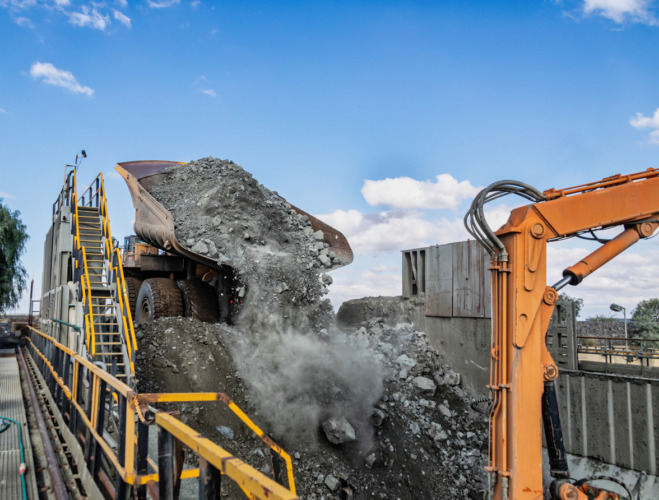
About 160 kilometers west of Gaborone, the town exists largely because of the enormous Jwaneng Diamond Mine, one of the richest diamond mines in the world by value.
That mining wealth has given Jwaneng better infrastructure and a more organized feel than many towns of a similar size.
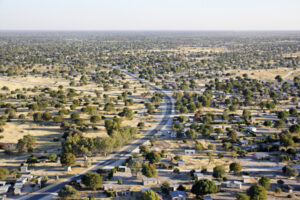
It is surrounded by the dry Kalahari landscape, where thorn trees, open scrubland, livestock, and wildlife quickly replace the compact urban area.
Jwaneng is not one of Botswana’s major tourism centers, so visitors generally come for work, business, mine-related activities, or as part of an overland journey.
Crime requires some awareness, but road accidents, animals on highways, extreme heat, and restricted mining areas are equally important safety considerations.
Warnings & Dangers in Jwaneng

OVERALL RISK: MEDIUM
Jwaneng is reasonably safe for prepared travelers, but Botswana has enough property crime, break-ins, robberies, and vehicle theft to justify extra caution. The town’s mining presence creates significant security around important facilities. Avoid displaying valuables, secure accommodation properly, and be especially careful when driving outside town after dark.

TRANSPORT & TAXIS RISK: MEDIUM
Road travel is one of the bigger risks. Highways can be dark, narrow, and fast-moving, with livestock, wildlife, pedestrians, and broken-down vehicles appearing unexpectedly. Traffic drives on the left. Avoid long-distance nighttime driving and use established taxis or trusted drivers rather than accepting informal transportation from strangers.

PICKPOCKETS RISK: MEDIUM
Pickpocketing and opportunistic theft can occur around shops, transportation areas, bars, ATMs, and busy public spaces. Keep phones and wallets out of easy reach and avoid leaving bags unattended. Theft from parked vehicles is particularly important, so remove luggage and electronics rather than simply hiding them under seats.

NATURAL DISASTERS RISK: MEDIUM
Jwaneng has a hot, semi-arid climate where extreme heat, drought, thunderstorms, lightning, flash flooding, and bushfires are possible. Summer temperatures can become exhausting, particularly during outdoor activities. Heavy thunderstorms may temporarily flood roads because dry ground does not always absorb intense rainfall quickly.

MUGGING RISK: MEDIUM
Robbery and mugging are possible in Botswana, although Jwaneng’s smaller size means visitors are less exposed than in major urban centers. Avoid isolated streets, poorly lit areas, and unnecessary nighttime walking. Do not resist if confronted by an armed criminal, since escalating a robbery over replaceable belongings is never worth it.

TERRORISM RISK: LOW
The terrorism risk in Jwaneng is low. Botswana has no significant recent pattern of terrorist attacks targeting tourists, and Jwaneng is primarily a mining and residential town. Security around the diamond industry is strict, however, so visitors should respect controlled areas and never behave suspiciously around mine infrastructure.

SCAMS RISK: LOW
Tourist-oriented scams are uncommon because Jwaneng receives relatively few leisure tourists. Possible problems include informal transport overcharging, questionable accommodation listings, fake business arrangements, or people requesting money. Confirm prices before accepting services and use established companies for accommodation, transportation, and mine-related visits.

WOMEN TRAVELERS RISK: MEDIUM
Women can travel safely in Jwaneng, including independently, but nighttime caution is advisable. Avoid isolated walking routes, arrange dependable transportation after dark, and take normal precautions around alcohol and unfamiliar people. Solo women driving long distances should try to complete highway journeys before sunset.

TAP WATER RISK: LOW
Municipal water in established urban areas such as Jwaneng is generally treated, although taste and building storage conditions can vary. Visitors with sensitive stomachs may prefer bottled or properly filtered water. Hydration is particularly important because Botswana’s dry climate can cause substantial fluid loss without producing obvious sweating.
Safest Places to Visit in Jwaneng
Central Jwaneng
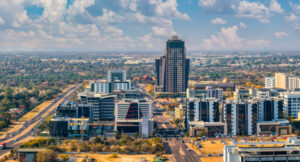
The central commercial and residential parts of Jwaneng are generally the easiest areas for visitors.
Shops, supermarkets, restaurants, banks, fuel stations, and accommodation are concentrated here.
Daytime movement is straightforward, and the town is relatively easy to navigate.
Keep normal control of valuables and avoid carrying unnecessary cash.
Jwana Game Park
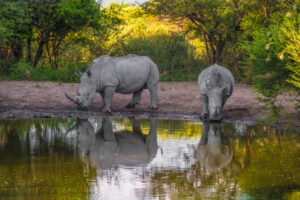
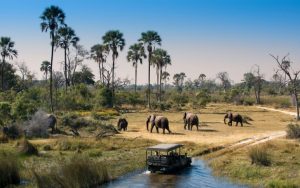
The protected wildlife area near Jwaneng offers a glimpse of Botswana’s natural environment without requiring a journey to the country’s famous northern safari regions.
Access conditions can vary, so visitors should confirm current arrangements before arriving.
Where entry is permitted, follow instructions carefully and remember that wild animals should never be approached simply because they appear accustomed to vehicles.
Jwaneng Mine Tours
The diamond mine is the feature that made Jwaneng internationally significant.
Visits are tightly controlled and require proper arrangements rather than simply arriving at the entrance.
Authorized visitors undergo security and safety procedures.
Photography and electronic devices can be restricted within high-security zones, and protective equipment may be required.
Town Recreation Areas
Jwaneng has sports facilities, restaurants, community areas, and social venues serving its substantial mining workforce.
These are generally comfortable places to spend time, particularly during daylight and early evening.
As elsewhere in Botswana, use more caution around bars late at night.
Places to Avoid in Jwaneng
Jwaneng does not have clearly defined tourist no-go neighborhoods.
Most places travelers should avoid are related to mining security, isolation, road hazards, or wildlife rather than permanently dangerous districts.
Restricted Mine Areas
Do not attempt to enter the Jwaneng Diamond Mine or surrounding controlled zones without authorization.
Diamond mining comes with exceptionally strict security.
Never photograph restricted infrastructure, cross fences, follow mine vehicles through controlled gates, or assume an apparently open road gives public access.
Remote Streets After Dark
The town becomes quiet quickly outside its main commercial areas.
Avoid walking alone through poorly illuminated outskirts or undeveloped areas late at night.
Use a vehicle or trusted taxi when your destination requires a longer nighttime journey.
Highways After Sunset
This is one of the areas I would most strongly avoid.
Cattle, donkeys, goats, wildlife, pedestrians, and stationary vehicles can be extremely difficult to see on unlit roads.
A collision with a large animal at highway speed can be catastrophic.
Bushland Without Local Knowledge
Do not wander casually into surrounding scrubland.
Besides becoming disoriented, visitors may encounter snakes, wildlife, intense heat, fires, or private and mining-controlled property.
Use established roads and recognized recreation areas.
Flooded Roads
Summer thunderstorms can produce short but intense rainfall.
Never drive through floodwater when you cannot judge its depth or road condition beneath the surface.
A vehicle can lose traction or become stranded surprisingly quickly.
Safety Tips for Traveling to Jwaneng
- Avoid driving between towns after dark. This is probably the most valuable practical advice for traveling around Jwaneng. Botswana’s highways contain livestock and wildlife, and many stretches have limited lighting. Plan drives between Gaborone, Jwaneng, Kang, and other destinations so you reach your accommodation before sunset.
- Never leave valuables inside your vehicle. Smash-and-grab theft and vehicle break-ins are concerns in Botswana. Take laptops, passports, cameras, phones, and luggage into your accommodation. Parking somewhere that looks secure is useful, but removing temptation is even better.
- Respect mine security completely. Jwaneng is not simply a town beside an ordinary industrial site. Diamonds require serious security. Follow every instruction at checkpoints, never photograph restricted areas without permission, and keep identification available if attending an authorized mine visit.
- Carry plenty of drinking water. The Kalahari environment is dry and can become extremely hot. Keep additional water in your vehicle, particularly when traveling between towns. Carrying several liters beyond what you expect to drink is sensible when driving long distances.
- Fill your fuel tank early. Distances between settlements can be substantial, and fuel availability should never be taken for granted on remote routes. Refill before the tank becomes low and check the distance to your next reliable fuel station before leaving Jwaneng.
- Watch carefully for animals. Cattle, goats, donkeys, and wildlife frequently appear beside or directly on Botswana’s roads. Reduce speed whenever animals are visible. Never assume they will move away from the vehicle predictably.
- Be discreet with cash and valuables. Avoid counting large amounts of money in public or displaying expensive electronics unnecessarily. Use ATMs during daylight, preferably at banks or busy commercial locations, and put cash away before leaving the machine.
- Prepare your vehicle for remote driving. Before longer journeys, check tires, spare tire, fuel, coolant, and basic emergency equipment. Keep a charged phone, drinking water, and offline navigation available. A minor mechanical problem becomes much more serious on an isolated road in extreme heat.
- Take heat exposure seriously. Wear lightweight clothing, sunscreen, sunglasses, and a hat when spending extended periods outdoors. Schedule strenuous activities earlier in the morning when possible. Headache, weakness, confusion, nausea, and dizziness can indicate dangerous heat illness rather than ordinary tiredness.
- Do not approach wildlife on foot. Botswana’s reputation for wildlife can encourage tourists to become overly confident. Even animals that appear relaxed can react quickly when threatened. Observe wildlife from an appropriate distance and follow instructions in protected areas.
So... How Safe Is Jwaneng Really?
Jwaneng has an interesting safety profile because it is neither a conventional tourist destination nor a large African city.
It is a planned mining town surrounded by a vast, sparsely populated landscape, and the presence of one of the world’s most valuable diamond operations creates unusually strong security around important infrastructure.
That does not eliminate ordinary crime.
Botswana experiences property theft, vehicle break-ins, robbery, and home invasions, so visitors should avoid becoming careless simply because Jwaneng feels quiet.
For most travelers, however, the highway is probably the bigger concern.
Rural Botswana has long stretches of two-lane road with limited lighting, high driving speeds, pedestrians, livestock, and wildlife.
Night driving dramatically reduces the amount of time available to react.
Heat is another underestimated danger.
Temperatures can rise sharply, distances are long, and the dry air makes dehydration surprisingly easy.
Anyone driving beyond Jwaneng should carry additional water and keep the fuel tank comfortably above empty.
Overall, I rate Jwaneng as medium risk.
It is not a dangerous destination for sensible travelers, but it rewards preparation.
Secure your belongings, respect mine security, drive during daylight, watch constantly for animals, and carry enough water for unexpected delays.
How Does Jwaneng Compare?
| City | Safety Index |
|---|---|
| Jwaneng |
82 |
| Gaborone |
74 |
| Palapye |
76 |
| Kasane |
84 |
| Francistown |
72 |
| Maun |
82 |
| Serowe |
79 |
 Davao City Davao City | 75 |
 Muharraq Muharraq | 76 |
 Buffalo Buffalo | 58 |
 Jasper Jasper | 90 |
 Bora Bora Bora Bora | 92 |
| Noblesville | 78 |
Useful Information

Visas
Botswana allows citizens of many countries, including the United States, United Kingdom, and numerous European nations, to enter without a tourist visa for short stays. Visitors are generally limited to a maximum of 90 days within a calendar year. Travelers from visa-required countries can apply through Botswana’s e-visa system. Passports should generally remain valid for at least six months.

Currency
Jwaneng uses the Botswana pula, abbreviated BWP. Cards are accepted at larger supermarkets, hotels, fuel stations, and established businesses, but carrying some cash remains useful. ATMs are available in town. Smaller pula denominations are convenient for taxis, minor purchases, tips, and roadside stops.

Weather
Jwaneng has a hot semi-arid climate. October through March can become extremely hot, with summer thunderstorms providing most annual rainfall. Winters from roughly May through August are dry, sunny, and comfortable during the day but surprisingly cold at night. Pack sun protection year-round and warmer layers for winter evenings.

Airports
Jwaneng Airport primarily supports mining and domestic operations rather than functioning as a major international gateway. Most international travelers arrive through Sir Seretse Khama International Airport near Gaborone and continue to Jwaneng by road, a journey of roughly two to three hours depending on conditions.

Travel Insurance
Travel insurance is strongly recommended, particularly for anyone driving extensively around Botswana. Coverage should include medical treatment, evacuation, road accidents, theft, vehicle-related incidents, trip interruption, and emergency transportation. Travelers combining Jwaneng with safari areas should confirm that wildlife activities and remote-area evacuation are included.
Jwaneng Weather Averages (Temperatures)
Average High/Low Temperature
| Temperature / Month | Jan | Feb | Mar | Apr | May | Jun | Jul | Aug | Sep | Oct | Nov | Dec |
|---|---|---|---|---|---|---|---|---|---|---|---|---|
| High °C |
32 | 32 | 31 | 28 | 25 | 23 | 22 | 26 | 29 | 32 | 32 | 32 |
| Low °C |
18 | 18 | 16 | 13 | 8 | 4 | 4 | 7 | 11 | 16 | 17 | 18 |
| High °F |
90 | 90 | 88 | 82 | 77 | 73 | 72 | 79 | 84 | 90 | 90 | 90 |
| Low °F |
64 | 64 | 61 | 55 | 46 | 39 | 39 | 45 | 52 | 61 | 63 | 64 |
Botswana - Safety by City
| City | Safety Index |
|---|---|
| Francistown | 72 |
| Gaborone | 74 |
| Jwaneng | 82 |
| Kasane | 84 |
| Maun | 82 |
| Palapye | 76 |
| Serowe | 79 |