 Bahrain : Safety by City
Bahrain - safety as a country
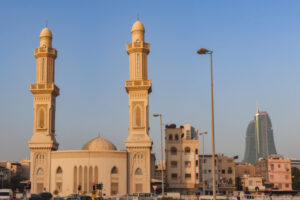
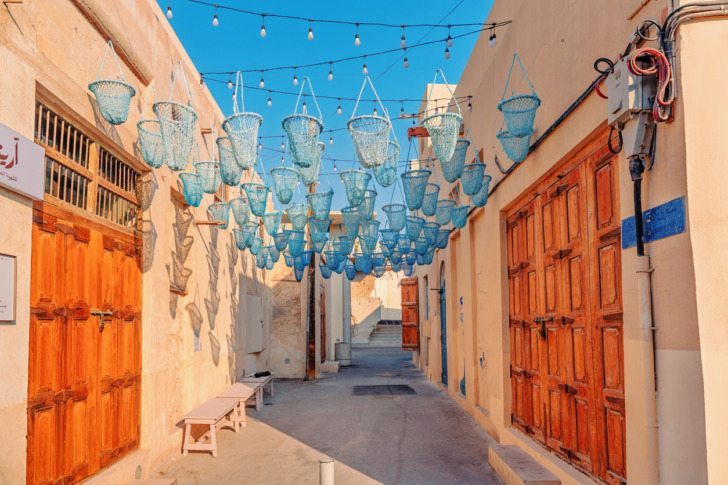
Muharraq is Bahrain’s former capital and one of the most culturally rewarding places in the Gulf.
Spread across an island just northeast of Manama, it combines restored merchant houses, traditional bakeries, busy markets, waterfront neighborhoods, modern residential districts, and Bahrain International Airport.
Its most famous attraction is the Pearling Path, which tells the story of the pearl trade that shaped Bahrain long before oil transformed the country.
Muharraq feels more traditional and lived-in than Manama, with narrow lanes and historic homes sitting only minutes from major highways and modern developments.
Under ordinary conditions, local crime is low and tourists are generally treated warmly.
However, the regional security situation in August 2026 has significantly changed the travel calculation.
Military strikes, possible missile or drone attacks, airspace disruptions, and heightened political tensions currently make Bahrain a high-risk destination despite Muharraq’s normally calm streets.
Warnings & Dangers in Muharraq

OVERALL RISK: HIGH
Muharraq normally has a low street-crime risk, but current regional military tensions raise the overall rating to high. Bahrain has faced strikes and threats against military, civilian, and strategic infrastructure. Travelers may also encounter flight cancellations, airspace closures, security alerts, demonstrations, or instructions to shelter with little warning.

TRANSPORT & TAXIS RISK: MEDIUM
Taxis and ride-hailing services are widely available and generally reliable. The main dangers are speeding, abrupt lane changes, congestion, and drivers using phones. Security incidents can also close roads around the airport or bridges. Confirm the vehicle before entering, wear a seat belt, and leave extra time for every journey.

PICKPOCKETS RISK: LOW
Pickpocketing is uncommon, but theft can occur in Muharraq Souq, crowded buses, festivals, airport areas, and busy restaurants. Keep your phone and wallet secure and avoid leaving bags unattended. Phone theft and property taken from unlocked rental cars are more realistic concerns than organized teams of pickpockets.

NATURAL DISASTERS RISK: MEDIUM
Muharraq faces extreme summer heat, high humidity, dust storms, intense sunlight, and occasional flash flooding after heavy rain. Bahrain is not frequently struck by major natural disasters, but heat-related illness can become serious quickly. Coastal weather and poor visibility can also affect driving and boat travel.

MUGGING RISK: LOW
Muggings are uncommon in Muharraq’s central historic and commercial areas. The risk increases slightly in empty parking lots, quiet waterfront areas, industrial roads, and poorly lit streets after midnight. Avoid displaying expensive watches or large amounts of cash, and use a taxi instead of walking long distances at night.

TERRORISM RISK: HIGH
The terrorism and armed-conflict risk is currently high because of escalating regional tensions and attacks directed toward targets in Bahrain. Military bases, government facilities, energy infrastructure, airports, foreign interests, hotels, and crowded public places may face increased risk. Follow warning systems immediately and avoid photographing security activity or damage.

SCAMS RISK: LOW
Serious tourist scams are unusual. Minor problems can include inflated taxi prices, unofficial airport drivers, misleading tour offers, or poor currency exchange rates. Use recognized transportation services, confirm prices before accepting help, and do not pay anyone claiming that special unofficial permission is required to enter normal attractions.

WOMEN TRAVELERS RISK: MEDIUM
Muharraq is generally safe for women, including solo visitors, but conservative social standards and occasional harassment require awareness. Dress modestly, particularly in markets and religious areas, avoid empty streets after dark, and use trusted transport at night. Public intoxication and visible romantic behavior can create legal or social problems.

TAP WATER RISK: MEDIUM
Bahrain’s public water is largely desalinated and treated, but building pipes, rooftop tanks, and storage systems can affect its taste and quality by the time it reaches the tap. Many residents use filtered or bottled water for drinking. Visitors with sensitive stomachs should do the same.
Safest Places to Visit in Muharraq
The Pearling Path
The Pearling Path is Muharraq’s most important cultural attraction and one of the safest ways to explore the old city.
The route links restored merchant houses, public squares, museums, warehouses, and buildings connected to Bahrain’s historic pearl economy.
The main route is generally comfortable during daylight and early evening, particularly near staffed cultural sites.
Wear comfortable shoes because some lanes are narrow or uneven, and watch for local traffic where pedestrian sections meet active streets.
Shaikh Isa Bin Ali House
This historic house offers a fascinating look at traditional Gulf architecture, including courtyards, wind towers, carved doors, and rooms designed around climate and privacy.
It is located within Muharraq’s historic fabric and is normally peaceful during official visiting hours.
Dress respectfully, follow staff instructions, and avoid touching delicate architectural details.
Photography rules may vary between rooms or exhibitions.
Muharraq Souq and Souq Al Qaysariya
Muharraq Souq is a lively place for sweets, spices, clothing, perfumes, gold, household goods, and traditional foods.
The restored Al Qaysariya section offers a more polished introduction to the market’s history.
The area is generally safe during business hours, but keep control of your belongings in crowded lanes.
Confirm prices before buying expensive items and carry smaller notes for snacks, drinks, and local shops.
Arad Fort
Arad Fort is one of Bahrain’s most attractive historic sites, particularly in the late afternoon when the heat becomes less intense.
The restored fort and surrounding open space are generally safe and easy to visit.
The larger danger is heat rather than crime.
Bring water, use sunscreen, and avoid extended outdoor sightseeing during summer afternoons.
Follow barriers and do not climb walls or restricted sections.
Bu Maher Fort and Visitor Center
Bu Maher Fort marks one end of the Pearling Path and represents the point where pearl divers once left Bahrain for the sea.
Access arrangements can involve a short boat journey or organized transport, depending on current operations.
Use the official visitor service, wear a life jacket when traveling by boat, and confirm the final return time before going.
Regional maritime security restrictions may affect access without much notice.
Places to Avoid in Muharraq
Airport and Security Areas During Alerts
Bahrain International Airport is located in Muharraq, making the city particularly sensitive during periods of regional military tension.
Avoid lingering near airport fences, security checkpoints, aviation infrastructure, or government compounds.
Never photograph air-defense activity, security personnel, missile debris, or damaged infrastructure.
Demonstrations and Political Gatherings
Avoid demonstrations, political marches, funeral processions connected to unrest, and crowds forming near police activity.
Even a peaceful gathering can become confrontational or lead to sudden roadblocks.
Do not stop to watch or film.
Leave the area calmly and follow official instructions.
Muharraq Souq After Businesses Close
The souq is lively and welcoming during normal shopping hours, but some narrow lanes become extremely quiet after shops close.
The area is not a major crime zone, although poor lighting and limited foot traffic make late-night wandering less sensible.
Visit during the day or early evening.
Hidd Industrial and Port Areas
Hidd and the wider Muharraq Governorate contain industrial sites, warehouses, port-related facilities, and important infrastructure.
These areas are not suitable for casual sightseeing, especially under current security conditions.
Follow public roads, obey barriers, and avoid photographing energy, port, communications, or industrial installations.
Quiet Coastal Parks After Midnight
Places around Arad Bay and other waterfront areas can be pleasant during the day, but isolated paths and parking areas are best avoided late at night.
Limited lighting, fewer people, and extreme humidity make them uncomfortable and less secure.
Stay near active restaurants, hotels, and family recreation areas.
Safety Tips for Traveling to Muharraq
- Reconsider nonessential travel during regional escalation. Muharraq normally feels calm, but the wider security situation matters more than local street conditions. Before traveling, check whether flights are operating, whether airspace restrictions are expected, and whether your government advises against travel. Be prepared to change plans immediately rather than assuming the situation will remain stable.
- Know what to do during a warning. If authorities issue a shelter alert, enter a solid building immediately. Move to an interior room, stairwell, or area with few windows and external walls. Stay away from glass. Do not go outside to film interceptions or explosions, since falling fragments can cause injuries far from the intended target.
- Avoid military and strategic infrastructure. Bahrain hosts major regional security facilities, and some sensitive locations are not clearly marked. Avoid military bases, government compounds, ports, energy facilities, airport perimeters, and communications sites. Taking photographs or sharing security-related images online can lead to severe legal consequences.
- Use recognized transportation. Book taxis through your hotel, the airport taxi system, or a reputable ride-hailing service. Confirm the vehicle registration and driver details before entering. Avoid unofficial drivers approaching inside or outside the terminal. Keep your seat belt fastened, because speeding and abrupt lane changes are common road hazards.
- Dress and behave conservatively. Cover shoulders and knees when visiting traditional neighborhoods, markets, mosques, and cultural sites. Avoid public drunkenness, loud arguments, offensive gestures, swearing, and public displays of affection. Behavior considered minor elsewhere may result in police involvement, fines, detention, or deportation in Bahrain.
- Stay away from demonstrations. Political gatherings can occur with limited warning, sometimes after Friday prayers or during periods of regional tension. Security forces may close roads or disperse crowds. If you notice police vehicles, roadblocks, chanting, or a crowd forming, leave immediately. Do not take photographs or post commentary online.
- Carry photo identification. Visitors may be required to show identification during police checks, security alerts, or access to certain buildings. Keep your passport secure and follow local advice about whether to carry the original or a clear copy. Store digital copies of your passport, visa, insurance, and flight details separately.
- Protect yourself from heat. From late spring through early autumn, temperatures and humidity can become dangerous. Carry water, wear light but modest clothing, use sunscreen, and plan outdoor sightseeing for the morning or evening. Headache, nausea, dizziness, weakness, and confusion may indicate heat exhaustion or heatstroke.
- Keep flexible departure plans. Flights and airspace can be disrupted with little warning during regional conflict. Keep travel documents current, maintain access to money and essential medication, and monitor airline notifications. Do not wait until the final day of your visa or an important connection to consider alternative arrangements.
- Buy insurance that remains valid during conflict. Many ordinary policies exclude losses connected to war, military action, or travel against official advice. Read the policy carefully before departure. Coverage should include medical treatment, evacuation, cancellation, missed connections, and extended accommodation. Confirm in writing whether current Bahrain travel warnings affect your protection.
So... How Safe Is Muharraq Really?
Under normal conditions, Muharraq would receive a low overall risk rating.
Street crime is limited, historic attractions are well managed, taxis are easy to arrange, and the city has strong infrastructure by regional standards.
Travelers can usually explore the Pearling Path, souqs, traditional houses, forts, and restaurants without feeling threatened.
The current situation is different.
As of August 2026, military strikes and retaliatory attacks in the Gulf region have included targets in Bahrain.
Government travel warnings range from avoiding nonessential travel to avoiding Bahrain completely.
Additional attacks, airspace closures, flight cancellations, roadblocks, and shelter instructions may occur with little notice.
Muharraq’s location increases its strategic exposure.
Bahrain International Airport is on the island, while military, aviation, port, and energy infrastructure exists around the wider metropolitan area.
This does not mean every neighborhood is under immediate threat, but it means the consequences of regional escalation could reach Muharraq faster than an ordinary tourist destination.
Away from regional conflict, the practical risks are manageable.
Road accidents, extreme heat, demonstrations, restrictive laws, and theft from unattended property are the main everyday concerns.
Violent crime against tourists remains uncommon.
My honest assessment is that Muharraq is locally calm but currently high risk overall.
Travelers should postpone an optional holiday until regional conditions become more stable.
Anyone traveling for essential reasons should remain prepared to shelter, leave at short notice, and follow local security instructions without delay.
How Does Muharraq Compare?
| City | Safety Index |
|---|---|
| Muharraq |
76 |
| Juffair |
71 |
| Budaiya |
75 |
| Manama |
54 |
| Amwaj Islands |
78 |
| Riffa |
78 |
 Sumbe Sumbe | 46 |
 Bergen Bergen | 71 |
 Findlay Findlay | 78 |
| Westport | 78 |
 Caye Caulker Caye Caulker | 82 |
 Bujumbura Bujumbura | 52 |
Useful Information

Visas
Many nationalities are eligible for a Bahrain eVisa or visa on arrival. Short single-entry options may cost around BHD 9 for eligible travelers, while multiple-entry and longer visas cost more. Requirements depend on nationality and purpose. Passports should normally remain valid for at least six months after arrival.

Currency
Muharraq uses the Bahraini dinar. One dinar is divided into 1,000 fils and is pegged to the U.S. dollar at roughly BHD 1 to USD 2.65. Cards are widely accepted, but cash is useful in souqs and small cafes. Use bank ATMs and official exchange counters.

Weather
Muharraq has extremely hot, humid summers and mild winters. Summer temperatures regularly exceed 40°C, while humidity can make conditions feel even harsher. Pack loose, modest clothing, sunscreen, sunglasses, and a hat. Winter evenings are comfortable, though a light layer may be useful near the coast.

Airports
Bahrain International Airport is located directly in Muharraq, usually only 5 to 15 minutes from the historic center. Taxis, ride-hailing services, hotel transfers, and public buses connect the terminal with Muharraq and Manama. Allow extra time because security alerts or road closures may disrupt access.

Travel Insurance
Travel insurance is essential, but standard policies may be invalid if you travel against official advice or if losses result from war. Confirm coverage before booking. The policy should include medical treatment, evacuation, cancellation, airline disruption, extended accommodation, and emergency departure during regional instability.
Muharraq Weather Averages (Temperatures)
Average High/Low Temperature
| Temperature / Month | Jan | Feb | Mar | Apr | May | Jun | Jul | Aug | Sep | Oct | Nov | Dec |
|---|---|---|---|---|---|---|---|---|---|---|---|---|
| High °C |
20 | 20 | 23 | 27 | 31 | 34 | 36 | 38 | 35 | 32 | 27 | 22 |
| Low °C |
16 | 18 | 20 | 24 | 28 | 32 | 33 | 33 | 32 | 29 | 25 | 20 |
| High °F |
68 | 68 | 73 | 81 | 88 | 93 | 97 | 100 | 95 | 90 | 81 | 72 |
| Low °F |
61 | 64 | 68 | 75 | 82 | 90 | 91 | 91 | 90 | 84 | 77 | 68 |
Bahrain - Safety by City
| City | Safety Index |
|---|---|
| Amwaj Islands | 78 |
| Budaiya | 75 |
| Juffair | 71 |
| Manama | 54 |
| Muharraq | 76 |
| Riffa | 78 |