


 Bahrain : Safety by City
Bahrain - safety as a country
Riffa is one of Bahrain’s largest and most important urban areas, stretching across the center of the island south of Manama.
Traditionally divided into East Riffa and West Riffa, the city combines residential neighborhoods, shopping streets, government institutions, sports facilities, modern villas, and historic landmarks.
Its standout attraction is Riffa Fort, an early nineteenth-century hilltop residence overlooking the surrounding valley and desert landscape.
Riffa feels less touristy than Manama or Muharraq, which gives visitors a more everyday view of Bahraini life.
Under normal circumstances, local crime is low, and the city feels orderly.
However, Bahrain is currently affected by a heightened regional security environment, and multiple governments advise travelers to reconsider or limit nonessential visits because of terrorism and armed-conflict concerns.
Warnings & Dangers in Riffa

OVERALL RISK: HIGH
Riffa normally has a low local crime risk, but the current regional security situation raises its overall rating to high. Travelers may face sudden security alerts, road closures, flight disruption, demonstrations, or threats connected to regional armed conflict. Nonessential visitors should review current official warnings before traveling.

TRANSPORT & TAXIS RISK: MEDIUM
Taxis, ride-hailing services, rental cars, and public buses are generally safe. The larger danger is road behavior, including speeding, abrupt lane changes, heavy traffic, and inconsistent pedestrian priority. Security checkpoints or diversions may also affect major roads. Always wear a seat belt and leave extra time for journeys.

PICKPOCKETS RISK: LOW
Pickpocketing is uncommon in Riffa, although opportunistic theft can occur in shopping areas, sports events, restaurants, markets, and crowded public spaces. Keep phones and wallets secure, particularly when entering or leaving busy venues. Theft from unlocked vehicles or unattended bags is more realistic than professional pickpocketing.

NATURAL DISASTERS RISK: MEDIUM
Riffa faces extreme summer heat, high humidity, dust storms, occasional heavy rain, and localized flooding. Bahrain is not frequently affected by major earthquakes or tropical cyclones, but heat illness can become dangerous quickly. Outdoor sightseeing should be limited during the hottest afternoon hours from late spring through early autumn.

MUGGING RISK: LOW
Muggings are rare in Riffa’s active residential, commercial, and visitor areas. Risk increases in empty parking lots, isolated desert roads, construction areas, and quiet parks after midnight. Avoid displaying expensive jewelry or large amounts of cash, and use a taxi instead of walking long distances late at night.

TERRORISM RISK: HIGH
The terrorism risk is currently high because official travel advisories cite terrorism and armed conflict as reasons to reconsider travel to Bahrain. Potentially sensitive locations include government buildings, military facilities, transport hubs, hotels, energy infrastructure, places of worship, and crowded public events. Follow local alerts immediately.

SCAMS RISK: LOW
Serious tourist scams are unusual in Riffa. Minor problems may include inflated taxi prices, unofficial drivers, misleading accommodation advertisements, or unclear tour costs. Use recognized transportation services, confirm prices before accepting help, and never pay someone claiming that unofficial permission is required to visit an ordinary attraction.

WOMEN TRAVELERS RISK: MEDIUM
Riffa is generally safe for women, including solo visitors, but Bahrain’s conservative social expectations should be respected. Dress modestly in public areas, avoid isolated streets after dark, and use trusted transportation at night. Public intoxication, offensive behavior, and visible romantic activity may attract legal or social attention.

TAP WATER RISK: MEDIUM
Bahrain’s public water network is designed to meet local and international health and safety standards. However, taste and quality at the tap can be affected by a building’s pipes, storage tanks, and maintenance. Many residents use filtered or bottled water for drinking, which is also sensible for short-term visitors.
Safest Places to Visit in Riffa
Riffa Fort
Sheikh Salman Bin Ahmed Al-Fateh Fort, commonly called Riffa Fort, is the city’s leading historical attraction.
Built in 1812, it overlooks Wadi Al-Hunainiyah and contains exhibits connected to Bahrain’s ruling family and traditional life.
The managed site is generally safe during official opening hours.
Visit in the morning or late afternoon to avoid the strongest heat.
Wear shoes with grip, stay behind barriers, and do not photograph security buildings or government facilities visible in the surrounding area.
Royal Golf Club
The Royal Golf Club is one of Riffa’s most polished recreational venues.
It welcomes visitors as well as members and includes golf facilities, restaurants, and carefully maintained grounds.
The controlled entrance and professional facilities make it a comfortable destination for international travelers.
RAK Art Foundation
The RAK Art Foundation provides a quieter cultural experience centered on contemporary Bahraini and international art.
It is a good option for travelers interested in creative spaces rather than shopping malls or outdoor attractions.
Visit during advertised opening hours and confirm whether advance booking is necessary.
Hunainiya Park
Hunainiya Park is a popular green space for families, walking, and evening recreation.
It is generally comfortable when other visitors are present, especially before midnight.
The cooler evening hours are best during summer, although travelers should avoid empty sections and isolated parking areas after crowds leave.
Riffa’s Established Shopping and Dining Areas
Riffa has numerous cafes, restaurants, shopping centers, and family-oriented commercial districts.
These areas are normally safe during the day and evening.
Use official parking, keep valuables out of sight inside vehicles, and avoid political conversations or photographing nearby official buildings.
Places to Avoid in Riffa
Military and Government Facilities
Riffa contains or lies near important government, royal, and military locations.
Do not photograph compounds, checkpoints, security personnel, communications towers, official vehicles, or restricted roads.
A photograph that appears harmless to a tourist may be treated as a security concern.
Demonstrations and Political Gatherings
Avoid demonstrations, marches, funeral processions connected to unrest, and crowds gathering around police activity.
Protests in Bahrain can lead to road closures or confrontation with security forces.
Leave immediately if you encounter chanting, barricades, police vehicles, or an unexpected gathering.
Isolated Desert Roads After Dark
Roads outside Riffa’s developed neighborhoods may be poorly lit and surrounded by empty land, construction projects, or industrial facilities.
These routes offer little for visitors and become harder to navigate at night.
Vehicle breakdowns and traffic accidents are more realistic concerns than street crime.
Empty Parks and Parking Areas Late at Night
Family parks and commercial parking areas are generally safe while busy, but they can become deserted quickly.
Avoid sitting alone in a vehicle with valuables visible or walking through empty sections after midnight.
Move toward active businesses or arrange a taxi.
Construction and Industrial Zones
Riffa continues to expand, so unfinished roads, construction sites, warehouses, and utility areas are common around its outskirts.
These locations may contain open excavations, heavy vehicles, loose debris, and limited lighting.
Stay on established roads and do not use construction zones as shortcuts.
Safety Tips for Traveling to Riffa
- Review the security situation before traveling. Bahrain’s local streets may look calm even when regional tensions are high. Check current airline operations and government travel warnings before departure. Be ready to postpone a nonessential trip if the situation worsens or authorities introduce new security restrictions.
- Know how to respond to an emergency alert. If local authorities issue an emergency or shelter warning, enter a solid building and move away from windows. Remain inside until official instructions change. Do not go outdoors to photograph explosions, aircraft, interceptions, or falling debris.
- Avoid sensitive photography. Do not photograph military facilities, government compounds, police, checkpoints, airports, energy sites, or communications infrastructure. Ask permission before photographing local people. If an official asks you to stop or delete an image, cooperate calmly rather than debating the rule.
- Use established taxis or ride services. Book transportation through your hotel, restaurant, an established ride app, or a recognized taxi company. Confirm the driver and vehicle before entering. Airport taxis are regulated and meter-based, while hotel transfers can be arranged in advance.
- Drive defensively. Bahrain’s roads are modern, but traffic can be fast and aggressive. Leave space between vehicles, watch for sudden lane changes, and avoid using your phone while driving. Visitors unfamiliar with local roads should avoid complicated journeys during rush hour.
- Protect yourself from extreme heat. Summer temperatures can become dangerous, particularly when humidity is high. Carry water, wear sunscreen, and choose lightweight but modest clothing. Schedule outdoor attractions for the morning or evening and enter an air-conditioned building if you develop a headache, dizziness, nausea, or unusual weakness.
- Dress and behave conservatively. Cover shoulders and knees in traditional neighborhoods, religious areas, and government buildings. Avoid public drunkenness, loud swearing, insulting gestures, and excessive public displays of affection. Bahrain is welcoming, but visitors are still subject to local laws and social expectations.
- Stay away from demonstrations. Do not approach a crowd to see what is happening. Roadblocks, chanting, or a sudden police presence are signals to leave. Avoid filming demonstrations or posting live security information online, since this may create legal problems or unwanted attention.
- Carry identification and emergency essentials. Keep identification accessible and store copies of your passport, visa, insurance, and flight details separately. Carry essential medication, a charged phone, a power bank, and enough money for unexpected transportation or accommodation changes.
- Confirm that your insurance covers current conditions. Some travel insurance policies become invalid when a traveler visits against official advice. Others exclude terrorism, armed conflict, evacuation, or flight disruption caused by military activity. Read the wording carefully and obtain written confirmation that Bahrain remains covered.
So... How Safe Is Riffa Really?
Riffa is normally one of Bahrain’s calmer urban destinations.
It is primarily residential and family-oriented, with relatively little tourist-targeted crime.
Visitors can generally explore Riffa Fort, eat in local restaurants, visit cultural venues, shop, and travel between neighborhoods without feeling personally threatened.
Local street safety is only one part of the current picture.
As of August 2026, the United States advises travelers to reconsider travel to Bahrain because of terrorism and armed conflict, while the United Kingdom advises against all but essential travel.
These warnings apply to Bahrain as a whole, including Riffa, even when the city appears calm.
Riffa’s inland location reduces ordinary coastal hazards, but it does not remove regional security concerns.
The city’s proximity to government, royal, military, and strategic facilities means visitors must be especially careful around photography and restricted areas.
Outside the current regional situation, the most realistic risks are traffic accidents, extreme heat, demonstrations, restrictive local laws, and opportunistic property theft.
Violent crime against ordinary tourists remains uncommon.
My honest assessment is that Riffa has a low local crime risk but a high overall travel risk under current conditions.
This is not because its neighborhoods are normally dangerous.
It is because armed conflict and terrorism concerns can create sudden disruptions that individual travelers cannot control.
Optional tourism is best postponed until official warnings improve.
How Does Riffa Compare?
| City | Safety Index |
|---|---|
| Riffa |
78 |
| Muharraq |
76 |
| Manama |
54 |
| Juffair |
71 |
| Budaiya |
75 |
| Amwaj Islands |
78 |
 Oistins Oistins | 85 |
 Oshawa Oshawa | 42 |
 Cabarete Cabarete | 53 |
 Campo Grande Campo Grande | 67 |
 Sault Ste. Marie Sault Ste. Marie | 82 |
| Valentine | 78 |
Useful Information

Visas
Visa requirements depend on nationality. Many travelers qualify for an electronic visa or visa on arrival, while others must apply before departure. Fees and permitted stay lengths vary by passport and visa category. Use Bahrain’s official eligibility checker and apply directly through the government electronic visa service.

Currency
Riffa uses the Bahraini dinar, which is divided into 1,000 fils and is pegged to the U.S. dollar. Cards are accepted at most hotels, malls, restaurants, and supermarkets. Cash is still useful for small cafes, taxis, markets, and tips. Use bank ATMs or official exchange offices.

Weather
Riffa has extremely hot summers and mild winters. Temperatures can exceed 40°C during summer, with humidity adding to the discomfort. Pack loose, modest clothing, sunscreen, sunglasses, and a hat. Winter evenings are pleasant, although a light sweater may be useful during cooler or windy periods.

Airports
Bahrain International Airport is located in Muharraq, on the opposite side of the Manama metropolitan area from Riffa. Travel time commonly ranges from 25 to 45 minutes depending on traffic and security restrictions. Airport taxis are meter-based, while public buses and private transfers are also available.

Travel Insurance
Travel insurance is essential, but ordinary policies may exclude armed conflict, terrorism, or travel undertaken against government advice. Coverage should include medical treatment, cancellation, evacuation, missed flights, and extended accommodation. Confirm in writing that your policy remains valid for Bahrain under the current advisory level.
Riffa Weather Averages (Temperatures)
Average High/Low Temperature
| Temperature / Month | Jan | Feb | Mar | Apr | May | Jun | Jul | Aug | Sep | Oct | Nov | Dec |
|---|---|---|---|---|---|---|---|---|---|---|---|---|
| High °C |
21 | 22 | 26 | 31 | 37 | 39 | 41 | 40 | 38 | 34 | 28 | 23 |
| Low °C |
15 | 16 | 19 | 23 | 28 | 31 | 33 | 33 | 31 | 28 | 23 | 18 |
| High °F |
70 | 72 | 79 | 88 | 99 | 102 | 106 | 104 | 100 | 93 | 82 | 73 |
| Low °F |
59 | 61 | 66 | 73 | 82 | 88 | 91 | 91 | 88 | 82 | 73 | 64 |
Bahrain - Safety by City
| City | Safety Index |
|---|---|
| Amwaj Islands | 78 |
| Budaiya | 75 |
| Juffair | 71 |
| Manama | 54 |
| Muharraq | 76 |
| Riffa | 78 |
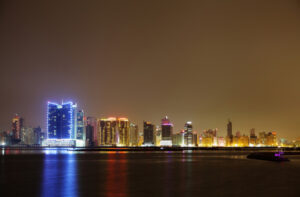












Didn’t expect the mix of old forts and quiet neighborhoods to feel so chill, especially with the fort’s view making it kinda special.
Yeah, Riffa might seem chill and all with its forts and quiet streets, but you can’t ignore that uneasy vibe hanging around, especially when you hear about the security warnings; feels like any stroll could come with a side of “stay alert” jitters.