 Botswana : Safety by City
Botswana - safety as a country
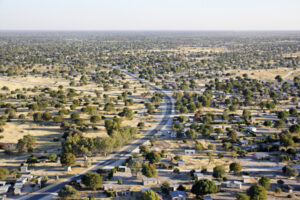
Palapye is one of Botswana’s fastest-growing towns and an important crossroads for travelers moving between Gaborone, Francistown, Serowe, Maun, and the country’s eastern border regions.
Sitting along the A1 highway and the main railway corridor, Palapye is more of a commercial and transportation hub than a traditional safari destination.
It has supermarkets, hotels, restaurants, fuel stations, banks, and services that make it a useful overnight stop on a Botswana road trip.
Nearby attractions include Old Palapye, the Tswapong Hills, Moremi Gorge, and several wildlife and cultural areas within driving distance.
Palapye is generally safe by regional standards, but visitors should pay attention to road accidents, petty theft, extreme heat, thunderstorms, and animals wandering onto highways.
Most serious problems are avoidable with straightforward precautions.
Warnings & Dangers in Palapye

OVERALL RISK: LOW
Palapye has a low overall risk for most travelers. Serious crime against tourists is uncommon, particularly during daylight and around established hotels and commercial areas. Theft, burglary, and occasional robbery remain possible. Road accidents, nighttime driving, heat, and rural travel generally deserve more attention than violent street crime.

TRANSPORT & TAXIS RISK: MEDIUM
Transportation presents one of Palapye’s more significant risks. The A1 highway carries cars, buses, trucks, and long-distance traffic, while cattle, goats, donkeys, and wildlife can wander onto roads. Night driving is particularly hazardous. Use licensed taxis, wear seatbelts, maintain safe speeds, and avoid long-distance journeys after dark.

PICKPOCKETS RISK: LOW
Pickpocketing is uncommon but possible around bus stops, shopping areas, markets, ATMs, and crowded events. Palapye is not a major international tourist center, so organized tourist-targeting theft is limited. Keep wallets and phones secured and avoid leaving bags unattended at restaurants, service stations, or transportation areas.

NATURAL DISASTERS RISK: MEDIUM
Palapye experiences extreme heat, severe thunderstorms, flash flooding, drought, and occasional strong winds. Botswana’s rainy season generally falls between November and March, when sudden downpours can temporarily flood roads. Summer temperatures can become intense, making dehydration and heat exhaustion realistic concerns for travelers spending extended periods outside.

MUGGING RISK: MEDIUM
Muggings are not common in Palapye’s busy daytime areas, but robbery can occur, particularly late at night. Avoid walking alone through poorly lit residential streets or around quiet transport areas after businesses close. Take a taxi when returning late, carry limited cash, and avoid openly displaying expensive phones or jewelry.

TERRORISM RISK: LOW
The terrorism risk in Palapye is low. Botswana is politically stable and does not experience frequent terrorist attacks. Palapye also lacks the type of internationally prominent targets usually associated with elevated terrorism concerns. Normal awareness around transportation hubs, government facilities, and large public events should be sufficient.

SCAMS RISK: LOW
Tourist scams are uncommon because Palapye receives relatively few traditional tourists. Travelers may occasionally encounter inflated taxi fares, unofficial transport offers, or misleading accommodation listings. Confirm prices before getting into taxis, reserve accommodation through reputable channels, and avoid giving money to strangers offering unnecessary assistance.

WOMEN TRAVELERS RISK: LOW
Palapye is generally safe for women, including solo travelers, during normal daytime activities. Additional caution is appropriate after dark. Avoid isolated walking, use established hotels, arrange trusted transportation, and be cautious around bars or nightlife venues. Women driving alone should complete fuel stops and longer journeys during daylight whenever possible.

TAP WATER RISK: LOW
Tap water in Botswana is generally treated and widely consumed. Travelers staying in established Palapye hotels can usually drink municipal water, although bottled water is readily available. People with sensitive stomachs may prefer bottled or filtered water. Always carry extra drinking water when driving outside town because distances between services can be considerable.
Safest Places to Visit in Palapye
Central Commercial Areas
Palapye’s main commercial areas are generally comfortable during daylight and early evening.
Supermarkets, shopping centers, banks, restaurants, hotels, and fuel stations create plenty of regular activity.
These areas are particularly useful for travelers preparing for longer drives because Palapye is one of the easiest places in central-eastern Botswana to stock up on food, water, fuel, and basic supplies.
Keep vehicles locked while shopping and avoid leaving luggage visible through the windows.
Old Palapye
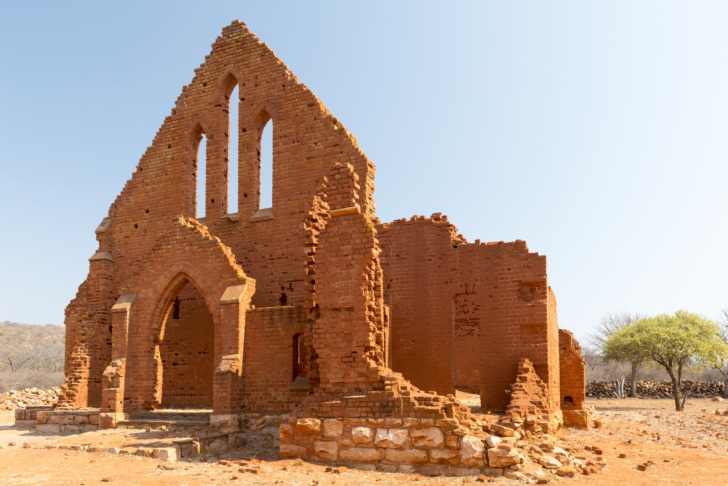
Old Palapye, also known historically as Phalatswe, is one of the region’s most interesting historical attractions.
It served as an important settlement of the Bangwato people under Khama III during the late 19th century.
Ruins, archaeological remains, historic structures, and the surrounding landscape provide a much deeper look at Botswana’s history than travelers get from simply passing through modern Palapye.
Visit during daylight and preferably with someone familiar with the site and local roads.
Moremi Gorge
Moremi Gorge in the Tswapong Hills makes an excellent excursion from Palapye.
The area contains dramatic cliffs, vegetation, seasonal waterfalls, pools, and hiking opportunities that contrast sharply with Botswana’s flatter landscapes.
Use established trails and a local guide where appropriate.
Rocks can become slippery, temperatures can rise quickly, and summer thunderstorms may change conditions within a short period.
Tswapong Hills
The Tswapong Hills east of Palapye offer hiking, birdlife, villages, rocky scenery, and cultural sites.
They are generally safe for organized daytime exploration.
Carry substantial water, wear proper shoes, tell someone your planned route, and avoid wandering into unfamiliar terrain alone.
Phone reception can be inconsistent in more remote sections.
Places to Avoid in Palapye
Quiet Streets Late at Night
Palapye does not have a clearly defined tourist no-go district.
The bigger issue is being in the wrong type of location at the wrong time.
Residential or commercial streets that seem perfectly ordinary during daylight may become nearly empty after businesses close.
Avoid unnecessary nighttime walking and use a taxi or private vehicle instead.
Highway Shoulders After Dark
Do not walk along the A1 or other major roads after sunset.
Vehicles travel quickly, lighting is inconsistent, and pedestrians can be difficult for drivers to see.
Animals may also enter the roadway unexpectedly.
Even short walks along highway shoulders are better avoided once darkness falls.
Remote Tracks Without Proper Preparation
Do not leave major roads simply because a map shows a shortcut.
Rural Botswana contains sandy tracks, rough surfaces, water crossings during rainy periods, and long stretches without services.
Drivers heading toward remote attractions should know road conditions beforehand and carry water, a spare tire, basic tools, and a charged phone.
Flooded Roads
Heavy thunderstorms can turn dry-looking channels and low sections of road into fast-moving water.
Never assume a flooded crossing is shallow enough for a normal car.
Wait for water to recede or use another route.
Driving into floodwater can disable the vehicle or sweep it from the road.
Isolated Bush Areas After Sunset
Bush immediately outside Botswana’s towns can contain snakes, livestock, and occasionally larger wildlife.
Do not wander into undeveloped areas after dark for photography or casual exploration.
Visibility disappears quickly after sunset, while emergency assistance may be far away.
Safety Tips for Traveling to Palapye
- Avoid long-distance driving after dark. This is probably the single most important safety rule for road travelers in Botswana. Highways can contain cattle, donkeys, goats, pedestrians, and wildlife after sunset. Street lighting outside towns is limited, so obstacles may only become visible when you are already close to them. Plan to reach Palapye well before dark.
- Fill your fuel tank in Palapye. Palapye is a useful refueling point before longer drives toward Francistown, Serowe, the Tswapong Hills, or more remote parts of Botswana. Do not assume every fuel station shown on a map will be operating or accepting your preferred payment method. Fill the tank when convenient rather than waiting until it is nearly empty.
- Carry plenty of drinking water. Botswana’s dry climate can cause dehydration surprisingly quickly. Summer temperatures frequently rise above 35°C and can occasionally approach 40°C. Keep several liters of water in the vehicle during road trips, especially when leaving major highways. A mechanical breakdown becomes far more serious when you have no water.
- Slow down for animals. Cattle and donkeys frequently wander near roads throughout Botswana. Never assume an animal will remain beside the highway as you approach. Reduce speed immediately and give it enough space. Driving quickly past livestock, particularly at night, is one of the easiest ways to turn an otherwise safe road trip into an emergency.
- Use licensed taxis. When using taxis in Palapye, choose recognizable licensed vehicles or ask your hotel or restaurant to arrange transportation. Confirm the approximate fare before leaving. This is especially important late at night, when finding transportation on the street becomes less convenient.
- Protect yourself from the heat. Wear a hat, apply sunscreen, and schedule longer outdoor activities for mornings whenever possible. Botswana’s dry air can make the heat feel more manageable than it actually is. Headache, weakness, dizziness, confusion, and nausea can indicate heat illness and should not be ignored.
- Keep your vehicle empty when parked. Do not leave luggage, cameras, laptops, wallets, or shopping bags visible inside a rental vehicle. Even relatively safe towns experience opportunistic car break-ins. If you are traveling with luggage, keep it locked in the trunk or take important belongings into your accommodation.
- Take mosquito precautions. Palapye is considerably farther south than Botswana’s highest malaria-risk areas around the Okavango and Chobe regions, but mosquitoes are still present, especially after summer rains. Use repellent and wear long clothing in the evening. Travelers continuing north toward Maun, Kasane, or the Okavango should discuss malaria prevention with a medical professional.
- Prepare properly for the Tswapong Hills. If visiting Moremi Gorge or hiking elsewhere in the Tswapong Hills, bring water, suitable footwear, sun protection, and ideally a knowledgeable local guide. Do not underestimate distances simply because the hills appear close to Palapye. Weather, terrain, heat, and poor navigation can complicate an otherwise straightforward hike.
- Leave flexibility in your road-trip schedule. Botswana rewards travelers who do not rush. Heavy rain, road construction, animals, vehicle problems, or slow traffic can extend driving times. Avoid creating itineraries that require maintaining high speeds to reach the next destination. Arriving an hour later is much better than taking unnecessary risks on the road.
So... How Safe Is Palapye Really?
Palapye is a relatively safe place for travelers and considerably easier to navigate than many large African cities.
It is primarily a working commercial and transportation town rather than a tourism hotspot, which means visitors encounter fewer aggressive sellers, organized tourist scams, and crowded attractions.
Street crime deserves normal precautions rather than fear.
Theft, burglary, and robbery can occur, particularly after dark, but most visitors who stay at established hotels, secure their vehicles, and avoid isolated nighttime walking are unlikely to encounter serious problems.
Road safety matters considerably more.
Palapye sits directly on one of Botswana’s major transportation routes, and the A1 carries significant long-distance traffic.
Outside populated areas, animals regularly wander near or onto the road.
Speeding, poor nighttime visibility, and driver behavior make road accidents a realistic concern.
Heat is another factor travelers sometimes underestimate.
Temperatures can become extreme before the summer rains, and anyone driving into remote areas should carry substantial water.
Palapye itself is not one of Botswana’s main malaria destinations.
The more significant malaria risk lies farther north, particularly around the Okavango Delta and Chobe.
Travelers continuing north should adjust their health precautions accordingly.
My assessment is that Palapye has a low overall tourist risk, with a medium transportation risk.
It works particularly well as an overnight road-trip stop or base for exploring Old Palapye and the Tswapong Hills.
Drive during daylight, carry water, secure valuables, and most visits should be straightforward.
How Does Palapye Compare?
| City | Safety Index |
|---|---|
| Palapye |
76 |
| Francistown |
72 |
| Serowe |
79 |
| Gaborone |
74 |
| Jwaneng |
82 |
| Maun |
82 |
| Kasane |
84 |
 Alamosa Alamosa | 85 |
 Copacabana Copacabana | 68 |
 Buenos Aires Buenos Aires | 65 |
 Cane Garden Bay Cane Garden Bay | 90 |
 Puno Puno | 45 |
| Rachel | 78 |
Useful Information

Visas
Many nationalities can visit Botswana without obtaining a visa in advance, generally for tourism stays of up to 90 days. Travelers from countries requiring visas can apply for a tourism visa, including through Botswana’s electronic visa system. Passports should generally remain valid for at least six months beyond entry, and onward travel may be requested.

Currency
Palapye uses the Botswana pula. Cards are widely accepted at supermarkets, hotels, fuel stations, and larger restaurants, but cash remains helpful for taxis, smaller businesses, markets, and rural areas. ATMs are readily available in town. Carry smaller notes and withdraw money during daylight whenever possible.

Weather
Palapye has a hot, semi-arid climate. Summer runs roughly from November through March and can bring temperatures above 35°C, thunderstorms, and heavy but irregular rainfall. Winters are sunny and dry, with pleasant afternoons but surprisingly cold nights. April through October generally offers the most comfortable conditions for road trips and outdoor exploration.

Airports
Palapye does not have a major commercial passenger airport. Most international travelers arrive through Sir Seretse Khama International Airport near Gaborone, approximately 270 kilometers south by road. Francistown Airport lies roughly 170 kilometers north. Palapye is well connected by the A1 highway and also sits on Botswana’s main railway corridor.

Travel Insurance
Travel insurance is recommended for Palapye, particularly for travelers driving through Botswana. Choose coverage for medical treatment, road accidents, vehicle recovery, theft, canceled transportation, and emergency evacuation. If your trip continues into the Okavango Delta or national parks, make sure safari activities and remote medical evacuation are included.
Palapye Weather Averages (Temperatures)
Average High/Low Temperature
| Temperature / Month | Jan | Feb | Mar | Apr | May | Jun | Jul | Aug | Sep | Oct | Nov | Dec |
|---|---|---|---|---|---|---|---|---|---|---|---|---|
| High °C |
32 | 31 | 31 | 29 | 27 | 24 | 24 | 28 | 32 | 33 | 33 | 32 |
| Low °C |
21 | 20 | 17 | 14 | 8 | 6 | 5 | 8 | 13 | 17 | 19 | 19 |
| High °F |
90 | 88 | 88 | 84 | 81 | 75 | 75 | 82 | 90 | 91 | 91 | 90 |
| Low °F |
70 | 68 | 63 | 57 | 46 | 43 | 41 | 46 | 55 | 63 | 66 | 66 |
Botswana - Safety by City
| City | Safety Index |
|---|---|
| Francistown | 72 |
| Gaborone | 74 |
| Jwaneng | 82 |
| Kasane | 84 |
| Maun | 82 |
| Palapye | 76 |
| Serowe | 79 |