 Botswana : Safety by City
Botswana - safety as a country
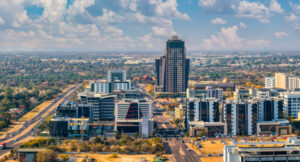
Francistown is Botswana’s second-largest city and the main commercial center of the country’s northeast, with a population of about 103,000 people.
Sitting near the Tati and Ntshe rivers and roughly 90 kilometers from the Zimbabwe border, it has long served as a gateway between southern Botswana and destinations such as Kasane, Chobe National Park, Maun, Zimbabwe, and Victoria Falls.
Francistown grew from southern Africa’s early gold rush and still carries traces of its mining history alongside modern shopping centers, markets, museums, and busy transportation routes.
For tourists, Francistown is generally manageable, but it requires more street awareness than Botswana’s safari lodges and small rural towns.
Petty theft, robbery, nighttime crime, road accidents, malaria, and extreme heat are the main practical concerns.
Warnings & Dangers in Francistown

OVERALL RISK: MEDIUM
Francistown requires more caution than Botswana’s quieter tourism areas. Petty theft and crimes of opportunity are common nationally, while violent crime has increased in major cities including Francistown. Most visitors encounter no serious problems, but avoid isolated nighttime walking, secure hotel rooms and vehicles, and remain particularly alert around transport and commercial areas.

TRANSPORT & TAXIS RISK: MEDIUM
Taxis are widely available and generally useful, but use established operators or drivers recommended by hotels. Traffic accidents are a significant concern throughout Botswana. Roads outside Francistown can be poorly lit, and livestock or wildlife may enter the roadway. Avoid long-distance driving after dark and wear seat belts whenever available.

PICKPOCKETS RISK: MEDIUM
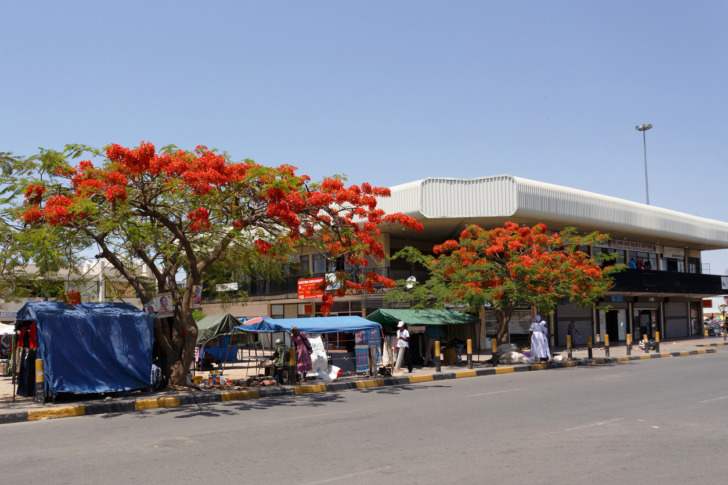
Pickpocketing and bag theft can occur in markets, shopping areas, bus ranks, crowded events, and transportation facilities. Keep phones and wallets in secure pockets and carry bags close to your body. Avoid leaving handbags hanging from restaurant chairs or placing phones openly on tables near busy streets.

NATURAL DISASTERS RISK: MEDIUM
Francistown experiences intense heat, drought, thunderstorms, flash flooding, and occasional severe rainfall. Its location near several rivers means low-lying areas can flood during heavy storms. Summer temperatures can become uncomfortable quickly. Avoid flooded roads and river crossings and carry plenty of drinking water during outdoor sightseeing.

MUGGING RISK: MEDIUM
Muggings and other violent robberies occur in Botswana’s larger towns, including Francistown. The risk increases after dark, particularly on quiet streets and around poorly lit transportation areas. Avoid displaying jewelry or large amounts of cash, take a taxi at night, and do not resist if confronted by an armed criminal.

TERRORISM RISK: LOW
Botswana has no recent history of major terrorist attacks, and Francistown is not considered an important terrorism target. An attack can never be completely ruled out, but terrorism is far less relevant to an ordinary visit than crime, road accidents, malaria, or extreme weather.

SCAMS RISK: MEDIUM
Visitors may encounter inflated taxi prices, unofficial guides, questionable currency exchanges, or people offering unnecessary assistance around transportation areas. Confirm taxi fares before departure and arrange excursions through established businesses. Never hand passports, bank cards, or large amounts of money to strangers offering to solve a supposed travel problem.

WOMEN TRAVELERS RISK: MEDIUM
Women can travel in Francistown safely with reasonable precautions, but solo visitors should be more careful after dark. Harassment and sexual violence occur in Botswana. Use trusted taxis, avoid isolated streets, watch your drinks in bars, and choose established accommodation with good security rather than inexpensive lodging in unfamiliar outskirts.

TAP WATER RISK: MEDIUM
Municipal water in Francistown is treated, but changes in supply, storage tanks, or building plumbing can affect quality. Many travelers drink tap water without difficulty, while visitors with sensitive stomachs may prefer properly filtered or bottled water. Staying hydrated is especially important during Botswana’s hotter months.
Safest Places to Visit in Francistown
Supa Ngwao Museum
Supa Ngwao Museum is one of the best places to understand Francistown’s history and the culture of northern Botswana.
Exhibits cover Kalanga traditions, crafts, musical instruments, pottery, and the city’s development during the gold-rush era.
The museum operates as an established cultural attraction and is comfortable to visit during normal opening hours.
Tachila Nature Reserve
Tachila Nature Reserve covers roughly 8,000 hectares just outside the city and provides a very different experience from central Francistown.
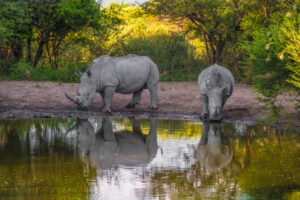
Wildlife, birdwatching, walking opportunities, and conservation projects make it a worthwhile introduction to Botswana’s natural environment.
Use recognized entrances and follow instructions concerning wildlife rather than exploring unfamiliar bush independently.
Central Francistown During the Day
Busy central commercial areas containing hotels, banks, restaurants, supermarkets, and shops are generally manageable during daylight.
Street awareness is still important because larger crowds create opportunities for theft.
Carry limited cash and avoid walking around while distracted by your phone.
Domboshaba
Domboshaba is one of the most interesting archaeological sites accessible from Francistown.
Its dry-stone walls date back several centuries and provide evidence of sophisticated settlements that existed in northeastern Botswana long before the colonial period.
Visit during daylight, wear proper footwear, and avoid climbing on historic walls.
Established Hotels and Restaurants
Major hotels and well-established restaurants are among the easiest places for first-time visitors to spend evenings.
Staff can arrange reliable taxis, airport transportation, and day trips.
This is particularly useful if you are using Francistown as an overnight stop while traveling toward Chobe, Maun, or Zimbabwe.
Places to Avoid in Francistown
Quiet Streets After Dark
Francistown does not have one simple tourist no-go district, but risk rises significantly when streets become quiet and poorly illuminated.
Avoid walking long distances at night, particularly if you are carrying a phone, camera, or luggage.
Use a trusted taxi instead.
Bus and Transport Areas Late at Night
Transportation hubs naturally attract crowds, cash transactions, luggage, and distracted travelers.
Visit during busy daytime periods when possible.
If an overnight bus is unavoidable, keep bags physically close and arrange transportation to your accommodation before arriving.
Isolated Riverbanks
The Tati and Ntshe rivers form part of Francistown’s landscape, but isolated stretches should not be treated as nighttime recreation areas.
In addition to crime concerns, sudden flooding can affect river channels after heavy rainfall.
Avoid entering flowing or flooded riverbeds.
Abandoned Mining Areas
Francistown grew around gold mining, and old workings still exist in the wider region.
Do not explore abandoned shafts, excavations, or mining structures independently.
Unprotected shafts can be extremely deep, while unstable ground and abandoned equipment create additional hazards.
Unofficial Zimbabwe Border Routes
Francistown’s proximity to Zimbabwe makes cross-border travel convenient, but international crossings should always take place through official immigration posts.
Avoid rural tracks or unofficial routes near the border, regardless of how much time someone claims they can save.
Remote Outskirts Without a Reason to Visit
Residential and industrial outskirts are not automatically dangerous, but tourists gain little from wandering through unfamiliar areas after business hours.
Stick to destinations you actually intend to visit and arrange transportation rather than exploring isolated suburbs randomly at night.
Safety Tips for Traveling to Francistown
- Use taxis after dark. Francistown is not a city where visitors need to fear every street, but nighttime changes the risk considerably. Use a recognized taxi when traveling between restaurants, hotels, bars, and transport facilities instead of making long walks through unfamiliar areas.
- Take malaria prevention seriously. Francistown lies within an area where malaria transmission occurs. Before traveling, discuss preventive medication with a travel-health professional. Use mosquito repellent, wear long clothing around dusk and dawn, and sleep in screened or air-conditioned rooms whenever possible.
- Keep your vehicle locked. Smash-and-grab theft and theft from vehicles occur in Botswana. Keep doors locked, particularly when stopped in urban traffic, and never leave phones, cameras, laptops, luggage, or shopping bags visible inside a parked car.
- Avoid long-distance driving at night. Botswana’s highways may look quiet, but darkness brings serious risks from livestock, pedestrians, wildlife, damaged vehicles, and poorly illuminated roads. Plan journeys toward Gaborone, Nata, Kasane, or the Zimbabwe border so that most driving takes place during daylight.
- Keep cash divided between secure locations. Cards are increasingly useful, but cash remains important for taxis, markets, tips, and smaller businesses. Carry only what you expect to spend and keep backup money separately at your accommodation.
- Be cautious around transportation hubs. Bus ranks and roadside transport points are places where travelers are distracted by tickets, luggage, directions, and departure times. Keep backpacks closed, wallets secured, and phones out of sight when you are not actively using them.
- Protect yourself from extreme heat. Francistown can become extremely hot, particularly during the months leading into the summer rains. Carry water, use sunscreen, wear a hat, and avoid unnecessary midday walking. Dehydration can develop faster than visitors accustomed to cooler climates expect.
- Never enter old mine workings. The city’s gold-mining history is fascinating, but abandoned mine shafts are not tourist attractions unless they have been professionally developed for visitors. Unstable soil, deep openings, poor air, and structural collapse can make informal exploration extremely dangerous.
- Arrange border trips properly. If you are traveling onward to Zimbabwe, confirm passport and visa requirements before leaving Francistown. Carry your documents securely and use established transportation. Give yourself extra time for immigration rather than planning a tightly timed connection across the border.
- Carry comprehensive travel insurance. Medical care is available in Francistown, but complicated illnesses or injuries may require additional treatment elsewhere. Insurance should include hospitalization, evacuation, road accidents, theft, malaria treatment, trip interruption, and any safari activities included later in your itinerary.
So... How Safe Is Francistown Really?
Francistown deserves a slightly different assessment from Botswana’s famous safari destinations.
Travelers staying in a protected lodge near Chobe or the Okavango Delta spend most of their time inside highly controlled tourism environments.
Francistown is a real working city of more than 100,000 residents, so ordinary urban crime becomes more relevant.
Botswana currently carries an increased-caution travel rating because of crime.
Petty theft and opportunistic property crime are common, while potentially violent crimes such as muggings, break-ins, home invasions, and smash-and-grab thefts also occur.
Francistown is specifically one of the major cities where visitors should exercise additional awareness.
That does not make it an inherently dangerous destination.
Most travelers using reputable hotels, taxis, restaurants, and established attractions should experience few problems.
Daytime sightseeing is generally straightforward, and there is little reason to avoid the city altogether.
Health and road safety also deserve serious attention.
Malaria transmission occurs in the Francistown area, and long-distance road accidents pose a meaningful risk.
Overall, I rate Francistown as medium risk.
It is perfectly reasonable to visit or use it as a stop between southern Botswana and the country’s northern attractions, but treat it like a city rather than a safari camp.
Secure your valuables, use taxis after dark, protect yourself from mosquitoes, and avoid nighttime highway travel.
How Does Francistown Compare?
| City | Safety Index |
|---|---|
| Francistown |
72 |
| Jwaneng |
82 |
| Serowe |
79 |
| Maun |
82 |
| Kasane |
84 |
| Palapye |
76 |
| Gaborone |
74 |
 Deerfield Beach Deerfield Beach | 78 |
 Sorobon Sorobon | 94 |
 Falmouth Harbour Falmouth Harbour | 86 |
 Sousse Sousse | 48 |
 Sherbrooke Sherbrooke | 82 |
| Syracuse | 71 |
Useful Information

Visas
Visa requirements depend on nationality. Travelers from visa-exempt countries can generally visit Botswana for tourism without applying in advance, while nationals requiring a tourist visa can apply electronically. Botswana normally limits visitors to a maximum of 90 days in a calendar year. The currently listed tourist visa fee is BWP 500.

Currency
Francistown uses the Botswana pula. Cards are accepted at many hotels, supermarkets, restaurants, and larger businesses, but cash remains useful for taxis, markets, small shops, and tips. ATMs are widely available in the city. Carry more than one payment method rather than depending entirely on a single card.

Weather
Francistown has hot summers and mild, dry winters. October through February can be extremely hot, with afternoon temperatures frequently climbing above 30°C. Summer thunderstorms bring most of the annual rainfall and can cause localized flooding. Winter nights are cooler. Sunscreen, a hat, water, and lightweight clothing are essential during hotter months.

Airports
Francistown is served by Phillip Gaonwe Matante International Airport, located only a short drive from the city. Air Botswana operates domestic services linking Francistown with Gaborone, although schedules can vary by day and season. Many international visitors connect through Gaborone or continue overland toward Zimbabwe and northern Botswana.

Travel Insurance
Travel insurance is strongly recommended. Choose coverage for emergency medical care, evacuation, theft, road accidents, missed transportation, and trip cancellation. Because malaria occurs in the Francistown region, confirm that infectious-disease treatment is covered. Travelers continuing to safari areas should also make sure wildlife and adventure activities are included.
Francistown Weather Averages (Temperatures)
Average High/Low Temperature
| Temperature / Month | Jan | Feb | Mar | Apr | May | Jun | Jul | Aug | Sep | Oct | Nov | Dec |
|---|---|---|---|---|---|---|---|---|---|---|---|---|
| High °C |
32 | 31 | 31 | 29 | 27 | 25 | 24 | 28 | 32 | 33 | 33 | 32 |
| Low °C |
21 | 20 | 19 | 16 | 12 | 9 | 9 | 12 | 16 | 19 | 20 | 20 |
| High °F |
90 | 88 | 88 | 84 | 81 | 77 | 75 | 82 | 90 | 91 | 91 | 90 |
| Low °F |
70 | 68 | 66 | 61 | 54 | 48 | 48 | 54 | 61 | 66 | 68 | 68 |
Botswana - Safety by City
| City | Safety Index |
|---|---|
| Francistown | 72 |
| Gaborone | 74 |
| Jwaneng | 82 |
| Kasane | 84 |
| Maun | 82 |
| Palapye | 76 |
| Serowe | 79 |