


 Japan : Safety by City
- Fukuoka
- Hakone
- Hiroshima
- Kamakura
- Kanazawa
- Kyoto
- Nagasaki
- Nara
- Nikko
- Osaka
- Sapporo
- Sendai
- Tokyo
- Yokohama
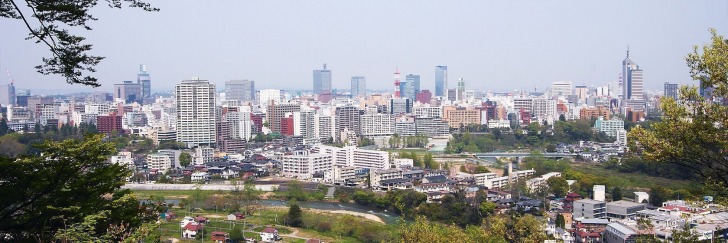
Sendai sits on the Pacific side of northeastern Japan, in Miyagi Prefecture, and often feels like a calmer, greener alternative to the country’s bigger headline cities.
It is the largest city in the Tohoku region, but it still carries a relaxed rhythm that makes it easy for travelers to settle in quickly.
Wide boulevards lined with zelkova trees, a strong food scene, nearby coastlines, and quick access to historic temples and mountain areas give the city a lot more depth than many first-time visitors expect.
Sendai is also a place with real resilience.
The region is forever linked to the 2011 earthquake and tsunami, yet the city today is organized, welcoming, and well-equipped for visitors.
In my view, Sendai is one of the easier Japanese cities to explore safely, as long as you stay aware of natural hazards and use common sense after dark.
Warnings & Dangers in Sendai

OVERALL RISK: LOW
Sendai is generally a low-risk destination for travelers. Violent crime against tourists is uncommon, public spaces are orderly, and the city is easy to navigate. Most safety concerns are the same ones you would expect in any urban destination: keeping an eye on valuables, avoiding late-night trouble in drinking areas, and staying prepared for earthquakes or severe weather alerts.

TRANSPORT & TAXIS RISK: LOW
Public transportation in Sendai is reliable, clean, and easy to use, especially around Sendai Station and the subway lines. Taxis are regulated and generally safe, though they can be expensive compared to trains and buses. The biggest transport risks are missed last trains, getting disoriented in busy station areas, or traveling during bad weather or after seismic activity.

PICKPOCKETS RISK: LOW
Pickpocketing is not a major problem in Sendai compared with many large tourist cities around the world. Still, crowded trains, festivals, shopping arcades, and station areas are the places where distraction theft is most likely to happen. Keep your wallet zipped away, do not leave your phone on restaurant tables, and be extra attentive in busy nightlife zones.

NATURAL DISASTERS RISK: MEDIUM
This is the one category where Sendai deserves more serious attention. Japan is earthquake-prone, and Sendai’s coastal region was deeply affected by the 2011 disaster. Travelers should know evacuation routes, monitor weather and earthquake alerts, and understand tsunami signage if visiting coastal areas. Most visits are trouble-free, but natural hazards are real and should never be treated casually.

MUGGING RISK: LOW
Street robbery and mugging are uncommon in Sendai. Most visitors will not face direct physical threats while walking around the city. That said, intoxication, isolated streets late at night, or wandering into unfamiliar nightlife pockets can raise the risk slightly. If you keep your route clear and avoid looking lost after midnight, you will likely have no issues.

TERRORISM RISK: LOW
Sendai has a low terrorism risk for ordinary travelers. There is no special reason to see the city as a high-threat destination in this category. As with travel anywhere, stay aware in transport hubs and follow local instructions if there is ever a security incident, but this is not a concern that shapes most trips to Sendai.

SCAMS RISK: LOW
Scams are relatively limited in Sendai, especially compared with heavily touristed global cities. The more realistic issue is being overcharged in nightlife venues, pressured into drinks, or misunderstood in bars with unclear fees. Confirm prices before ordering in entertainment districts, use official taxis or transit, and be cautious if a stranger tries to steer you into a specific venue.

WOMEN TRAVELERS RISK: LOW
Sendai is generally a good destination for women traveling alone. Streets are orderly, public transit is dependable, and solo dining or sightseeing feels normal here. The usual precautions still apply: watch your drink, avoid overly intoxicated crowds, and be cautious in bar districts late at night. Many solo women will likely find Sendai more comfortable than much larger party-focused cities.

TAP WATER RISK: LOW
Tap water in Sendai is generally considered safe to drink. For most travelers, there is no need to rely on bottled water for health reasons. If you have a sensitive stomach, you may still prefer bottled water for the first day or two, but the real concern is staying hydrated rather than worrying about water safety.
Safest Places to Visit in Sendai
Aoba Castle Area
The Aoba Castle area is one of the best places to start because it combines history, open space, and a peaceful atmosphere.
The hilltop setting offers broad views of the city, and the area tends to feel calmer than the commercial core.
It is a good place for travelers who want scenery without the stress of dense crowds.
Jozenji-dori and Central Sendai
Jozenji-dori is the elegant side of central Sendai.
The avenue’s tree-lined design, public art, and walkable layout make it one of the safest-feeling urban stretches in the city.
Nearby shopping streets and cafes attract a steady local crowd, which usually creates a comfortable environment for visitors during the day and early evening.
Zuihoden and Temple Areas
Zuihoden and the surrounding historic sites offer a quieter, more reflective travel experience.
These areas are well-suited to visitors who want cultural sightseeing without the hectic energy of major nightlife zones.
They are best enjoyed in daylight, when paths, signs, and transport connections are easiest to manage.
Matsushima as an Easy Side Trip
While not in central Sendai, Matsushima is one of the safest and most rewarding excursions from the city.
Known for its bay views and pine-covered islands, it is popular but not chaotic.
It works well for travelers who want a scenic day trip with a low-stress atmosphere, especially families, couples, and older visitors.
Places to Avoid in Sendai
Kokubuncho Late at Night
Kokubuncho is Sendai’s best-known nightlife district, and it is not dangerous in the sense that some entertainment districts elsewhere can be.
Still, this is the place where travelers are most likely to run into drunken behavior, confusing bar charges, aggressive invitations into venues, or simple bad judgment after too many drinks.
Visit if you want the nightlife, but stay alert and keep the night controlled.
Isolated Streets Around Entertainment Areas
The problem in Sendai is usually not a notorious neighborhood but the shift in atmosphere once you move off the main lit streets.
Side streets around bar zones can feel empty late at night, especially after trains stop running.
These are the places where it makes sense to avoid wandering alone, particularly if you have been drinking or are unsure of your route.
Coastal Zones During Hazard Warnings
The coast near Sendai is not an area to avoid under normal conditions, but it becomes one during tsunami alerts, severe weather, or after significant seismic activity.
Travelers should take warnings seriously and leave low-lying areas immediately if local authorities issue evacuation guidance.
This is a very specific but very important risk category in the region.
Poorly Planned Night Transfers
One of the more practical travel mistakes in Sendai is not checking the timing of the last train or assuming transport will be simple after midnight.
If you miss the final service, you may end up paying a high taxi fare or walking farther than you expected through unfamiliar areas.
That is less a dangerous zone than a bad situation to avoid.
Safety Tips for Traveling to Sendai
- Learn the basics of earthquake and tsunami safety. In Sendai, this is not optional travel trivia. Know where exits are in hotels, stations, and malls. If you head to the coast, pay attention to tsunami evacuation signs and move uphill or inland immediately if an alert is issued.
- Keep your phone charged and mobile data working. A charged phone matters everywhere, but especially in Japan, where transit updates, translation tools, maps, and emergency alerts can all make your trip smoother. Carry a power bank and avoid ending the night with a dead battery.
- Stay near major stations if you want the easiest trip. Hotels around Sendai Station or along straightforward transit routes make the city much easier to navigate. You reduce the odds of getting stranded after dark, taking long taxis, or wandering through quiet side streets trying to find your accommodation.
- Treat nightlife with healthy skepticism. Kokubuncho can be fun, but do not follow strangers into bars you did not choose yourself. Confirm cover charges, drink prices, and any time-based fees before sitting down. A little caution here prevents most of the classic travel-nightlife problems.
- Use cash and cards wisely. Japan is easier for card users than it used to be, but some smaller places still prefer cash. Carry enough yen for the day without flashing a large amount in public. Keep your wallet secured, especially in arcades, markets, and packed transit hubs.
- Do not assume English will solve every problem. Sendai is friendly, but English support can be more limited than in Tokyo. Save your hotel address in Japanese, take a screenshot of the routes, and learn a few key phrases. That small preparation can prevent confusion if you need help quickly.
- Watch the weather, especially in winter and during stormy periods. Sendai can be chilly and windy, and seasonal rain can make streets slick. If you are taking day trips to the coast, mountains, or temple areas, check conditions first and dress for temperature swings rather than just the forecast at noon.
- Stay aware in crowded places, even though crime is low. Sendai is not famous for pickpockets, but low risk does not mean no risk. Crowded festivals, station platforms, and shopping streets are still the best places for someone to take advantage of a distracted tourist.
- Respect local routines and etiquette. Japan is easier to travel safely when you move with the local rhythm. Queue properly, keep noise low on trains, follow crossing signals, and observe posted rules. This helps you avoid unnecessary friction and makes asking for help more likely to go well.
- Buy travel insurance before you go. Sendai is safe overall, but medical issues, missed transport, storm disruption, and trip changes can happen anywhere. Insurance matters even more in a region where natural events are part of the real risk picture. It is one of the simplest ways to protect your trip.
So... How Safe Is Sendai Really?
Sendai is, in practical terms, one of the safer urban destinations a traveler can choose in Japan.
Day-to-day crime risk is low, violent incidents involving tourists are uncommon, and the city’s infrastructure makes getting around fairly stress-free.
It has the advantages many travelers want: a major station, dependable public transportation, organized streets, and enough international tourism to make things manageable without feeling overwhelmed.
What makes Sendai different is not ordinary crime but geography.
This is a region where earthquake awareness genuinely matters.
The legacy of the 2011 Great East Japan Earthquake and tsunami still shapes how travelers should think about safety here.
That does not make Sendai unsafe.
It means the risk profile is different from cities where the main concern is theft or scams.
For most visitors, the biggest real-world problems are small ones: too much drinking in Kokubuncho, a missed last train, careless handling of valuables, or a lack of planning for the weather.
If you stay alert, follow local guidance, and take natural-disaster preparedness seriously, Sendai is a very manageable destination.
I would rate it as a city where careful travelers can feel comfortable, relaxed, and far less on edge than in many bigger tourist hubs.
How Does Sendai Compare?
| City | Safety Index |
|---|---|
| Sendai |
88 |
| Kyoto |
83 |
| Kanazawa |
83 |
| Fukuoka |
90 |
| Nagasaki |
96 |
| Hakone |
92 |
| Yokohama |
87 |
 Gaffney Gaffney | 68 |
 Ushuaia Ushuaia | 68 |
 Cidade Velha Cidade Velha | 74 |
| Laconia | 74 |
| Trenton | 46 |
| Belleville | 74 |
Useful Information

Visas
Japan allows visa-free short stays for many nationalities, often up to 90 days, though the exact rule depends on your passport. Travelers from countries that need a visa may be able to use Japan’s online visa system in some cases. Always check your nationality’s current requirements before booking.

Currency
The local currency is the Japanese yen. Cards are widely accepted in hotels, stations, and many restaurants, but smaller businesses may still prefer cash. The easiest option is usually withdrawing yen from an ATM after arrival rather than exchanging too much money before the trip.

Weather
Sendai has four clear seasons. Winters are cold, summers are warm and humid, and spring and autumn are usually the most comfortable for walking around. Pack layers in cooler months and breathable clothing in summer. A light rain jacket is smart any time of year.

Airports
Sendai Airport is the main gateway for the city and the most convenient arrival point. The Sendai Airport Access Line connects the airport with JR Sendai Station in as little as about 17 minutes, making entry into the city very easy. Taxis are available, but the rail is usually the more practical option.

Travel Insurance
Travel insurance is a very good idea for Sendai. Even in a low-crime city, it helps cover medical costs, cancellations, lost baggage, and disruptions caused by weather or transport problems. In a region where natural hazards are part of the safety picture, going without coverage is not worth the gamble.
Sendai Weather Averages (Temperatures)
Average High/Low Temperature
| Temperature / Month | Jan | Feb | Mar | Apr | May | Jun | Jul | Aug | Sep | Oct | Nov | Dec |
|---|---|---|---|---|---|---|---|---|---|---|---|---|
| High °C |
6 | 7 | 10 | 15 | 20 | 23 | 26 | 28 | 25 | 20 | 14 | 9 |
| Low °C |
-2 | -2 | 1 | 6 | 11 | 15 | 19 | 21 | 18 | 12 | 6 | 1 |
| High °F |
43 | 45 | 50 | 59 | 68 | 73 | 79 | 82 | 77 | 68 | 57 | 48 |
| Low °F |
28 | 28 | 34 | 43 | 52 | 59 | 66 | 70 | 64 | 54 | 43 | 34 |
Japan - Safety by City
| City | Safety Index |
|---|---|
| Fukuoka | 90 |
| Hakone | 92 |
| Hiroshima | 80 |
| Kamakura | 91 |
| Kanazawa | 83 |
| Kyoto | 83 |
| Nagasaki | 96 |
| Nara | 88 |
| Nikko | 91 |
| Osaka | 88 |
| Sapporo | 92 |
| Sendai | 88 |
| Tokyo | 90 |
| Yokohama | 87 |













Great disaster management practices
I just love how on top of things Japan is in terms of disaster management, if I recall in our class, there is a Sendai framework for disaster risk reduction. Anyway, I didn’t know that at the time I visited Sendai, I was too busy enjoying the food! You will enjoy trying out the street food there.
Did you really think the ancient ruins would be more exciting than the food?