


 Indonesia : Safety by City
Indonesia - safety as a country
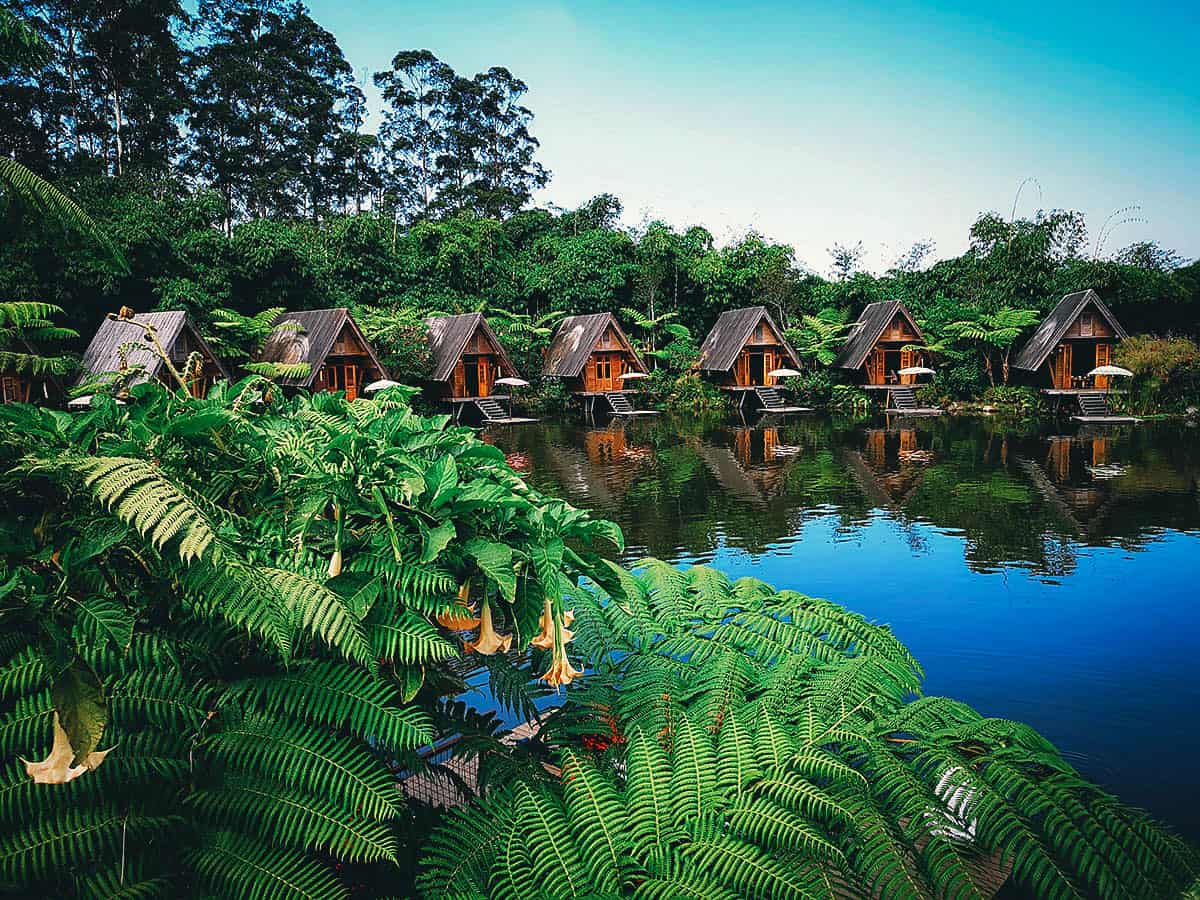
Bandung sits in the highlands of West Java, about 135 kilometers southeast of Jakarta, and that elevation gives it a cooler feel than many big Indonesian cities.
It is often called the Paris of Java because of its colonial architecture, creative scene, and long reputation as a weekend escape for people from Jakarta.
What makes Bandung interesting for travelers is that it mixes historic streets like Braga and Asia Afrika with shopping districts, cafés, volcanic scenery, and easy access to the hills around the city.
The catch is that Bandung is not just a pretty city in the mountains.
It also lives with the very real realities of Indonesian urban travel: traffic, petty theft in crowded areas, and serious rainy season flooding and landslide risk in the wider region.
Warnings & Dangers in Bandung

OVERALL RISK: MEDIUM
Bandung feels manageable for most tourists who use normal city precautions, and violent crime against visitors is not the first concern. The bigger pattern is petty theft, transport stress, and weather-related disruption. I would rate the city as medium risk because a careful traveler can do very well here, but ignoring local conditions, especially heavy rain and crowded transit zones, can create problems fast.

TRANSPORT & TAXIS RISK: MEDIUM
Transport is usable, but it is not effortless. Bandung is famous for congestion, and that alone can turn short trips into long, frustrating rides. The smartest move is to rely on reputable ride-hailing apps or clearly identifiable taxi operators rather than hopping into random cars near stations or nightlife areas. The risk is less about dramatic danger and more about overcharging, route padding, and confusion during peak traffic.

PICKPOCKETS RISK: MEDIUM
Pickpocketing is not something every visitor will experience, but crowded shopping areas, markets, transport hubs, and busy pedestrian streets deserve your full attention. Bandung is a city where people cluster tightly in retail zones and public transport spaces, and that creates the usual opportunities for phone theft, wallet lifting, and bag snatching. It is very much a stay alert, zip your bag, and keep your phone off the table kind of destination.

NATURAL DISASTERS RISK: HIGH
This is the biggest safety issue in and around Bandung. The Bandung Basin is known for heavy rainfall, flooding, and hail events, while the surrounding West Java region also faces landslide risk during heavy rain. Recent floods and landslides in the wider Bandung area are a reminder that the weather here is not just an inconvenience. It can disrupt roads, neighborhoods, and day trips, especially in the rainy season.

MUGGING RISK: MEDIUM
Mugging is not the headline risk for most tourists, but it cannot be dismissed, particularly at night, in poorly lit areas, or when someone flashes a phone or cash after leaving bars, stations, or roadside stops. The wider Indonesian guidance points more toward street crime and opportunistic theft than toward systematic attacks on travelers. Still, late-night wandering alone without a plan is not a smart Bandung strategy.

TERRORISM RISK: MEDIUM
Indonesia as a whole continues to carry an ongoing terrorism warning from official foreign travel advisories. That does not mean Bandung is in constant immediate danger, but it does mean travelers should treat crowded venues, malls, transport nodes, and major public events with extra awareness. For most visitors, this risk remains background rather than daily, yet it is serious enough that it should not be ignored.

SCAMS RISK: MEDIUM
Scams in Bandung are more likely to be the annoying, opportunistic kind than elaborate criminal setups. Think inflated taxi fares, fake helpfulness around stations, tour overpricing, and nightlife-related problems such as drink spiking or unsafe alcohol in Indonesia more broadly. The best defense is simple: use apps, confirm prices in advance, keep your drink in sight, and be skeptical of offers that appear out of nowhere.

WOMEN TRAVELERS RISK: MEDIUM
Many women travel through Indonesian cities without major trouble, and Bandung is not widely viewed as a place where female tourists face extraordinary danger. Still, solo women should expect some unwanted attention in certain settings and should be more cautious with nightlife, alcohol, and late evening transport choices. Modest dress is not legally required in Bandung in the same way as in some more conservative areas, but dressing respectfully tends to make travel smoother.

TAP WATER RISK: HIGH
Do not drink the tap water in Bandung. This is one of the easier travel rules to follow and one of the most important. Official U.S. and U.K. travel guidance for Indonesia is clear that tap water is not safe to drink, and broader public health reporting has long pointed to contamination concerns in Indonesian household water supplies. Use sealed bottled water or reliable filtered water, and be careful with ice unless you trust the source.
Safest Places to Visit in Bandung
The parts of Bandung that usually feel most comfortable for visitors are the central, well-trafficked, and tourism-oriented areas where there is lots of daylight activity and a steady flow of locals.
Braga Street is one of the easiest places to enjoy on foot because it is one of the city’s best-known historic corridors, with cafés, heritage buildings, and enough activity that it rarely feels isolated.
Nearby Jalan Asia Afrika also works well for first-time visitors who want a central base with recognizable landmarks and a strong daytime atmosphere.
Gedung Sate and the area around the Geology Museum are also good choices for travelers who prefer organized sightseeing over improvising through dense commercial streets.
These spots tend to attract families, school groups, and domestic tourists, which often creates a more relaxed environment than the city’s most chaotic shopping zones.
Dago is another strong option, especially for travelers who want restaurants, higher ground, and easier access to stylish cafés and scenic viewpoints.
If you want a day trip outside the tight urban core, it is usually wiser to choose established attractions with regular visitor traffic rather than wandering into random fringe districts.
In practical terms, the safest Bandung experience is usually the least romantic one: stay in a reputable hotel, use app-based transport, explore popular districts in daylight, and leave the adventure mode for planned outings rather than spur-of-the-moment detours.
Bandung’s reward structure is more than spontaneous when it comes to safety.
Places to Avoid in Bandung
I would not frame Bandung as a city full of no-go neighborhoods, but there are definitely places and situations tourists should treat with extra caution.
The first are flood-prone parts of Greater Bandung, especially low-lying southern areas that regularly show up in reports about inundation, including Dayeuhkolot and Bojongsoang.
These are not classic tourist districts anyway, and during heavy rain, they can become exactly the kind of place you do not want to be navigating with luggage, a rental car, or poor local knowledge.
Crowded retail and transit areas also deserve a warning label.
Pasar Baru and similar dense shopping zones can be excellent for bargains, but they are the sort of environments where distracted visitors make easy targets for pickpockets.
The same logic applies around busy stations, roadside transport points, and any place where people are pressed together and focused on getting somewhere else.
These are not areas to avoid completely, but they are areas where you should lower your profile and raise your awareness.
At night, I would also avoid dim side streets off major entertainment areas, especially if I am alone, have been drinking, or am relying on strangers for directions or rides.
Bandung is much safer when you move with intention.
The city gets riskier when you drift into badly lit pockets, accept unsolicited offers, or try to improvise transport after midnight.
That is when an ordinary urban nuisance can turn into a real problem.
Safety Tips for Traveling to Bandung
- Use ride-hailing apps whenever possible. In Bandung, the issue is not just price but predictability. App-based rides reduce the chance of overcharging, route games, and confusion in traffic-heavy areas. They also create a digital trip record, which is useful if something goes wrong.
- Treat rain alerts seriously. Bandung’s weather can change quickly, and the wider region has seen flooding and deadly landslides. If heavy rain is forecast, reconsider valley roads, hillside outings, and unnecessary long drives. A lazy café day is smarter than getting trapped in a flood zone.
- Keep your bag in front of you in crowded markets and malls. Bandung is a shopping city, and that means lots of shoulder-to-shoulder environments. A crossbody bag worn in front, zipped closed, is a simple move that prevents the most common problems.
- Do not drink tap water, and think twice about ice. This is not the destination to test your stomach. Stick to sealed bottles or trusted filtered water, and if a place looks sloppy about hygiene, order something without ice.
- Stay in central, well-reviewed neighborhoods. Braga, central Bandung, and established hotel corridors make life easier because they keep you close to reliable transport, food, and activity. A bargain stay far from the center can cost you more in stress and safety trade-offs.
- Watch your drink and avoid suspicious alcohol. Official travel advisories for Indonesia warn about drink spiking and methanol contamination. In practice, that means buying from reputable venues, never leaving your glass unattended, and not accepting drinks from strangers just because everyone seems friendly.
- Build extra time into every move. Bandung traffic is not just annoying. It can affect your safety decisions by pressuring you into rushed transfers, nighttime arrivals, or accepting random ride offers. Leave early, especially for flights, and the city becomes much easier to manage.
- Avoid showing expensive phones and cash on the street. Bandung is not the place to stand curbside with your wallet open while comparing restaurant options. Do your map checks indoors, use contactless or small bills when possible, and keep your phone gripped firmly in busy corridors.
- Respect local norms. Indonesia is diverse, but conservative social expectations still matter. Dressing neatly, being polite, and avoiding drunken behavior reduce friction. Safety is not only about crime. Sometimes it is about not becoming the person everyone notices for the wrong reasons.
- Buy travel insurance that covers disruption and medical care. In Bandung, weather can wreck plans, and stomach bugs or accident-related care can turn a cheap trip expensive fast. Insurance is boring right up until the moment it is the smartest purchase you’ve made.
So... How Safe Is Bandung Really?
Bandung is reasonably safe for travelers who behave as if they are in a real working city, not a theme-park version of Indonesia.
Most visitors will not deal with serious violence.
The more realistic concerns are theft in crowded areas, dodgy transport options, unsafe drinking water, nightlife-related scams, and weather disruptions.
On ordinary days, Bandung feels closer to moderately hectic than truly dangerous.
That is why I would not label it low risk, but I also would not call it a place most tourists need to fear.
What pushes Bandung up the risk scale is the environmental picture.
The Bandung Basin has a documented pattern of heavy rainfall, and the wider region has recently faced destructive floods and landslides.
That matters because safety here is seasonal and situational.
A perfectly pleasant neighborhood in dry weather can become a headache during heavy rain.
The official Indonesian advisories also keep terrorism and security awareness on the table nationwide, which adds another layer, even if it is not the risk most travelers will notice day to day.
My take is simple: Bandung is safe enough for most travelers, but not casual enough for sloppy travel habits.
Plan your routes, use trusted transport, keep your valuables close, and respect the weather.
Do that, and Bandung is much more likely to feel charming than stressful.
How Does Bandung Compare?
| City | Safety Index |
|---|---|
| Bandung |
78 |
| Bali |
70 |
| Surabaya |
80 |
| Medan |
62 |
| Denpasar |
60 |
| Jakarta |
55 |
 Canterbury Canterbury | 79 |
 Sofia Sofia | 70 |
 Olympia Olympia | 57 |
| Cuyahoga Falls | 80 |
| Delaware | 70 |
 Saltillo Saltillo | 70 |
Useful Information

Visas
Indonesia’s official immigration system says travelers should submit an arrival card within 3 days before arrival, and many tourists can use the electronic Visa on Arrival. The official e VOA information lists a stay of up to 30 days, extendable once for another 30 days, with a fee of IDR 500,000. A passport validity of at least 6 months is generally required.

Currency
Bandung uses the Indonesian rupiah, or IDR. In practice, your best exchange options are airport counters for small starter cash, then reputable banks, licensed money changers, or ATMs in malls and major commercial areas. Avoid exchanging money with informal street operators. Carry smaller bills too, since everyday transport and food purchases often go more smoothly that way.

Weather
Bandung’s elevation gives it a cooler climate than many Indonesian cities, which is one reason people like it. But cooler does not mean dry. Heavy rain is a serious issue, especially in the wetter months, and the region has a history of flooding and landslides. Pack light layers, a rain jacket, shoes with grip, and do not assume sunny mornings will stay that way.

Airports
The main airport for Bandung is Husein Sastranegara Airport, located about 4.8 kilometers northwest of the city center and about 2.4 kilometers from Bandung Central Station. That short distance makes arrival fairly easy when traffic cooperates. Depending on airline schedules and route changes, some travelers also use Kertajati for West Java access, but for Bandung itself, Husein Sastranegara is the most direct gateway.

Travel Insurance
Travel insurance is a very good idea for Bandung. Between weather-related disruption, flood season surprises, medical care needs, theft risk, and general travel unpredictability, this is exactly the kind of destination where insurance earns its keep. Make sure your policy covers medical treatment, trip interruption, and any outdoor or volcanic sightseeing activities you plan to do.
Bandung Weather Averages (Temperatures)
Average High/Low Temperature
| Temperature / Month | Jan | Feb | Mar | Apr | May | Jun | Jul | Aug | Sep | Oct | Nov | Dec |
|---|---|---|---|---|---|---|---|---|---|---|---|---|
| High °C |
27 | 27 | 28 | 29 | 28 | 28 | 28 | 29 | 29 | 29 | 28 | 28 |
| Low °C |
20 | 20 | 20 | 20 | 20 | 19 | 17 | 17 | 19 | 20 | 20 | 20 |
| High °F |
81 | 81 | 82 | 84 | 82 | 82 | 82 | 84 | 84 | 84 | 82 | 82 |
| Low °F |
68 | 68 | 68 | 68 | 68 | 66 | 63 | 63 | 66 | 68 | 68 | 68 |
Indonesia - Safety by City
| City | Safety Index |
|---|---|
| Bali | 70 |
| Bandung | 78 |
| Denpasar | 60 |
| Jakarta | 55 |
| Medan | 62 |
| Surabaya | 80 |













Can't wait to go!
Hi, thanks for the review! Planning my second trip to India and due to your review will be putting this city on my agenda for sure!
Did you get to check out any of the historical buildings while you were there, or do you think the outdoor spots are the real highlight?
Did you have a favorite spot in Bandung that felt especially magical? The mix of history and that vibrant atmosphere really sticks with you.
Is it true that Bandung really feels like the Paris of Java with all its stylish boutiques and historical charm?