 Croatia : Safety by City
Croatia - safety as a country
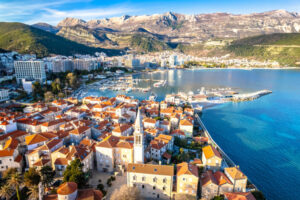
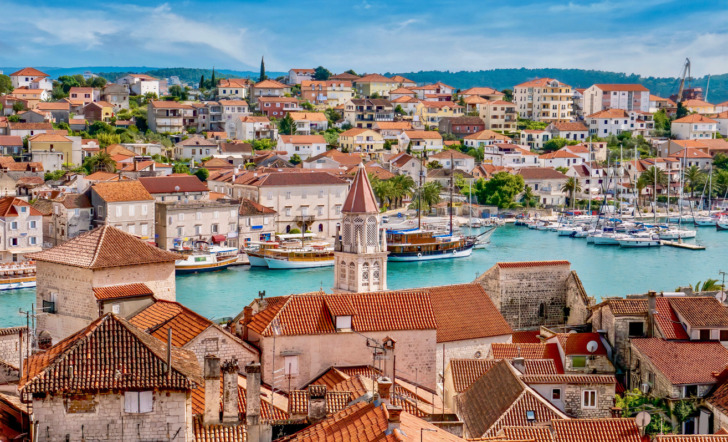
Trogir is a historic coastal town in Croatia’s Dalmatia region, located between Split and the island of Čiovo.
Its compact medieval center, waterfront promenade, stone streets, churches, marina, beaches, and easy access to nearby islands make it a popular stop for travelers exploring the central Adriatic coast.
For most visitors, Trogir is a very safe destination.
Violent crime involving tourists is uncommon, the historic center is heavily pedestrianized, and the town remains active well into the evening during the summer tourism season.
The most realistic concerns are petty theft in crowded areas, slippery stone streets, summer heat, traffic congestion, boating and swimming accidents, and occasional severe weather.
Visitors driving around Trogir should also prepare for narrow streets and heavy seasonal traffic.
With ordinary precautions, Trogir is one of the easier European coastal destinations to explore safely.
Warnings & Dangers in Trogir

OVERALL RISK: LOW
Trogir is generally very safe for tourists. Serious violent crime is uncommon, and visitors can usually explore the Old Town, waterfront, restaurants, beaches, and nearby Čiovo without unusual security concerns. Petty theft can occur during the busiest summer months, particularly in crowded pedestrian areas and transportation hubs. Heat, traffic, and water-related accidents are usually more realistic concerns than crime.

TRANSPORT & TAXIS RISK: LOW
Taxis, buses, private transfers, and app-based transportation are generally safe. Traffic is the greater problem, especially during July and August. The bridges connecting Trogir with Čiovo and roads leading toward Split can become heavily congested. Drivers should also expect narrow roads, limited parking, scooters, cyclists, and pedestrians. Use licensed taxis or established ride services and confirm prices before longer trips.

PICKPOCKETS RISK: LOW
Pickpocketing is not a major problem in Trogir, but crowded tourist areas create opportunities for theft. The Old Town, waterfront promenade, bus station, markets, festivals, and packed summer events deserve additional attention. Keep wallets and phones secure and avoid leaving bags hanging unattended from restaurant chairs. Beach theft is another concern, so do not leave valuables unattended while swimming.

NATURAL DISASTERS RISK: LOW
Trogir has relatively low natural-disaster risk. Summer heatwaves, thunderstorms, strong winds, and occasional coastal flooding are the most realistic hazards. Wildfires can occur in dry areas of Dalmatia during hot summers, particularly outside built-up tourist zones. Earthquakes are possible in Croatia, but they are not a routine concern for visitors. Travelers using boats should pay particular attention to sudden weather changes and strong Adriatic winds.

MUGGING RISK: LOW
Muggings and violent robberies involving tourists are rare. The historic center remains busy late into the evening during the tourism season, and visitors generally feel comfortable walking around after dark. Normal precautions still apply. Avoid completely deserted areas late at night, particularly if intoxicated, and do not openly carry large amounts of cash.

TERRORISM RISK: LOW
The terrorism risk in Trogir is low. There is no pattern of attacks specifically targeting tourists in the town. Normal awareness around airports, transportation hubs, festivals, and major public gatherings is sufficient.

SCAMS RISK: LOW
Tourist scams are not a major problem in Trogir. Visitors may occasionally encounter inflated taxi fares, questionable excursion offers, or unclear restaurant pricing. Boat tours and island excursions should be booked through established operators. Confirm what is included before paying and ask about fuel, entrance fees, transfers, and cancellation terms.

WOMEN TRAVELERS RISK: LOW
Trogir is generally comfortable for women traveling alone. Solo female travelers regularly stay in the Old Town, dine alone, use public transportation, and walk along the waterfront without significant problems. Normal precautions remain appropriate around bars and nightlife. Keep control of drinks, avoid isolated beaches very late at night, and use reliable transportation when returning to accommodation farther away.

TAP WATER RISK: LOW
Tap water in Trogir is generally safe to drink. Bottled water is widely available for visitors who prefer it. During summer, travelers should pay more attention to drinking enough water because high temperatures and strong sun can cause dehydration quickly.
Safest Places to Visit in Trogir
Trogir Old Town
The historic Old Town is the center of tourism and one of the safest parts of Trogir.
Its narrow stone streets contain restaurants, cafés, churches, shops, hotels, and historic buildings.
The area is heavily pedestrianized and remains active throughout the day and evening.
The biggest practical risk is slipping on polished stone when streets are wet.
Trogir Waterfront
The waterfront promenade is one of the busiest and most attractive parts of town.
Restaurants, cafés, yachts, excursion boats, and pedestrians keep the area lively well into the evening.
Crime is uncommon, but visitors should secure phones and wallets during busy summer nights.
Kamerlengo Fortress Area
Kamerlengo Fortress and the western end of the waterfront are popular sightseeing areas.
The surroundings are generally safe during daylight and evening hours.
Take care when climbing old stone steps or walking across uneven surfaces, particularly after rain.
Čiovo
The island of Čiovo is connected directly to Trogir and contains beaches, apartments, restaurants, and residential neighborhoods.
The main tourist areas are generally very safe.
Traffic and parking can become frustrating in summer, and some roads are narrow.
Okrug Gornji
Okrug Gornji is one of the most popular beach areas near Trogir.
It has restaurants, bars, accommodation, swimming areas, and water activities.
The area is generally safe, particularly during the busy summer season.
Keep valuables secure on the beach and pay attention to boats and watercraft while swimming.
Places to Avoid in Trogir
Isolated Beaches Late at Night
Trogir does not have major neighborhoods that tourists need to avoid because of crime.
However, deserted beaches and isolated coastal paths provide fewer options for assistance late at night.
Visit remote swimming locations during daylight whenever possible.
Unofficial Swimming Areas Near Boat Traffic
The waters around Trogir are busy with ferries, yachts, speedboats, and excursion vessels.
Avoid swimming outside designated areas near marinas, ports, or busy navigation routes.
Boat operators may have difficulty seeing swimmers in open water.
Narrow Roads During Peak Traffic
Roads around Trogir and Čiovo can become heavily congested in summer.
Avoid unnecessary driving during peak arrival and departure periods if possible.
Narrow roads combined with impatient drivers, scooters, pedestrians, and parked vehicles can make driving stressful.
Exposed Areas During Strong Winds
Strong Adriatic winds can make boating, swimming, and coastal walking more dangerous.
Avoid exposed piers, rocky shorelines, and small-boat excursions when weather conditions deteriorate.
Wildfire-Affected Areas
During periods of extreme heat and drought, vegetation around Dalmatia can become highly flammable.
Never enter areas affected by wildfire warnings, road closures, smoke, or emergency operations.
Follow evacuation instructions immediately if issued.
Safety Tips for Traveling to Trogir
- Protect valuables in crowded areas. The Old Town and waterfront become extremely busy during summer. Keep wallets, phones, passports, and bags secure when moving through crowds.
- Wear footwear with good grip. Trogir’s polished stone streets can become slippery, especially after rain. Shoes with decent traction are safer than smooth-soled sandals.
- Do not leave belongings unattended on beaches. Take only what you need and use hotel safes or lockers for passports, extra cash, and expensive electronics.
- Prepare for summer heat. July and August can be very hot. Carry water, use sunscreen, wear a hat, and avoid prolonged exposure during the hottest afternoon hours.
- Book boat trips with reputable operators. Check the condition of the boat, availability of life jackets, weather policy, and what is included before paying.
- Respect swimming zones. Stay away from busy marina entrances and navigation channels. Use marked beach areas where possible.
- Expect heavy traffic. Allow extra travel time when going to Split Airport, Split, or across Čiovo during peak summer periods.
- Watch children near the waterfront. Many sections of the promenade and marina are directly beside deep water without substantial barriers.
- Take weather warnings seriously. Strong winds and thunderstorms can make sea conditions deteriorate quickly. Avoid boating or swimming when conditions become rough.
- Secure rental cars. Do not leave luggage, passports, cameras, or other valuables visible inside parked vehicles, even in otherwise safe areas.
So... How Safe Is Trogir Really?
Trogir is one of the safer tourist destinations on Croatia’s Adriatic coast.
Violent crime is unlikely to be a significant concern for most visitors.
Walking through the Old Town, dining along the waterfront, visiting beaches, or returning to accommodation after dinner can generally be done comfortably.
Petty theft is possible, particularly during the busiest summer months when narrow streets become crowded with tourists.
The bigger risks are often practical.
Trogir’s old stone streets can become slippery, summer temperatures can be intense, and traffic around the town can become extremely congested.
Water activities also deserve attention.
The coast around Trogir is busy with boats, yachts, ferries, jet skis, and excursion vessels.
Swimming outside marked areas or entering open water near navigation routes creates unnecessary risk.
Weather can change quickly on the Adriatic.
Strong winds and thunderstorms can make small-boat trips unsafe, even when conditions looked pleasant earlier in the day.
Driving is another source of stress rather than serious danger.
Roads on Čiovo can be narrow, parking is limited, and peak-season traffic can produce long delays.
There are no major districts in Trogir that ordinary visitors need to avoid because of crime.
Secure your belongings, stay hydrated, wear sensible footwear, respect swimming areas, and take weather conditions seriously.
With those precautions, Trogir is a very safe and easy destination for most travelers.
How Does Trogir Compare?
| City | Safety Index |
|---|---|
| Trogir |
87 |
| Korcula Town |
89 |
| Rovinj |
88 |
| Zagreb |
80 |
| Split |
67 |
| Rijeka |
85 |
| Dubrovnik |
90 |
 Cali | 52 |
 Lake Havasu City | 73 |
| Pasadena | 78 |
| Mount Dora | 91 |
| Fort Madison | 49 |
 East End | 86 |
Useful Information

Visas
Croatia is part of the Schengen Area. Travelers from many countries can visit for short tourism stays without obtaining a visa in advance, while others require a Schengen visa. Visitors should confirm the rules applying to their nationality and make sure their passport meets current Schengen validity requirements.

Currency
Croatia uses the euro, abbreviated EUR. Credit and debit cards are widely accepted in Trogir’s hotels, restaurants, shops, supermarkets, and tourism businesses. Cash is still useful for smaller cafés, markets, parking, tips, and some excursion providers. ATMs are widely available, although travelers should check withdrawal fees before completing transactions.

Weather
Trogir has a Mediterranean climate. Summers are hot, dry, and sunny, with July and August typically the warmest and busiest months. Spring and autumn are milder and generally comfortable for sightseeing. Winters are cooler and wetter but remain relatively mild compared with inland Europe. Strong coastal winds and thunderstorms can occur throughout the year.

Airports
Split Airport is the main airport serving Trogir and is located only a few kilometers away. The drive can take around 10 to 20 minutes under light traffic but considerably longer during busy summer periods. Buses, taxis, private transfers, and rental cars connect the airport with Trogir.

Travel Insurance
Travel insurance is recommended for international visitors. Useful coverage includes emergency medical treatment, hospitalization, trip cancellation, lost belongings, transportation disruption, and delayed flights. Travelers planning sailing, diving, kayaking, jet skiing, or other water activities should confirm that those activities are covered by their policy.
Trogir Weather Averages (Temperatures)
Average High/Low Temperature
| Temperature / Month | Jan | Feb | Mar | Apr | May | Jun | Jul | Aug | Sep | Oct | Nov | Dec |
|---|---|---|---|---|---|---|---|---|---|---|---|---|
| High °C |
10 | 11 | 14 | 18 | 23 | 27 | 30 | 30 | 25 | 20 | 15 | 12 |
| Low °C |
6 | 6 | 8 | 11 | 16 | 19 | 22 | 22 | 18 | 14 | 10 | 6 |
| High °F |
50 | 52 | 57 | 64 | 73 | 81 | 86 | 86 | 77 | 68 | 59 | 54 |
| Low °F |
43 | 43 | 46 | 52 | 61 | 66 | 72 | 72 | 64 | 57 | 50 | 43 |
Croatia - Safety by City
| City | Safety Index |
|---|---|
| Dubrovnik | 90 |
| Hvar | 85 |
| Korcula Town | 89 |
| Rijeka | 85 |
| Rovinj | 88 |
| Sibenik | 86 |
| Split | 67 |
| Trogir | 87 |
| Zadar | 84 |
| Zagreb | 80 |