 Croatia : Safety by City
Croatia - safety as a country
Šibenik is a historic coastal city in Croatia’s Dalmatia region, overlooking the Adriatic Sea between Zadar and Split.
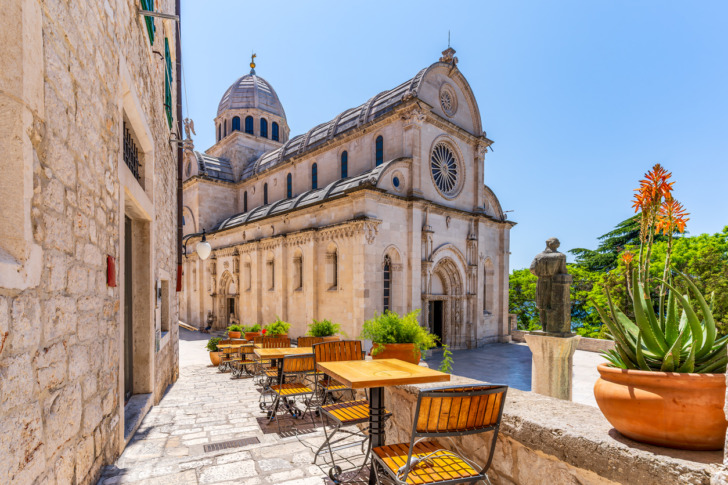
The city is known for its medieval Old Town, stone streets, waterfront promenade, impressive fortresses, nearby islands, and the UNESCO-listed Cathedral of St. James.
It is also a popular base for visiting Krka National Park.
From a safety perspective, Šibenik is generally a very safe destination for travelers.
Serious violent crime involving tourists is rare, the historic center is comfortable to explore on foot, and Croatia overall has a strong reputation for visitor safety.
Petty theft, vehicle break-ins, slippery stone streets, road accidents, intense summer heat, wildfires, and boating or swimming accidents are more realistic concerns.
Crowds increase significantly during the summer, particularly around the Old Town, waterfront, festivals, and major attractions.
With ordinary precautions, Šibenik is a low-risk destination for families, couples, solo travelers, and visitors exploring Croatia’s Dalmatian coast.
Warnings & Dangers in Sibenik

OVERALL RISK: LOW
Šibenik is generally a low-risk destination. Violent crime against visitors is rare, and the Old Town, waterfront, restaurants, beaches, and major attractions are comfortable to explore during both the day and evening. Petty theft can occur in crowded tourist areas, but normal precautions are usually sufficient.

TRANSPORT & TAXIS RISK: LOW
Taxis, buses, rental cars, and private transfers are generally safe in Šibenik. Driving requires more attention during the busy summer season, when coastal roads can become congested and parking around the historic center becomes difficult. Croatian roads are generally good, but narrow streets, motorcycles, cyclists, aggressive passing, and winding coastal routes require concentration. Avoid drinking and driving, particularly when traveling between coastal towns.

PICKPOCKETS RISK: LOW
Pickpocketing is not a major problem in Šibenik, but crowded tourist areas create opportunities for petty theft. The Old Town, bus station, waterfront, festivals, markets, and busy summer events deserve additional awareness. Keep phones and wallets secure and avoid leaving bags unattended at restaurants, beaches, or transportation terminals.

NATURAL DISASTERS RISK: MEDIUM
Wildfires, heatwaves, thunderstorms, flooding, and strong coastal winds are the main natural hazards affecting Šibenik. Hot and dry summer conditions can create a significant wildfire risk throughout Dalmatia. Fires may cause road closures, evacuations, or disruption to outdoor activities. Extreme heat is another concern during July and August. Drink plenty of water and avoid strenuous outdoor activity during the hottest part of the afternoon.

MUGGING RISK: LOW
Muggings and violent street robberies are rare in Šibenik. Visitors can generally walk through the Old Town and central waterfront areas at night without significant concern. Normal precautions are still sensible. Avoid isolated areas when heavily intoxicated, do not display large amounts of cash unnecessarily, and use established transportation if returning to accommodation far outside the center late at night.

TERRORISM RISK: LOW
Šibenik has a low terrorism risk. There is no particular reason for ordinary travelers to consider terrorism a major everyday concern when visiting the city. Normal awareness at festivals, transportation hubs, concerts, and other large public gatherings is sufficient.

SCAMS RISK: LOW
Tourist scams are relatively uncommon in Šibenik. Visitors should still confirm prices before booking boat trips, taxis, private transfers, excursions, or other tourism services. Check restaurant menus and prices before ordering, particularly in heavily visited waterfront areas, and use established operators for island trips and excursions.

WOMEN TRAVELERS RISK: LOW
Šibenik is generally a comfortable destination for women traveling alone. Solo female travelers can normally explore the historic center, waterfront, restaurants, and major attractions without significant difficulty. Normal precautions still apply at night. Keep control of drinks, avoid isolated areas when alone, and arrange transportation if your accommodation is far from the center.

TAP WATER RISK: LOW
Tap water in Šibenik is generally safe to drink. Travelers do not normally need to rely on bottled water for health reasons. Carrying a reusable bottle is particularly useful during the hot summer months. Drink more water than usual when climbing to the city's fortresses or spending long periods outdoors during July and August.
Safest Places to Visit in Sibenik
Šibenik Old Town
The historic Old Town is the heart of Šibenik and one of the safest and busiest areas for visitors.
Narrow stone streets are filled with restaurants, cafes, shops, historic buildings, and small squares.
Crime is rarely a serious concern, although the polished stone pavement can become slippery, particularly after rain.
Cathedral of St. James
The Cathedral of St. James is Šibenik’s most famous landmark and one of Croatia’s important UNESCO World Heritage sites.
The cathedral sits in the historic center and is surrounded by pedestrian streets and busy tourist areas.
Daytime and evening visits to the surrounding square are generally comfortable.
St. Michael’s Fortress
St. Michael’s Fortress overlooks the Old Town and provides impressive views across Šibenik and the Adriatic.
The attraction is generally safe, but reaching it involves uphill walking and numerous stone steps.
Wear suitable footwear, particularly during rain, and carry water during hot weather.
Barone Fortress
Barone Fortress sits above the city and offers another excellent viewpoint over Šibenik and the surrounding coastline.
Established paths and visitor facilities make the fortress relatively straightforward to visit.
The climb can become uncomfortable during extreme summer heat, so morning or late-afternoon visits are preferable on particularly hot days.
Šibenik Waterfront
The waterfront promenade is one of the city’s most pleasant areas for walking, dining, and watching boats.
It remains active during much of the day and evening and is generally very safe.
Keep normal control of bags and phones around crowded restaurants and during major summer events.
Places to Avoid in Sibenik
Remote Coastal Areas After Dark
Central Šibenik is generally safe at night, but isolated beaches, coastal paths, and quiet areas outside the city provide little reason for tourists to wander alone after dark.
Visit remote swimming locations during daylight and return before the area becomes deserted.
Forested Areas During Wildfires
Never enter an area affected by an active wildfire or ignore roadblocks and evacuation instructions.
Strong coastal winds can cause fires to change direction rapidly.
If smoke or fire is visible nearby, follow instructions from Croatian emergency authorities rather than attempting to get closer for photographs.
Slippery Old Town Streets During Rain
Šibenik’s beautiful stone streets can become surprisingly slippery when wet.
Steep stairways and polished paving stones deserve additional caution during and immediately after rain.
Wear shoes with adequate grip rather than smooth-soled sandals when conditions are wet.
The Sea During Severe Weather
The Adriatic around Šibenik is often calm during summer, but strong winds and thunderstorms can change conditions quickly.
Avoid swimming, kayaking, sailing, or taking small boats out when weather warnings indicate dangerous conditions.
Always follow instructions from boat captains and local authorities.
Unfamiliar Roads After Heavy Drinking
Šibenik has numerous restaurants, bars, and wineries nearby, but driving after drinking creates a much greater safety risk than crime.
Use a taxi, designated driver, or organized transportation rather than attempting to drive along unfamiliar coastal roads after consuming alcohol.
Safety Tips for Traveling to Sibenik
- Secure Your Belongings in Summer Crowds. Šibenik becomes much busier during July and August. Keep phones, wallets, and bags secured when walking through crowded Old Town streets, festivals, markets, and transportation areas.
- Wear Shoes With Good Grip. Historic stone streets and stairways can become slippery after rain. Comfortable shoes with traction are particularly useful when climbing to Šibenik’s fortresses.
- Take Summer Heat Seriously. Temperatures can become very high during July and August. Carry water, use sunscreen, seek shade periodically, and avoid demanding climbs during the hottest afternoon hours.
- Pay Attention to Wildfire Warnings. Hot, dry, windy conditions can produce wildfires along the Croatian coast. Follow evacuation instructions and never enter restricted areas to photograph a fire.
- Use Established Boat Operators. Boat excursions to islands and coastal attractions are popular from Šibenik. Choose reputable operators that provide appropriate safety equipment and follow weather restrictions.
- Do Not Leave Valuables Visible in Your Car. Vehicle crime is not a major problem, but leaving cameras, passports, luggage, or electronics visible inside a parked rental car creates unnecessary risk.
- Respect the Adriatic Sea. Swimming conditions are often excellent, but strong winds and storms can make the water dangerous. Avoid swimming alone in remote locations or entering the sea during severe weather.
- Prepare for Crowded Coastal Roads. Traffic increases substantially during summer. Allow additional travel time when driving toward Split, Zadar, Krka National Park, or other popular destinations.
- Stay on Marked Trails Around Natural Areas. When visiting parks or countryside outside Šibenik, use established paths. Dry vegetation, rocky terrain, heat, and wildfire conditions can make shortcuts unsafe.
- Call 112 in an Emergency. Croatia uses 112 as the general emergency number. Save it before your trip so you can quickly reach emergency services if necessary.
So... How Safe Is Sibenik Really?
Šibenik is one of the safer destinations travelers can choose along Croatia’s Adriatic coast.
Violent crime involving tourists is rare, the historic center is compact and pedestrian-friendly, and visitors can usually explore restaurants, waterfront areas, fortresses, and historic attractions without significant security concerns.
Petty theft remains possible, especially when summer crowds fill the Old Town and waterfront, but basic precautions are generally enough to manage the risk.
For many visitors, environmental conditions deserve more attention than crime.
Summer temperatures can become intense, particularly when climbing the steep streets leading toward Šibenik’s fortresses.
Heat exhaustion and dehydration are realistic concerns for travelers who underestimate the Mediterranean sun.
Wildfires are another important seasonal risk.
Hot, dry weather combined with strong winds can cause fires to spread rapidly around the Dalmatian coast.
The sea also deserves respect.
Boating, swimming, kayaking, and island excursions are generally safe in good conditions, but coastal weather can change quickly.
Road travel becomes noticeably busier during peak summer months, especially on routes connecting Šibenik with Split, Zadar, and other popular coastal destinations.
Overall, Šibenik is a low-risk destination.
Secure your belongings in crowds, protect yourself from the summer heat, follow wildfire and weather warnings, and use ordinary caution around roads and the sea.
How Does Sibenik Compare?
| City | Safety Index |
|---|---|
| Sibenik |
86 |
| Rijeka |
85 |
| Split |
67 |
| Zagreb |
80 |
| Dubrovnik |
90 |
| Zadar |
84 |
| Korcula Town |
89 |
 Mishawaka | 45 |
 Gabala | 87 |
| Hagerstown | 72 |
 Sabadeco | 94 |
| Colorado | 82 |
| Compton | 41 |
Useful Information

Visas
Croatia is part of the Schengen Area. Entry requirements depend on nationality, and many travelers can visit Croatia and other Schengen countries for short tourist stays without obtaining a visa in advance. Travelers should confirm the requirements applying to their passport and keep track of the total number of days spent within the Schengen Area.

Currency
Croatia uses the euro, abbreviated EUR. Credit and debit cards are widely accepted throughout Šibenik, including hotels, restaurants, supermarkets, attractions, and larger shops. Carrying some cash can still be useful for small purchases, markets, parking, tips, and smaller businesses.

Weather
Šibenik has a Mediterranean climate with hot, dry summers and mild, wetter winters. July and August are typically the hottest and busiest months. Spring and autumn usually provide comfortable sightseeing temperatures with fewer crowds. Strong coastal winds and thunderstorms can occur, while wildfire risk increases during prolonged hot and dry summer periods.

Airports
Šibenik does not have its own major commercial airport. Split Airport and Zadar Airport are the two main airports used by visitors, with Šibenik located roughly between the two cities. Driving time is generally around one hour, depending on the airport, traffic, and road conditions. Buses, private transfers, taxis, and rental cars are available.

Travel Insurance
Travel insurance is worth considering for Šibenik, particularly for visitors planning boating, sailing, kayaking, hiking, cycling, or other outdoor activities. Coverage for emergency medical treatment, cancellations, lost baggage, rental vehicle problems, and weather-related disruptions can be useful. Travelers participating in more adventurous activities should confirm that those activities are covered.
Sibenik Weather Averages (Temperatures)
Average High/Low Temperature
| Temperature / Month | Jan | Feb | Mar | Apr | May | Jun | Jul | Aug | Sep | Oct | Nov | Dec |
|---|---|---|---|---|---|---|---|---|---|---|---|---|
| High °C |
11 | 10 | 14 | 16 | 21 | 24 | 28 | 28 | 24 | 19 | 14 | 12 |
| Low °C |
5 | 5 | 8 | 11 | 14 | 18 | 20 | 22 | 16 | 13 | 9 | 6 |
| High °F |
52 | 50 | 57 | 61 | 70 | 75 | 82 | 82 | 75 | 66 | 57 | 54 |
| Low °F |
41 | 41 | 46 | 52 | 57 | 64 | 68 | 72 | 61 | 55 | 48 | 43 |
Croatia - Safety by City
| City | Safety Index |
|---|---|
| Dubrovnik | 90 |
| Hvar | 85 |
| Korcula Town | 89 |
| Rijeka | 85 |
| Rovinj | 88 |
| Sibenik | 86 |
| Split | 67 |
| Trogir | 87 |
| Zadar | 84 |
| Zagreb | 80 |