 Croatia : Safety by City
Croatia - safety as a country
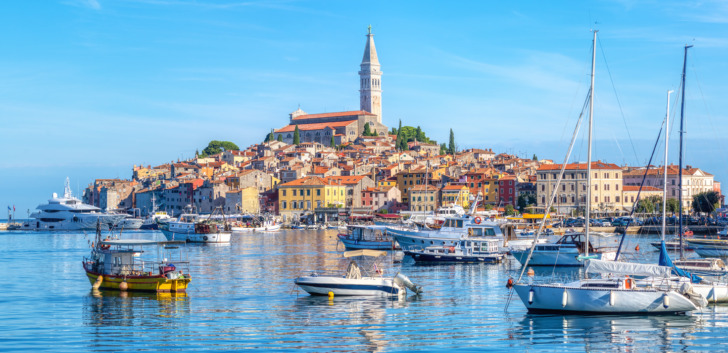
Rovinj is one of Croatia’s most popular coastal destinations, known for its colorful Old Town, narrow cobblestone streets, Adriatic beaches, picturesque harbor, and Mediterranean atmosphere.
Located on the western coast of the Istrian Peninsula, it attracts couples, families, solo travelers, cyclists, and sailing enthusiasts from across Europe and beyond.
Rovinj is generally very safe for tourists, with low levels of violent crime and a well-developed tourism industry.
Petty theft, slippery streets, summer heat, traffic, boating accidents, and strong coastal storms are more realistic concerns.
Visitors who take normal precautions should find Rovinj comfortable and easy to explore.
Warnings & Dangers in Rovinj

OVERALL RISK: LOW
Rovinj is generally a very safe destination. Violent crime involving visitors is rare, and the Old Town, harbor, beaches, and main tourist areas are comfortable to explore during both the day and evening. Most travelers only need normal precautions with belongings, transportation, swimming, and nightlife.

TRANSPORT & TAXIS RISK: LOW
Taxis, buses, rental cars, bicycles, and private transfers are generally safe. The Old Town itself is best explored on foot because many streets are narrow or restricted to vehicles. Drivers should take additional care on busy coastal roads during summer, when traffic increases significantly.

PICKPOCKETS RISK: LOW
Pickpocketing is not a major problem, but it can occur in crowded tourist areas. The Old Town, harbor, festivals, bus stations, markets, and busy summer events deserve additional attention. Keep phones, wallets, passports, and bags secure in dense crowds.

NATURAL DISASTERS RISK: MEDIUM
Rovinj can experience strong thunderstorms, high winds, heavy rainfall, heat waves, and occasional coastal flooding. Wildfires are also possible during hot and dry summer periods. Earthquakes can occur in Croatia, although major damaging events in Rovinj are uncommon.

MUGGING RISK: LOW
Muggings and violent street robberies are rare. Visitors can generally walk around central Rovinj comfortably after dark. Normal precautions are still sensible when walking alone through isolated parks, beaches, or residential areas late at night.

TERRORISM RISK: LOW
Rovinj does not face a significant, specific terrorism threat. As with other popular European destinations, travelers should maintain normal awareness at festivals, transportation hubs, and large public gatherings.

SCAMS RISK: LOW
Tourist scams are not particularly common. Visitors may occasionally encounter overpriced taxis, unclear restaurant charges, questionable accommodation listings, or higher-than-expected excursion prices. Confirm prices before accepting unfamiliar services.

WOMEN TRAVELERS RISK: LOW
Rovinj is generally very comfortable for women traveling alone. The Old Town, waterfront, restaurants, hotels, beaches, and shopping streets remain busy during much of the day and evening. Normal precautions involving drinks, transportation, nightlife, and isolated areas still apply.

TAP WATER RISK: LOW
Tap water in Rovinj is generally safe to drink. Visitors usually do not need bottled water for health reasons. Carrying water is still important during hot summer days, particularly when walking, cycling, or spending long periods at the beach.
Safest Places to Visit in Rovinj
Rovinj Old Town
The Old Town is Rovinj’s heart and one of its safest, busiest areas.
Its narrow streets contain restaurants, galleries, shops, hotels, cafes, and historic buildings.
The main safety concern is physical rather than criminal because polished cobblestones can become slippery, particularly after rain.
Rovinj Harbor
The waterfront and harbor are popular throughout the day and evening.
Restaurants, cafes, boats, and pedestrian areas create a lively atmosphere.
Watch children carefully near the water and avoid walking too close to unprotected edges after drinking alcohol.
Golden Cape Forest Park
Golden Cape, also known as Punta Corrente, is a popular area for walking, cycling, swimming, and relaxing along the coast.
It is generally very safe during daylight.
Visitors should carry water, protect themselves from the sun, and avoid isolated trails after dark.
Lone Bay
Lone Bay is one of the most popular swimming areas near Rovinj.
The water is generally inviting in good weather, and the area draws many visitors in summer.
Wear suitable footwear because rocky beaches and underwater stones can be uncomfortable or slippery.
Places to Avoid in Rovinj
Slippery Old Town Streets During Rain
Rovinj’s historic stone streets can become surprisingly slippery when wet.
Wear shoes with good traction and take extra care on steep lanes and stairways.
Isolated Beaches After Dark
Beaches around Rovinj are generally safe, but many become extremely quiet after sunset.
Avoid leaving belongings unattended and do not walk alone through remote coastal areas late at night unnecessarily.
Exposed Coastal Areas During Storms
Strong winds and rough seas can make rocks, harbors, beaches, and promenades dangerous.
Avoid standing close to waves or exposed coastal edges during severe weather.
Remote Forest Trails at Night
Golden Cape and other wooded areas are excellent during daylight but become much darker and quieter after sunset.
Use established roads and populated routes when returning to your accommodation at night.
Extremely Crowded Summer Events
Rovinj becomes much busier during July and August.
Large events, festivals, and crowded waterfront areas increase the chances of misplaced belongings, pickpocketing, and transportation delays.
Keep valuables secure and allow extra time to get around.
Safety Tips for Traveling to Rovinj
- Wear Good Walking Shoes. Rovinj’s Old Town contains steep, polished cobblestone streets. Shoes with good traction are much safer than smooth-soled sandals, particularly after rain.
- Protect Yourself From the Sun. Summer temperatures can become hot, and shade is limited in some waterfront areas. Use sunscreen, wear a hat, and drink water regularly.
- Keep Valuables Secure in Crowds. Busy summer streets and festivals create opportunities for opportunistic theft. Keep your phone, wallet, passport, and camera in secure pockets or bags.
- Wear Water Shoes. Many beaches around Rovinj are rocky rather than sandy. Water shoes can protect your feet from sharp rocks, slippery surfaces, and sea urchins.
- Check Weather Before Boating. Conditions on the Adriatic can change quickly. Do not ignore strong-wind or storm warnings when planning sailing, kayaking, or boat excursions.
- Be Careful When Cycling. Cycling is popular around Rovinj and throughout Istria. Use designated paths where available, wear a helmet, and take extra care on narrow roads shared with vehicles.
- Avoid Leaving Belongings Unattended. Do not leave phones, wallets, cameras, or bags unattended on beaches while swimming. Bring only what you need.
- Take Care Around Harbor Edges. Some waterfront sections have low barriers or direct access to the water. Pay attention when walking near the harbor, particularly at night.
- Prepare for Summer Crowds. July and August can be extremely busy. Reserve accommodation and transportation early and allow extra time for parking, restaurants, and popular attractions.
- Respect Fire Restrictions. Hot and dry summers can create wildfire risks. Do not light fires or barbecues outside designated areas and follow local restrictions during periods of high fire danger.
So... How Safe Is Rovinj Really?
Rovinj is generally one of the safer destinations travelers can choose along the Croatian coast.
Serious violent crime against tourists is rare, and the Old Town, waterfront, restaurants, beaches, and accommodation areas remain active well into the evening during the tourism season.
Petty theft is possible, but it is usually a relatively minor concern.
Travelers who keep phones, wallets, cameras, and passports secure in crowded places are unlikely to experience problems.
The physical environment creates more realistic hazards.
Rovinj’s beautiful cobblestone streets can become extremely slippery after rain, while rocky beaches can be uncomfortable without suitable footwear.
Sea urchins can also be encountered around rocky sections of the Adriatic coast.
Summer weather deserves attention.
Heat waves can make long periods of walking uncomfortable, while sudden thunderstorms and strong winds can affect swimming and boat excursions.
The Adriatic is generally calm during good weather, but travelers should not underestimate changing sea conditions.
Kayakers, sailors, and people using small boats should pay attention to forecasts and local warnings.
Road traffic becomes much heavier during peak summer months, particularly around the Istrian coast.
Parking can also become difficult near the historic center.
Wildfires are another seasonal concern during exceptionally hot and dry periods.
Visitors should follow any local restrictions and avoid activities that could accidentally start a fire.
For families, solo travelers, couples, and older visitors, Rovinj is generally a low-risk destination.
Basic precautions with valuables, weather, swimming, and transportation should be enough for most trips.
How Does Rovinj Compare?
| City | Safety Index |
|---|---|
| Rovinj |
88 |
| Zagreb |
80 |
| Trogir |
87 |
| Zadar |
84 |
| Split |
67 |
| Rijeka |
85 |
| Hvar |
85 |
 Duluth | 78 |
 Hiroshima | 80 |
 Kuala Belait | 92 |
| Shepherdstown | 83 |
 Paget | 88 |
 Stone Town | 60 |
Useful Information

Visas
Croatia is part of the Schengen Area. Entry requirements depend on nationality, and some travelers can enter for short tourist stays without obtaining a visa beforehand, while others require one. Travelers should confirm the requirements applicable to their passport before departure.

Currency
Croatia uses the euro. Credit and debit cards are widely accepted in Rovinj at hotels, restaurants, supermarkets, shops, and tourism businesses. ATMs are widely available, although carrying some cash can be useful for smaller purchases and local businesses.

Weather
Rovinj has a Mediterranean-influenced coastal climate. Summers are generally warm, sunny, and relatively dry, making June through September the busiest tourism period. Winters are cooler and quieter, while spring and autumn can bring more variable weather and rainfall. Strong winds and thunderstorms can occasionally affect coastal activities.

Airports
Pula Airport is the closest major commercial airport to Rovinj and is located roughly 40 kilometers away. Travelers can continue to Rovinj by rental car, taxi, private transfer, or a combination of airport and regional bus services. Trieste, Ljubljana, and Zagreb airports provide additional options for travelers arriving from other parts of Europe.

Travel Insurance
Travel insurance is recommended, particularly for visitors planning sailing, cycling, kayaking, diving, or other outdoor activities. A comprehensive policy can cover emergency medical treatment, cancellations, lost belongings, transportation disruptions, and accidents. Travelers planning specialized activities should make sure those activities are included in their coverage.
Rovinj Weather Averages (Temperatures)
Average High/Low Temperature
| Temperature / Month | Jan | Feb | Mar | Apr | May | Jun | Jul | Aug | Sep | Oct | Nov | Dec |
|---|---|---|---|---|---|---|---|---|---|---|---|---|
| High °C |
9 | 11 | 13 | 17 | 22 | 26 | 28 | 29 | 24 | 20 | 14 | 11 |
| Low °C |
2 | 2 | 4 | 7 | 12 | 15 | 17 | 17 | 14 | 10 | 6 | 3 |
| High °F |
48 | 52 | 55 | 63 | 72 | 79 | 82 | 84 | 75 | 68 | 57 | 52 |
| Low °F |
36 | 36 | 39 | 45 | 54 | 59 | 63 | 63 | 57 | 50 | 43 | 37 |
Croatia - Safety by City
| City | Safety Index |
|---|---|
| Dubrovnik | 90 |
| Hvar | 85 |
| Korcula Town | 89 |
| Rijeka | 85 |
| Rovinj | 88 |
| Sibenik | 86 |
| Split | 67 |
| Trogir | 87 |
| Zadar | 84 |
| Zagreb | 80 |