


 Croatia : Safety by City
Croatia - safety as a country
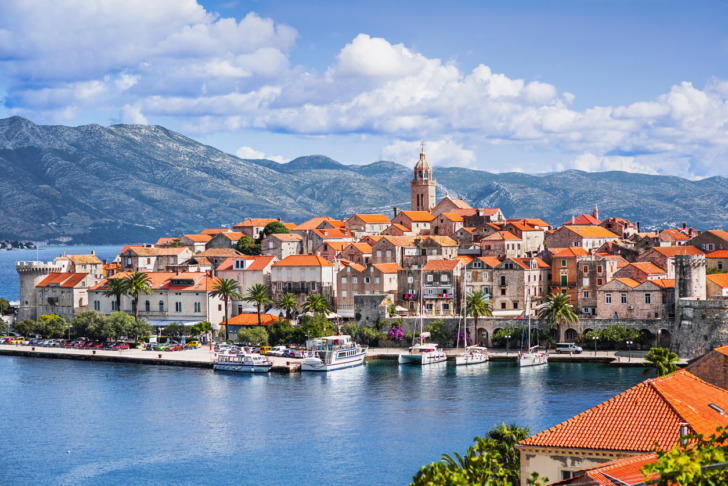
Korčula Town is a historic coastal destination on the eastern side of Korčula Island in southern Croatia.
Surrounded by the Adriatic Sea and enclosed by medieval stone walls, the town is known for its narrow streets, Venetian architecture, waterfront restaurants, beaches, churches, and traditional sword dances.
Often described as a smaller and quieter alternative to Dubrovnik, Korčula Town attracts couples, families, sailors, cyclists, and island-hopping travelers.
Its compact Old Town is easy to explore on foot, while ferries connect the island with destinations such as Dubrovnik, Split, Hvar, and the Pelješac Peninsula.
Korčula Town is generally a very safe destination.
Violent crime involving tourists is rare, public areas are well maintained, and visitors can usually walk around the historic center comfortably during both the day and evening.
The most realistic risks involve petty theft during the busy summer season, slippery stone streets, boating and swimming conditions, summer heat, wildfires, ferry disruption, and road accidents elsewhere on the island.
Warnings & Dangers in Korcula Town

OVERALL RISK: LOW
Korčula Town is a low-risk destination for most travelers. Croatia is generally considered a safe country, and violent crime affecting international visitors is uncommon. Korčula Town itself has a relaxed atmosphere, particularly compared with larger European cities. Petty theft can still occur when the Old Town, ferry terminals, beaches, and waterfront restaurants become crowded during July and August. Keep phones, wallets, passports, and bags secure, but there is little reason for ordinary visitors to feel particularly concerned about personal safety.

TRANSPORT & TAXIS RISK: LOW
Transportation around Korčula Town is generally safe. The historic center is primarily explored on foot, while buses, taxis, rental cars, scooters, bicycles, ferries, and water taxis are available for longer journeys. Driving elsewhere on Korčula Island requires some caution because roads can be narrow and winding, with limited visibility around curves. Summer traffic can also become heavier. If renting a scooter or bicycle, wear appropriate protection and avoid unfamiliar roads after drinking.

PICKPOCKETS RISK: LOW
Pickpocketing is uncommon, but opportunities increase during the peak tourism season. Ferry terminals, crowded Old Town streets, festivals, restaurants, and busy waterfront areas deserve the most attention. Keep bags properly closed and avoid leaving phones or wallets unattended on restaurant tables. Visitors carrying luggage while boarding ferries should keep passports and important belongings somewhere secure rather than in an easily accessible outside pocket.

NATURAL DISASTERS RISK: MEDIUM
The main natural hazards around Korčula include heatwaves, wildfires, thunderstorms, strong winds, and rough seas. Summer temperatures can become very high, especially during July and August. Dry vegetation also increases wildfire risk during hot and windy periods. Strong winds can affect ferry schedules and make swimming or boating dangerous. Heavy rain and thunderstorms are more likely outside the driest summer months. Follow local warnings and do not enter areas closed because of fire or severe weather.

MUGGING RISK: LOW
Muggings and violent street robberies involving tourists are rare in Korčula Town. Visitors can generally walk through the Old Town and central waterfront areas after dark without unusual concern. Normal precautions are still worthwhile. Avoid carrying unnecessarily large amounts of cash and do not leave valuables unattended on beaches. If staying outside the center, use a taxi rather than walking along dark roads late at night when there are no sidewalks.

TERRORISM RISK: LOW
The risk of terrorism affecting an ordinary traveler in Korčula Town is low. Visitors do not generally need to take any special precautions beyond normal awareness around major public events, transportation facilities, and unusually large gatherings. If authorities establish security restrictions during an event, follow their instructions.

SCAMS RISK: LOW
Aggressive tourist scams are not a major problem in Korčula Town. Visitors are more likely to encounter ordinary misunderstandings involving restaurant prices, excursions, boat rentals, or transportation costs. Check menus and prices before ordering, especially for seafood sold by weight. Confirm the total cost before booking private boat trips, taxis, or excursions. Use established businesses for rentals and organized activities.

WOMEN TRAVELERS RISK: LOW
Korčula Town is generally comfortable for women traveling alone. The Old Town, waterfront, restaurants, cafés, beaches, and central streets remain active into the evening during the tourism season. Standard precautions still apply. Keep control of drinks, avoid isolated coastal paths very late at night, and use reliable transportation if returning to accommodation outside the town center after drinking.

TAP WATER RISK: LOW
Tap water in Korčula Town is generally safe to drink. Visitors staying in regular hotels, apartments, and guesthouses usually do not need to rely on bottled water. Bottled water is readily available for anyone who prefers it. During the hot summer months, staying hydrated is particularly important because sightseeing often involves extensive walking in direct sunlight.
Safest Places to Visit in Korcula Town
Korčula Old Town
The historic Old Town is the center of tourism in Korčula and is generally very safe.
Its narrow stone streets contain restaurants, cafés, churches, shops, museums, and historic buildings.
Visitors regularly walk around until late in the evening during summer.
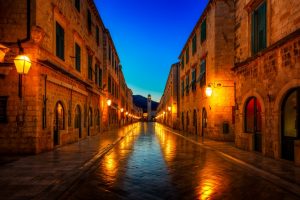
The main safety concern is surprisingly simple: slippery stone.
Worn streets and steps can become slick after rain, so wear suitable footwear and take extra care on stairs.
St. Mark’s Cathedral Area
The area surrounding St. Mark’s Cathedral sits at the heart of the historic center.
It attracts steady numbers of visitors throughout the day and is surrounded by important historic buildings and pedestrian streets.
Crime is unlikely to be a significant concern.
Watch your belongings when tour groups create crowds and take care when climbing towers or navigating steep historic staircases.
Korčula Waterfront
The waterfront surrounding the Old Town is one of the most popular places for walking, dining, and watching boats.
Restaurants and cafés create plenty of activity throughout the evening.
The area is generally comfortable for visitors of all ages.
Stay aware around harbor edges and docks, particularly after drinking, and supervise children closely beside the water.
Banje Beach
Banje Beach is a convenient swimming area close to Korčula Town.
Its location near accommodation and other tourist facilities makes it one of the easier beaches for visitors to access.
The biggest concerns are sun exposure, slippery rocks, sea conditions, and unattended belongings.
Bring only what you need and avoid leaving valuables exposed while swimming.
Places to Avoid in Korcula Town
Korčula Town does not have neighborhoods that tourists are routinely advised to avoid because of crime.
Most situations worth avoiding involve weather, the sea, traffic, or unnecessary isolation.
Rocky Coastline During Rough Seas
The Adriatic often looks calm, but strong winds can quickly create rough conditions.
Avoid swimming from exposed rocks or entering the water when waves are strong.
Wet limestone can become extremely slippery.
If local boat operators cancel excursions because of weather, take the decision seriously.
Isolated Coastal Paths After Dark
Coastal walking routes around Korčula are beautiful during daylight but can become poorly lit after sunset.
Uneven ground, rocks, steps, and proximity to the sea make nighttime walking less practical.
Use established streets or transportation when returning late.
Forested Areas During Wildfire Warnings
Hot, dry summers can produce significant wildfire conditions along the Croatian coast.
Do not enter areas where authorities have restricted access.
Never discard cigarettes in dry vegetation or light outdoor fires when restrictions are in place.
If smoke or fire appears nearby, leave early rather than waiting to see whether conditions worsen.
Narrow Island Roads at Night
Roads outside Korčula Town can be winding, dark, and unfamiliar.
Cyclists, scooters, pedestrians, and other vehicles may be difficult to see.
Avoid unnecessary late-night driving, particularly after drinking or when unfamiliar with the island.
Safety Tips for Traveling to Korcula Town
- Keep valuables secure during peak season. Korčula is very safe, but summer crowds create opportunities for petty theft. Keep phones, wallets, and passports inside closed bags.
- Wear shoes with good grip. The polished stone streets and steps of the Old Town can become slippery, particularly after rain. Appropriate footwear makes exploring much easier.
- Take summer heat seriously. July and August can be extremely hot. Carry water, use sunscreen, wear a hat, and take breaks during the hottest part of the afternoon.
- Check ferry schedules carefully. Ferries are essential for many Korčula itineraries. Weather and seasonal schedules can affect services, so avoid planning extremely tight onward connections.
- Respect swimming conditions. Do not assume that clear Adriatic water is automatically safe. Strong wind, waves, boat traffic, and rocky entrances can create hazards.
- Avoid drinking and driving. Korčula’s winding island roads require concentration. Use a taxi if you plan to drink wine or alcohol with dinner.
- Protect yourself from the sun on boats. Sun exposure can be intense during sailing and island excursions because reflection from the water increases exposure. Bring sunscreen, water, and a hat.
- Watch children around the harbor. Waterfront promenades and marinas are attractive places to walk, but some areas have direct drops into deep water. Young children should remain supervised.
- Take wildfire warnings seriously. Hot, dry, windy conditions can allow fires to spread quickly. Follow local restrictions and leave affected areas when instructed.
- Keep some flexibility in your itinerary. Ferry cancellations, thunderstorms, strong winds, or extreme heat can occasionally alter island plans. Avoid building a schedule where one delayed ferry ruins every connection afterward.
So... How Safe Is Korcula Town Really?
Korčula Town is one of the easier European island destinations from a personal safety perspective.
Violent crime is rare, the historic center remains active into the evening, and visitors generally feel comfortable exploring without having to constantly think about security.
Most travelers will probably worry more about finding a dinner reservation during August than avoiding crime.
Petty theft is still possible.
Korčula receives large numbers of visitors during the summer, and crowded ferry docks, pedestrian streets, festivals, and beaches naturally create opportunities for opportunistic theft.
Keeping bags closed and valuables attended is usually enough.
The Adriatic Sea presents a more distinctive safety consideration.
Korčula is surrounded by clear, inviting water, but swimming conditions depend on wind, waves, currents, boat traffic, and the type of coastline.
Many swimming areas are rocky rather than sandy.
Water shoes can be useful, and visitors should be cautious when entering or leaving the sea over slippery rocks.
Weather can also affect transportation.
Korčula depends heavily on ferries and catamarans.
Strong winds and rough conditions can delay or cancel services, especially outside the calmest summer periods.
Travelers connecting directly from an island ferry to an important international flight should leave some margin for disruption.
Summer heat deserves attention as well.
Walking around medieval stone streets in direct sunlight can become exhausting during July and August.
Start sightseeing earlier in the morning, take a break during the hottest hours, and continue exploring later in the afternoon or evening.
Driving around the island is generally safe, but the roads require concentration.
Some routes are narrow and winding, particularly when visiting smaller villages, beaches, vineyards, and rural parts of Korčula.
Cyclists and scooters are also common during summer.
For women traveling alone, Korčula Town is generally an easy destination.
The same applies to families, older travelers, and first-time visitors to Croatia.
There are no major tourist districts that require special avoidance.
Overall, Korčula Town is a very safe destination where common sense is usually enough.
Secure your belongings, respect the sea, protect yourself from summer heat, drive carefully, and leave some flexibility around ferry travel.
For most visitors, safety concerns will remain firmly in the background while the Old Town, Adriatic views, beaches, food, and island atmosphere take center stage.
How Does Korcula Town Compare?
| City | Safety Index |
|---|---|
| Korcula Town |
89 |
| Sibenik |
86 |
| Hvar |
85 |
| Dubrovnik |
90 |
| Zagreb |
80 |
| Zadar |
84 |
| Rovinj |
88 |
 Muskegon | 72 |
 Cidade Velha | 74 |
 Odesa | 35 |
| Pierre | 81 |
 Valladolid | 90 |
 Makati | 60 |
Useful Information

Visas
Croatia is part of the Schengen Area. Entry requirements depend on nationality, and many visitors can enter the Schengen Area for short tourism stays without obtaining a traditional visa beforehand. Travelers who require a Schengen visa need to obtain the appropriate authorization before traveling. The usual Schengen limit for visa-exempt short stays is up to 90 days within a 180-day period. Make sure your passport meets the validity requirements applying to your nationality and itinerary before departure.

Currency
Croatia uses the euro. Credit and debit cards are widely accepted in Korčula Town at hotels, restaurants, supermarkets, shops, and established tourism businesses. Cash remains useful for small purchases, markets, tips, and some smaller operators. ATMs are available in town, although visitors should check withdrawal fees and exchange rates before accepting currency conversion offered by an ATM.

Weather
Korčula Town has a Mediterranean climate with hot, dry summers and mild, wetter winters. July and August are the hottest and busiest months, with long periods of sunshine and high daytime temperatures. May, June, September, and early October can offer comfortable conditions with fewer crowds. Winter is much quieter and wetter, and many tourism businesses operate reduced hours or close entirely. Strong coastal winds and thunderstorms can occasionally disrupt ferries and boating activities. Bring sunscreen and lightweight clothing in summer, plus a light layer for evenings and boat trips.

Airports
Korčula does not have a major commercial airport. Most international visitors reach the island through Dubrovnik or Split and continue by ferry, catamaran, bus, private transfer, or a combination of transportation. Dubrovnik Airport is particularly convenient for travelers approaching Korčula from southern Croatia. Split Airport is useful for visitors combining Korčula with Split, Hvar, or other central Dalmatian islands. Ferry schedules vary significantly by season, so check connections carefully when arranging flights.

Travel Insurance
Travel insurance is recommended for international visitors to Korčula Town. A useful policy should cover emergency medical treatment, hospitalization, trip interruption, ferry or flight disruption, baggage problems, and unexpected cancellations. Travelers planning sailing, scuba diving, kayaking, cycling, scooter rental, or other activities should confirm that those activities are covered. Medical evacuation coverage can also be useful because more complicated treatment may require transportation from the island to a larger medical facility on the Croatian mainland.
Korcula Town Weather Averages (Temperatures)
Average High/Low Temperature
| Temperature / Month | Jan | Feb | Mar | Apr | May | Jun | Jul | Aug | Sep | Oct | Nov | Dec |
|---|---|---|---|---|---|---|---|---|---|---|---|---|
| High °C |
10 | 11 | 14 | 17 | 21 | 25 | 28 | 28 | 24 | 20 | 15 | 11 |
| Low °C |
5 | 6 | 8 | 11 | 15 | 19 | 22 | 22 | 18 | 14 | 11 | 7 |
| High °F |
50 | 52 | 57 | 63 | 70 | 77 | 82 | 82 | 75 | 68 | 59 | 52 |
| Low °F |
41 | 43 | 46 | 52 | 59 | 66 | 72 | 72 | 64 | 57 | 52 | 45 |
Croatia - Safety by City
| City | Safety Index |
|---|---|
| Dubrovnik | 90 |
| Hvar | 85 |
| Korcula Town | 89 |
| Rijeka | 85 |
| Rovinj | 88 |
| Sibenik | 86 |
| Split | 67 |
| Trogir | 87 |
| Zadar | 84 |
| Zagreb | 80 |










Those slippery stone streets can catch you off guard, especially after a swim, but the quiet evening walks make it easy to forgive them.