 Belarus : Safety by City
Belarus - safety as a country
Vitebsk sits in northeastern Belarus near the borders with Russia, surrounded by rivers, forests, and a landscape that becomes seriously cold once winter settles in.
One of the country’s oldest cities, it is best known as the birthplace of artist Marc Chagall and as the home of the annual Slavianski Bazaar arts festival.
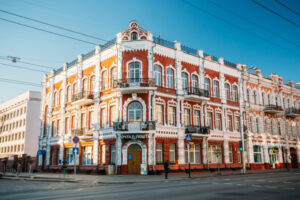
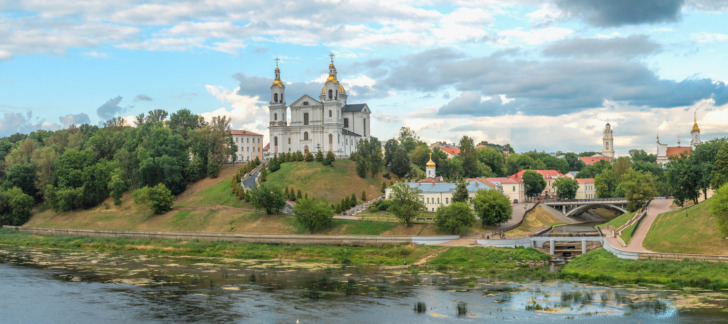
Its old churches, broad squares, Dvina River views, Soviet architecture, and colorful cultural history give it a character quite different from Minsk.
On an ordinary street level, Vitebsk can feel remarkably calm.
Violent tourist crime is uncommon, public areas are generally orderly, and the center is easy to explore.
The problem is the wider political and security environment in Belarus.
Strict laws, arbitrary detention risks, monitoring of foreigners, border complications, and Belarus’s involvement in the regional security situation make the overall travel risk much higher than Vitebsk’s quiet streets suggest.
Warnings & Dangers in Vitebsk

OVERALL RISK: HIGH
Vitebsk itself has relatively low street crime, but travel to Belarus currently carries serious political and legal risks. Foreign visitors can face questioning or detention, and several governments advise against travel to the country. Border crossings and transportation options may also change with little warning.

TRANSPORT & TAXIS RISK: MEDIUM
Public buses, trolleybuses, trains, and registered taxis are generally safe. Road conditions can become difficult during winter because of snow and ice. Foreign travelers should also research border rules carefully, particularly when considering onward travel toward Russia, because legal crossing requirements vary depending on nationality and visa type.

PICKPOCKETS RISK: LOW
Pickpocketing is not a major problem in Vitebsk, although it can occur around railway stations, markets, festivals, busy buses, and crowded public events. Keep your phone and wallet secured during the Slavianski Bazaar or other major gatherings. Unattended property is more vulnerable than travelers carrying ordinary belongings carefully.

NATURAL DISASTERS RISK: MEDIUM
Vitebsk does not face hurricanes, volcanoes, or major tropical hazards, but winter weather can be severe. Heavy snow, ice, freezing temperatures, storms, and spring flooding create practical risks. The Western Dvina and smaller rivers can rise during seasonal thawing, while icy sidewalks and roads are common winter hazards.

MUGGING RISK: LOW
Street robbery is uncommon in the central tourist areas. The risk increases slightly on poorly lit streets, around transport facilities late at night, and in quiet residential areas. Avoid displaying expensive electronics or large amounts of cash and use a registered taxi if returning to accommodation very late.

TERRORISM RISK: MEDIUM
Vitebsk is not normally considered a major terrorism hotspot, but Belarus’s regional security environment raises the overall concern. Transport infrastructure, government facilities, military sites, and major gatherings should be approached with greater awareness. Avoid sensitive installations and leave immediately if authorities restrict access to an area.

SCAMS RISK: LOW
Classic tourist scams are uncommon because Vitebsk receives far fewer international visitors than major European capitals. Possible problems include inflated taxi fares, questionable currency exchange offers, or unofficial accommodation arrangements. Confirm prices beforehand and use banks, established hotels, and registered transportation services.

WOMEN TRAVELERS RISK: MEDIUM
Street crime and harassment toward women are relatively uncommon, and central Vitebsk can feel comfortable during the day. However, the wider political and legal risks affecting all foreigners remain relevant. Women traveling alone should avoid isolated areas after dark and use established transportation for late-night journeys.

TAP WATER RISK: LOW
Municipal tap water is treated, and many residents use it normally. Taste and mineral content can vary between buildings, particularly where older plumbing is involved. Travelers with sensitive stomachs may prefer filtered or bottled water, but Vitebsk does not generally present the serious drinking-water risks found in many developing destinations.
Safest Places to Visit in Vitebsk
Historic Center
Central Vitebsk is the easiest and most comfortable area for visitors.
Pedestrian-friendly streets connect churches, squares, museums, cafes, and river viewpoints, and there is usually enough activity during the day to make the area feel secure.
Normal precautions with phones, cameras, and wallets are sufficient.
At night, stay on illuminated central streets rather than wandering into empty residential blocks.
Victory Square
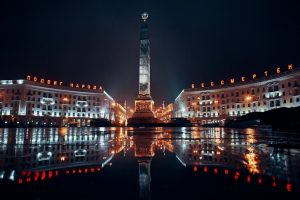
Victory Square is one of Vitebsk’s most recognizable public spaces and among the largest squares in Belarus.
Its open layout, monuments, landscaped areas, and central location make it easy to visit.
The square itself is generally safe, but avoid any political gathering, security operation, or organized demonstration that might occur nearby.
Foreign visitors should never stop to film police activity.
Marc Chagall Museum and Art Center
Marc Chagall is Vitebsk’s most internationally famous cultural figure, and sites connected with his life are among the city’s most worthwhile attractions.
The museum areas are peaceful and suitable for solo travelers, families, and older visitors.
Visit during official opening hours and use ordinary city precautions while walking between locations.
Assumption Cathedral Area
The impressive Assumption Cathedral overlooks the Western Dvina and forms part of one of the city’s most scenic areas.
The surrounding historic streets, stairways, churches, and viewpoints are generally comfortable during daylight.
Visitors should dress respectfully when entering religious buildings and avoid photographing worshippers without permission.
Western Dvina Riverfront
The riverfront provides attractive views, bridges, walking areas, and a quieter side of Vitebsk.
Popular central sections are safe during daylight and early evening.
Stay away from unstable banks, icy paths, or fast-moving water during spring thaw.
Remote river sections are better avoided late at night.
Places to Avoid in Vitebsk
Political Demonstrations
Avoid every political protest, rally, march, or gathering, regardless of how peaceful it appears.
Belarusian authorities maintain strict controls over public assembly, and bystanders can become caught up in arrests or security operations.
If police vehicles, barriers, or crowds begin appearing, leave rather than staying to watch.
Military and Government Facilities
Do not photograph military bases, police stations, checkpoints, government compounds, railway infrastructure, communications facilities, or security personnel.
Foreigners should be particularly conservative about photography.
If an official asks you to stop taking pictures, comply immediately.
Border Areas Toward Russia Without Preparation
Vitebsk is relatively close to Russia, which can make an onward journey look straightforward on a map.
The legal reality is more complicated for foreigners.
Visa requirements and permitted crossing methods differ according to nationality and document type.
Never simply board a train or drive toward the Russian border without confirming that your planned crossing is legally permitted.
Railway Station Area Late at Night
Vitebsk Railway Station itself is a normal transportation hub, but surrounding streets become quieter late at night.
This is when opportunistic theft, intoxicated behavior, and transportation confusion are more likely.
If arriving late with luggage, arrange a taxi instead of wandering through unfamiliar streets.
Remote Riverbanks and Parks After Dark
Vitebsk has pleasant green areas and river paths, but isolated sections become poorly populated at night.
The crime risk is not especially high, yet limited lighting, winter ice, intoxicated individuals, and fewer witnesses make these areas unnecessary risks.
Stay around central streets and active businesses after dark.
Safety Tips for Traveling to Vitebsk
- Understand the political risk before booking. The biggest danger in Vitebsk is not ordinary street crime. It is Belarus’s political and legal environment. Activities, statements, online posts, or affiliations that would be unremarkable elsewhere can attract attention. Travelers with a history of political activism related to Belarus should consider the possibility of questioning or detention particularly carefully.
- Never join or photograph a demonstration. Even peaceful gatherings can result in arrests. Do not attend rallies out of curiosity and do not stand nearby filming police, demonstrators, or security operations. If a crowd begins forming, leave calmly and take a different route.
- Be cautious with your phone and electronics. Travelers should assume that electronic communications may not have the same privacy protections they expect at home. Consider what information, political material, messages, photographs, or social media content is stored on devices before entering Belarus. Avoid photographing anything that could be considered security-sensitive.
- Verify border crossings before every international journey. Belarus’s borders are unusually complicated because of sanctions, regional conflict, closures, and special arrangements with Russia. A crossing shown on a map may not be open to your nationality or visa category. Confirm your route before leaving Vitebsk, particularly if traveling toward Russia, Latvia, Lithuania, or Poland.
- Carry identification properly. Foreign visitors may need to show identification during police checks, hotel registration, train travel, or other official procedures. Keep your passport secure but accessible when required. Store paper and digital copies separately and make sure your immigration registration requirements have been handled correctly.
- Prepare seriously for winter. Winter temperatures can drop well below freezing, and snow or ice can remain for extended periods. Pack an insulated coat, gloves, warm footwear with strong grip, and layers. Icy sidewalks are a much more realistic everyday injury risk than violent crime.
- Use registered taxis. Choose established taxi services or transportation arranged through your hotel. Confirm the approximate fare or app price before departure. Random drivers outside stations may overcharge foreign visitors. At night, a taxi is preferable to walking long distances through unfamiliar neighborhoods.
- Keep political conversations private. Do not debate Belarusian domestic politics, the government, Russia, Ukraine, protests, sanctions, or opposition movements with strangers. Even casual comments can create unnecessary complications. This is one destination where keeping political opinions to yourself is a genuine safety measure.
- Have an exit plan. Commercial flight options are limited compared with most European destinations, and border crossings can close unexpectedly. Know at least two possible ways to leave the country, keep enough money for emergency transportation, and avoid waiting until the last permitted day of your stay before departing.
- Check your insurance very carefully. Many ordinary travel insurance policies become invalid when traveling somewhere your government advises against visiting. Others exclude war, civil unrest, detention, sanctions-related disruption, or evacuation. Confirm coverage before traveling rather than discovering after an emergency that the policy will not pay.
So... How Safe Is Vitebsk Really?
Vitebsk creates an unusual safety contradiction.
If you judged the city only by what you saw walking through its center, you might give it a low-risk rating.
Streets are generally orderly, violent crime against tourists is uncommon, and the historic center can feel calmer than many larger European cities.
But modern travel safety cannot be judged by pickpocketing alone.
As of August 2026, major foreign governments continue to advise against travel to Belarus.
The primary concerns include arbitrary arrest and detention, limited consular assistance, restrictive laws, the possibility of regional conflict spreading into Belarus, and transportation routes that can change or close unexpectedly.
Foreigners have been detained, and political activities conducted outside Belarus may also create complications.
Vitebsk’s northeastern position deserves additional consideration because Russia is relatively close.
Travelers should not assume movement between Belarus and Russia works like an ordinary European land border.
The rules depend on nationality, visas, and method of transportation.
This means I would rate Vitebsk as high risk overall even though its local crime level is comparatively low.
The average tourist is unlikely to be mugged while visiting a cathedral or Chagall museum.
The more serious concern is getting caught in a legal, political, border, or security problem where outside assistance may be limited.
For ordinary leisure travel, I would postpone Vitebsk until the wider situation improves.
How Does Vitebsk Compare?
| City | Safety Index |
|---|---|
| Vitebsk |
54 |
| Gomel |
45 |
| Brest |
48 |
| Nesvizh |
55 |
| Grodno |
50 |
| Mogilev |
53 |
| Minsk |
77 |
 Everglades City Everglades City | 93 |
 Windsor Windsor | 81 |
| Martha’s Vineyard | 88 |
 Lobito Lobito | 52 |
 Gdansk Gdansk | 68 |
| Miami Beach | 68 |
Useful Information

Visas
Entry rules depend heavily on nationality. Until December 31, 2026, citizens of 38 listed European countries can use a temporary visa-free system. Most receive up to 30 days per entry, while Polish, Lithuanian, and Latvian citizens receive longer allowances. Total visa-free stays are generally limited to 90 days per calendar year.

Currency
Belarus uses the Belarusian ruble, abbreviated BYN. Cash remains useful, while cards are accepted at many urban hotels, restaurants, supermarkets, and shops. International cards may fail because of sanctions affecting Belarusian banks, so travelers should not rely entirely on one card or payment network.

Weather
Vitebsk has warm summers and long, cold winters. January can bring temperatures well below freezing, snow, and icy streets, while summer is generally mild to warm. Winter travelers need insulated clothing and waterproof footwear. Summer visitors should pack layers and a light rain jacket.

Airports
Vitebsk has an airport, but regular international passenger services are extremely limited. Most foreign travelers would normally enter Belarus through Minsk National Airport and continue to Vitebsk by road or rail. The overland journey from the Minsk area generally takes several hours, so allow plenty of time for connections.

Travel Insurance
Travel insurance requires special attention for Belarus. Policies may exclude travel undertaken against government advice, as well as incidents connected to war, political unrest, sanctions, or detention. Confirm that Belarus is specifically covered and that the policy includes medical treatment, evacuation, cancellation, and unexpected border or transportation disruption.
Vitebsk Weather Averages (Temperatures)
Average High/Low Temperature
| Temperature / Month | Jan | Feb | Mar | Apr | May | Jun | Jul | Aug | Sep | Oct | Nov | Dec |
|---|---|---|---|---|---|---|---|---|---|---|---|---|
| High °C |
-1 | -1 | 3 | 11 | 18 | 22 | 24 | 23 | 17 | 10 | 3 | -1 |
| Low °C |
-8 | -8 | -4 | 1 | 7 | 11 | 14 | 13 | 8 | 3 | -2 | -6 |
| High °F |
30 | 30 | 37 | 52 | 64 | 72 | 75 | 73 | 63 | 50 | 37 | 30 |
| Low °F |
18 | 18 | 25 | 34 | 45 | 52 | 57 | 55 | 46 | 37 | 28 | 21 |
Belarus - Safety by City
| City | Safety Index |
|---|---|
| Brest | 48 |
| Gomel | 45 |
| Grodno | 50 |
| Minsk | 77 |
| Mogilev | 53 |
| Nesvizh | 55 |
| Vitebsk | 54 |