 Belarus : Safety by City
Belarus - safety as a country
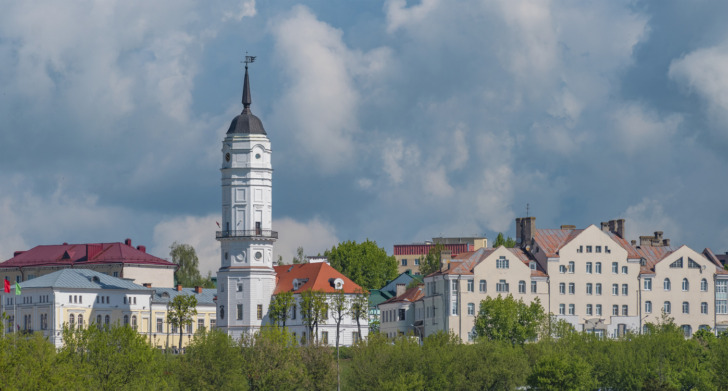
Mogilev, also spelled Mahilyow, is one of Belarus’s oldest major cities, sitting along the Dnieper River in the eastern part of the country.
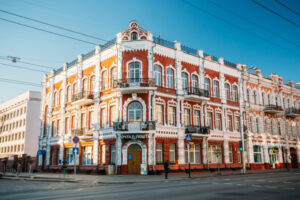
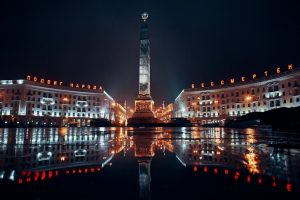
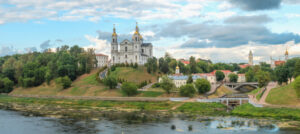
Its broad avenues, Orthodox churches, Soviet-era architecture, restored Town Hall, riverfront parks, and war memorials give it a very different atmosphere from the more internationally familiar Minsk.
Mogilev is also a major industrial and regional center, but tourism remains relatively limited, so foreign visitors tend to experience a more local side of Belarus.
Street crime is generally low, and the city itself can feel orderly and calm.
The bigger concern is Belarus’s political and security environment, including detention risks, restricted consular assistance, military activity, and strict enforcement of laws involving political expression.
Warnings & Dangers in Mogilev

OVERALL RISK: HIGH
Everyday crime in Mogilev is relatively low, but the overall travel risk is high because of Belarus’s current political and security environment. Foreign visitors may face questioning, searches, detention, limited consular assistance, and strict enforcement of laws involving political activity or online material. Ordinary tourism requires much more caution than the city’s peaceful appearance suggests.

TRANSPORT & TAXIS RISK: MEDIUM
Public transportation is generally orderly, and buses, trolleybuses, trains, and taxis serve Mogilev. The larger concern is the strict enforcement of transport and identification rules. Police may conduct checks, while winter snow and ice make driving more difficult. Use official taxis, carry identification, obey pedestrian signals, and avoid photographing strategically sensitive transportation infrastructure.

PICKPOCKETS RISK: LOW
Pickpocketing is not a major problem in Mogilev, but basic precautions are still sensible around railway stations, buses, markets, festivals, and busy shopping areas. Keep bags closed, avoid leaving phones unattended, and secure valuables in your accommodation. Theft from vehicles and hotel rooms can also occur despite relatively low overall street-crime levels.

NATURAL DISASTERS RISK: LOW
Mogilev has a relatively low natural-disaster risk. Severe winter weather, thunderstorms, flooding, icy roads, and occasional strong winds are the main concerns. Winters can be bitterly cold, while snow and freezing rain make sidewalks hazardous. Summer thunderstorms may bring heavy rain, but major earthquakes, hurricanes, and other extreme disasters are uncommon.

MUGGING RISK: LOW
Muggings and violent robberies are uncommon in central Mogilev. Main streets, parks, shopping areas, and established hotels generally feel safe during daylight and early evening. Risk rises slightly around dark parks, isolated river paths, transport areas, and quiet streets late at night. Carry limited cash and avoid displaying expensive electronics unnecessarily.

TERRORISM RISK: MEDIUM
Belarus does not experience frequent terrorist attacks, but the possibility cannot be completely dismissed. Mogilev Region also contains areas of military significance. Visitors should stay away from military installations, exercises, checkpoints, government infrastructure, and anything connected with troop or equipment movements.

SCAMS RISK: LOW
Tourist scams are uncommon because Mogilev receives relatively few international visitors. Possible issues include inflated taxi fares, unofficial currency exchange, unclear accommodation charges, or strangers offering unnecessary assistance. Confirm prices before using services and exchange money through legitimate banks or exchange offices rather than informal street contacts.

WOMEN TRAVELERS RISK: MEDIUM
Street crime specifically targeting women is relatively uncommon, and central Mogilev can feel comfortable for solo female visitors. However, the broader detention, surveillance, and legal risks affecting foreigners apply equally to women. Solo travelers should stay in established accommodation, avoid isolated areas at night, use reputable transportation, and stay away from demonstrations.

TAP WATER RISK: LOW
Municipal tap water in Mogilev is generally treated and suitable for everyday use. Some visitors may prefer bottled or filtered water because of taste, mineral content, or plumbing in older buildings. If staying in an older apartment or guesthouse, ask the host about the building’s water system before drinking directly from the tap.
Safest Places to Visit in Mogilev
Soviet Square and Mogilev Town Hall
The area around Soviet Square and the reconstructed Mogilev Town Hall is one of the easiest places for visitors to explore.
It is central, open, and surrounded by established streets, churches, cafes, and public buildings.
The Town Hall provides one of the city’s most recognizable landmarks, and the surrounding historic center is best explored during daylight.
Avoid photographing security personnel or government facilities even when standing in an otherwise tourist-friendly square.
Star Square
Star Square has become one of Mogilev’s more distinctive public spaces, known for its large stargazer sculpture and zodiac-themed layout.
It sits in a central pedestrian area where shops, cafes, and residents create regular daytime activity.
The area is generally comfortable for solo travelers and families, particularly during normal business hours.
Buinichi Field Memorial
Buinichi Field lies just outside Mogilev and commemorates the city’s defense during World War II.
The large memorial complex includes monuments, military-history displays, and landscaped grounds.
Visit during daylight and remain within official public areas.
Avoid photographing any unrelated contemporary military activity or equipment you may encounter while traveling through the region.
Pechersk Forest Park
Pechersk is a large green recreational area popular with local families, walkers, and cyclists.
It is an enjoyable place during daylight, particularly in warmer weather.
Use established paths, bring insect repellent in summer, and avoid wandering through isolated sections after dark.
Places to Avoid in Mogilev
Political Demonstrations
Avoid demonstrations, political meetings, protests, or spontaneous gatherings anywhere in Mogilev.
Belarusian authorities have used force to disperse demonstrations, and participants and bystanders may face questioning or detention.
If police begin to gather, streets are blocked, or a crowd starts forming, leave immediately rather than stopping to watch or photograph the events.
Foreign visitors should never assume that simply observing a protest carries no legal risk.
Military Areas and Asipovichy
Asipovichy, in Mogilev Region southwest of the city, has military facilities and activity.
Tourists should not travel there for military sightseeing or attempt to photograph bases, equipment, rail movements, training areas, or checkpoints.
Restricted areas may not always be clearly marked, so leave immediately if you encounter barriers, guards, or military vehicles.
Government and Strategic Infrastructure
Do not photograph police, soldiers, government buildings, critical infrastructure, bridges, guarded industrial sites, or strategic transportation facilities.
Belarusian law can treat photography of sensitive locations seriously, even when the visitor believes the subject is harmless.
Keep cameras and phones away whenever guards, official vehicles, barriers, or security signs are present.
Railway and Bus Areas Late at Night
Mogilev’s transportation hubs are generally safe during normal hours, but surrounding streets become quieter late at night.
Travelers carrying luggage and electronics are more noticeable.
Arrange transportation in advance for late arrivals, keep documents easily accessible in case authorities request identification, and avoid wandering through unfamiliar neighborhoods looking for accommodation.
Safety Tips for Traveling to Mogilev
- Think carefully before traveling to Belarus at all. This is the most important point. Mogilev may look calm on the street while the country-level political and legal risk remains much higher than in most European tourist destinations. If the trip is optional, consider whether the destination is worth the added complications.
- Avoid political activity completely. Do not attend demonstrations, display political symbols, distribute political material, or participate in public discussions criticizing the authorities. Avoid posting political comments during your trip. Activities that may seem ordinary elsewhere can create serious legal problems in Belarus.
- Review your phone before crossing the border. Electronic devices may be inspected or seized during security checks. Political material, social-media posts, photographs, subscriptions, or stored files can attract attention. Travelers with any history of activism or political involvement connected with Belarus should take this risk particularly seriously.
- Carry identification. Security personnel may conduct document checks. Keep your passport or permitted identification accessible and carry your visa documentation when applicable. Do not argue with police conducting routine checks. Remaining calm, polite, and cooperative is particularly important.
- Never photograph military or security personnel. Avoid photographing soldiers, police officers, checkpoints, military vehicles, railway equipment carrying military cargo, government offices, bridges, airports, or guarded industrial sites. Some sensitive areas may not have obvious signs. If you are uncertain whether photography is permitted, do not take the picture.
- Use official transportation. Choose recognized taxi services, hotel-arranged drivers, or established public transportation. Avoid accepting rides from strangers outside railway or bus stations. During winter, allow extra travel time because snow and ice can make roads and sidewalks difficult even when public services continue operating normally.
- Follow pedestrian and traffic rules closely. Cross at designated pedestrian crossings and obey signals even when the street appears empty. Traffic and pedestrian rules can be enforced strictly, and unnecessary interaction with authorities is best avoided. Winter ice also makes both roads and sidewalks more dangerous.
- Keep your travel plans conservative. Mogilev is not a destination for spontaneous exploration of abandoned sites, military towns, restricted forests, or obscure infrastructure. Stay around established attractions and known roads. If a local road appears guarded or restricted, turn around rather than trying to determine whether you are technically allowed to continue.
- Prepare for winter properly. From late autumn into early spring, freezing temperatures, snow, and ice can make walking surprisingly hazardous. Pack insulated footwear with good traction, gloves, layers, and a warm waterproof jacket. Winter road trips should be kept to major routes whenever possible.
- Make an emergency plan before entering Belarus. Share your itinerary with someone outside the country, keep important information available offline, and make sure you understand how your travel insurance handles Belarus. Consular assistance may be limited during detention or a wider security emergency, so preparation matters more than it would on a typical European city break.
So... How Safe Is Mogilev Really?
Mogilev presents a strange contrast.
If you judged the city only by street crime, it could easily receive a low-risk rating.
Central Mogilev is generally orderly, quiet, and relatively free of the aggressive touts, organized pickpocketing, and frequent tourist scams found in some much more popular destinations.
The reason the overall rating is high is the political and security environment surrounding the city.
Foreign visitors can face questioning, searches, electronic-device inspections, detention, and strict enforcement of laws involving political activity or sensitive photography.
Military activity inside Belarus adds another complication, including facilities and movements within Mogilev Region.
Travelers should avoid military sites, checkpoints, rail equipment, government facilities, and anything that could be interpreted as strategic infrastructure.
That makes Mogilev fundamentally different from an ordinary low-crime Eastern European city.
The likelihood of having your wallet stolen may be low, yet the consequences of unintentionally violating a sensitive rule can be much more serious.
My assessment is simple: Mogilev itself feels physically calm, but ordinary tourism in Belarus carries significant non-crime risks.
If travel is essential, keep your itinerary conservative, avoid political activity entirely, follow local rules closely, and stay away from military or strategic sites.
How Does Mogilev Compare?
| City | Safety Index |
|---|---|
| Mogilev |
53 |
| Minsk |
77 |
| Gomel |
45 |
| Brest |
48 |
| Vitebsk |
54 |
| Nesvizh |
55 |
| Grodno |
50 |
 Ulaanbaatar Ulaanbaatar | 50 |
 Szczecin Szczecin | 83 |
 Rennes Rennes | 65 |
 Springhill Springhill | 80 |
| Miles City | 78 |
 Fes Fes | 51 |
Useful Information

Visas
Belarusian entry requirements depend heavily on nationality. Some European nationalities may qualify for temporary visa-free entry arrangements, while other travelers need a visa before arrival. Electronic visas are available to certain nationalities, with fees varying by visa type. Always confirm the exact rules for your passport before making travel arrangements.

Currency
Mogilev uses the Belarusian ruble. Cash remains useful, particularly outside large hotels and modern businesses. Some international bank cards may not work reliably because of banking restrictions, so visitors should have suitable backup payment options while following currency and customs rules.

Weather
Mogilev has warm summers and cold winters. July and August generally bring pleasant daytime temperatures, while winter frequently drops below freezing. Pack lightweight layers and rain protection in summer, and insulated boots, gloves, thermal clothing, and a proper winter coat from roughly November through March.

Airports
Mogilev Airport is a small regional airport with very limited scheduled passenger service. Most international travelers need to reach the city through another airport or by overland transportation. Current border restrictions and flight availability can affect routes, so transportation arrangements should be confirmed carefully before departure.

Travel Insurance
Travel insurance is essential but complicated for Belarus. Some policies exclude trips made to destinations under strong government travel warnings or incidents involving war, civil unrest, sanctions, detention, or political activity. Read every exclusion carefully and make sure Belarus is specifically covered before traveling.
Mogilev Weather Averages (Temperatures)
Average High/Low Temperature
| Temperature / Month | Jan | Feb | Mar | Apr | May | Jun | Jul | Aug | Sep | Oct | Nov | Dec |
|---|---|---|---|---|---|---|---|---|---|---|---|---|
| High °C |
-1 | -2 | 2 | 11 | 18 | 22 | 25 | 24 | 18 | 10 | 3 | -1 |
| Low °C |
-7 | -8 | -3 | 2 | 8 | 11 | 14 | 13 | 8 | 3 | -2 | -5 |
| High °F |
30 | 28 | 36 | 52 | 64 | 72 | 77 | 75 | 64 | 50 | 37 | 30 |
| Low °F |
19 | 18 | 27 | 36 | 46 | 52 | 57 | 55 | 46 | 37 | 28 | 23 |
Belarus - Safety by City
| City | Safety Index |
|---|---|
| Brest | 48 |
| Gomel | 45 |
| Grodno | 50 |
| Minsk | 77 |
| Mogilev | 53 |
| Nesvizh | 55 |
| Vitebsk | 54 |