


 Belarus : Safety by City
Belarus - safety as a country
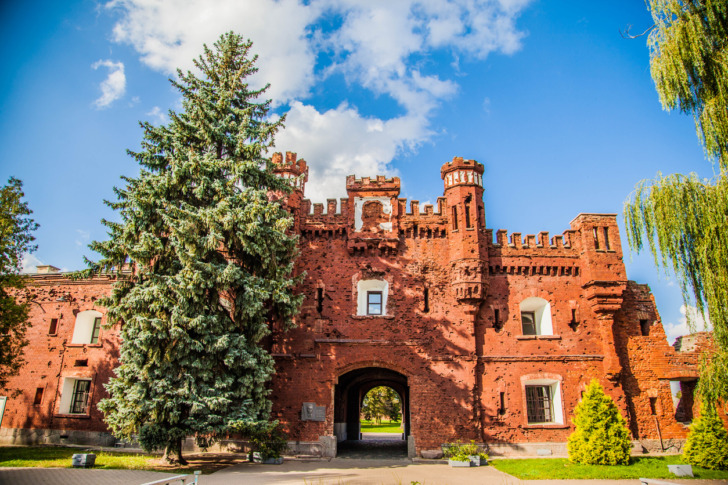
Brest sits in southwestern Belarus directly beside the Polish border, where the Mukhavets River flows toward the Bug.
It is one of Belarus’s oldest cities and has spent centuries changing hands between empires, kingdoms, and modern states.
Today, Brest is best known for the monumental Brest Fortress, its long pedestrian streets, Soviet-era architecture, railway history, and proximity to Belovezhskaya Pushcha, one of Europe’s last great primeval forests.
At street level, Brest can feel remarkably calm, clean, and orderly.
That appearance, however, does not tell the whole safety story.
Belarus is currently subject to severe international travel warnings because of arbitrary detention, political repression, Russia’s war against Ukraine, and unpredictable border restrictions.
Several governments advise against all travel to Belarus.
Warnings & Dangers in Brest

OVERALL RISK: HIGH
Brest has relatively low ordinary street crime, but I rate the overall risk high because the biggest dangers are political and legal rather than criminal. Foreigners can face questioning, device searches, detention, and limited consular assistance. Brest’s location directly beside Poland also places it in a particularly sensitive border region.

TRANSPORT & TAXIS RISK: MEDIUM
Taxis and public transportation are generally orderly, while central Brest is fairly easy to navigate. The larger concerns are police checks, border restrictions, winter roads, and sudden transportation disruption. Use established taxi services, carry identification, and allow substantial flexibility when traveling toward Poland because border crossings can close or change procedures with little warning.

PICKPOCKETS RISK: LOW
Pickpocketing is not one of Brest’s major dangers. Theft can still occur around railway stations, busy shopping streets, markets, buses, and crowded events. Keep your wallet and phone secure, avoid leaving bags unattended, and do not display large amounts of cash. Normal urban precautions should be enough for most everyday situations.

NATURAL DISASTERS RISK: MEDIUM
Brest does not face major earthquakes, hurricanes, or extreme mountain hazards. The more realistic natural risks are harsh winter cold, snow, ice, thunderstorms, heatwaves, and occasional flooding. Winter visitors should be particularly careful on frozen sidewalks and roads, while summer travelers should watch for storms and periods of unusually high temperatures.

MUGGING RISK: LOW
Street mugging is relatively uncommon in Brest, especially in busy central areas. The city tends to feel orderly during the day and early evening. Still, avoid empty parks, poorly lit streets, riverbanks, and isolated railway areas late at night. Carry limited cash and avoid confrontations with intoxicated strangers.

TERRORISM RISK: MEDIUM
Brest itself does not have a recent pattern of terrorist attacks, but its location near NATO territory and Belarus’s close military relationship with Russia create a broader security concern. Military exercises, regional confrontation, sabotage fears, and heightened border security can affect the area. Stay away from military activity, security operations, and sensitive infrastructure.

SCAMS RISK: LOW
Tourist scams are not widespread. Visitors are more likely to encounter confusing taxi pricing, unofficial accommodation, questionable currency exchange, or administrative misunderstandings than sophisticated fraud. Use established hotels and transport providers, exchange money through banks, and carefully understand entry, registration, and border requirements before arriving.

WOMEN TRAVELERS RISK: LOW
From a conventional street-safety perspective, Brest is generally comfortable for women travelers, including solo visitors. Central areas tend to be quiet and well-used. However, women face the same political and legal risks as other foreigners. Avoid demonstrations, political activity, isolated nighttime areas, and situations involving heavily intoxicated strangers.

TAP WATER RISK: LOW
Municipal tap water is treated, although taste and plumbing conditions can vary between buildings. Many visitors may prefer filtered or bottled water simply for taste. Bottled water is easy to find. If staying in older private accommodation, ask the host whether they recommend drinking directly from the tap.
Safest Places to Visit in Brest
Given the current national travel warnings, I would describe these as the lower-risk places within Brest rather than guarantee that any part of the city is completely safe for foreign visitors.
Brest Fortress Memorial Complex
Brest Fortress is the city’s defining attraction and one of Belarus’s most important historical sites.
The enormous memorial complex commemorates the defenders of the fortress during the German invasion of the Soviet Union in June 1941.
During normal opening hours, the public memorial areas are well visited and easy to explore.
Stay strictly within visitor sections and avoid photographing nearby military, security, railway, or restricted infrastructure.
Sovetskaya Street
Sovetskaya Street is Brest’s main pedestrian street and one of the easiest places for visitors to walk around.
Restaurants, cafes, shops, historic buildings, and evening foot traffic give the area a relaxed atmosphere.
It is particularly pleasant during the early evening, when locals gather along the pedestrian zone.
Keep valuables secure, but ordinary street crime should not be a major concern here.
Gogol Street
Gogol Street is known for its decorative street lamps and sculptures inspired by literary themes.
It is centrally located and makes an easy addition to a walk through Brest.
Daytime and early-evening visits are preferable.
As elsewhere in Belarus, avoid photographing police activity, official buildings, or anything that may reasonably be interpreted as sensitive infrastructure.
Brest Railway Museum
The open-air railway museum near Brest Fortress contains locomotives and railway equipment documenting the city’s long transport history.
It is an organized attraction and generally straightforward to visit.
The important distinction is between the museum and active railway infrastructure.
Do not wander into rail yards, photograph security systems, or explore working railway facilities outside designated tourist areas.
Belovezhskaya Pushcha With Careful Planning
Belovezhskaya Pushcha is one of the region’s greatest attractions, protecting ancient forest shared by Belarus and Poland and providing habitat for European bison.
The Belarusian visitor facilities can be reached from Brest, but the forest extends toward an internationally sensitive frontier.
Follow established tourist routes, respect access restrictions, and do not wander toward the Polish border or attempt informal crossings.
Places to Avoid in Brest
The Polish Border Outside Official Crossings
Brest sits directly against Poland, making the western edge of the region particularly sensitive.
Do not approach fences, patrol roads, border markers, river crossings, or restricted border land for sightseeing.
Current guidance warns that Belarusian crossings with neighboring EU states can close or change operations with little notice.
The Brest-Terespol route has reopened, but political relations remain unstable.
Demonstrations and Political Gatherings
Avoid every protest, rally, political meeting, or spontaneous gathering.
Do not stop to watch or photograph security forces.
Belarusian authorities have detained people for political activity and social-media material, including activity that took place outside the country.
Military Facilities
Do not approach military bases, barracks, training areas, checkpoints, government security compounds, or military vehicles.
Brest has major historical military significance and remains a strategically sensitive city.
Photography of soldiers, military equipment, security personnel, bridges, communications infrastructure, and restricted facilities can attract unwanted official attention.
Railway Yards and Infrastructure
Brest is an important rail junction between Belarus and Poland.
Active railway yards, freight terminals, border-control installations, and switching areas are not tourist attractions.
Stay within passenger areas and recognized museums.
Avoid photographing border-processing facilities, freight infrastructure, or security systems.
The Bug River Border Area
The Bug forms part of the Belarus-Poland frontier near Brest.
Do not treat remote riverbanks as ordinary recreational countryside.
Walking, boating, fishing, or photographing near the frontier can lead to questions about whether you are attempting an illegal crossing or documenting border infrastructure.
Use recognized recreational areas away from restricted sections.
Safety Tips for Traveling to Brest
- Think beyond ordinary crime statistics. Brest may look safer than many Western European cities when you walk through the center, but that does not make the destination low risk. The biggest dangers involve detention, political laws, regional tension, and limited consular assistance. Judge safety by what could happen if something goes wrong, not simply by whether the streets feel calm.
- Avoid politics completely. Do not attend demonstrations, photograph protests, display opposition symbols, or debate Belarusian politics with strangers. Be extremely cautious about political material stored on your phone or social-media accounts. Authorities may inspect electronic devices when travelers enter Belarus.
- Do not photograph sensitive infrastructure. Military facilities, police, border posts, railway infrastructure, airports, bridges, government buildings, and checkpoints are poor photography subjects. If you are unsure whether something is sensitive, keep the camera away. This is particularly important in Brest because of its border and military significance.
- Check the Polish border before every crossing attempt. Do not assume a crossing is open because it operated during your previous trip or even the previous week. Border arrangements between Belarus and Poland have changed repeatedly, including closures and reopenings. Confirm the exact checkpoint and eligibility before leaving for the border.
- Carry identification and travel documents. Keep your passport, entry documents, accommodation information, health insurance, and any required registration records organized. Hotels generally handle required foreign-guest registration procedures, but private accommodation may involve additional responsibilities. Keep digital copies separately from the originals.
- Assume your electronic privacy is limited. Use strong device passwords and consider carefully what information you carry. Phones and other personal items may be inspected by authorities, including at the border. Do not assume private messages, photographs, downloaded media, or social-media activity will necessarily be treated as private.
- Carry more than one payment option. International sanctions can make foreign cards unreliable in Belarus. Bring sufficient accessible funds and do not assume a Visa or Mastercard issued abroad will work everywhere. Exchange money only at banks or authorized offices and keep receipts when appropriate.
- Avoid wandering close to the border. Brest’s location makes it tempting to walk toward Poland simply because it looks close on a map. Do not do this. Stay away from border fences, patrol routes, restricted riverbanks, and unofficial paths. Cross international borders only through an operating legal checkpoint.
- Use extra care in winter. Brest winters can be cold, snowy, and icy. Bring insulated clothing and footwear with grip. Rural and regional roads can become slippery, while daylight hours are short. If weather is poor, use trains or professional drivers rather than forcing an unfamiliar winter road trip.
- Have an exit plan before arriving. Know how you would leave Belarus if transportation changed suddenly. Keep enough money for alternative accommodation and transportation, maintain a charged phone and power bank, and avoid leaving your departure planning until the final day. This matters especially in Brest because border access can change unexpectedly.
So... How Safe Is Brest Really?
Brest creates one of the stranger contradictions in European travel safety.
If you looked only at street crime, cleanliness, public order, and the behavior of everyday residents, you could easily assume it deserved a low-risk rating.
Central Brest is generally calm, major tourist attractions are organized, and random violent crime against visitors is not the main concern.
But conventional crime statistics are not enough here.
As of August 2026, the United Kingdom advises against all travel to Belarus, while the United States maintains its highest travel-warning level.
Authorities may inspect electronic devices, political activity can lead to detention, and foreign governments may have very limited ability to provide assistance to detained citizens.
Brest adds another layer because it sits directly on the Polish frontier.
Border arrangements have changed repeatedly since Russia invaded Ukraine, and crossings can be restricted or closed at short notice.
So, how safe is Brest really?
For someone already legally in Belarus, staying away from politics and sensitive locations, the ordinary day-to-day experience may feel surprisingly safe.
For someone choosing a leisure destination from scratch, however, I rate Brest high risk because the consequences of a political, legal, or border problem can be severe.
This is one of those destinations where peaceful streets do not equal a low overall travel risk.
How Does Brest Compare?
| City | Safety Index |
|---|---|
| Brest |
48 |
| Vitebsk |
54 |
| Gomel |
45 |
| Nesvizh |
55 |
| Grodno |
50 |
| Minsk |
77 |
| Mogilev |
53 |
 Slidell Slidell | 76 |
 Ipoh Ipoh | 82 |
 Pisa Pisa | 61 |
| Binghamton | 61 |
| Altoona | 82 |
| Honolulu | 65 |
Useful Information

Visas
Entry requirements depend heavily on nationality. Citizens of 38 European countries can currently enter Belarus visa-free through international road and rail crossings for up to 30 days, with the temporary arrangement running through December 31, 2026. Total visa-free stays are generally limited to 90 days per calendar year.

Currency
Belarus uses the Belarusian ruble, abbreviated BYN. Exchange money through banks or authorized exchange offices. International payment cards may not function reliably because of banking restrictions and sanctions, so travelers should have a realistic cash backup rather than depending entirely on foreign-issued cards.

Weather
Brest has a continental climate with warm summers and cold winters. Summer temperatures are usually comfortable for sightseeing, although heatwaves and thunderstorms occur. Winters can bring freezing temperatures, snow, and ice. Pack layers, waterproof shoes, and a warm coat from late autumn through early spring.

Airports
Brest Airport serves the region but has limited commercial connectivity compared with major European airports. International visitors may need to travel through Minsk or use an operating land route. Because international air connections and neighboring border arrangements can change, transportation should be confirmed shortly before departure.

Travel Insurance
Travel insurance requires special attention because many insurers restrict or exclude coverage when governments advise against travel to a country. Check Belarus-specific exclusions for medical care, political unrest, detention, transportation disruption, and evacuation. Do not assume a standard European policy remains valid simply because Belarus is geographically in Europe.
Belarus - Safety by City
| City | Safety Index |
|---|---|
| Brest | 48 |
| Gomel | 45 |
| Grodno | 50 |
| Minsk | 77 |
| Mogilev | 53 |
| Nesvizh | 55 |
| Vitebsk | 54 |












Did you find the calm streets of Brest made it easier or harder to forget the tense political situation nearby?