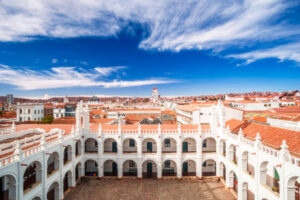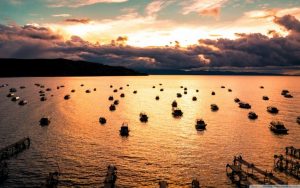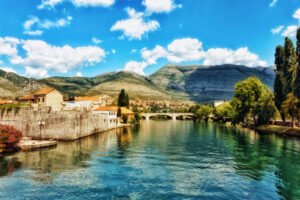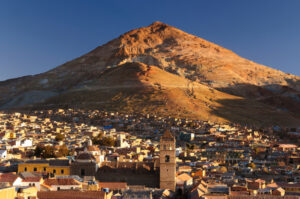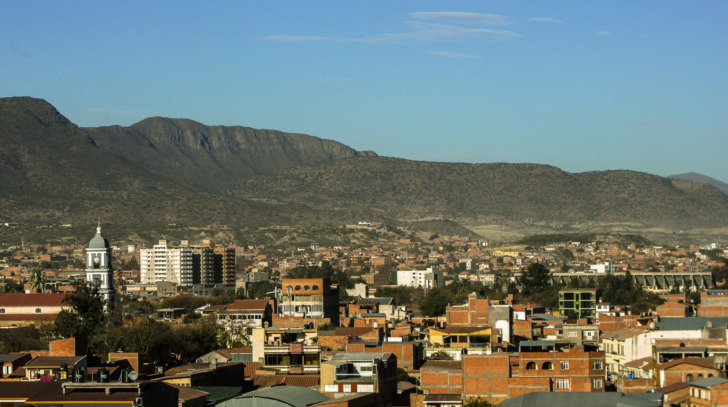
Tarija sits in southern Bolivia, close to the Argentine border, and feels noticeably different from the country’s better-known high-altitude cities.
At roughly 1,870 meters above sea level, it has a milder climate, leafy plazas, colonial architecture, surrounding vineyards, and a relaxed pace that has earned it a reputation as one of Bolivia’s most pleasant cities.
Tarija is also the center of Bolivia’s wine and singani industry, with vineyards stretching through the nearby Valle de la Concepción.
Crime is generally less intense than in Bolivia’s largest cities, but travelers still need to consider petty theft, road safety, demonstrations, occasional roadblocks, and limited emergency services.
Tarija is very visitable, but Bolivia’s broader political and economic situation currently adds uncertainty to even otherwise peaceful destinations.
Warnings & Dangers in Tarija

OVERALL RISK: MEDIUM
Tarija is generally calmer than La Paz, El Alto, or Santa Cruz, and most tourists visit without serious problems. However, Bolivia currently faces political tension, demonstrations, roadblocks, crime, and transportation disruptions. Travelers should remain flexible, avoid protests, use reputable transportation, and keep enough cash, food, medication, and water for unexpected delays.

TRANSPORT & TAXIS RISK: MEDIUM
Road safety is one of Tarija's most realistic risks. Driving standards vary, mountain roads can be narrow, and nighttime visibility outside the city is poor. Use radio taxis, recognized ride services, or drivers arranged through your accommodation. Avoid entering taxis already carrying strangers and complete longer road journeys during daylight whenever possible.

PICKPOCKETS RISK: MEDIUM
Petty theft occurs in Bolivia and can affect travelers in markets, bus terminals, festivals, plazas, and crowded transportation. Tarija is not one of the country's worst locations for pickpocketing, but visitors should still keep phones and wallets secure. Do not leave bags unattended and avoid displaying expensive electronics unnecessarily.

NATURAL DISASTERS RISK: MEDIUM
Tarija can experience earthquakes, thunderstorms, flash flooding, landslides, drought, wildfires, and road damage caused by heavy rain. Mountain routes are particularly vulnerable during severe weather. Check conditions before day trips into valleys or rural areas, and never attempt to drive through floodwater or cross a road blocked by a landslide.

MUGGING RISK: MEDIUM
Muggings are less common in Tarija than petty theft, but robbery remains possible, particularly late at night, near transportation areas, and on quiet streets. Avoid carrying large amounts of cash, keep expensive jewelry out of sight, and take a trusted taxi after drinking or when returning to accommodation outside the center.

TERRORISM RISK: LOW
Terrorism is not a major day-to-day concern in Tarija. Bolivia's current security problems are more strongly associated with political demonstrations, civil unrest, crime, roadblocks, and economic tensions. Visitors should still avoid government disturbances, large demonstrations, and unusual security activity, but terrorism should not dominate ordinary travel planning.

SCAMS RISK: MEDIUM
Visitors may encounter inflated taxi fares, unofficial tour guides, questionable money-changing offers, counterfeit banknotes, or strangers offering unnecessary assistance at transportation terminals. Confirm prices before accepting services, use established tour companies, and withdraw money from bank ATMs. Be particularly cautious when someone approaches you with an unusually urgent or complicated story.

WOMEN TRAVELERS RISK: MEDIUM
Many women travel through Tarija safely, including solo visitors, but harassment and sexual assault occur in Bolivia. Solo women should use trusted transportation at night, watch their drinks, avoid accepting rides from strangers, and stay in established accommodation. Hiking, wine tours, and rural excursions are safer with a group or reputable guide.

TAP WATER RISK: MEDIUM
Travelers with sensitive stomachs should generally choose bottled, boiled, or properly filtered water. Water treatment and plumbing quality can vary between buildings and surrounding communities. Check that bottled water seals are intact, avoid questionable ice, and use extra caution with raw produce or food prepared with untreated water.
Safest Places to Visit in Tarija
Plaza Luis de Fuentes
Tarija’s central plaza is one of the easiest and safest places to begin exploring.
Colonial buildings, cafés, churches, government buildings, and pedestrian activity surround the square.
During the day and early evening, plenty of residents are usually around.
Keep ordinary control of your belongings, particularly during festivals and weekend events.
Casa Dorada
Casa Dorada is one of Tarija’s most distinctive historic buildings and an easy cultural attraction to visit from the center.
Its elaborate architecture makes it one of the city’s best photography stops.
Organized cultural attractions like this are generally comfortable for travelers and provide an easy way to explore without venturing into unfamiliar districts.
Valle de la Concepción
The valley south of Tarija is the heart of Bolivia’s wine country.
Vineyards produce both wine and singani, the country’s famous grape spirit.
Visiting with an organized wine tour or trusted driver is the safest option, particularly if you plan to drink.
Do not attempt to drive back after tastings.
San Lorenzo
San Lorenzo is a small historic town north of Tarija and makes a pleasant daytime excursion.
Its traditional streets and connection with Bolivian history make it especially interesting for travelers who want something quieter than the city.
Return before dark unless you have reliable transportation arranged.
Central Tarija’s Parks and Restaurants
The central neighborhoods containing established hotels, restaurants, plazas, and commercial streets are generally comfortable during normal hours.
Tarija has a strong evening dining culture, but travelers should use taxis for longer nighttime journeys instead of wandering through unfamiliar residential streets.
Places to Avoid in Tarija
Demonstrations and Roadblocks
Avoid every political demonstration and roadblock, regardless of how peaceful it initially appears.
Bolivia has experienced significant unrest during 2026, including widespread blockades that interrupted transportation and supplies.
Never attempt to drive or walk through a blockade.
Turn around and change your plans.
Bus Terminal Surroundings Late at Night
Tarija’s bus facilities are practical during busy daytime hours but require greater awareness late at night.
Travelers carrying backpacks and luggage are easy to identify.
Arrange a taxi before arriving, keep valuables with you, and avoid accepting rides from unofficial drivers who approach aggressively.
Empty Residential Streets After Dark
Tarija does not have a simple list of neighborhoods tourists must completely avoid.
Instead, risk increases when streets become quiet, dark, and unfamiliar.
Stay around central commercial areas at night and use a trusted taxi if your accommodation is farther away.
Rural Roads During Severe Weather
Roads through Tarija Department can cross mountainous or remote terrain.
Heavy rain may cause landslides, flooding, mud, and surface damage.
Do not follow a navigation app blindly onto an unfamiliar secondary road. Ask locally about conditions before leaving the city.
Argentina Border Backroads
The official border crossings between southern Bolivia and Argentina are widely used, but travelers should stick to authorized crossings and major roads.
Avoid isolated border tracks, unofficial crossing points, smuggling routes, and unnecessary nighttime driving near the frontier.
Protest Activity Around Government Buildings
Political and economic demonstrations may concentrate around government offices, plazas, and transportation routes.
Do not stop to photograph confrontations or police operations.
If crowds begin gathering unexpectedly, move away and return to your accommodation until the situation becomes clear.
Safety Tips for Traveling to Tarija
- Check for roadblocks before every long journey. Bolivian protests frequently involve blocking highways, and conditions can change with little warning. Before traveling toward Sucre, Potosí, Bermejo, Villazón, or Argentina, ask your hotel or driver about current road conditions. Leave flexibility in your itinerary and never try to force your way through a blockade.
- Use trusted taxis. Ask hotels and restaurants to call a recognized taxi whenever possible. Avoid getting into a vehicle that already contains passengers you do not know. Confirm the fare before departure if no meter is being used and keep the doors locked during longer rides.
- Travel between cities during daylight. Long-distance roads can have poor lighting, steep sections, potholes, animals, pedestrians, and poorly maintained vehicles. Bus accidents are a serious concern throughout Bolivia. If possible, choose reputable operators, use seat belts when provided, and avoid overnight road journeys.
- Keep your phone discreet in crowded places. Do not stand near a busy market or bus terminal holding an expensive phone while completely focused on directions. Step inside a restaurant, hotel, or shop if you need time to check your route. Keep wallets and phones in secure front or zipped pockets.
- Carry some emergency cash. Bolivia has experienced fuel shortages, currency shortages, protests, and supply disruptions. Cards may also fail at smaller businesses. Keep enough Bolivianos for several days of food, transportation, and accommodation, but divide the cash between separate secure places rather than carrying it all together.
- Do not drive after a wine tour. Tarija’s vineyards are one of the best reasons to visit, but wine and singani tastings make self-driving a bad idea. Book an organized tour or hire a driver for the entire excursion. Confirm your return transportation before the first tasting rather than trying to arrange it afterward.
- Prepare for the altitude. Tarija sits at around 1,870 meters, considerably lower than La Paz but still high enough for some travelers arriving from sea level to notice headaches, tiredness, or shortness of breath. Drink water, limit alcohol during your first day, and begin sightseeing at a comfortable pace.
- Be cautious with food and water. Choose busy restaurants with good food turnover and eat meals that are thoroughly cooked and served hot. Carry bottled or filtered water during excursions. If traveling into lower-altitude parts of Tarija Department, also check current mosquito and yellow-fever recommendations before departure.
- Avoid political discussions during demonstrations. Bolivians may openly discuss national politics, but visitors have little reason to get involved in tense public situations. Do not join demonstrations, photograph police confrontations, or argue with protesters at roadblocks. Leave the area and allow residents to handle the situation.
- Buy insurance with evacuation coverage. Tarija has hospitals and clinics, but complex injuries or medical emergencies may require treatment elsewhere. A strong policy should cover hospitalization, evacuation, road accidents, theft, missed connections, and disruptions caused by strikes or roadblocks. Carry the emergency assistance information offline.
So... How Safe Is Tarija Really?
Tarija is one of Bolivia’s more comfortable cities for travelers.
It is smaller, calmer, and less chaotic than La Paz, El Alto, or Santa Cruz, and its historic center, restaurants, vineyards, and surrounding valleys make it an appealing place to spend several days.
On the street, the main concern is ordinary opportunistic crime.
Pickpocketing, phone theft, scams, and occasional robbery are possible, but a traveler using normal precautions is unlikely to spend the trip constantly worrying about personal security.
I give Tarija a medium rather than low overall risk rating because of Bolivia’s wider situation in 2026.
Political demonstrations and roadblocks remain a serious source of travel disruption.
Earlier this year, major protests interrupted highways and affected fuel, food, and medical supplies across several departments.
Tarija remained relatively peaceful during some of the most intense unrest, but nationwide disruptions can still affect transportation into and out of the city.
Road safety is another important factor.
Bolivia’s highways have inconsistent standards, and nighttime intercity travel deserves caution.
Tarija itself remains very visitable.
Stay near the center, use reliable transportation, check road conditions before excursions, protect your belongings, and remain flexible if protests affect your route.
With those precautions, most travelers should find Tarija friendly, relaxed, and much easier to navigate than Bolivia’s reputation may suggest.
How Does Tarija Compare?
| City | Safety Index |
|---|---|
 Tarija Tarija |
73 |
| Potosi |
69 |
| La Paz |
55 |
| Uyuni |
72 |
| Sucre |
74 |
| Copacabana |
68 |
 Saint Petersburg Saint Petersburg | 56 |
 Carlsbad Carlsbad | 74 |
| Chesapeake | 69 |
 Penang Penang | 58 |
| Winona | 86 |
 Bangui Bangui | 28 |
Useful Information

Visas
Visa requirements depend on nationality. Citizens of many countries can enter Bolivia for tourism without obtaining a visa, while others need permission in advance. U.S. tourists currently do not require a tourist visa for ordinary short visits. Travelers should generally have a passport valid for at least six months beyond arrival and proof of onward travel.

Currency
Tarija uses the Boliviano. Cash remains important for taxis, markets, small restaurants, and rural businesses. ATMs are available in the city, although currency shortages can occasionally affect withdrawals. Bring more than one payment card and some backup foreign currency. Exchange money through established banks or official exchange businesses.

Weather
Tarija has one of Bolivia's mildest climates. Summer, roughly December through March, is warmer and wetter, while winter nights from June through August can become surprisingly cold. Daytime temperatures are generally comfortable. Pack layers, sunscreen, a light rain jacket, and warmer clothing for evenings, especially during the dry winter months.

Airports
Capitán Oriel Lea Plaza Airport serves Tarija and is only a few kilometers from the city center. Domestic flights provide connections to major Bolivian cities such as La Paz, Santa Cruz, and Cochabamba. Taxis are the simplest way to reach central accommodation. Flight schedules can be affected by weather, protests, or operational disruptions.

Travel Insurance
Travel insurance is strongly recommended. Choose a policy covering emergency medical treatment, evacuation, baggage theft, road accidents, flight cancellations, and transportation disruption. Bolivia's recurring protests and roadblocks make trip-interruption coverage particularly useful. If visiting lower-altitude rural areas, confirm that your policy also covers any planned hiking or adventure activities.
Tarija Weather Averages (Temperatures)
Average High/Low Temperature
| Temperature / Month | Jan | Feb | Mar | Apr | May | Jun | Jul | Aug | Sep | Oct | Nov | Dec |
|---|---|---|---|---|---|---|---|---|---|---|---|---|
| High °C |
27 | 27 | 26 | 25 | 24 | 20 | 20 | 23 | 25 | 26 | 27 | 27 |
| Low °C |
15 | 15 | 14 | 12 | 7 | 5 | 4 | 7 | 9 | 12 | 14 | 15 |
| High °F |
81 | 81 | 79 | 77 | 75 | 68 | 68 | 73 | 77 | 79 | 81 | 81 |
| Low °F |
59 | 59 | 57 | 54 | 45 | 41 | 39 | 45 | 48 | 54 | 57 | 59 |
Bolivia - Safety by City
| City | Safety Index |
|---|---|
| Copacabana | 68 |
| La Paz | 55 |
| Potosi | 69 |
| Sucre | 74 |
| Tarija | 73 |
| Uyuni | 72 |